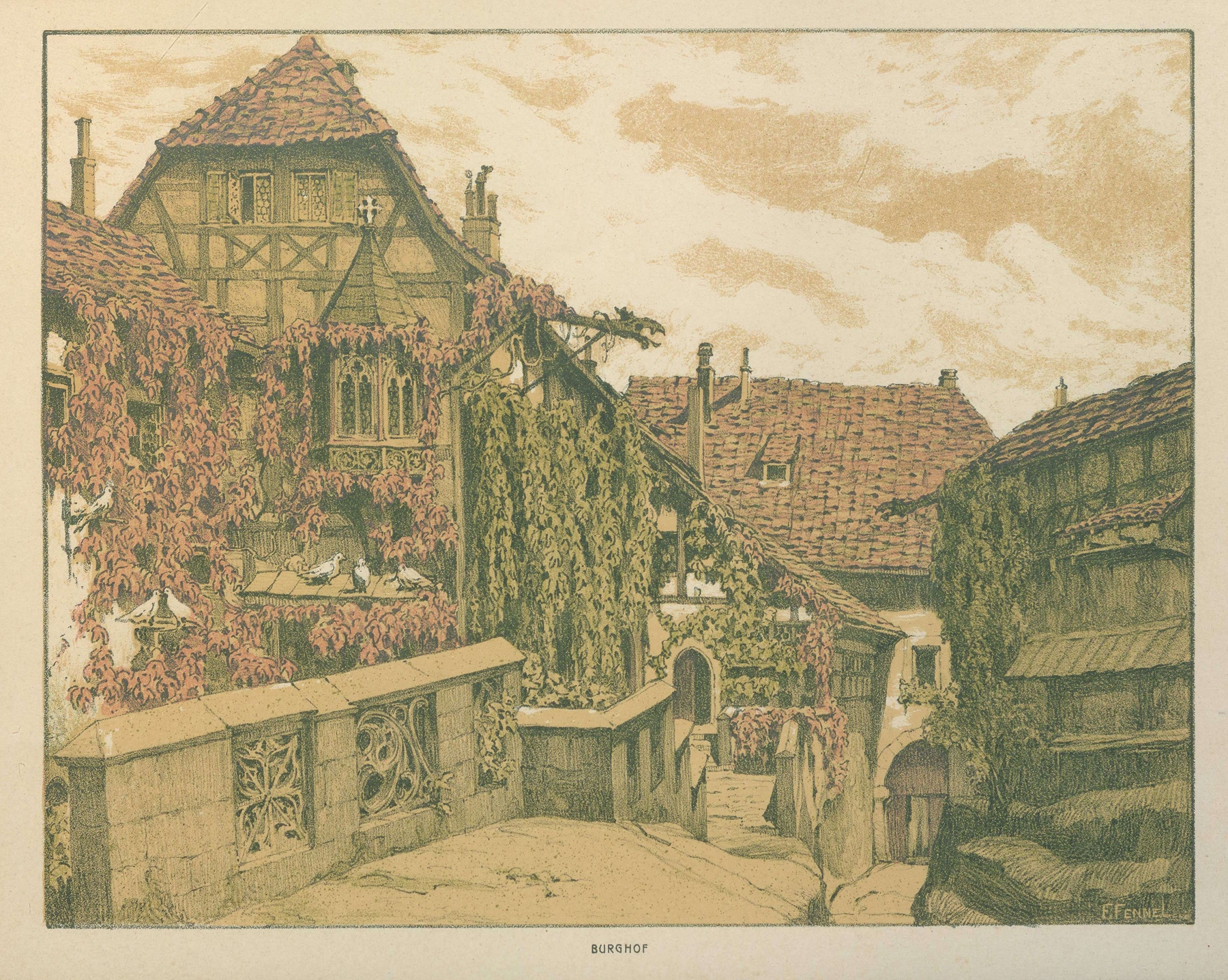
Burschenschaftsdenkmal — History & Analysis
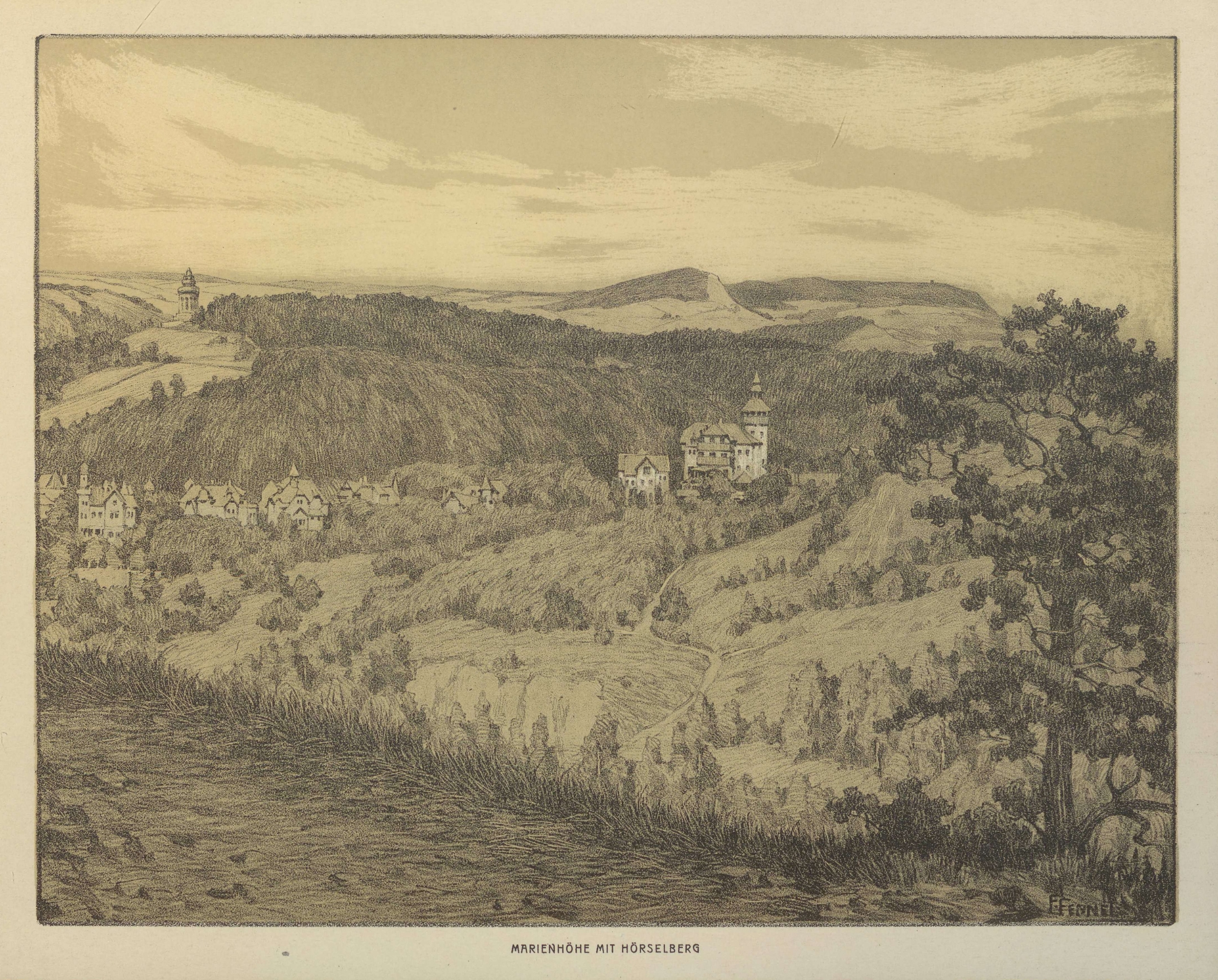
“The canvas doesn’t lie — it simply waits.” In silence, it holds the weight of history and the fervor of youthful idealism, echoing the aspirations of a generation. At first glance, the monument’s bold, austere lines draw the eye upward, inviting a sense of reverence. Look closely at the intricate carvings that adorn its surface; they breathe life into the stone, telling tales of camaraderie and conflict. The play of light and shadow across the surfaces and the contrasting colors of the surrounding landscape create a dynamic tension that enhances its imposing presence.
Delve deeper, and you’ll find the emotional undercurrents: the spirit of unity pitted against the weight of division, the ecstasy of youth clashing with the somber realities of loss. Notice how the figures etched into the monument—idealized yet haunting—capture an eternal moment, symbolizing both celebration and mourning. Their expressions, caught in timelessness, resonate with the struggle for identity and purpose, allowing the viewer to sense the restless energy of the past.
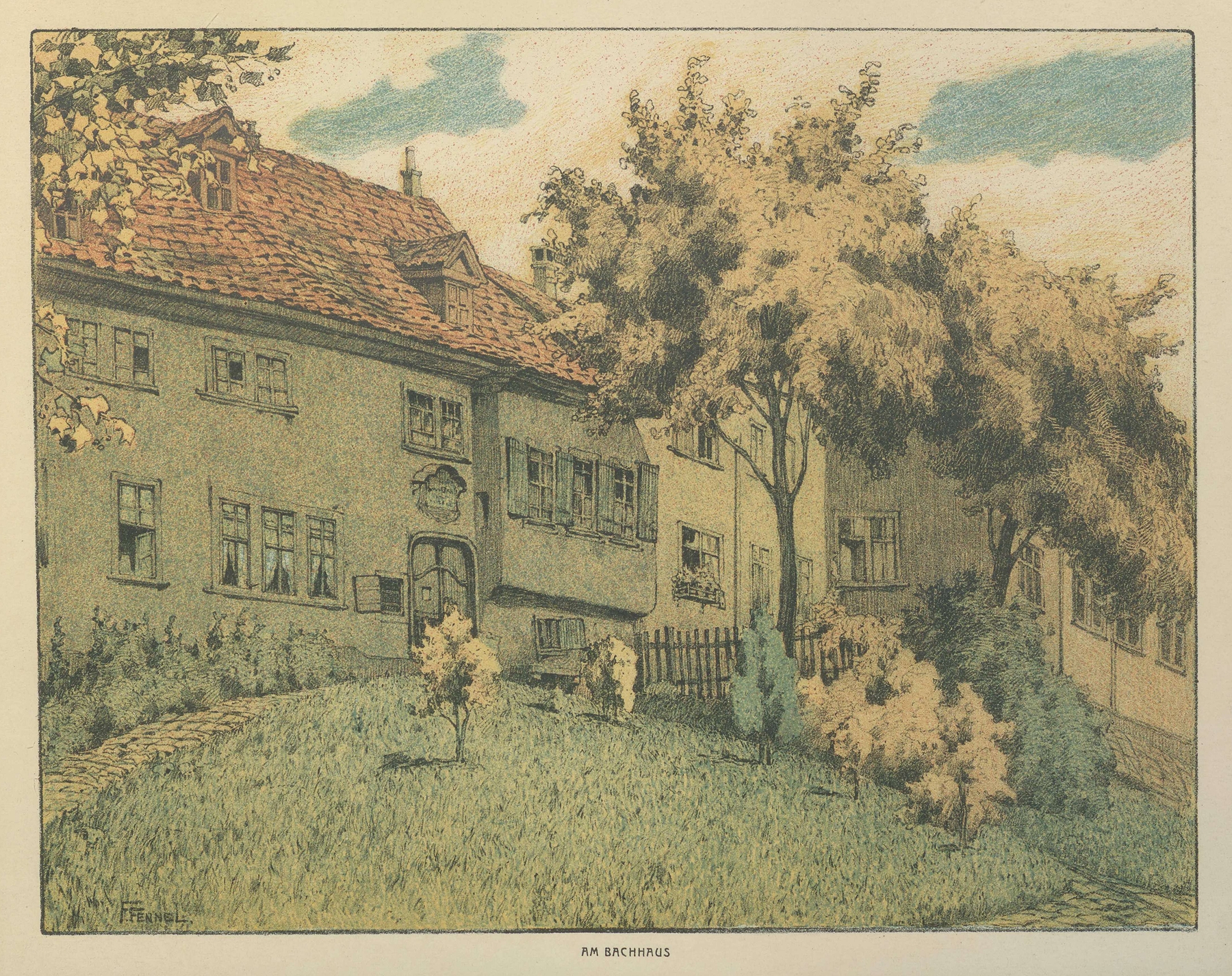
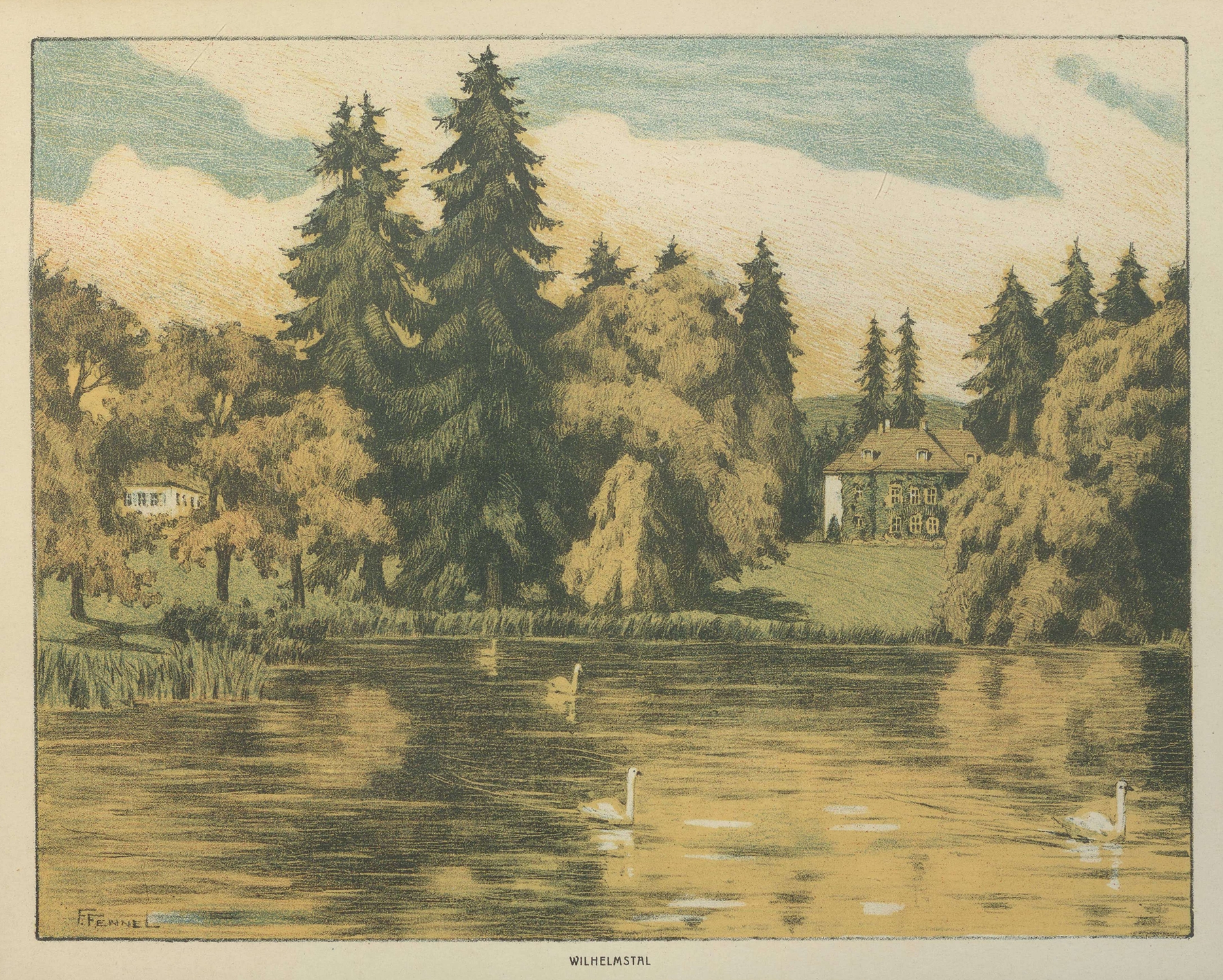
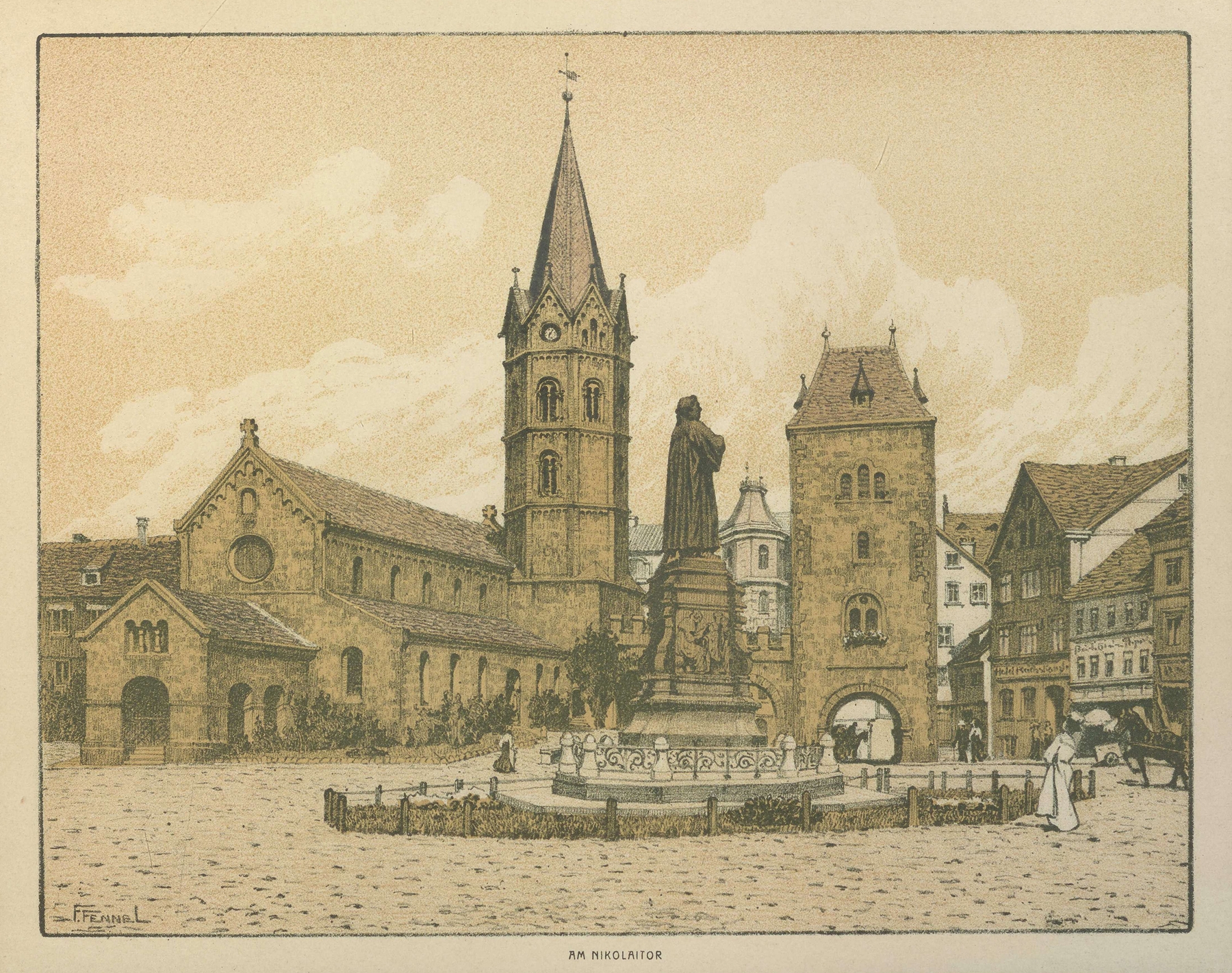
Friedrich Fennel created this piece after 1900, a time when Germany was grappling with its own national identity amid rising tensions and changing societal norms. It was a period marked by the burgeoning of modernism in art, which sought to redefine traditional values. Fennel, influenced by these currents, crafted Burschenschaftsdenkmal as both a tribute and a reminder, intertwining personal and collective narratives in a monument meant to endure the passage of time.