Am Bachhaus — History & Analysis
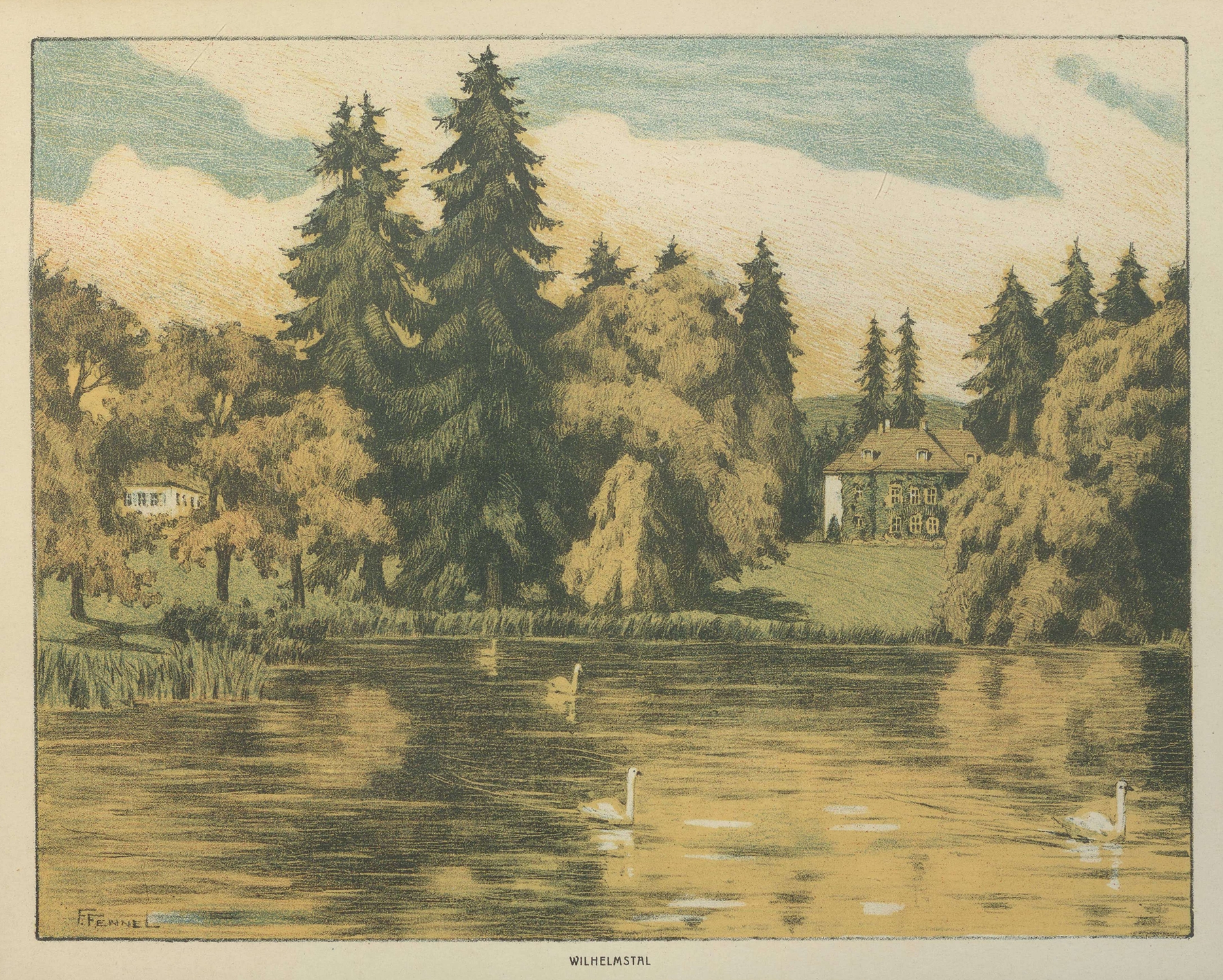
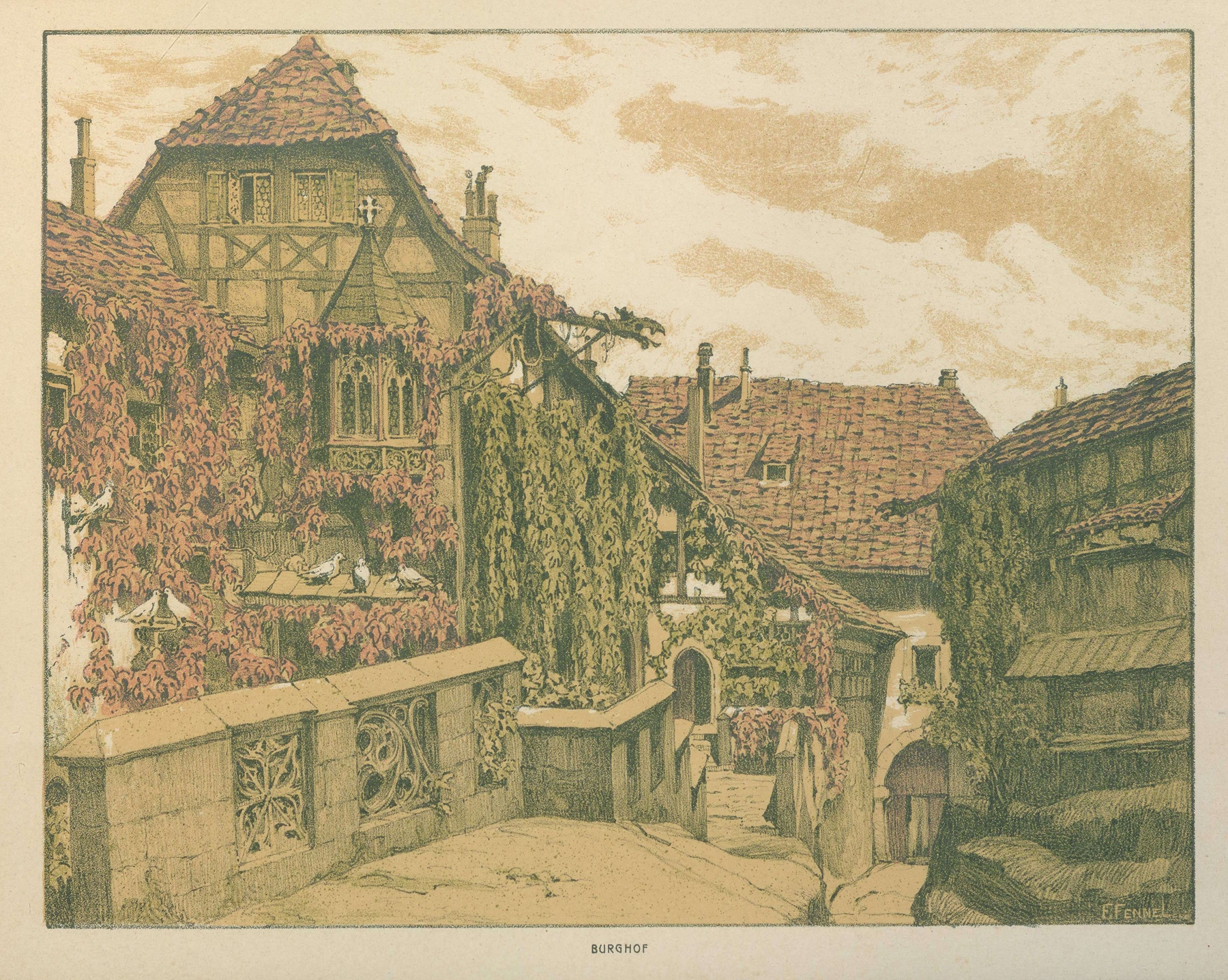
Who listens when art speaks of silence? In the stillness of Am Bachhaus, a quiet revelation unfolds, inviting contemplation and introspection. Focus on the delicate interplay of colors; look closely at the soft, muted greens and gentle blues that permeate the canvas. The strokes create a serene landscape, where the lines of the trees and water blend seamlessly into one another, evoking a sense of tranquility.
Notice how the structure of the house, nestled among the foliage, appears almost as a whisper against the backdrop of nature, suggesting both harmony and solitude. As you delve deeper, the contrast between the rigid architecture and the fluidity of the surrounding environment speaks to the tension between humanity and nature. The house, a symbol of civilization, sits quietly, almost forgotten, while the vibrant environment pulses with life around it. This juxtaposition invites an emotional response; one feels both the comfort of a home and the isolation that often accompanies it.
The soft light gently caressing the landscape further emphasizes this duality, revealing layers of meaning hidden beneath the surface. Friedrich Fennel created Am Bachhaus in the early 20th century, a time when the world was grappling with rapid industrialization and modernization. Working in Germany during this period, he sought to capture the quiet beauty of nature amidst the encroaching urban landscape, reflecting a longing for a simpler, more connected existence. His exploration of these themes through a distinct impressionistic style marked a significant moment in his artistic journey, embracing a newfound introspection in a changing world.