Reutervilla und Wartburg — History & Analysis
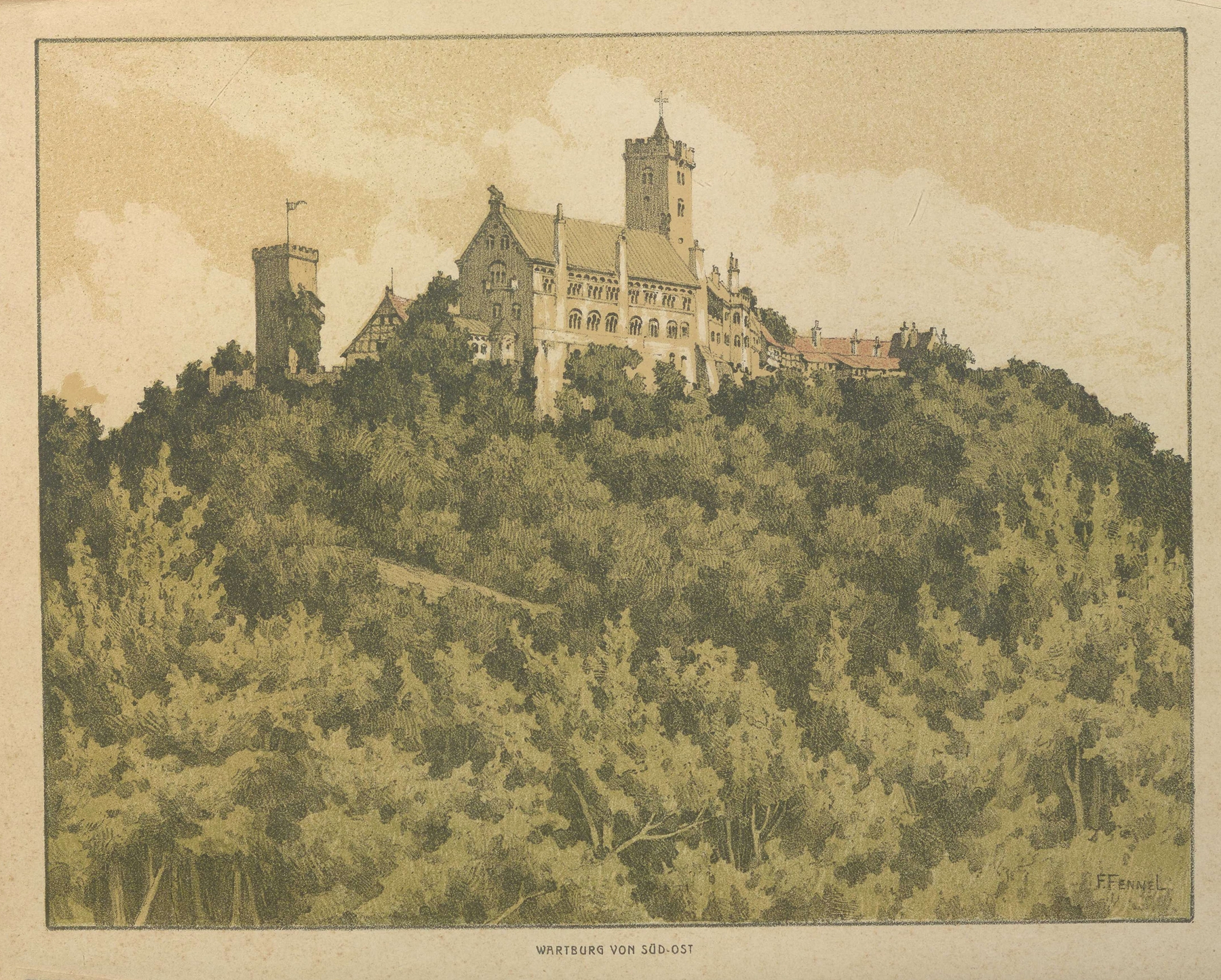
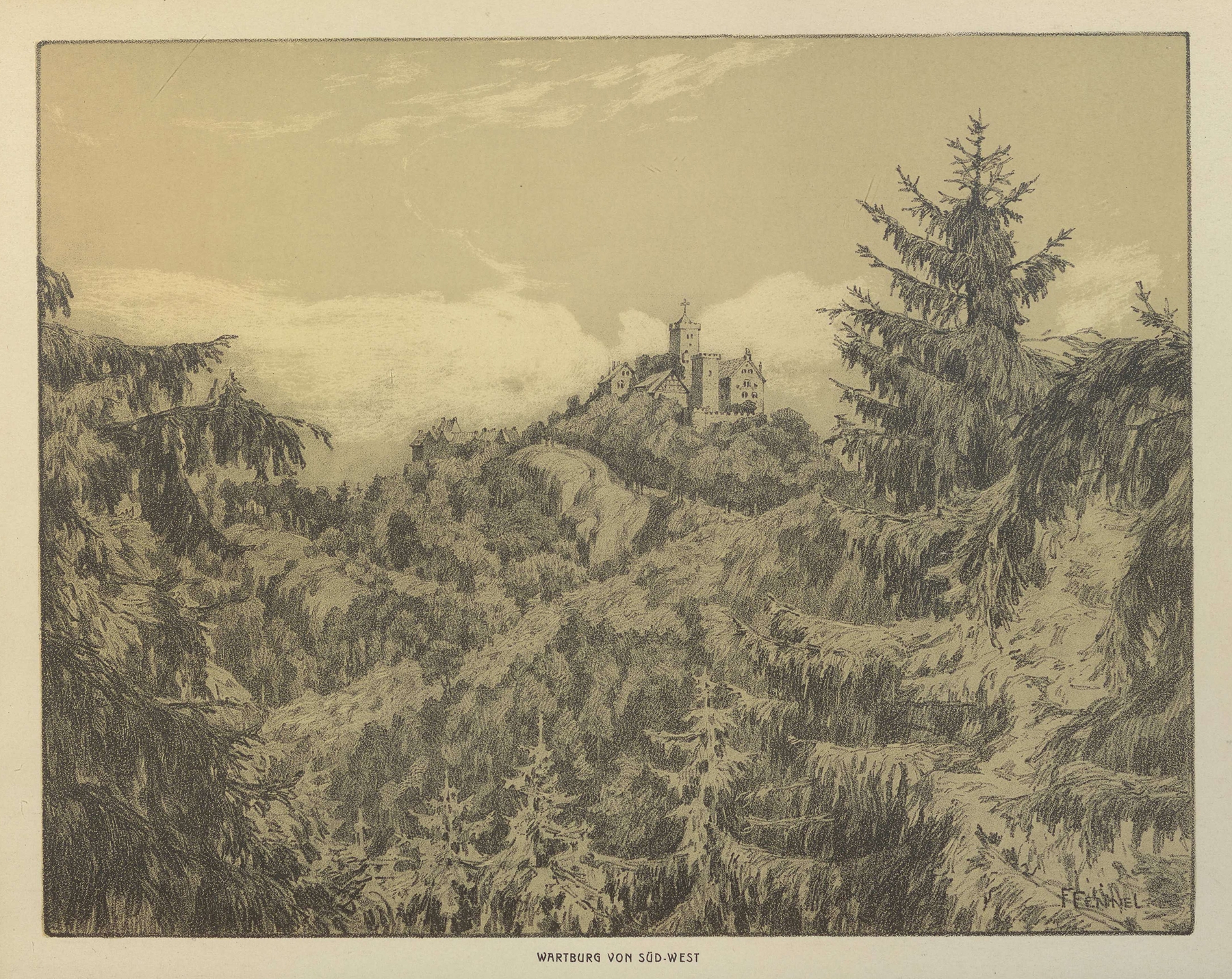
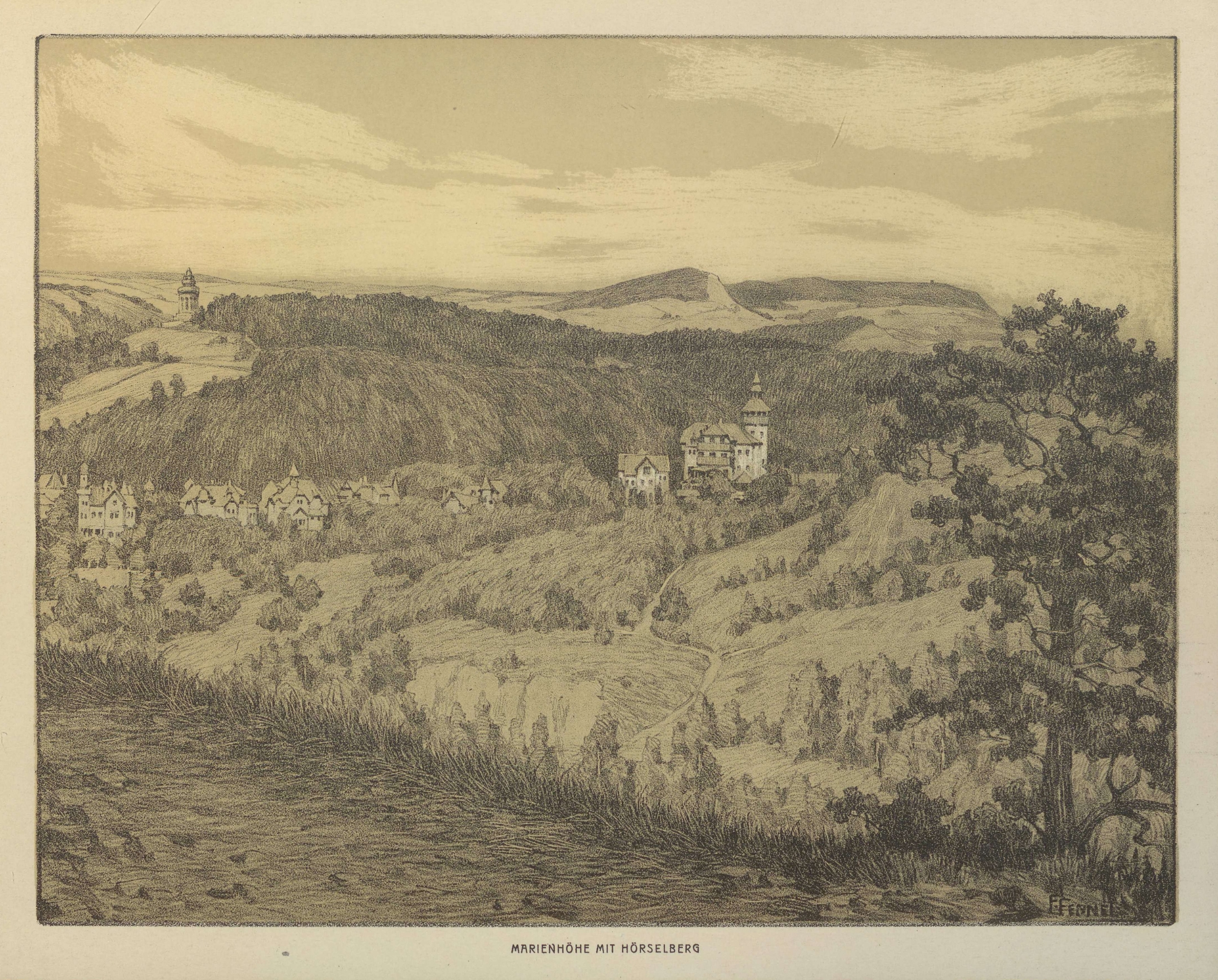
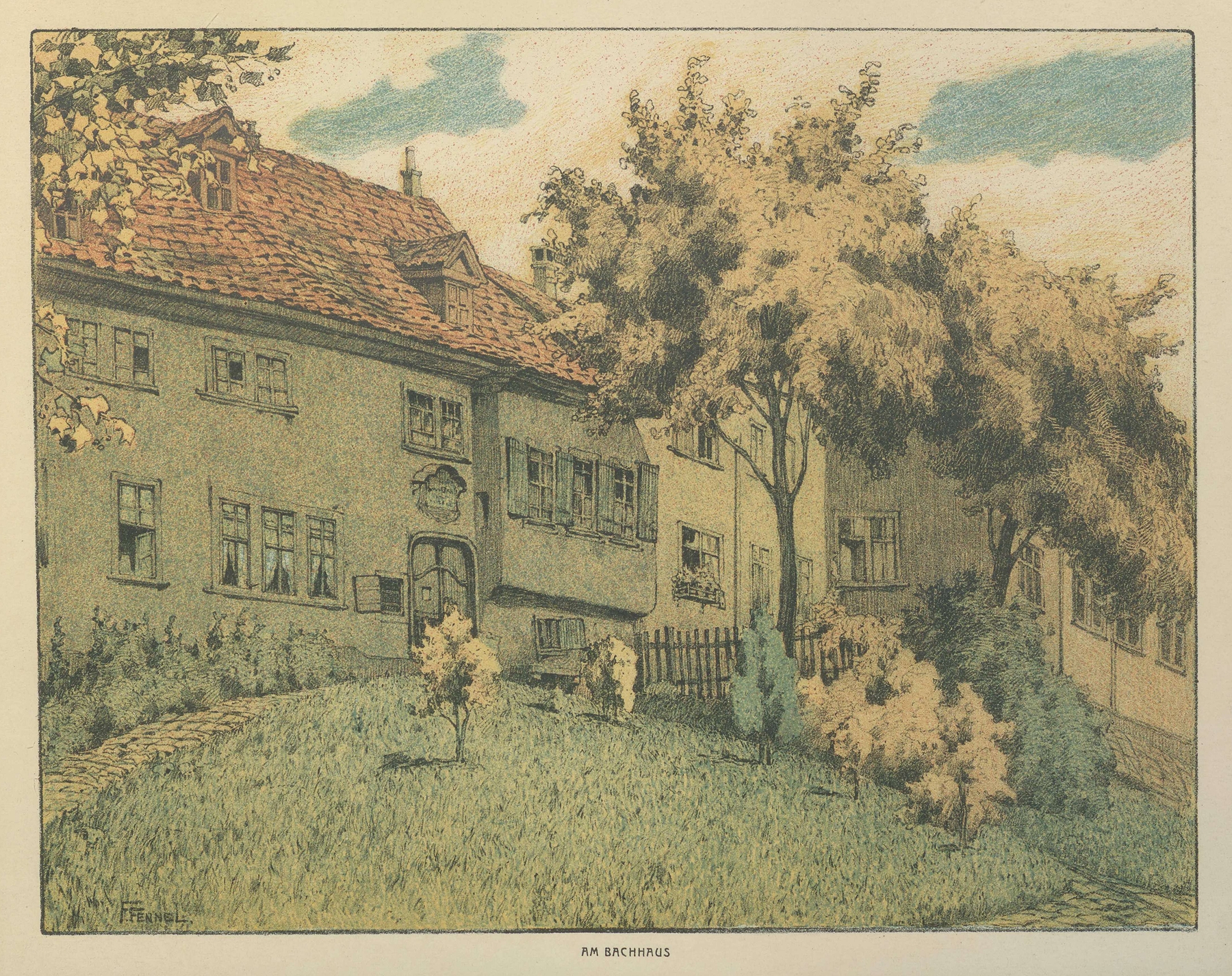
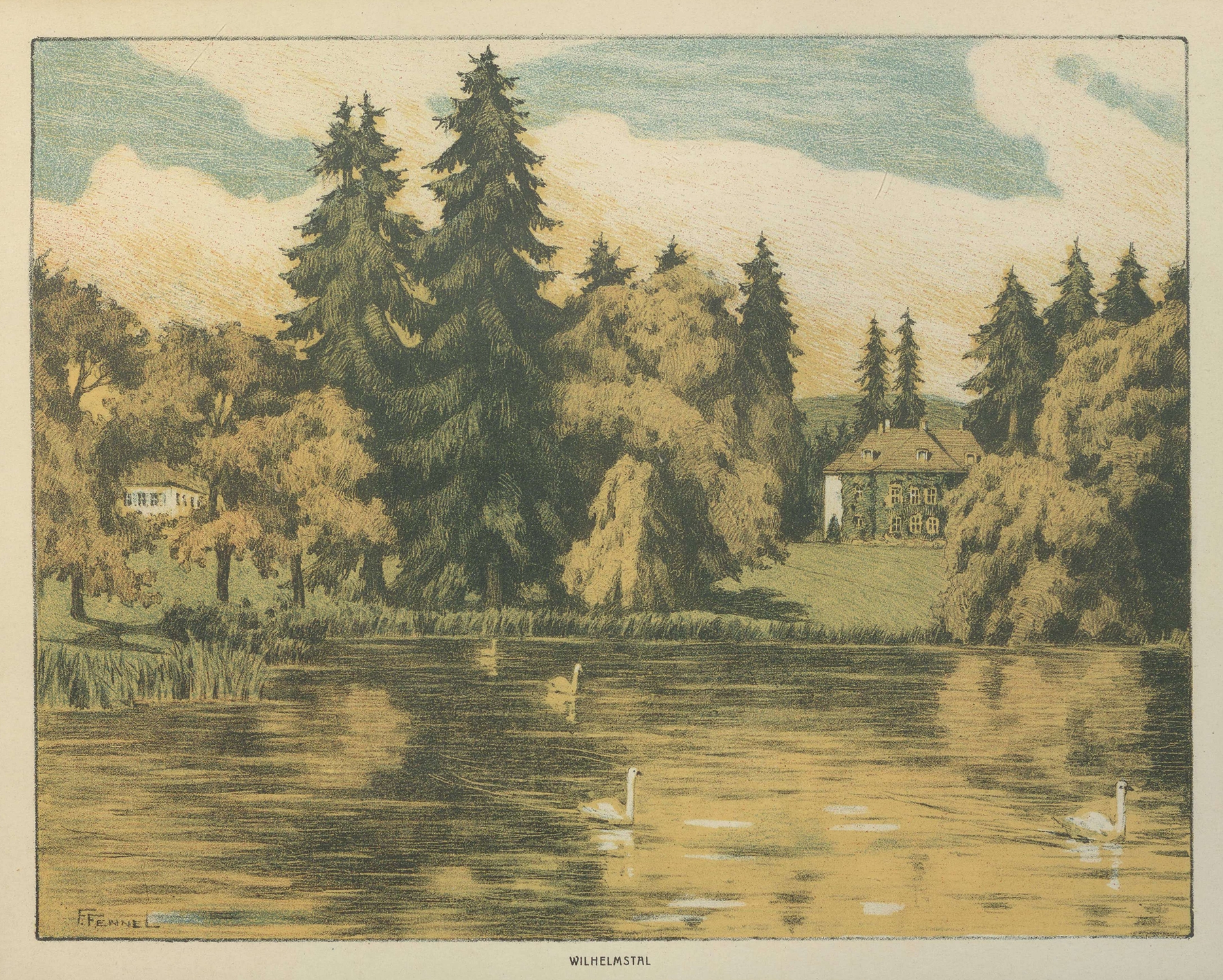
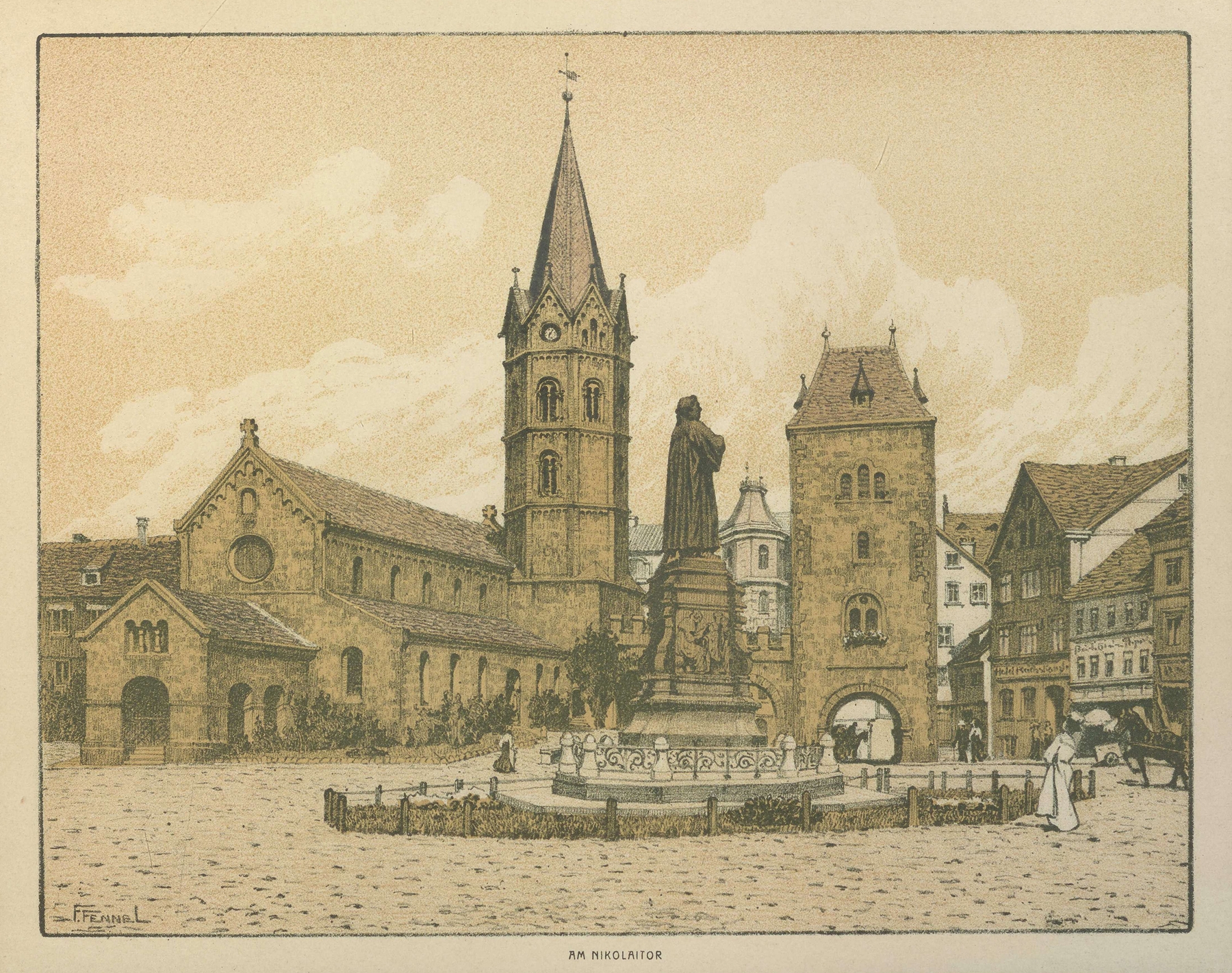
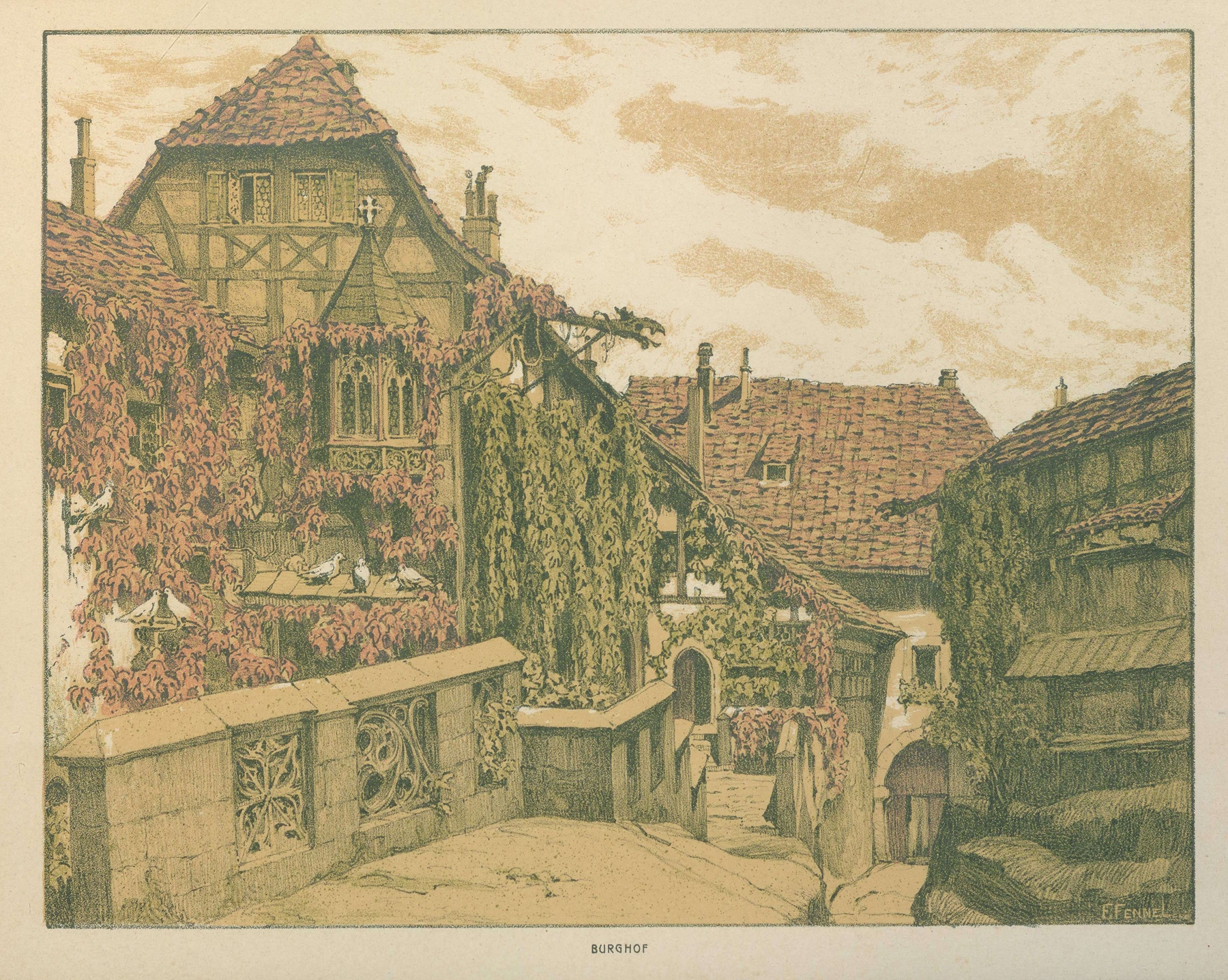
“Every brushstroke is a heartbeat remembered.” In Reutervilla und Wartburg, shadows whisper stories of nostalgia, their presence both haunting and protective, inviting the viewer to delve into a world caught between light and darkness. Begin by focusing on the lush landscape to the left, where the intricate interplay of greens and blues grounds the scene. Notice how the delicate brushstrokes create a sense of depth, drawing your eye up to the formidable Wartburg Castle perched proudly in the distance. The gentle gradient of the sky, transitioning from warm ochres to cool blues, encapsulates the fleeting moments of twilight.
This careful manipulation of color not only defines the time of day but also evokes a profound sense of serenity. Hidden within the shadows, contrasting elements emerge — the soft contours of nature’s foliage juxtaposed against the solid, angular lines of the castle. This duality reflects the tension between human achievement and the timeless beauty of the natural world. The shadows cast by the trees elongate and stretch, suggesting both the passing of time and the weight of history.
It is in these subtleties that the painting speaks; the viewer senses a narrative of resilience, a dialogue between the past and the present. Friedrich Fennel created this work after 1900, during a period of artistic transition in Germany. The emergence of modernism was reshaping artistic expressions, yet Fennel remained rooted in the romantic ideals of nature and architecture. At this time, he was deeply influenced by the picturesque landscapes of his homeland, intertwining a sense of local identity with the broader movements in the art world.