By the River Barycz — History & Analysis
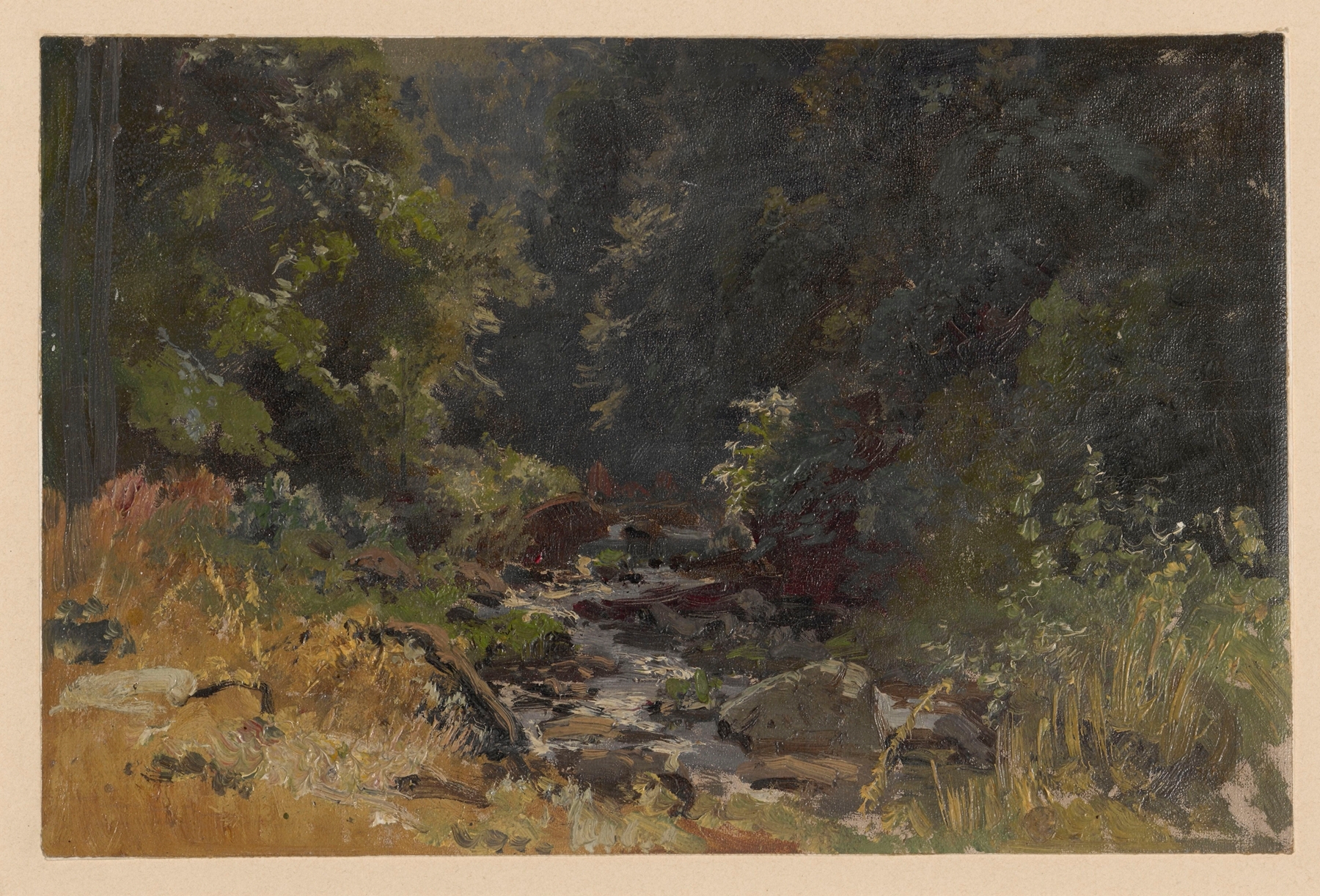
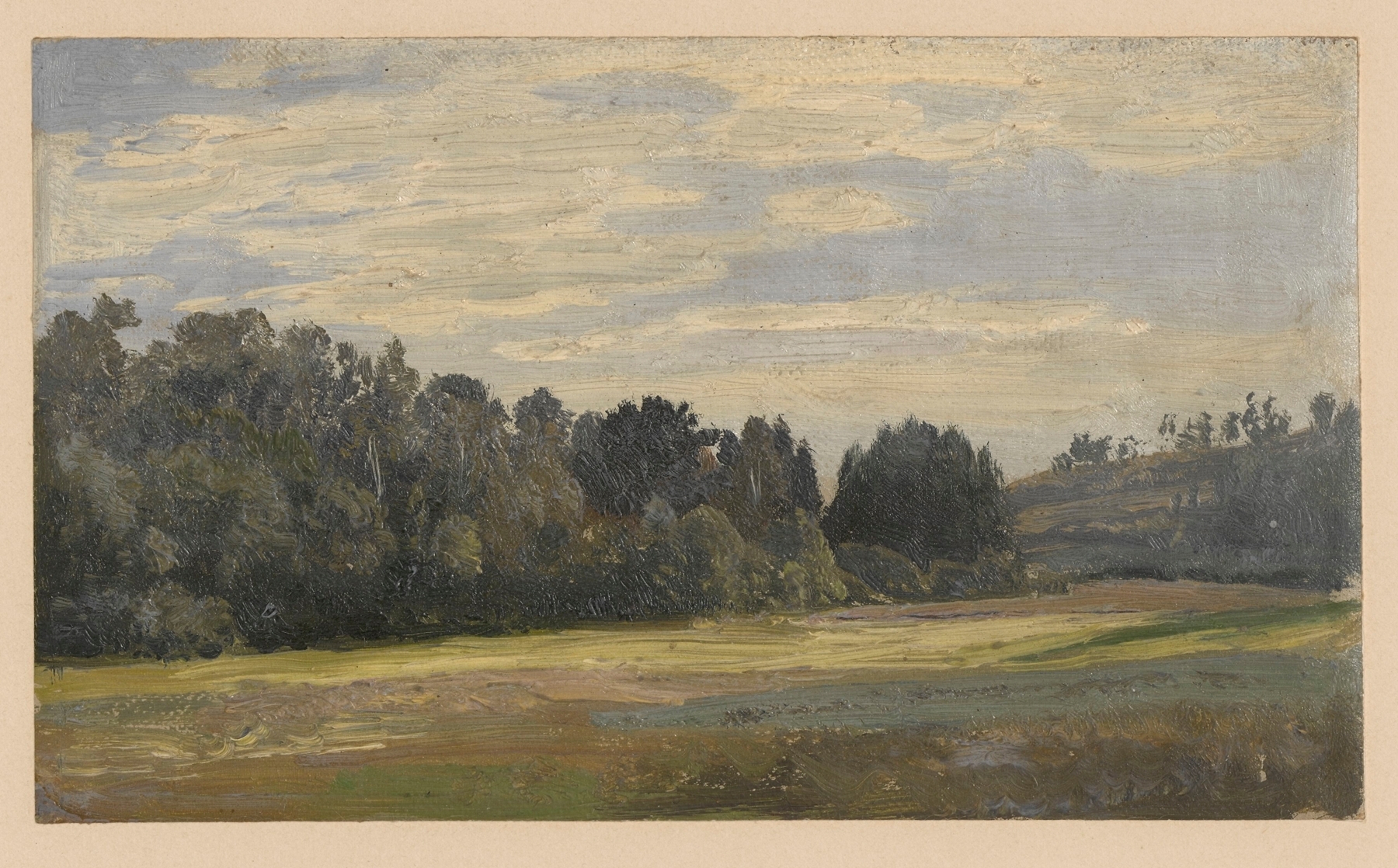
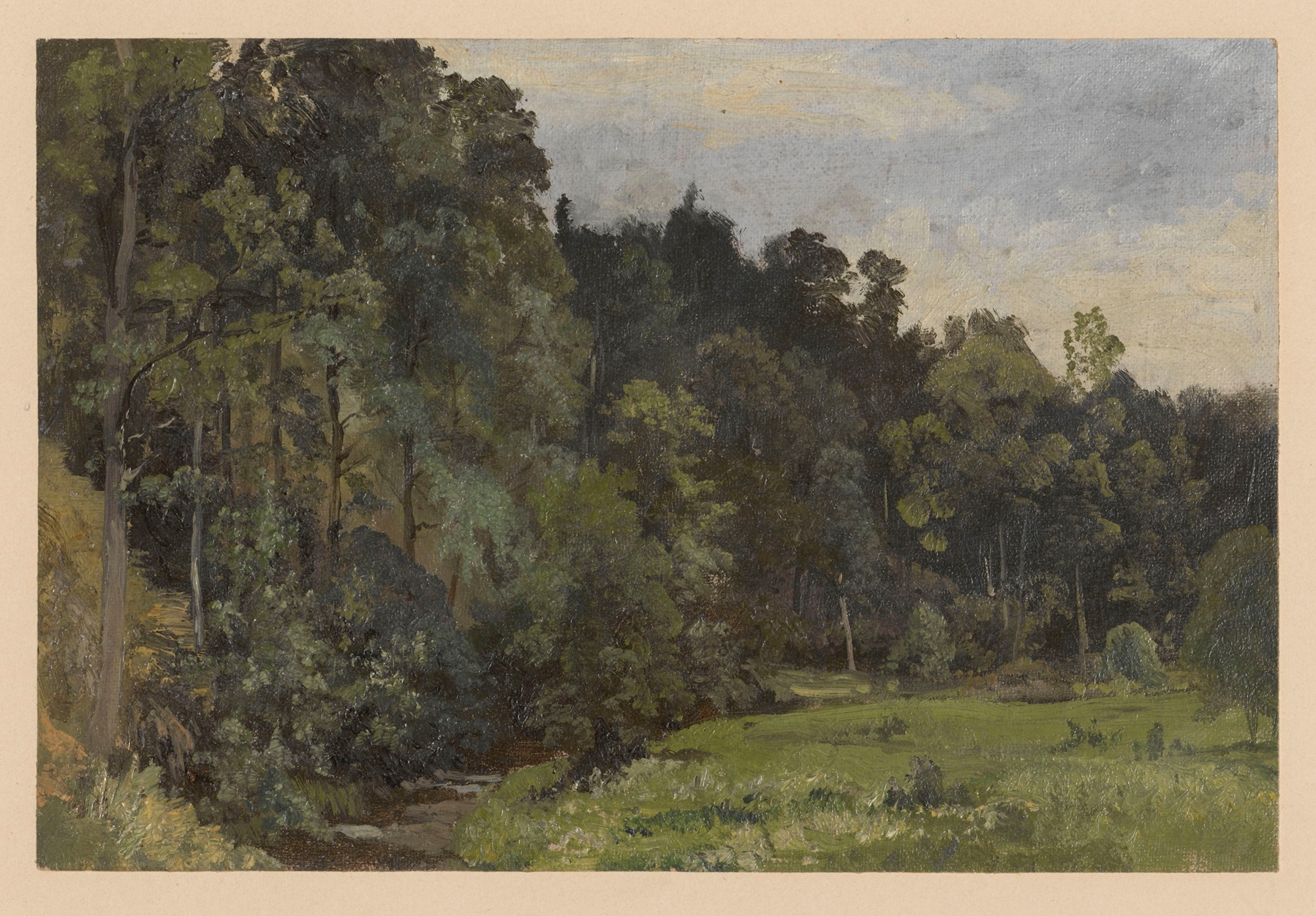
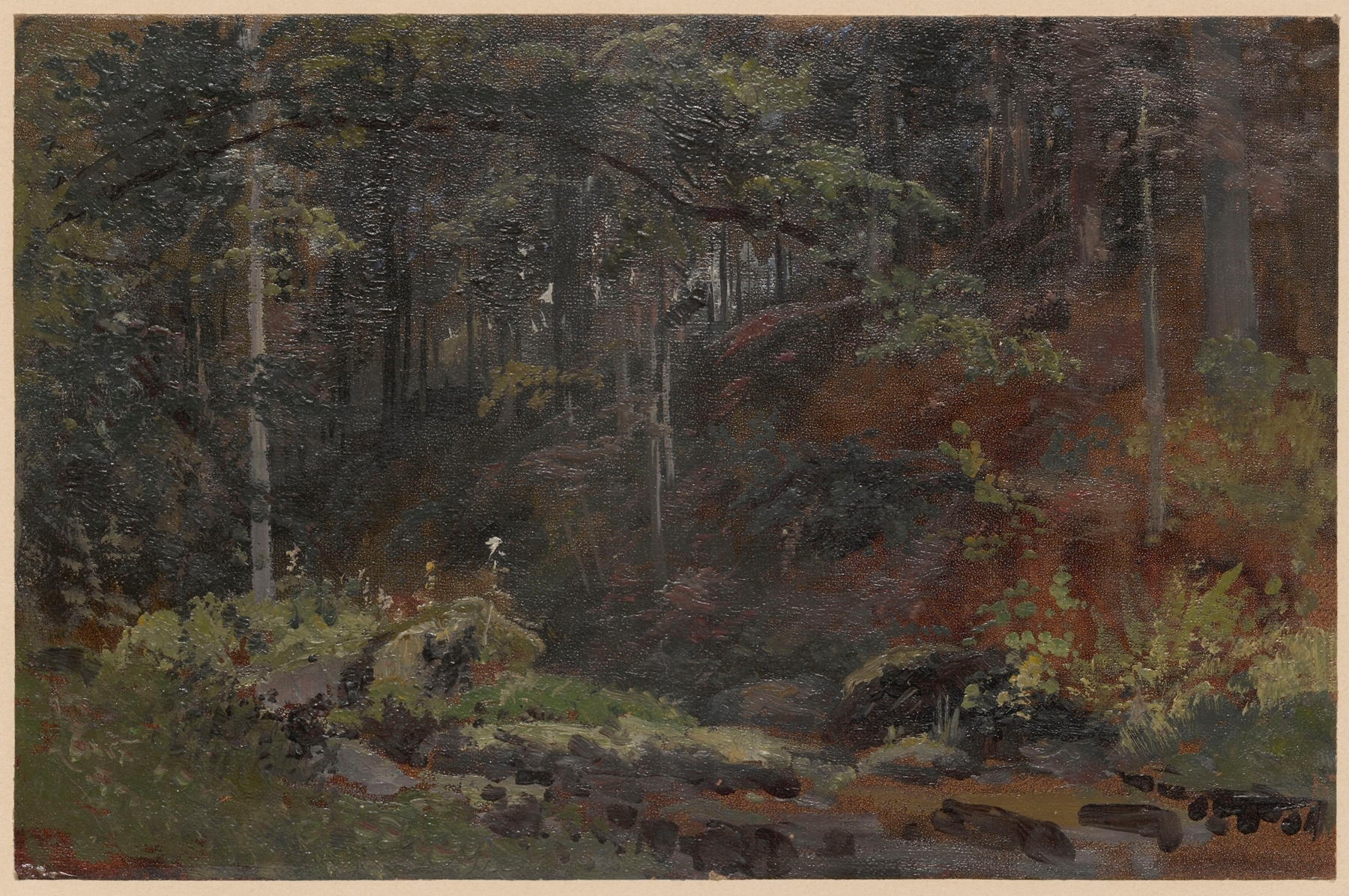
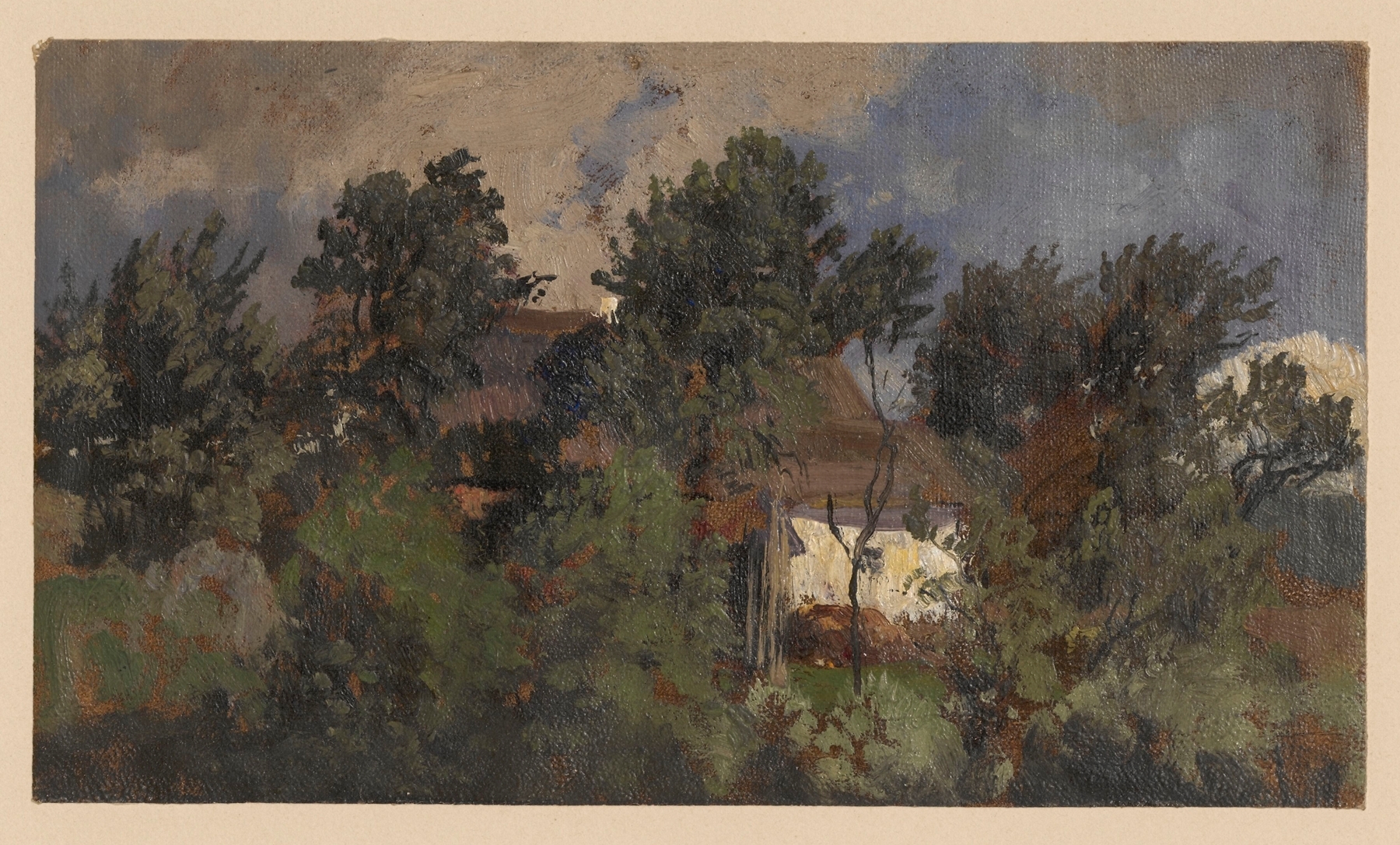
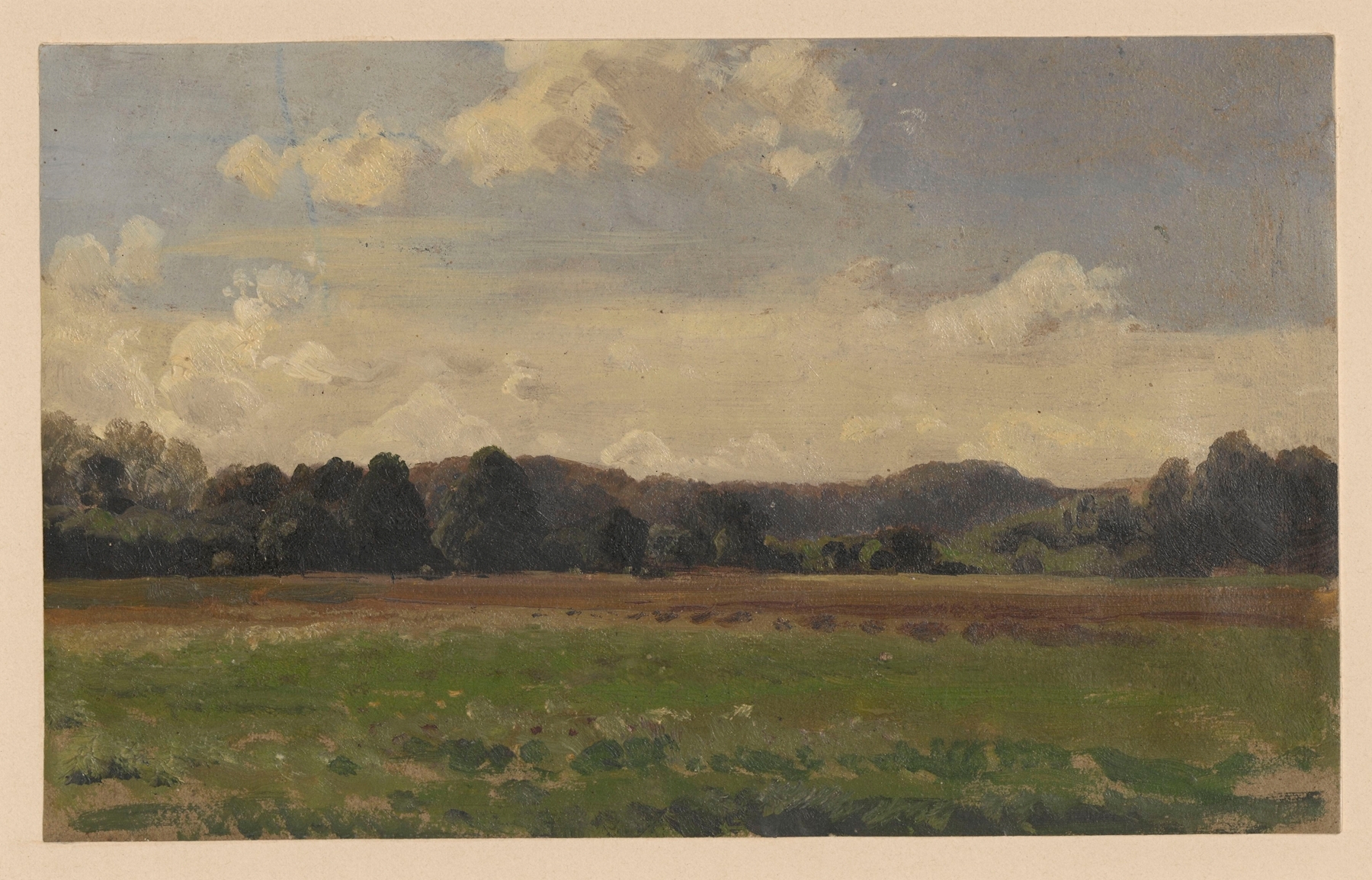
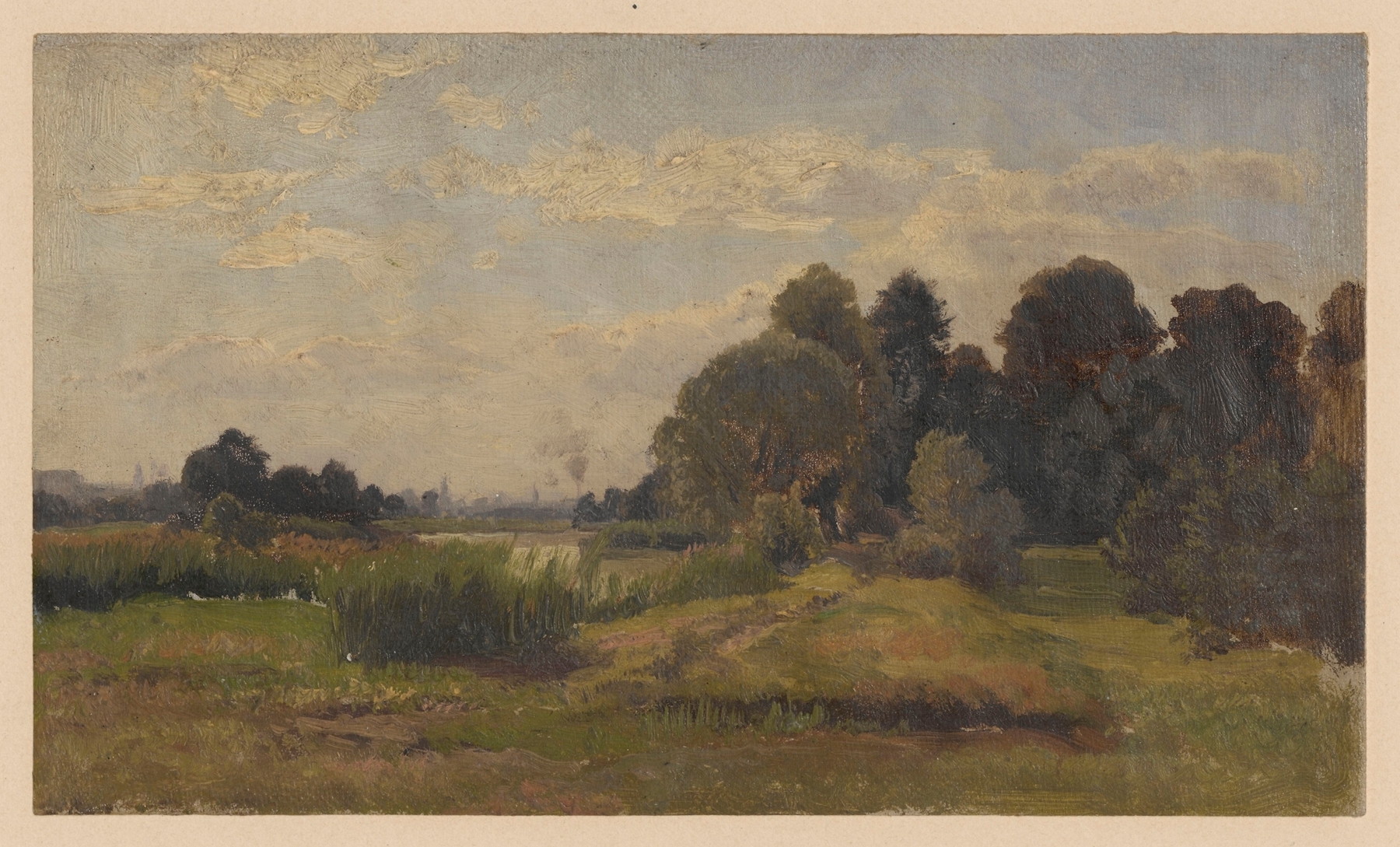
“Under the brush, chaos becomes grace.” In By the River Barycz, grief flows like water, shaping the landscape and the heart alike. Look to the foreground, where a delicate interplay of blues and greens draws the eye to the river's gentle curve. Notice how the sunlight dances upon the water's surface, shimmering with a soft, ethereal glow. The trees stand sentry along the bank, their leaves whispering secrets in the breeze, framing the scene with a sense of quiet reverence.
Each stroke of the brush reveals Dressler’s skillful hand, transforming a moment into an invitation to linger in the melancholic beauty of nature. As you explore further, small details emerge—perhaps a solitary figure lost in thought, or the reflection of the sky in the water, hinting at the depth of sorrow that lingers beneath the serene exterior. The tension between light and shadow speaks to the duality of existence: the joy found in nature's beauty juxtaposed against the weight of personal loss. The serene landscape becomes a vessel for introspection, encapsulating the complex emotions tied to memory and absence.
During the period from 1850 to 1881, Dressler was heavily influenced by the Romantic movement, focusing on emotional depth and the sublime in nature. Living in a time of social and political turmoil in Europe, his work reflected an introspection that resonated with many, capturing both the beauty and transient nature of life. This painting emerged from those years, a testament to the artist's ability to convey profound feelings through landscape, reminding viewers of the delicate balance between joy and grief.