View of Przesieka — History & Analysis
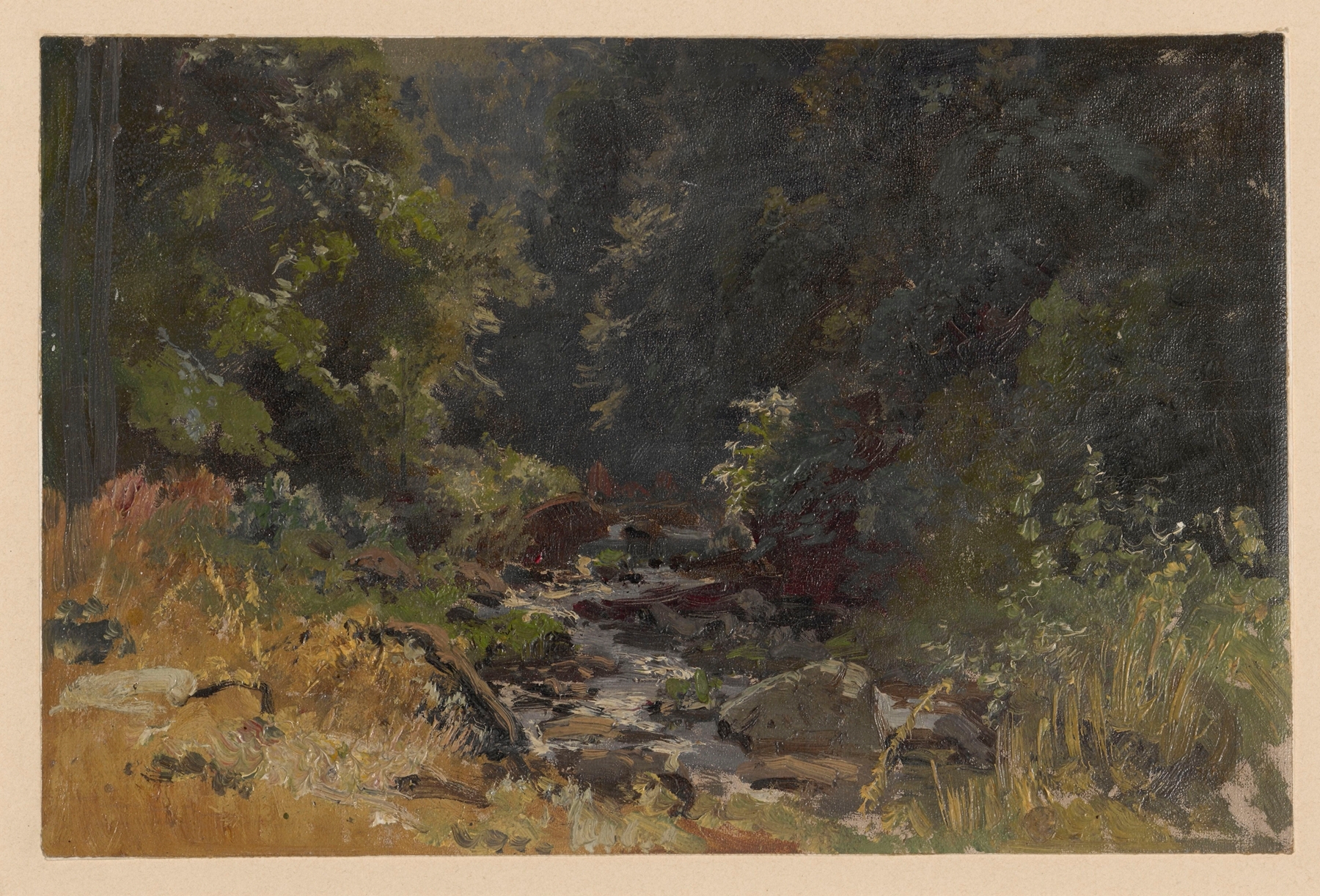
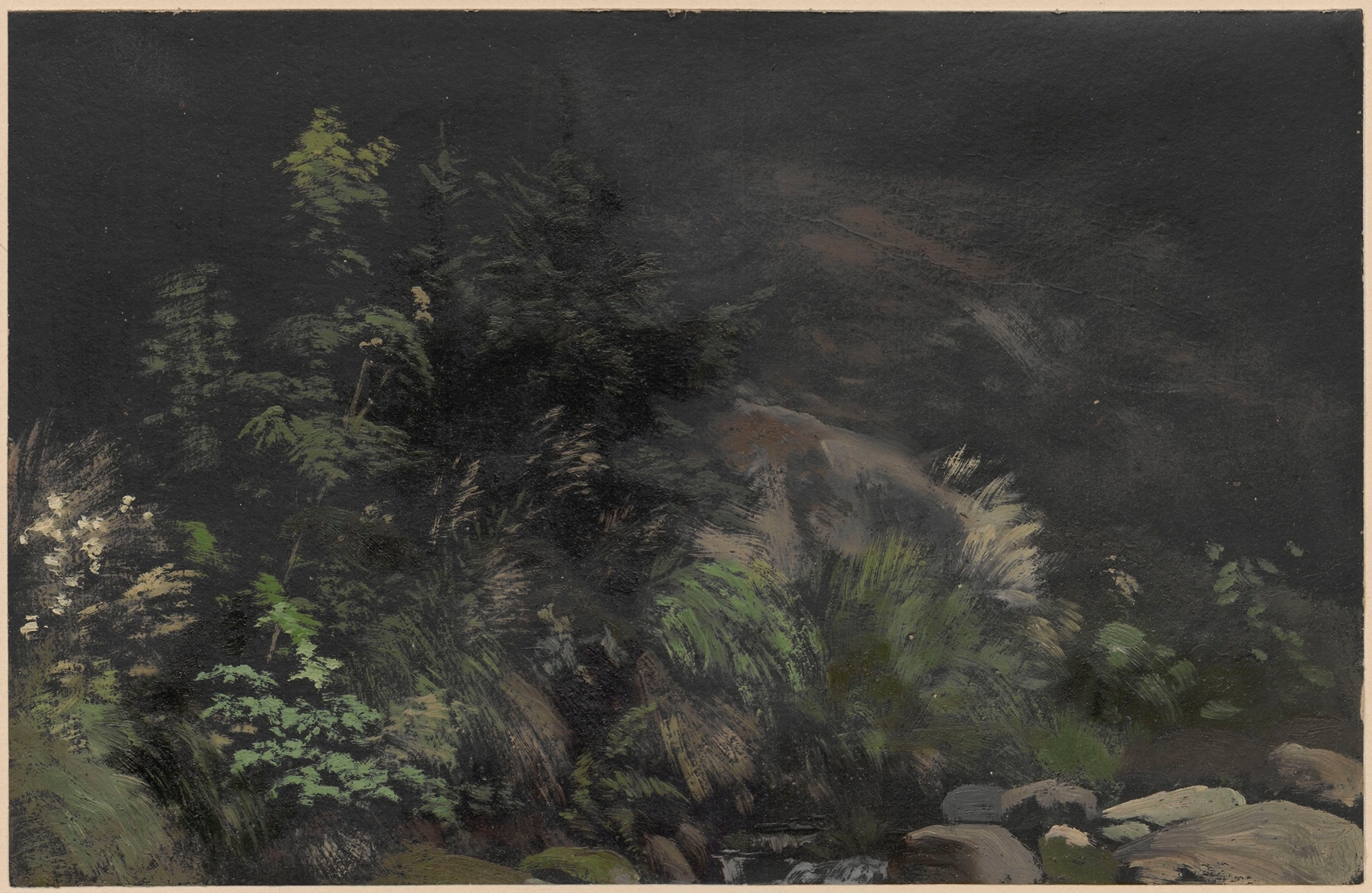
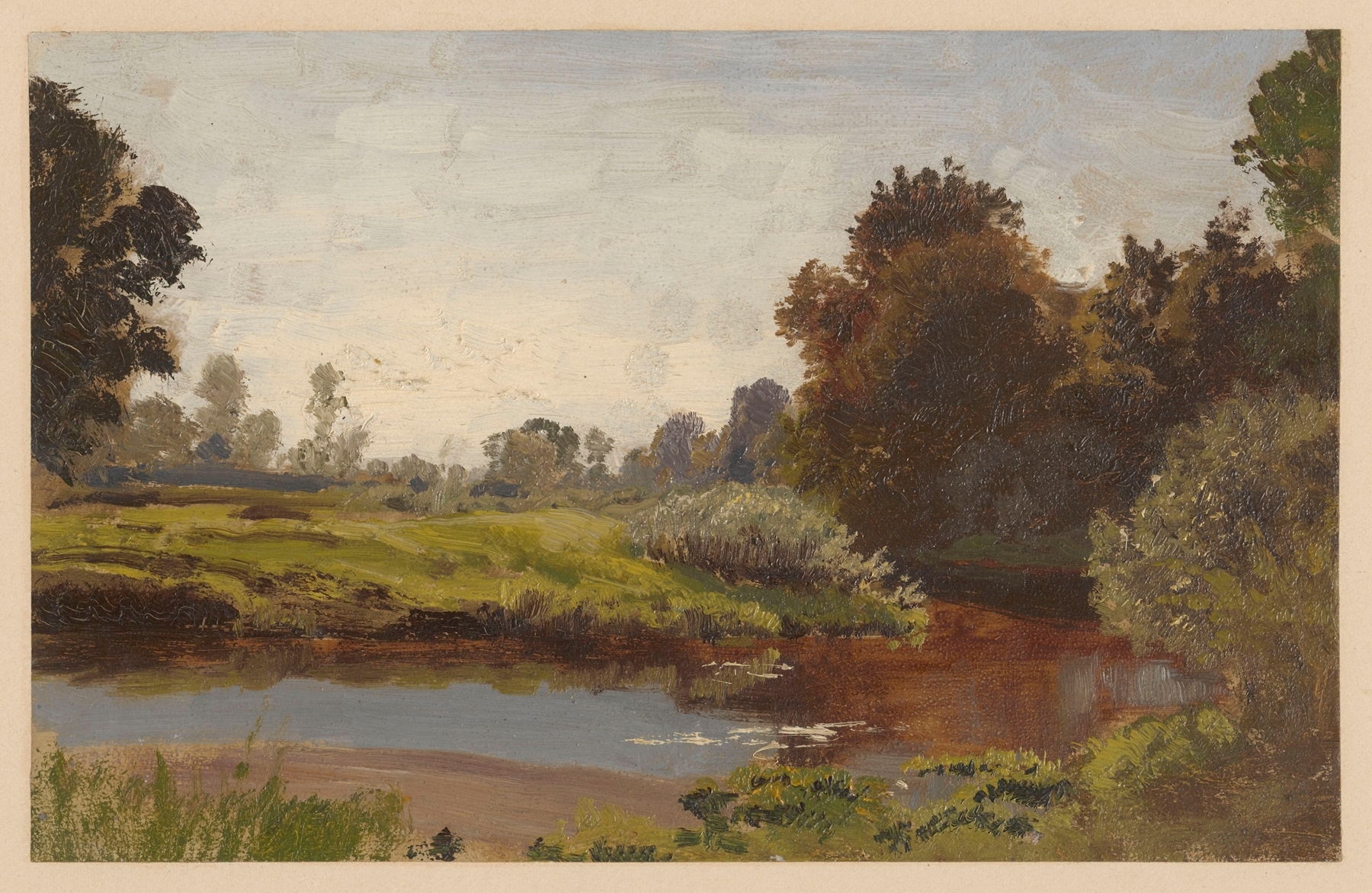
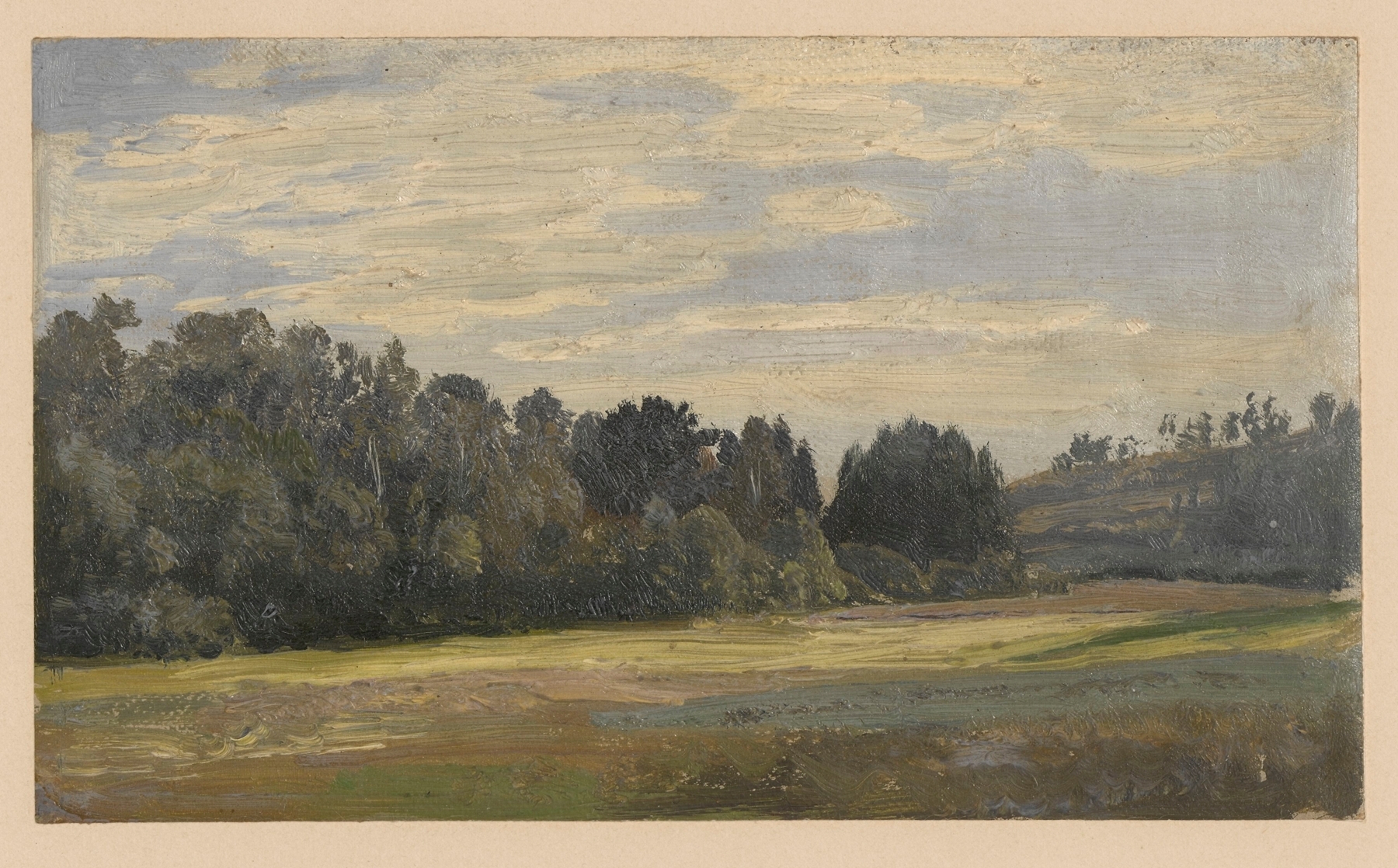
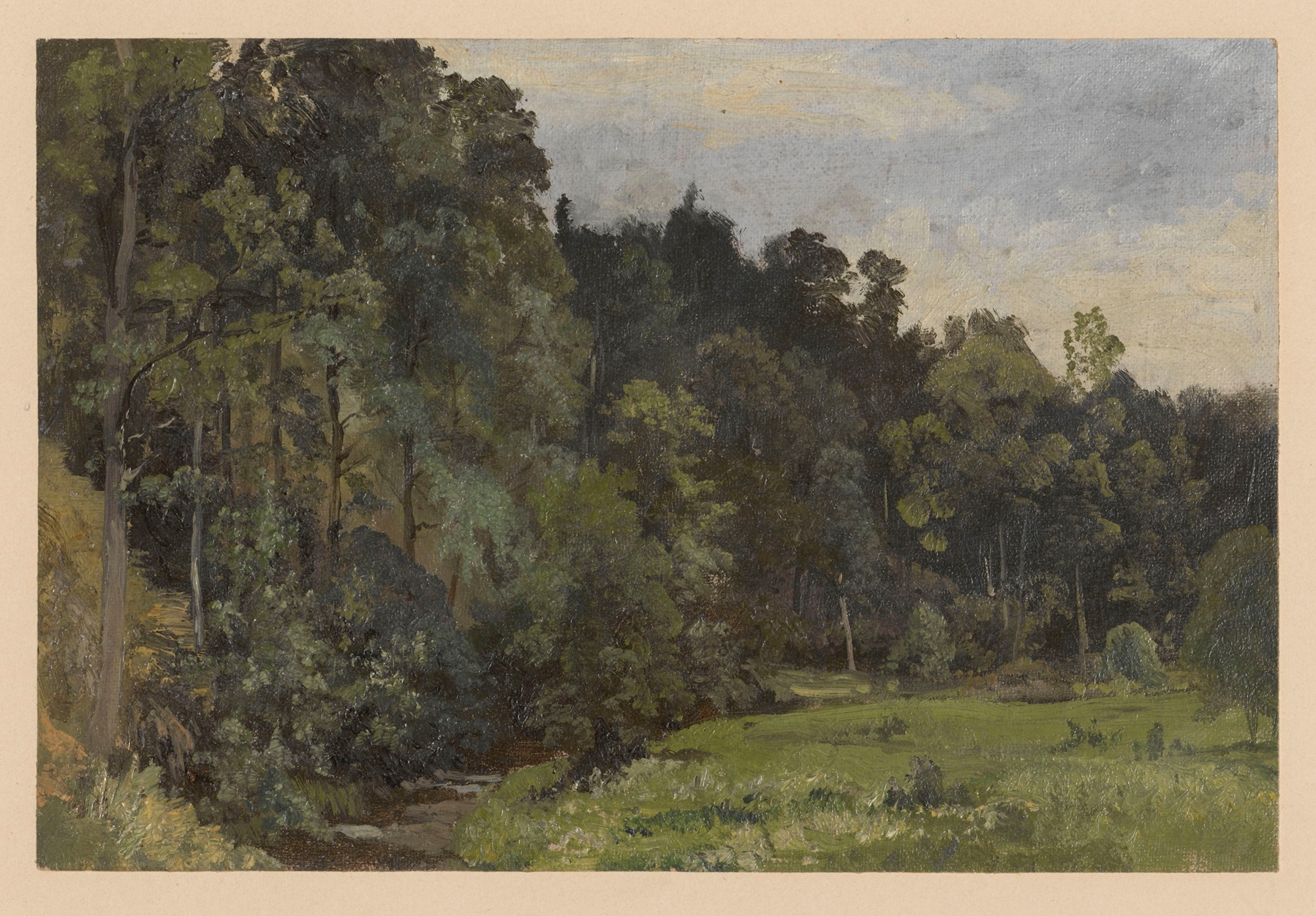
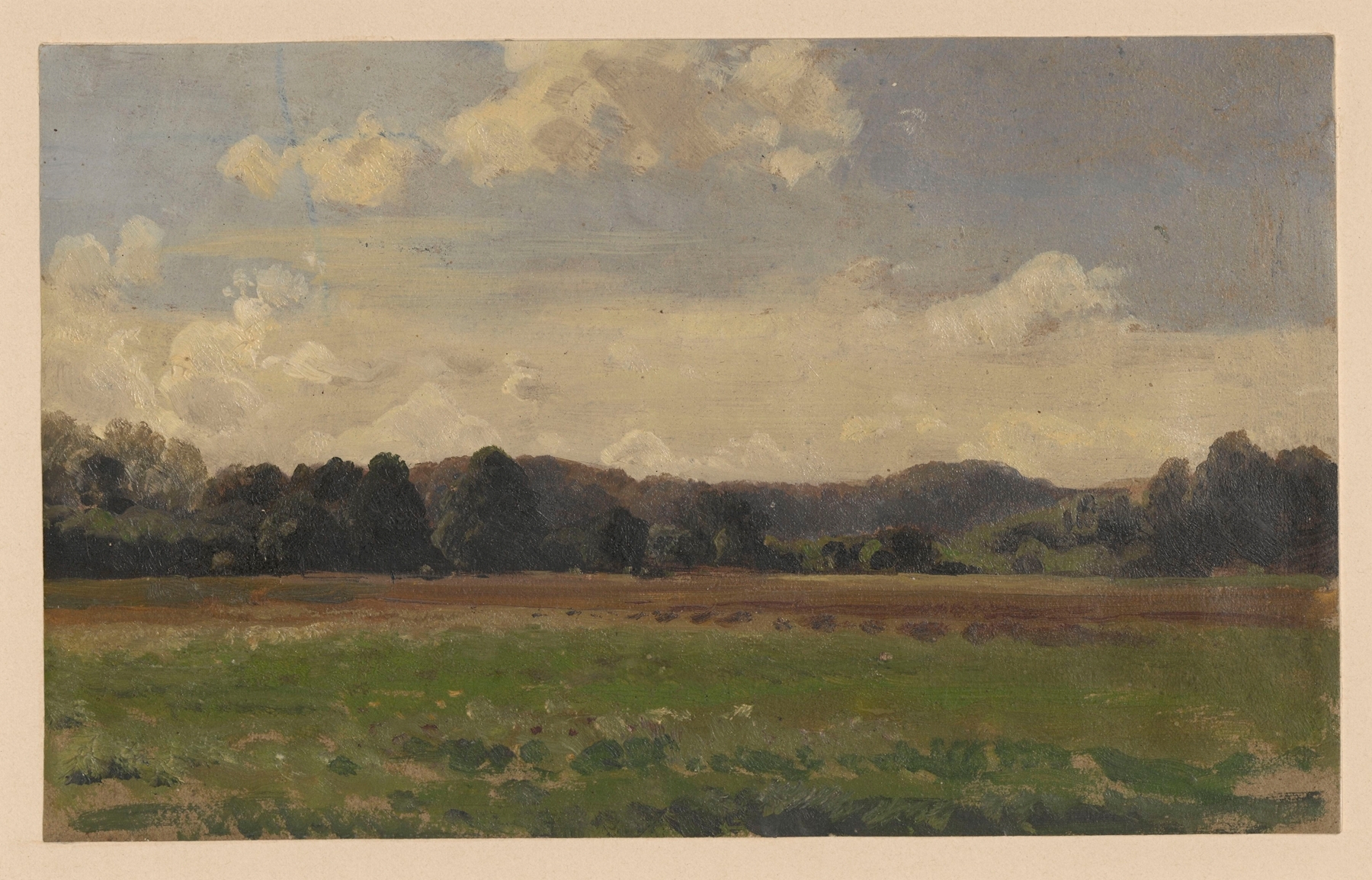
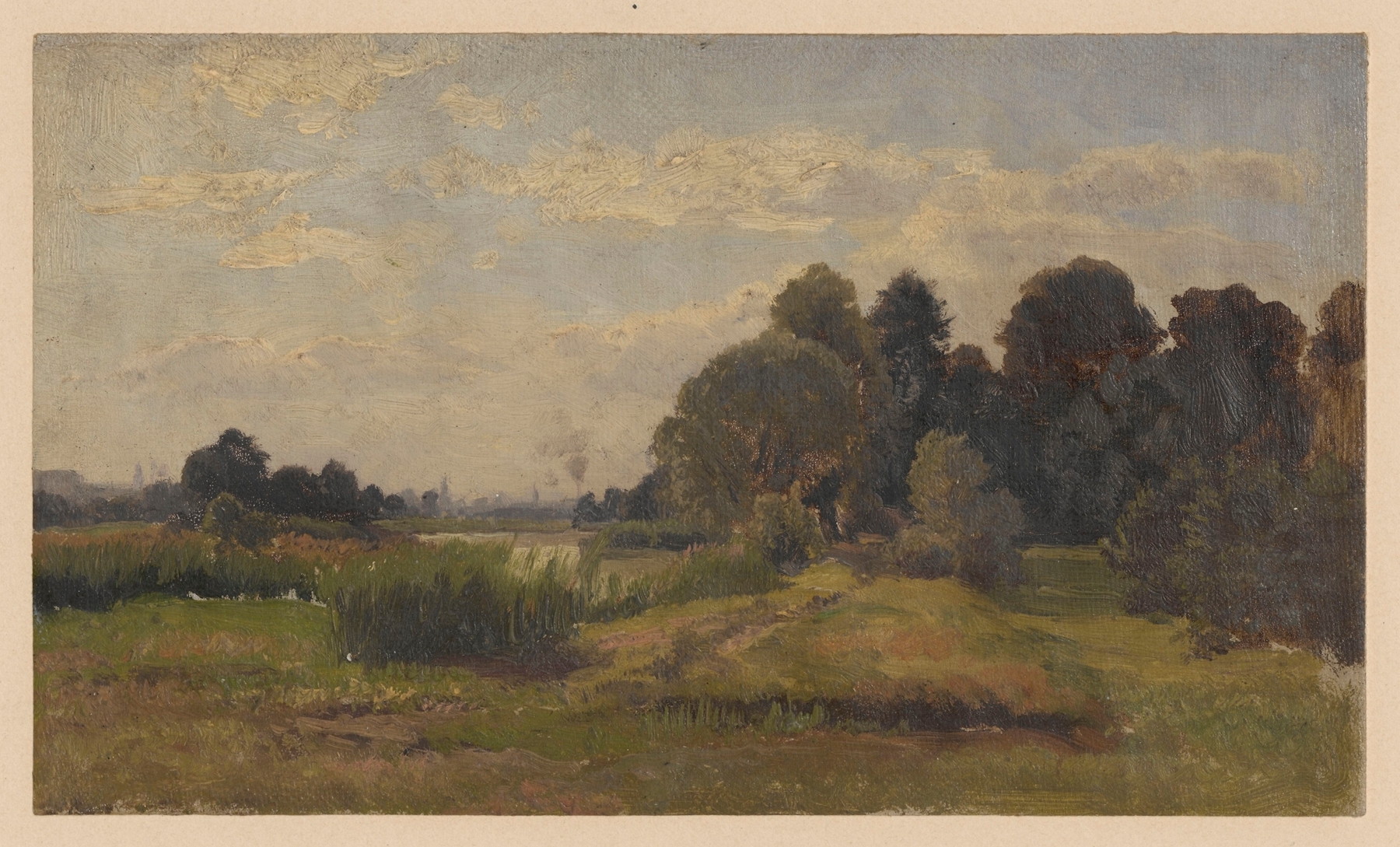
“Between color and silence, truth hides.” Memory hangs like a fragile thread, weaving through each vibrant hue and whispering brushstroke, inviting us to linger in its embrace. In View of Przesieka, the artist captures an ephemeral moment, blending memory with nature’s canvas, revealing the essence of life itself. Look to the left where a cascade of greens erupts, each stroke a testament to the lush foliage that envelops the viewer. The eye is drawn to the serene river winding gracefully through the landscape, its surface reflecting the sky's gentle blues and ochres.
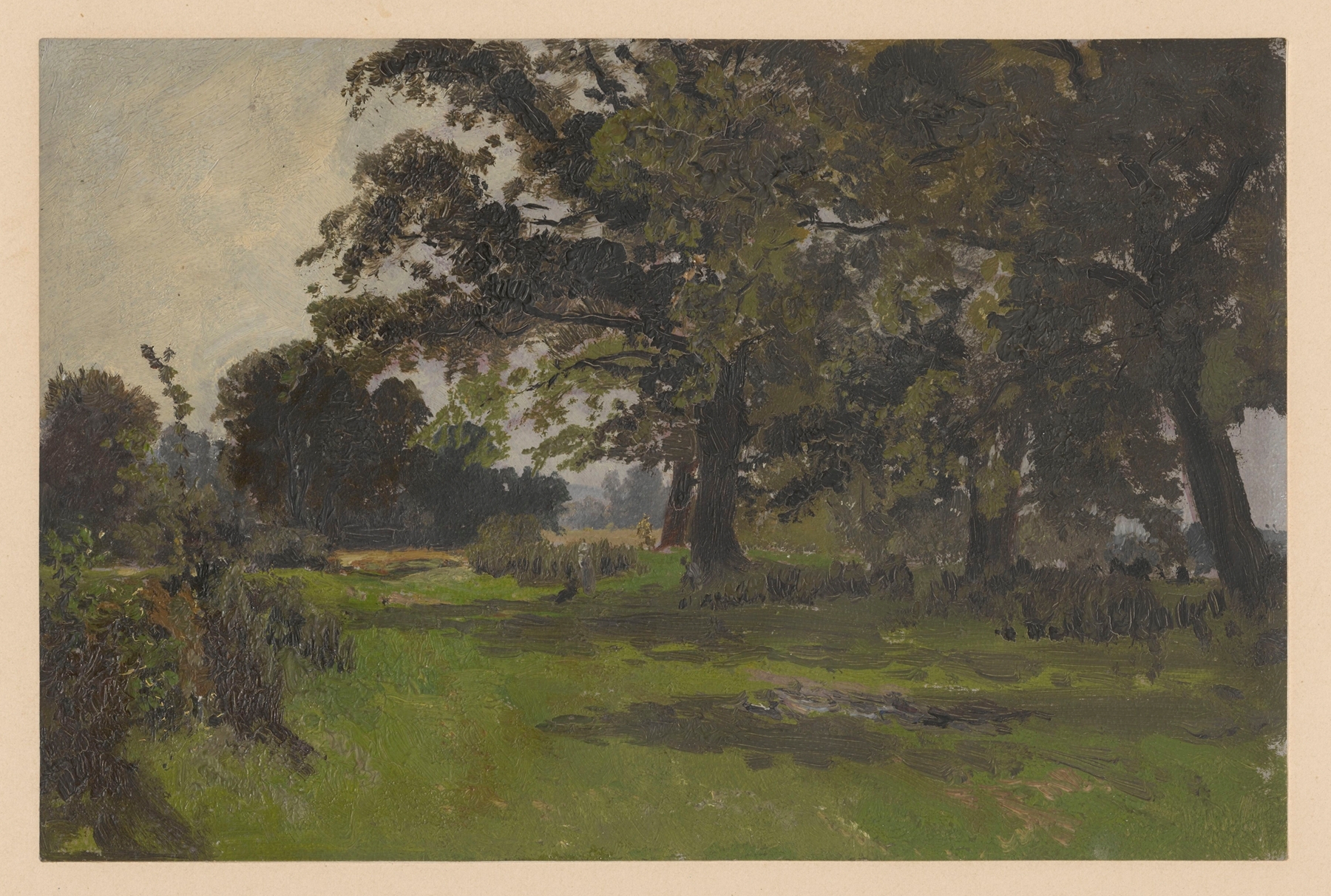
The composition, almost symphonic, balances vibrant pigments with tranquil spaces, evoking a sense of peace and nostalgia that invites exploration. Within this idyllic scene lies a deeper tension between memory and reality. The vibrant greens suggest growth and vitality, yet the muted sky hints at an impending dusk, a reminder that all moments are transient. Small figures dot the landscape, perhaps a family or solitary wanderer, embodying the fleeting nature of human experience, eternally intertwined with the natural world.
Each element resonates, urging the viewer to ponder their own memories in the presence of this tranquil scene. Adolf Dressler painted View of Przesieka during a period (1850-1881) marked by a burgeoning interest in landscape as a subject within the Romantic movement. At this time, he was exploring themes of nature and human emotion, amidst a changing European art landscape. His engagement with the picturesque reflects a broader cultural fascination with the beauty of untouched landscapes, captured through a personal lens of memory and nostalgia.