Plants on rocks — History & Analysis
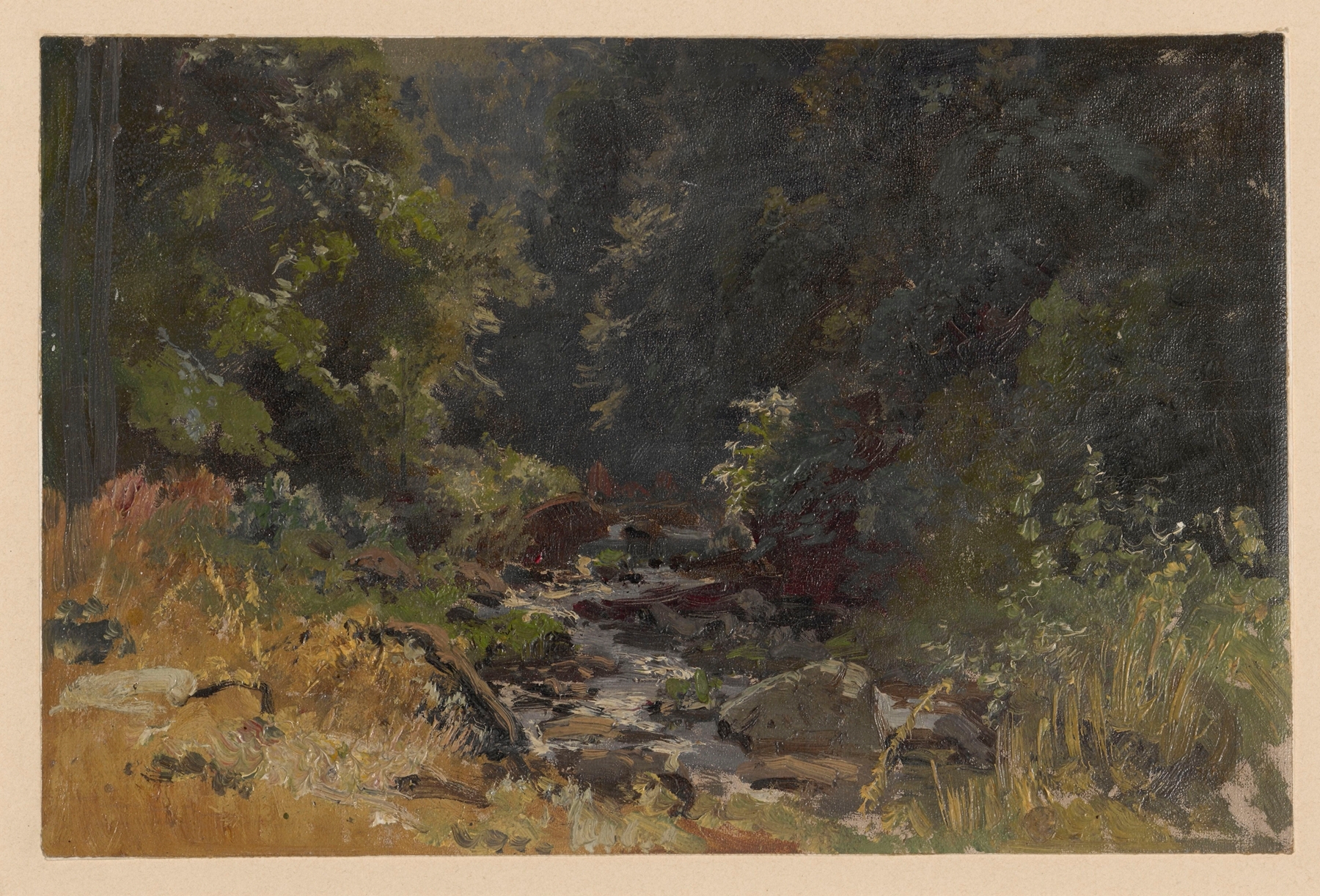
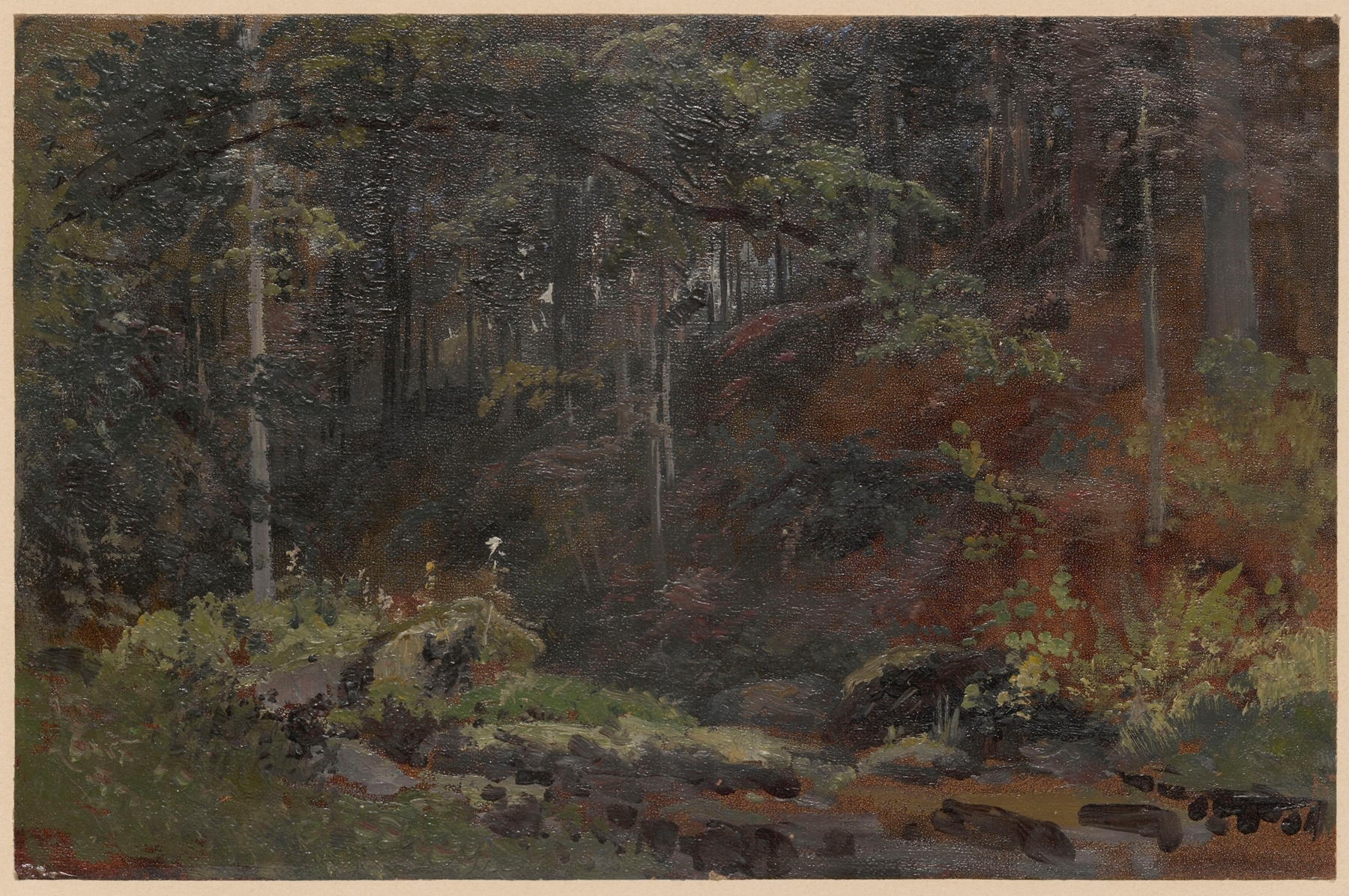
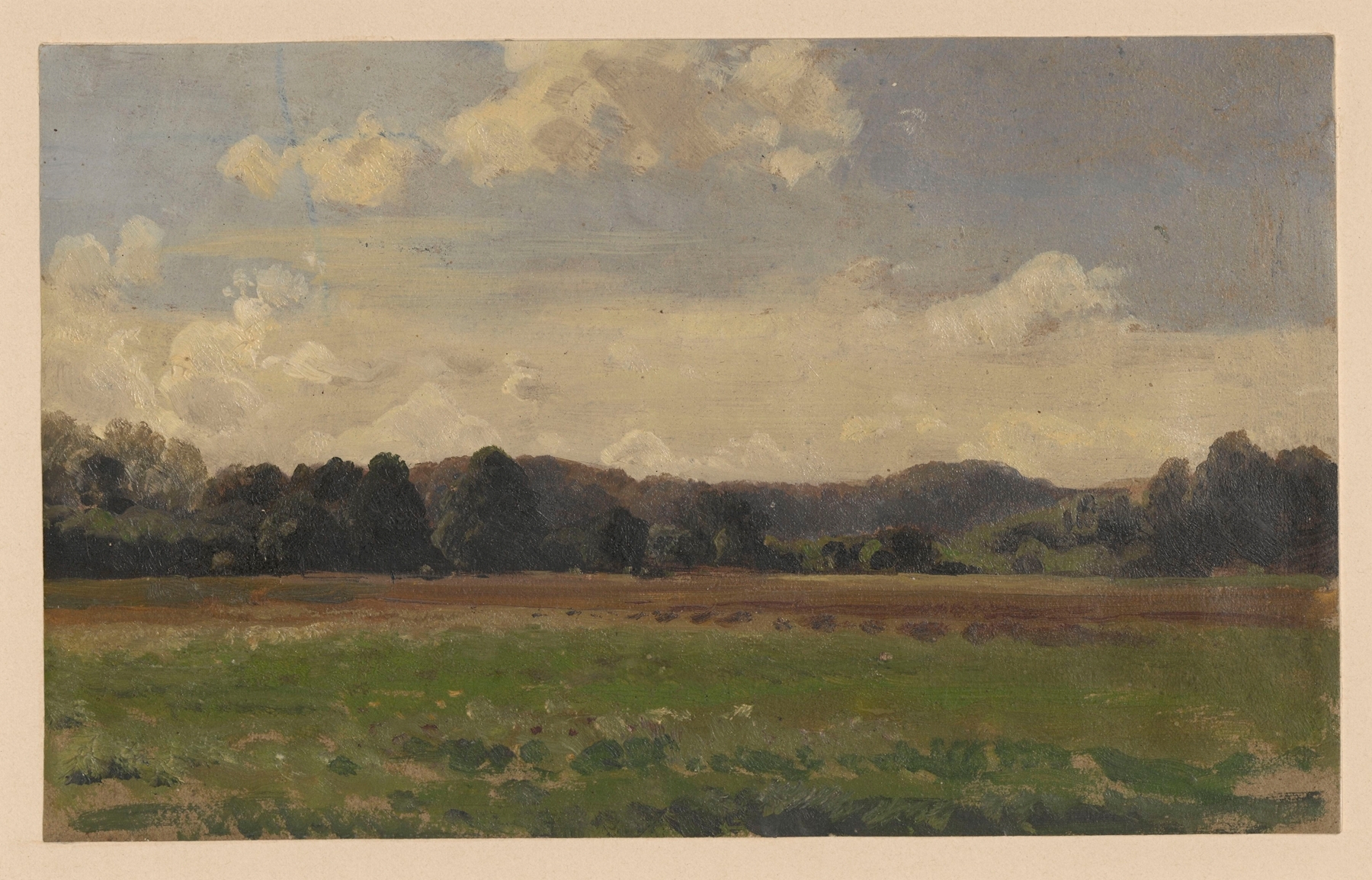
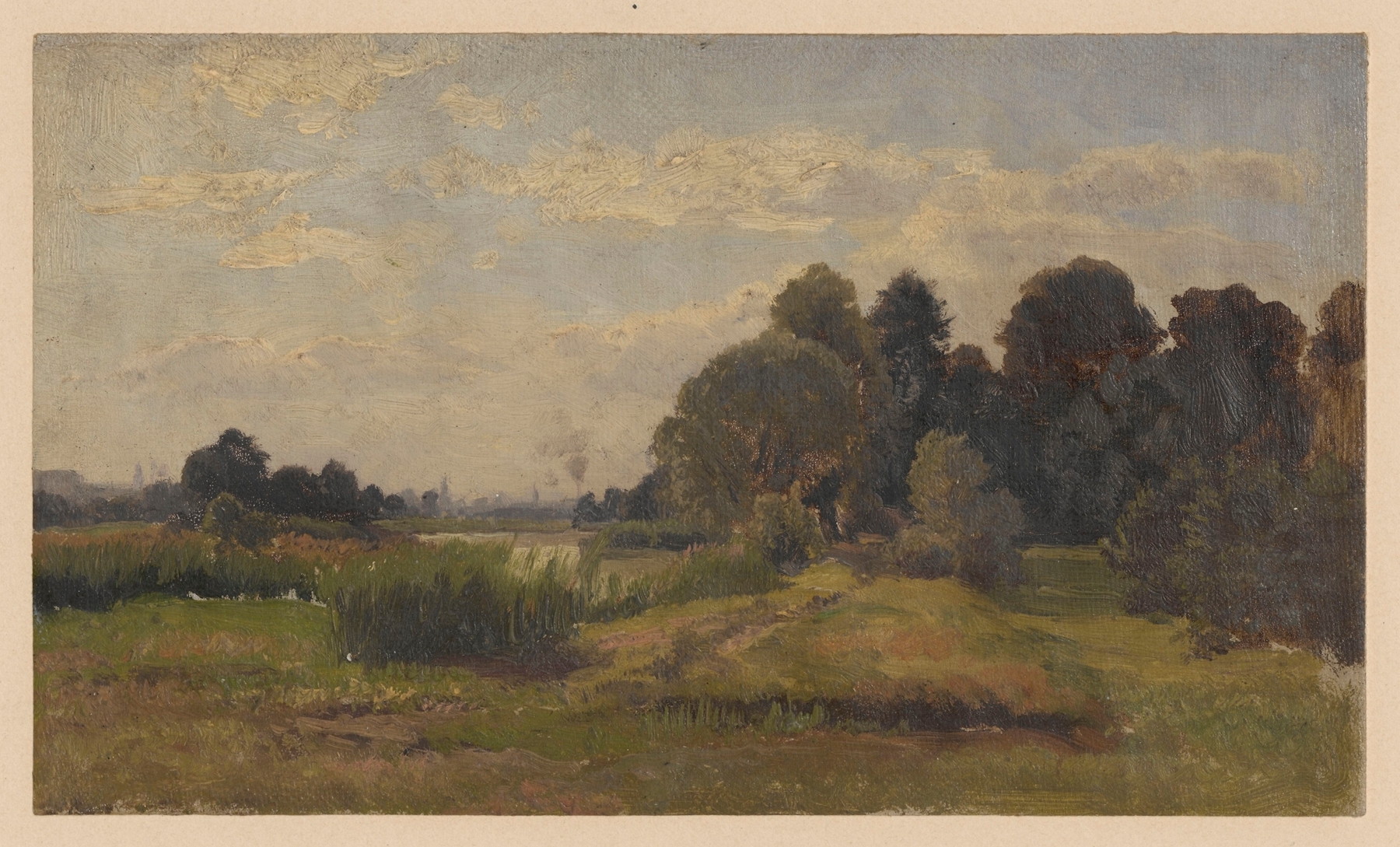
What if silence could speak through light? In Plants on Rocks, delicate moments of nature unfold, capturing the essence of stillness and the quiet whispers of the natural world. Look to the foreground, where sunlight pours over the rugged stones, illuminating the vibrant hues of the plants clinging tenaciously to their rocky home. The interplay of light and shadow draws the eye upward, revealing intricate textures that dance between softness and solidity.
The muted earth tones contrast beautifully with the bright greens, creating a harmonious balance that invites a contemplative gaze. Each brushstroke reveals a deeper narrative: the resilience of life against harsh conditions, and an invitation to reflect on our own tenacity. The slight bend of the plants suggests a subtle interaction with a gentle breeze, while the stillness of the rocks emphasizes the struggle between growth and stagnation. This tension resonates with the viewer, exploring themes of survival and the quiet beauty found in the overlooked corners of nature.
Adolf Dressler painted Plants on Rocks during a period marked by a growing interest in realism and an appreciation for the simplicity of natural landscapes. Between 1850 and 1881, the artist, based in Germany, sought to capture the raw beauty of his surroundings, often focusing on the intricate details that characterize rural life. This work reflects not only his mastery of light and texture but also the broader artistic movement of his time, as painters began to move away from idealized beauty towards a more honest representation of nature.