Forest stream II — History & Analysis
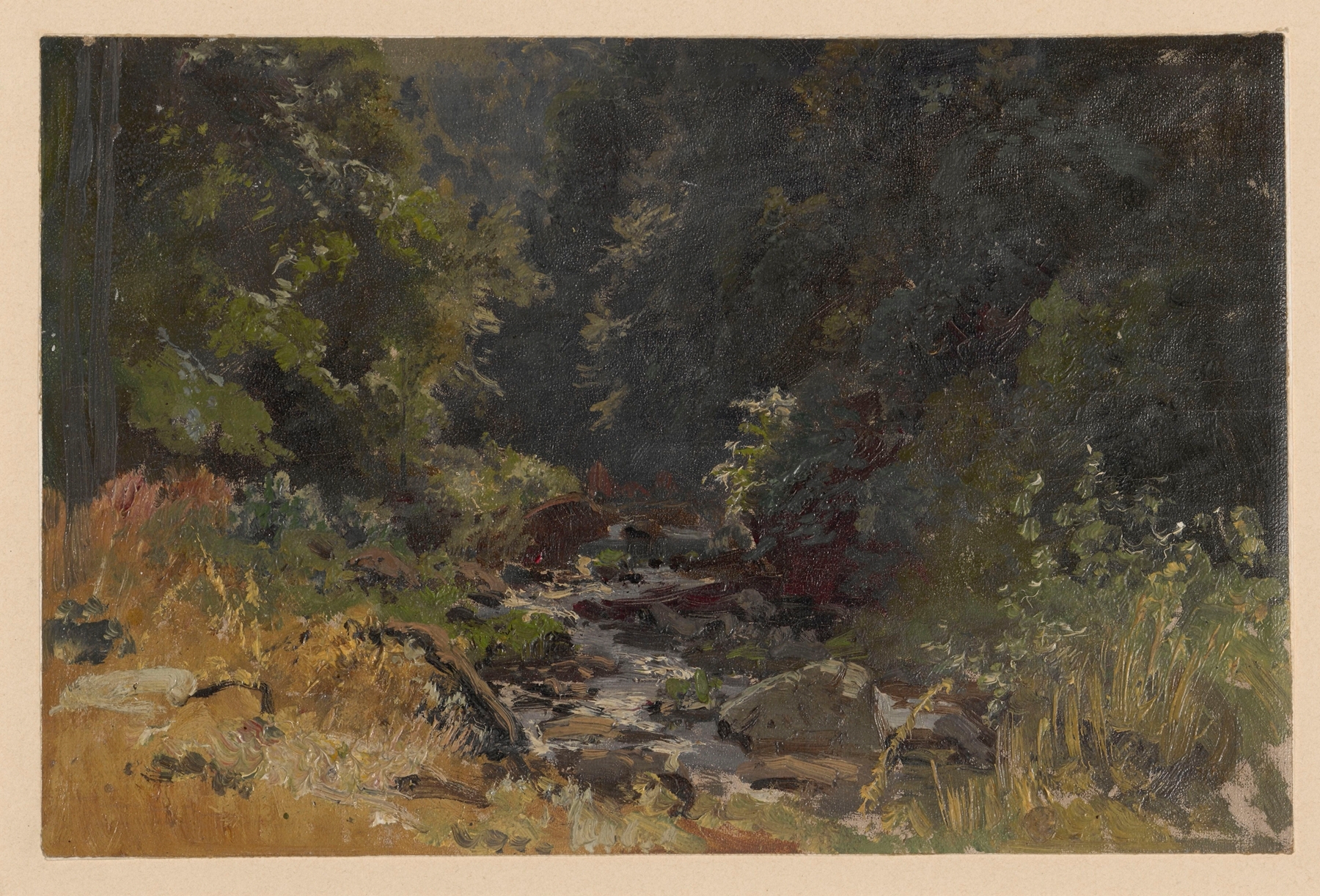
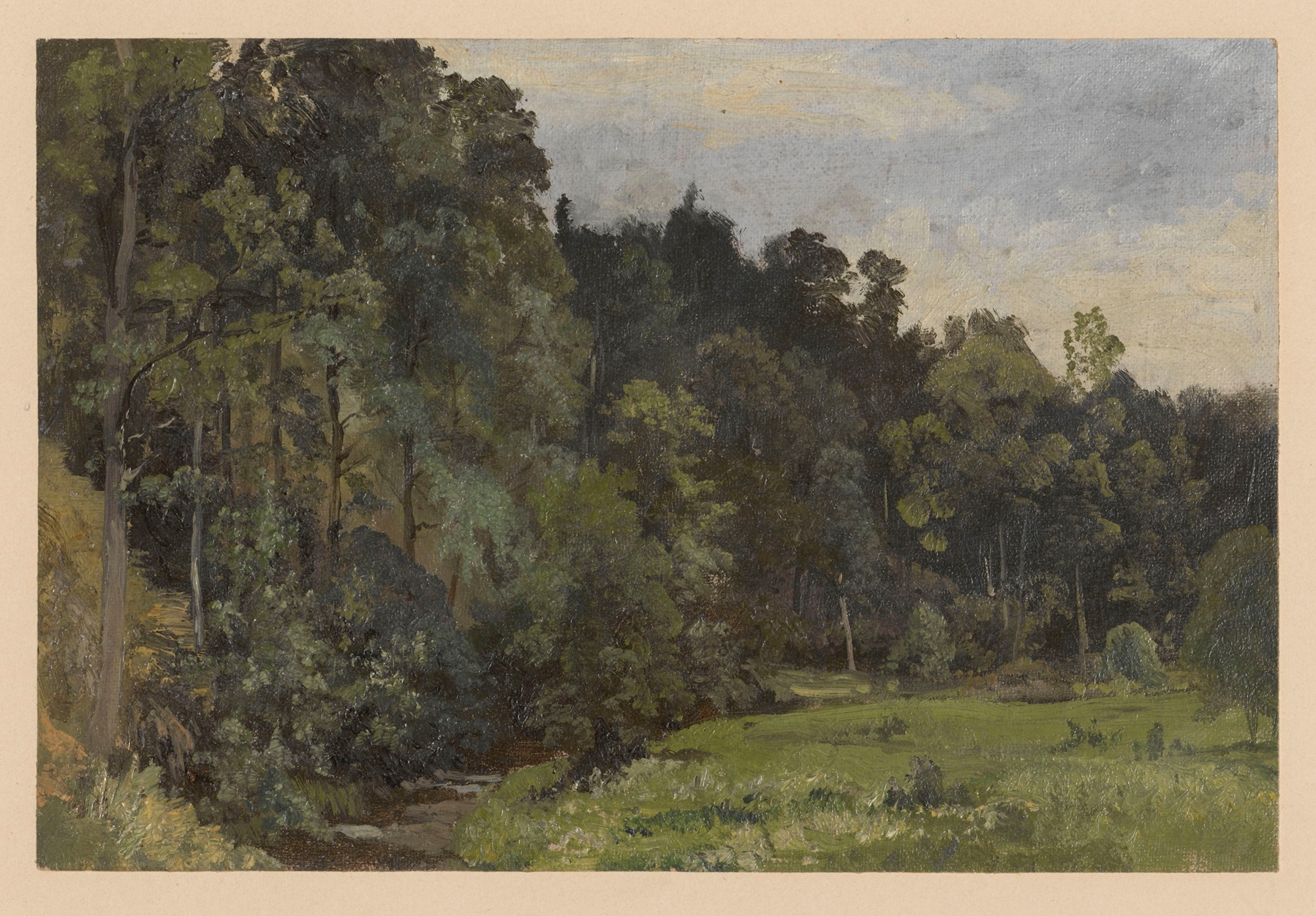
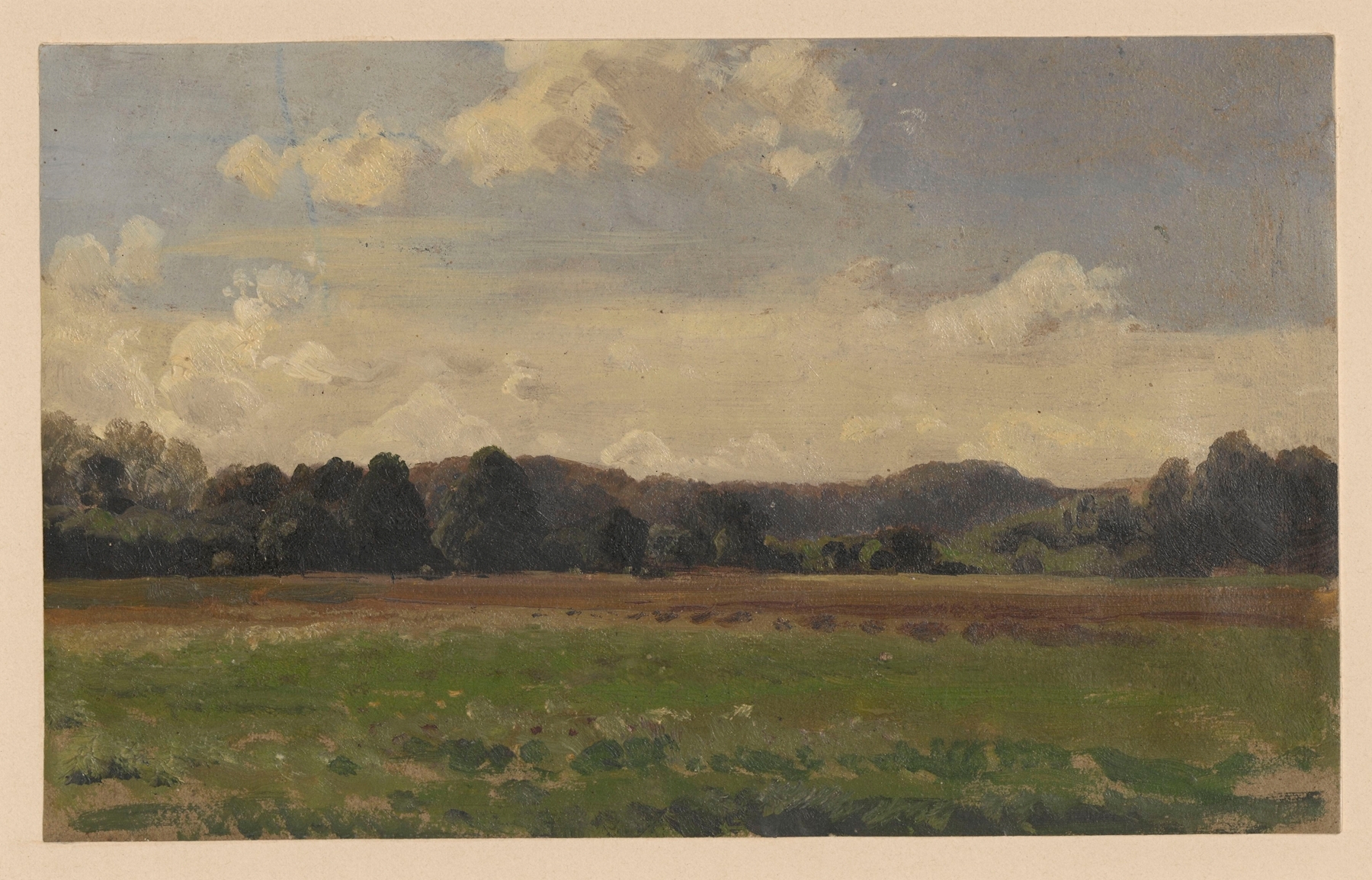
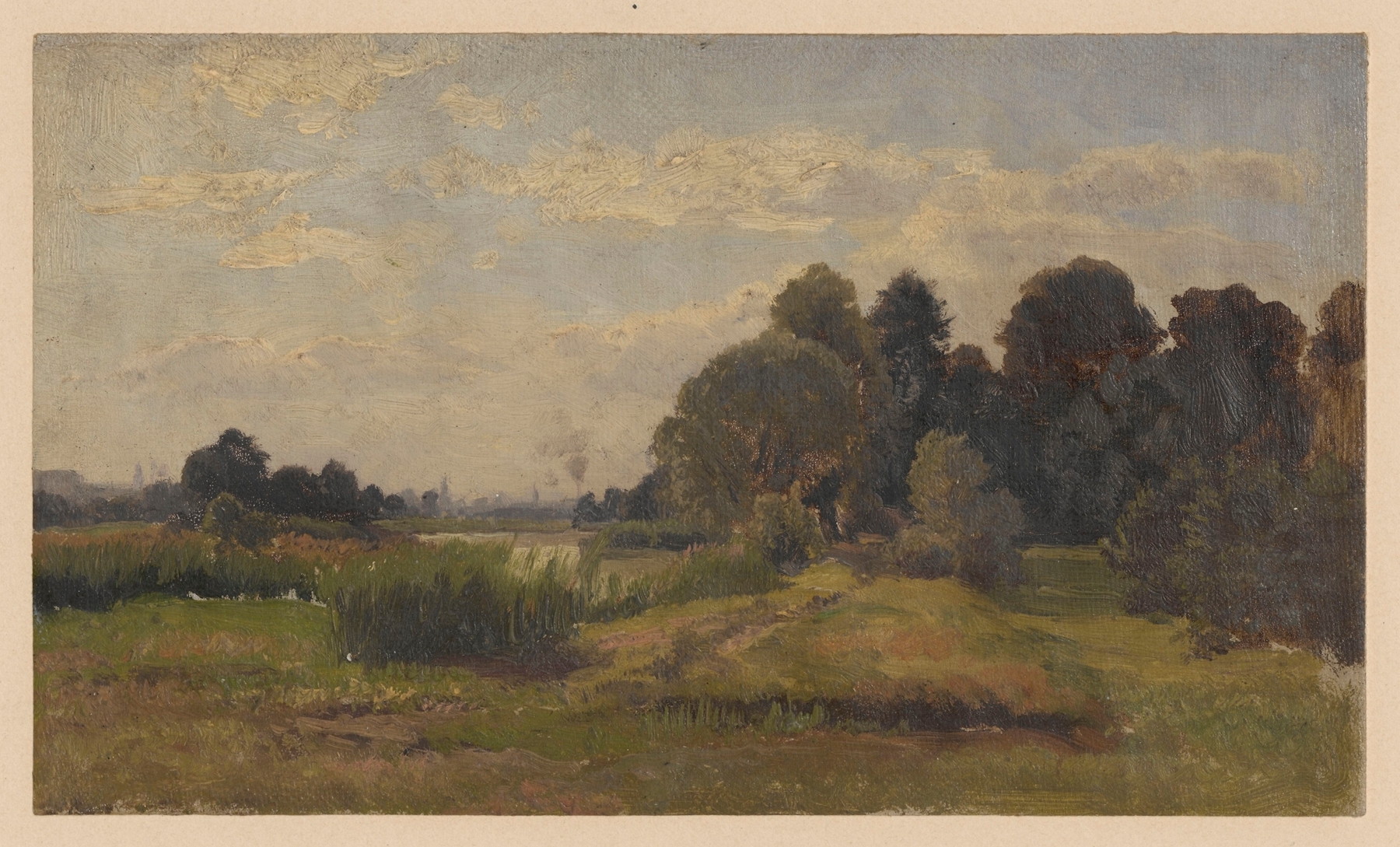
“Between color and silence, truth hides.” In the stillness of nature, hope whispers softly, waiting to be discovered in the gentle embrace of a forest stream. Look to the foreground, where the crystalline waters mirror a lush, verdant landscape. The delicate brushstrokes convey a sense of movement, as ripples dance across the surface, beckoning the viewer to lean in closer. Notice how the dappled sunlight filters through the canopy above, illuminating patches of vibrant green and earthy browns, creating a harmonious balance between shadow and light.
The palette evokes serenity, inviting an exploration of both the scene and one’s inner world. Yet, beneath this tranquil facade lies a complexity of emotions. The contrasting colors of the cool blues and warm earth tones symbolize the dualities of life — hope amidst despair, clarity amidst chaos. The meandering path of the stream suggests a journey, perhaps a metaphorical passage through hardship toward renewal and growth.
Each element, from the carefully rendered rocks to the gentle bend of the flow, carries a narrative of resilience and the promise of a new beginning. Adolf Dressler created this work between 1850 and 1881, a time when the Romantic movement was in full bloom, celebrating the beauty of nature and individual emotional experiences. Residing in Germany, Dressler was influenced by the landscape paintings of the period, capturing the essence of the natural world while intertwining his own vision of hope and tranquility. This painting stands as a testament to the enduring power of nature to inspire and uplift the human spirit.