View of meadows and wooded hills near Trzebnica — History & Analysis
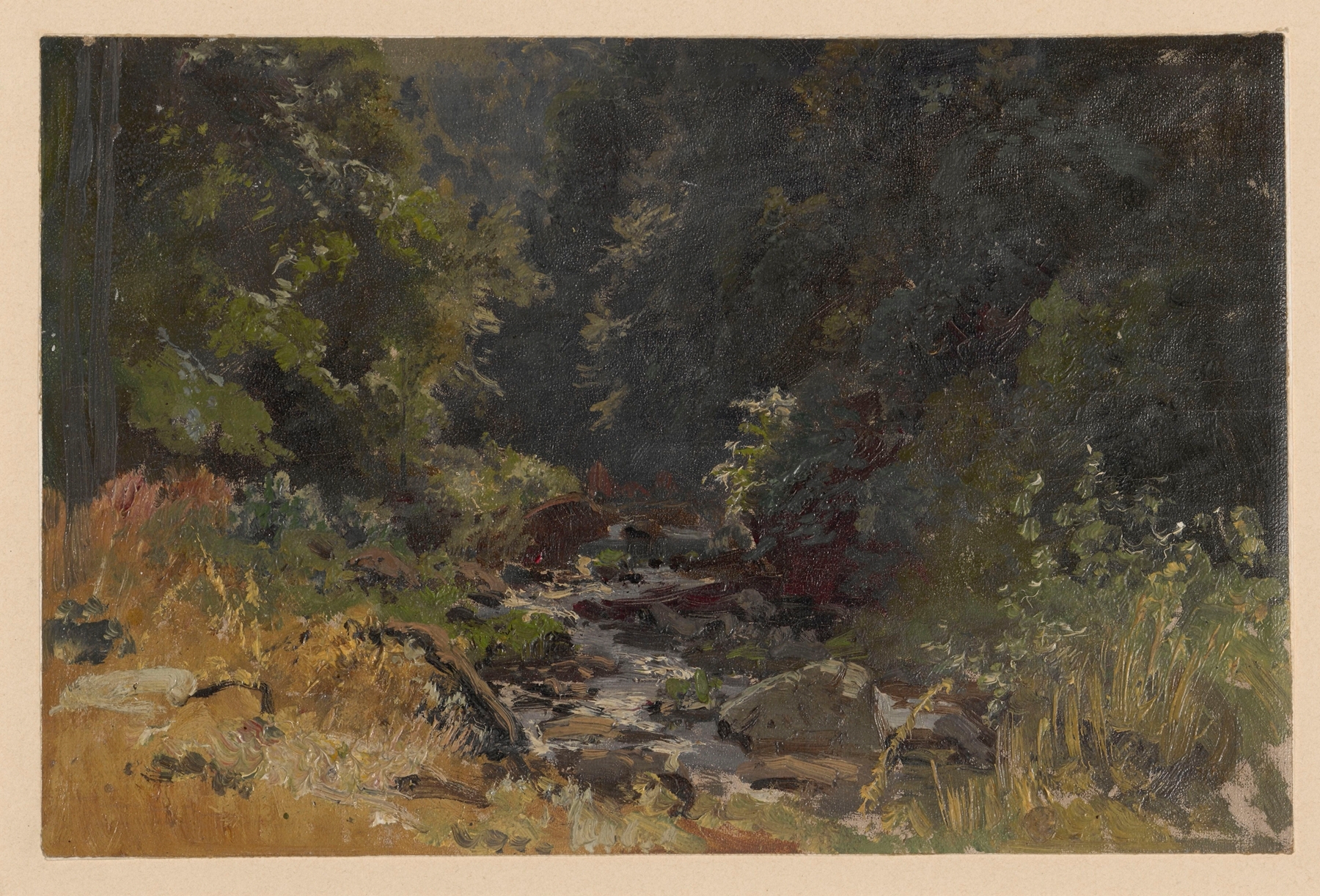
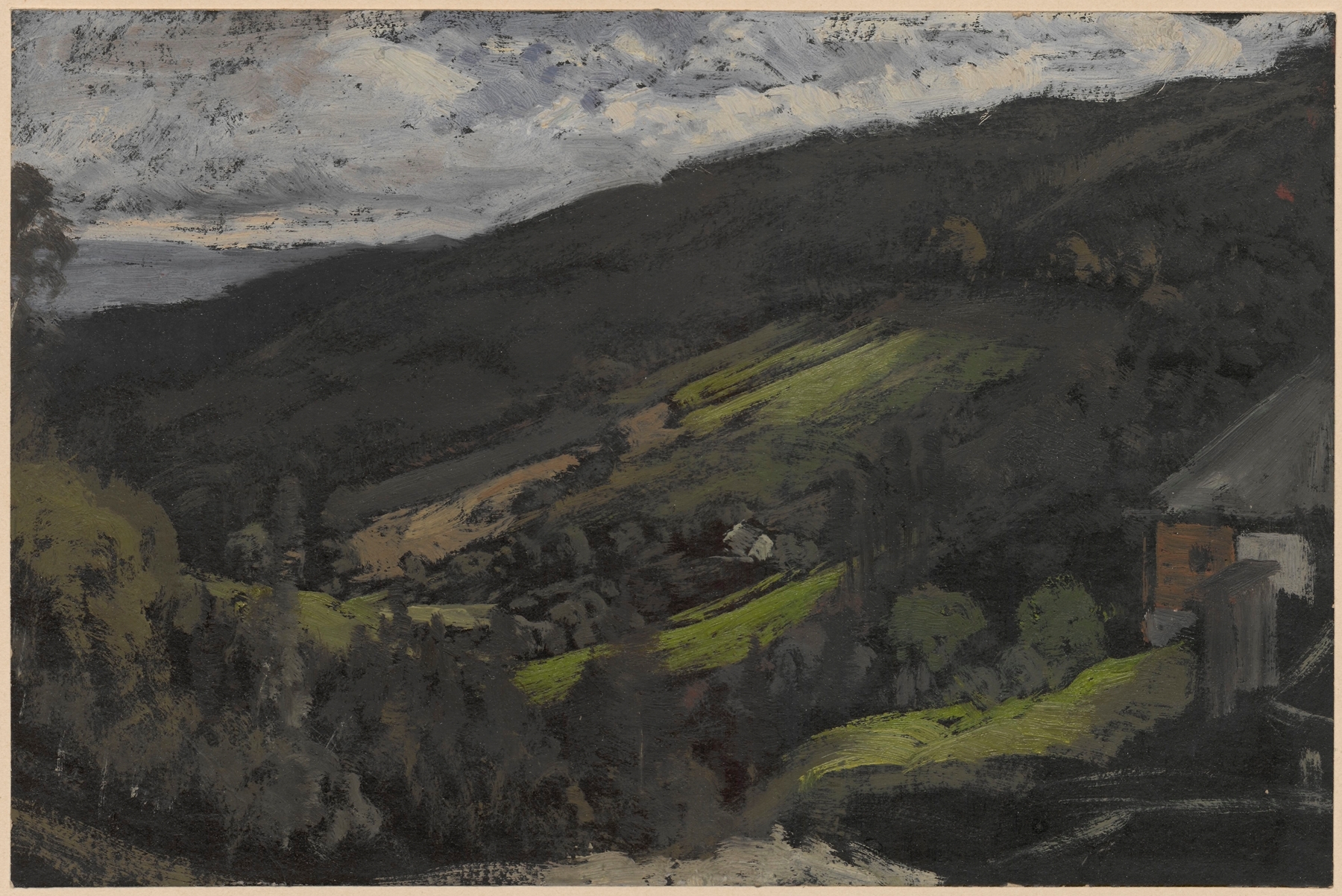
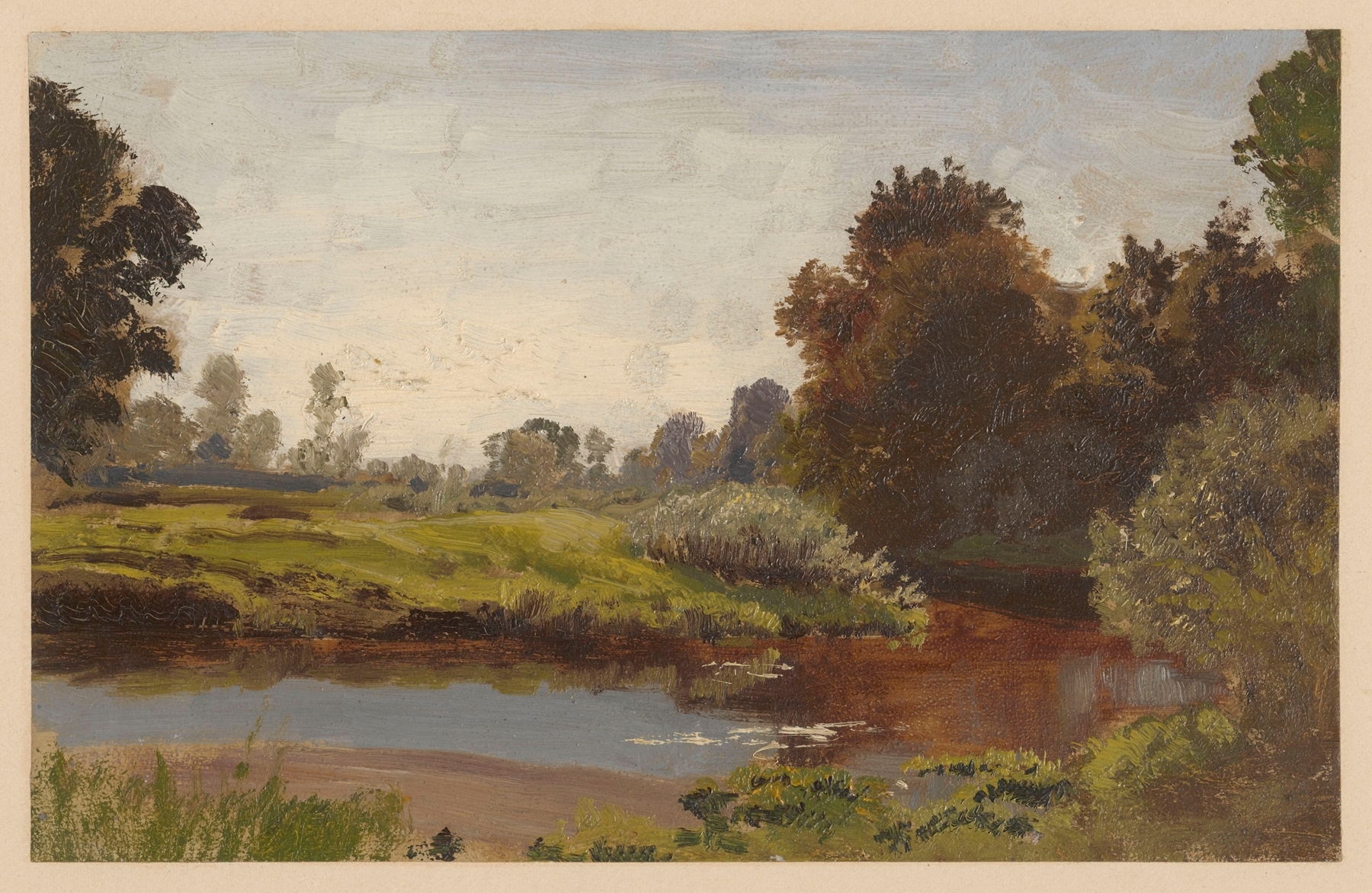
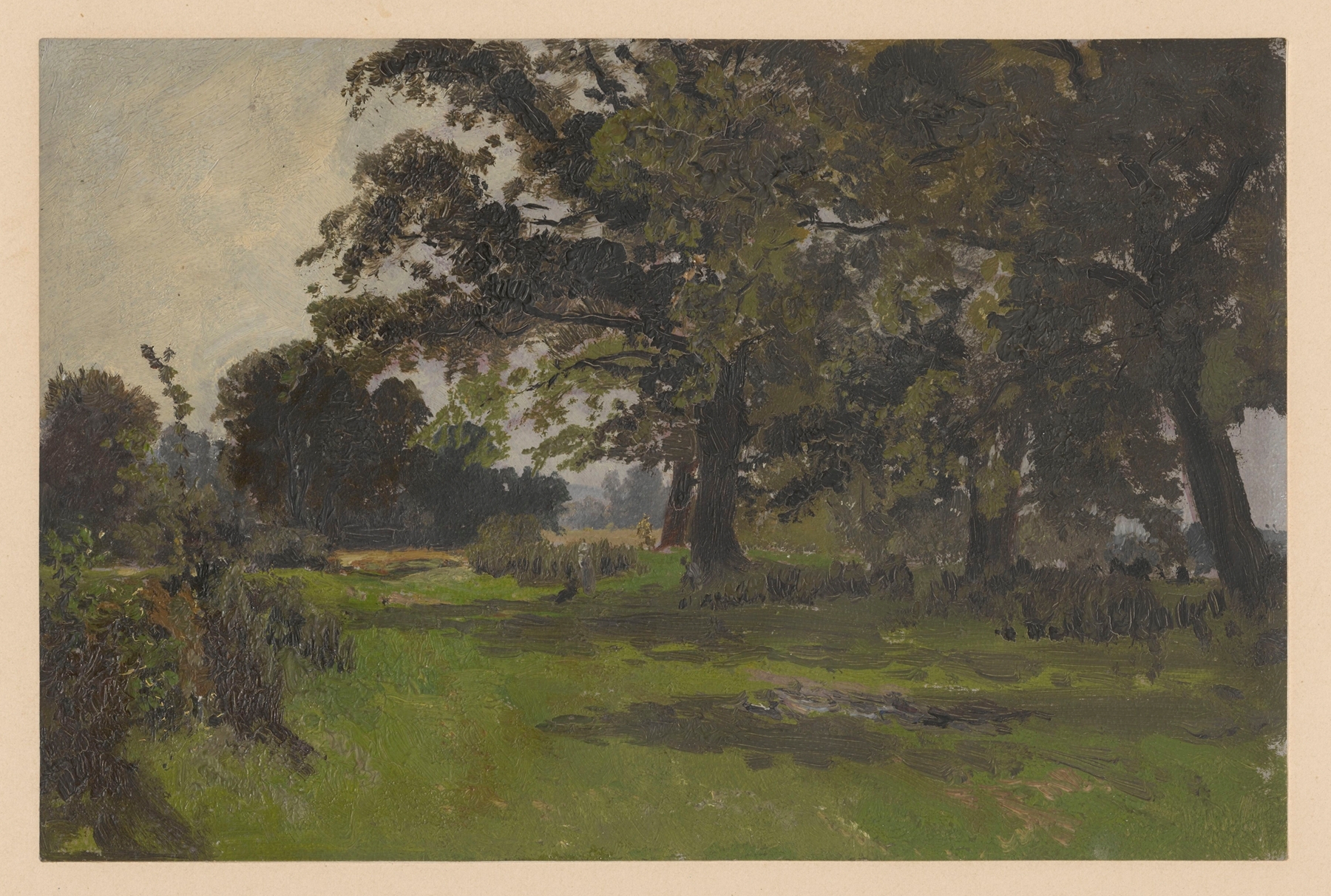
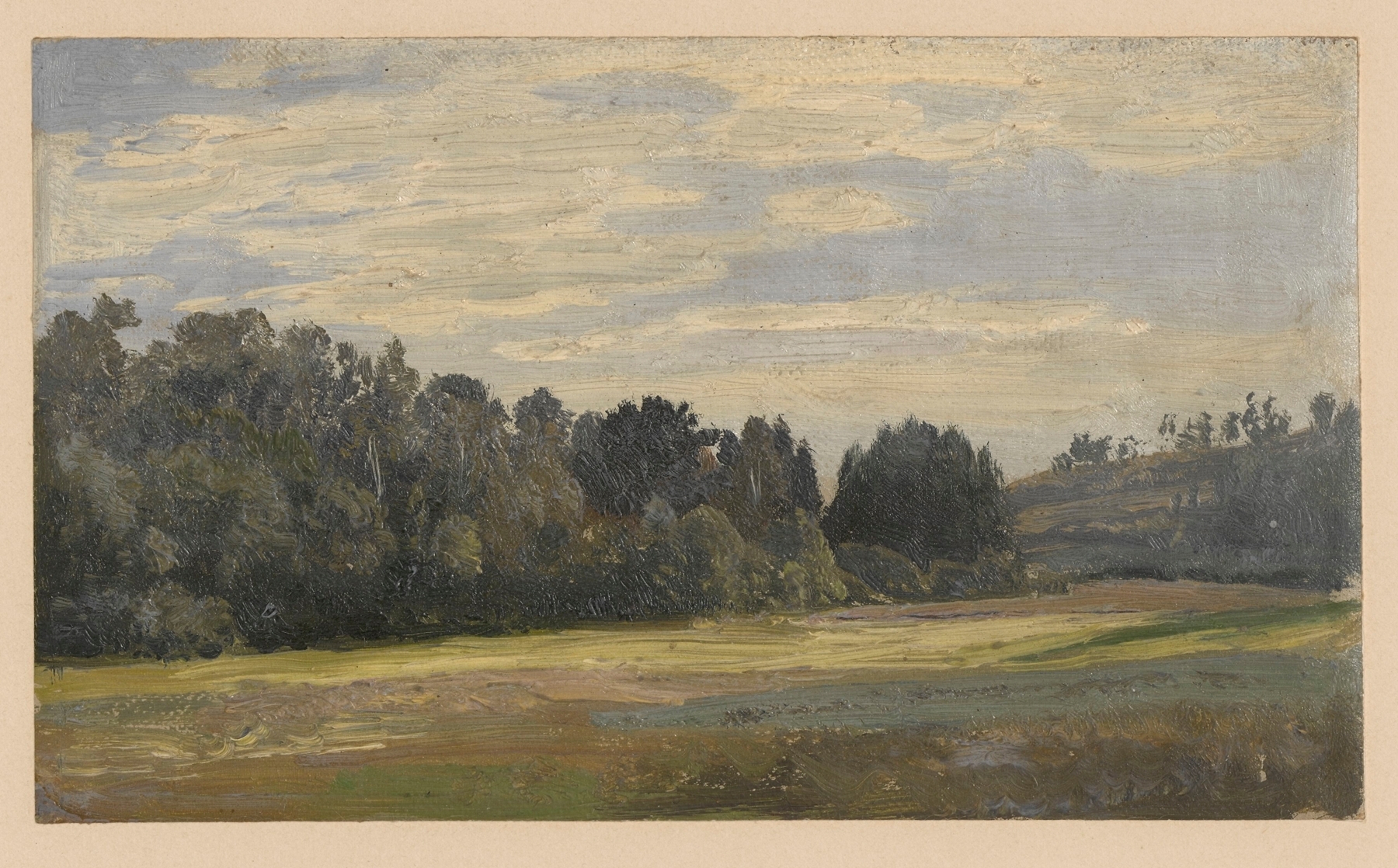
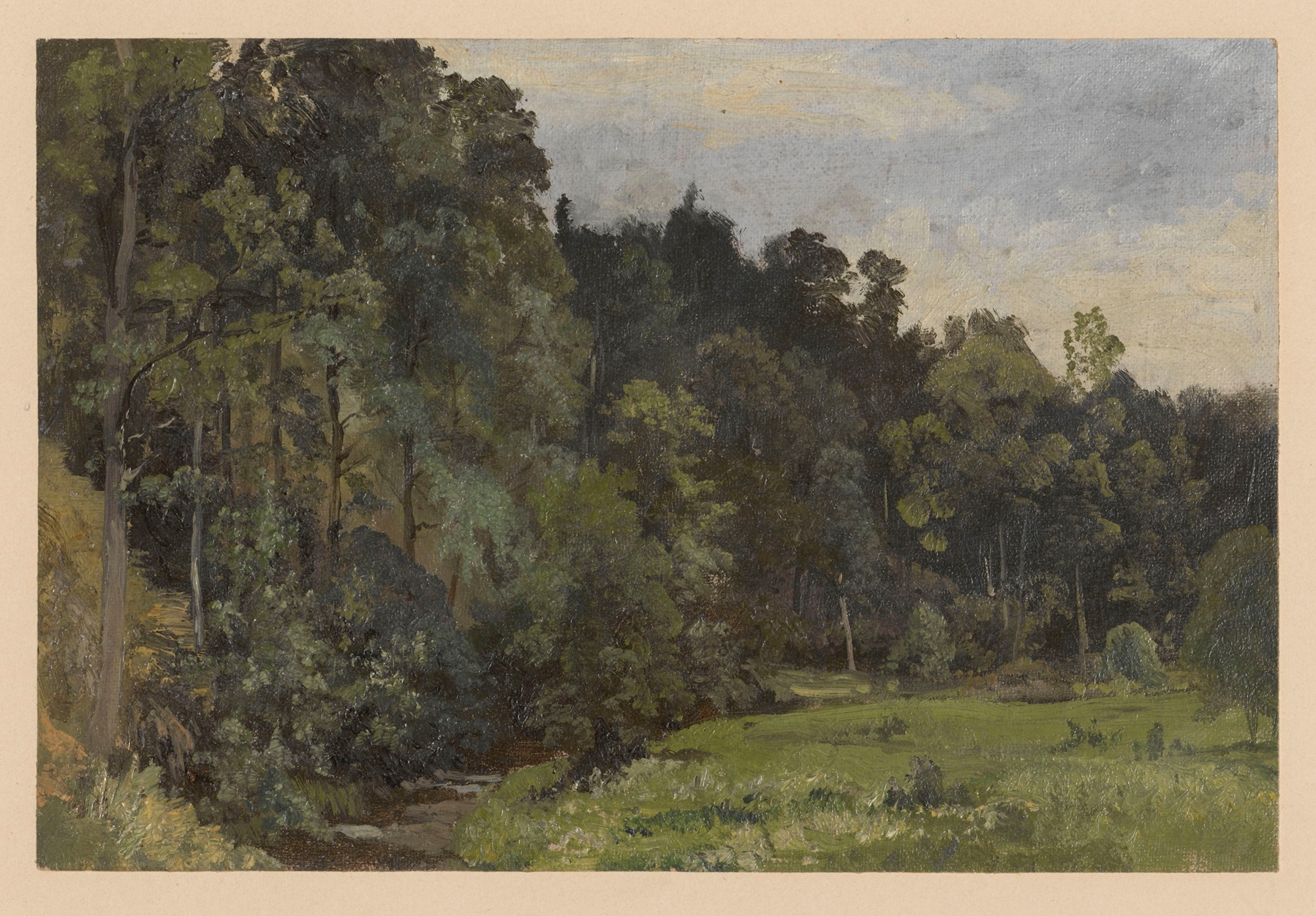
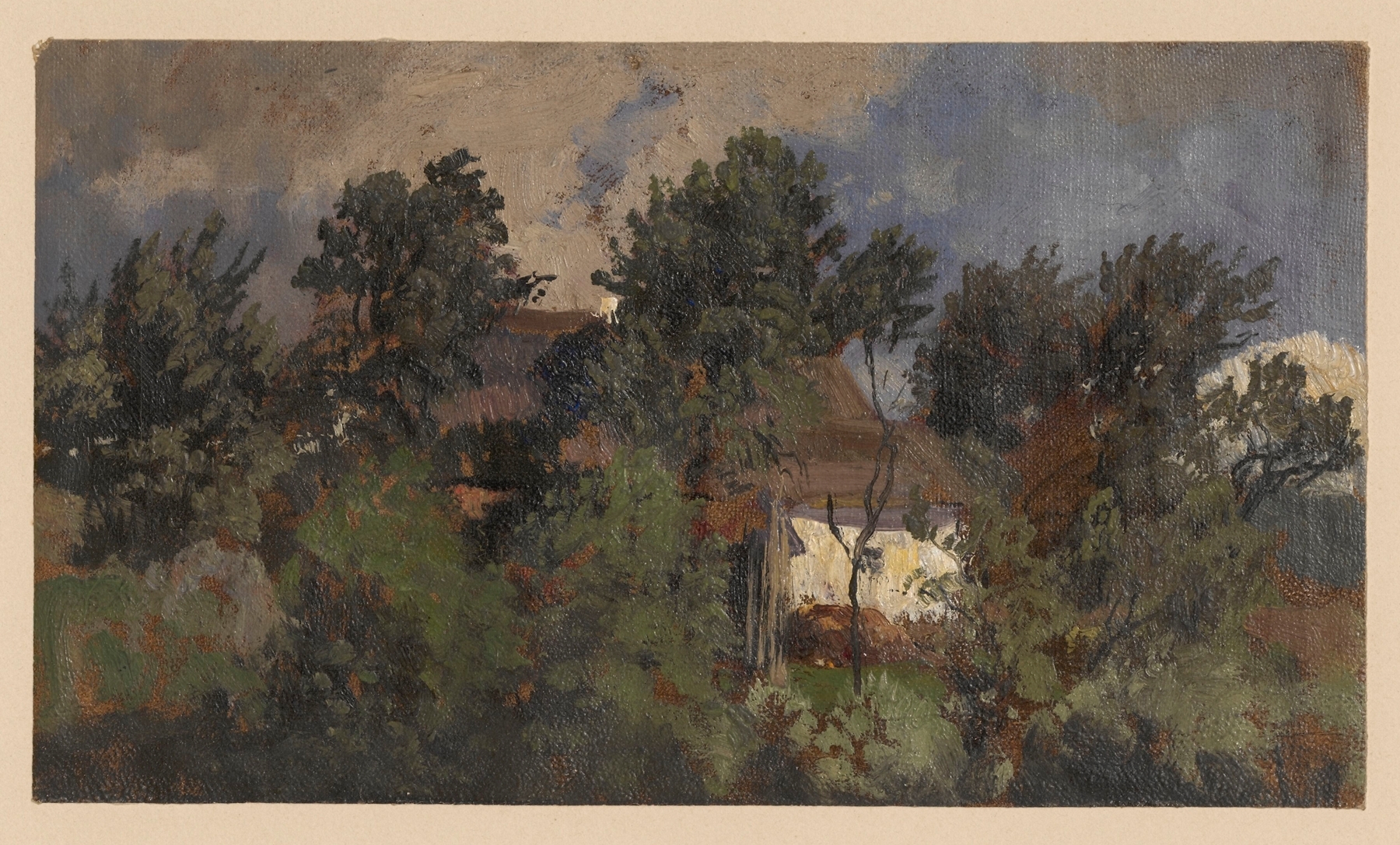
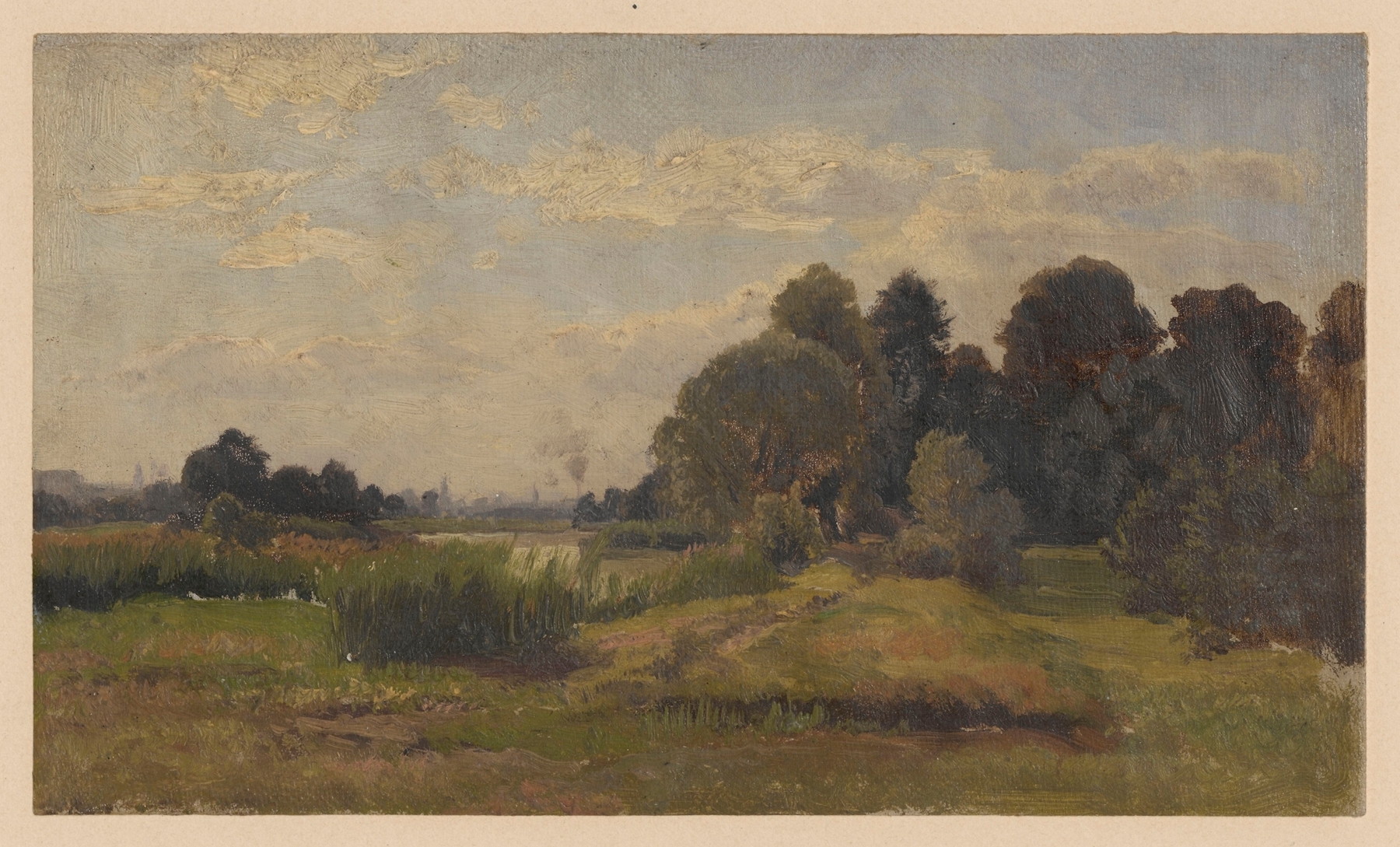
Did the painter know this moment would outlive them? The vastness of nature, captured in stillness, speaks to a haunting emptiness that transcends time. Look to the horizon where undulating meadows meet the wooded hills, the green hues contrasting with the soft blue of the sky. The subtle brush strokes breathe life into the landscape, inviting the viewer to explore the layers of color and texture.
Notice how the light dances across the fields, illuminating the grasses and casting gentle shadows that suggest the presence of a warm breeze, whispering stories from a world long past. Yet, the openness of the scene evokes a profound solitude; it is a reminder of life's transience. The absence of human figures accentuates the emptiness, leaving an echo of longing in the air. One can almost hear the silence that envelops the land, a quietude that speaks of forgotten moments and memories etched into the earth.
The interplay between light and shadow further deepens this emotional tension, suggesting both tranquility and a hint of melancholy. In the years between 1850 and 1881, Dressler painted View of meadows and wooded hills near Trzebnica during a time marked by both romanticism and burgeoning realism in art. Living in Poland during this period, he was influenced by the changing landscapes and the social upheavals unique to the region. This piece reflects not only his mastery of light but also a personal connection to the land, capturing a fleeting moment that bridges personal history with the universality of nature's quiet beauty.