Cabeza de muchacha — History & Analysis
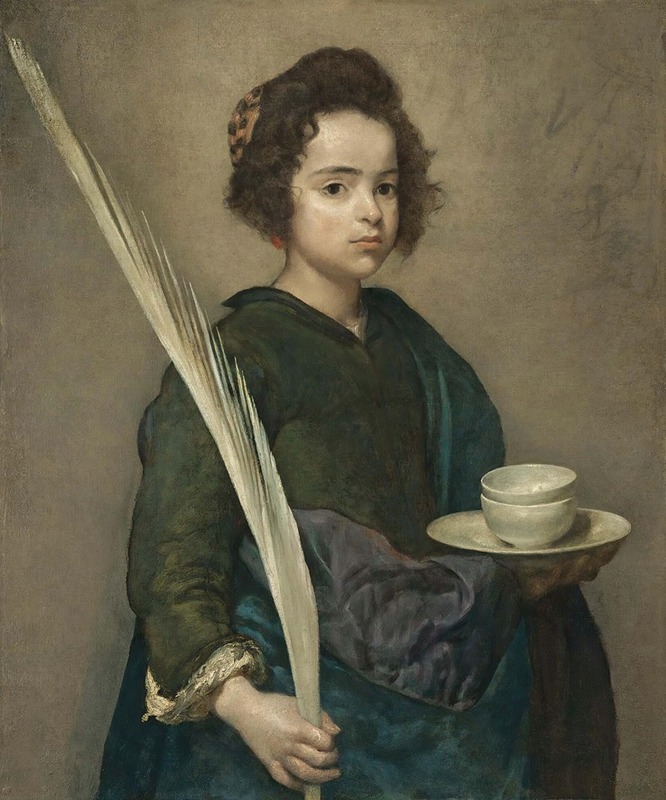
What if silence could speak through light? The delicate interplay of shadows and illumination in this captivating portrait invites profound contemplation on longing and the unspoken words that linger in the silence. Look closely to the left at the girl's luminous face, where warmth emanates from her skin, a striking contrast to the cool darkness enveloping her surroundings. The subtle brushwork captures the soft curls of her hair, framing her features with an almost ethereal grace.
Rich, muted colors enhance the emotional depth of the piece, while the focused gaze draws the viewer in, creating an intimate connection that feels both immediate and timeless. Beneath the surface of this serene visage lies a complex narrative of yearning. The girl's expression hints at a hidden story, evoking a sense of nostalgia or unfulfilled desire that resonates beyond the confines of the canvas. The way light caresses her face not only accentuates her beauty but also acts as a metaphor for hope versus despair, contrasting the brightness of her spirit with the shadows that surround her.
In 1624, when this work was painted, Velázquez was still in the early stages of his career, exploring the intricacies of human emotion and expression. He was influenced by his studies in Seville and the burgeoning Baroque style that emphasized drama and realism. This period marked a crucial transition in his artistic journey, as he began to evolve towards the masterful portraitist he would eventually become, offering a glimpse into the emotional landscape of his subjects.