María Teresa, Infanta of Spain — History & Analysis
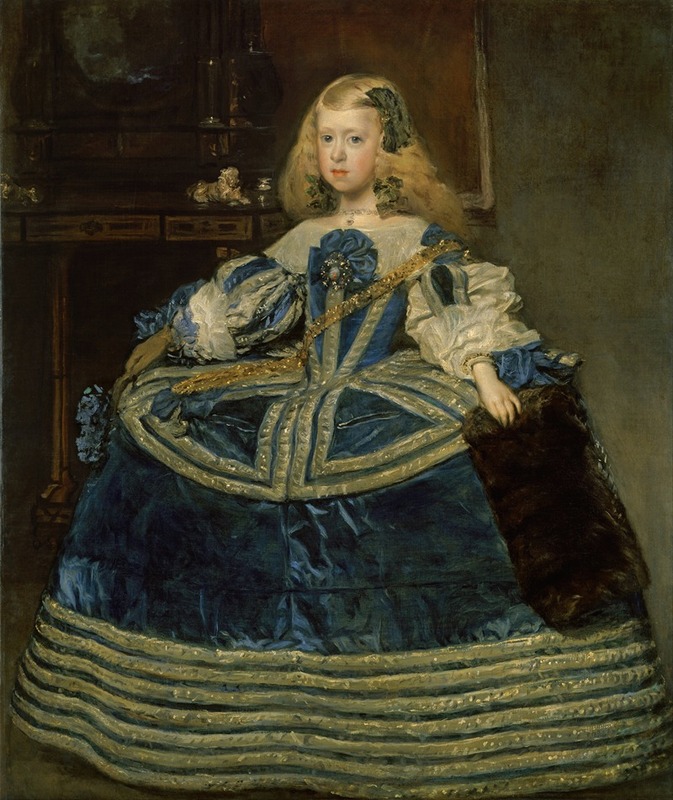
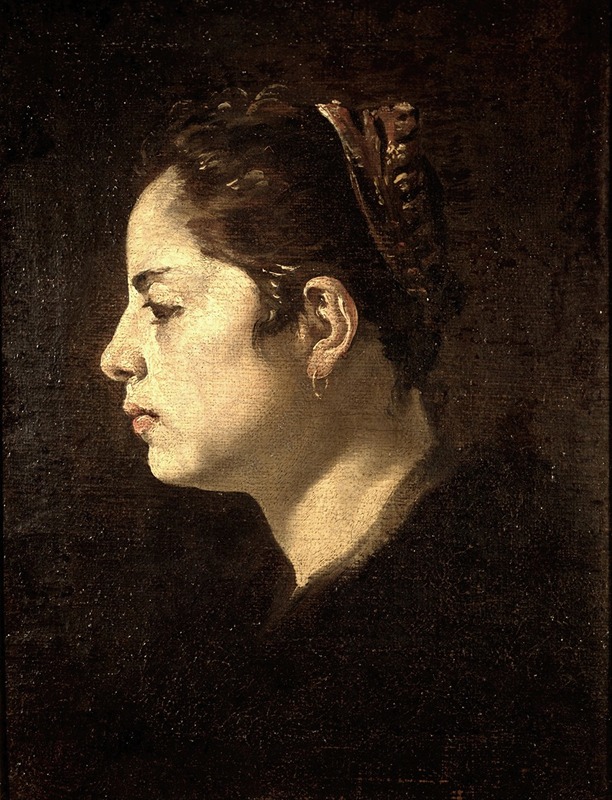
What secret hides in the quiet of the canvas? The delicate gaze of a young princess invites us into her world, where innocence meets the weight of royalty, transcending mere representation. Focus on the gentle poise of María Teresa as she stands gracefully, her presence commanding yet untouched by the burdens of her lineage. Look closely at the soft drapery of her gown, where layers of luminous whites and blues cascade down, reflecting the rich textures of 17th-century Spanish fashion.
The ethereal quality of the light envelops her face, illuminating the tender features and bringing a profound serenity to her expression, as if she were a fleeting thought captured in time. Delve deeper into the subtleties of her posture, the slight tilt of her head suggesting a blend of confessions and regal restraint. Notice how the background recedes into darkness, contrasting with her light, signifying the isolation that accompanies her elevated status.
The artist masterfully positions her within the frame, creating a visual tension between the innocence of childhood and the inescapable duties of a future queen, hinting at unspoken aspirations and sacrifices. In 1651, Diego Velázquez painted this portrait in Madrid, a time when the court was under the sway of the Habsburg dynasty and grappling with political complexities. As a leading figure of the Spanish Golden Age, Velázquez was not only refining his technique but also engaging with themes of identity and power, reflecting both his personal evolution and the cultural landscape of his epoch.