The Needlewoman — History & Analysis
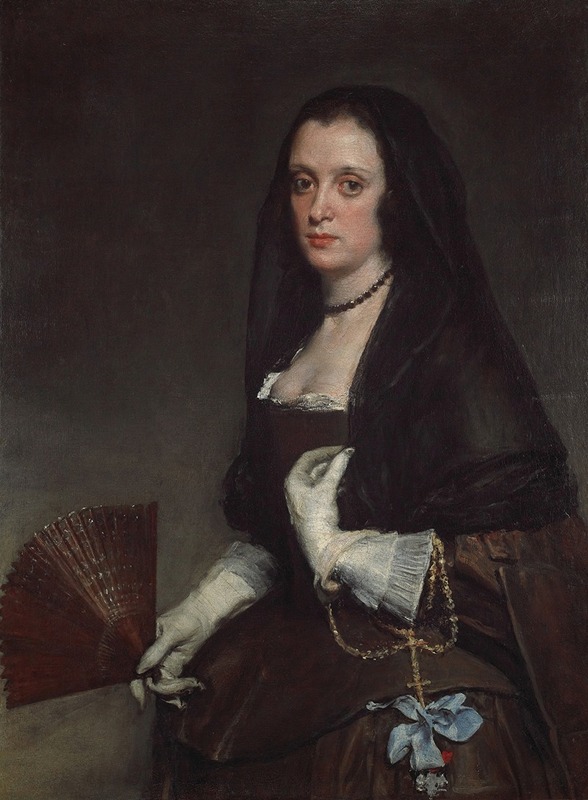
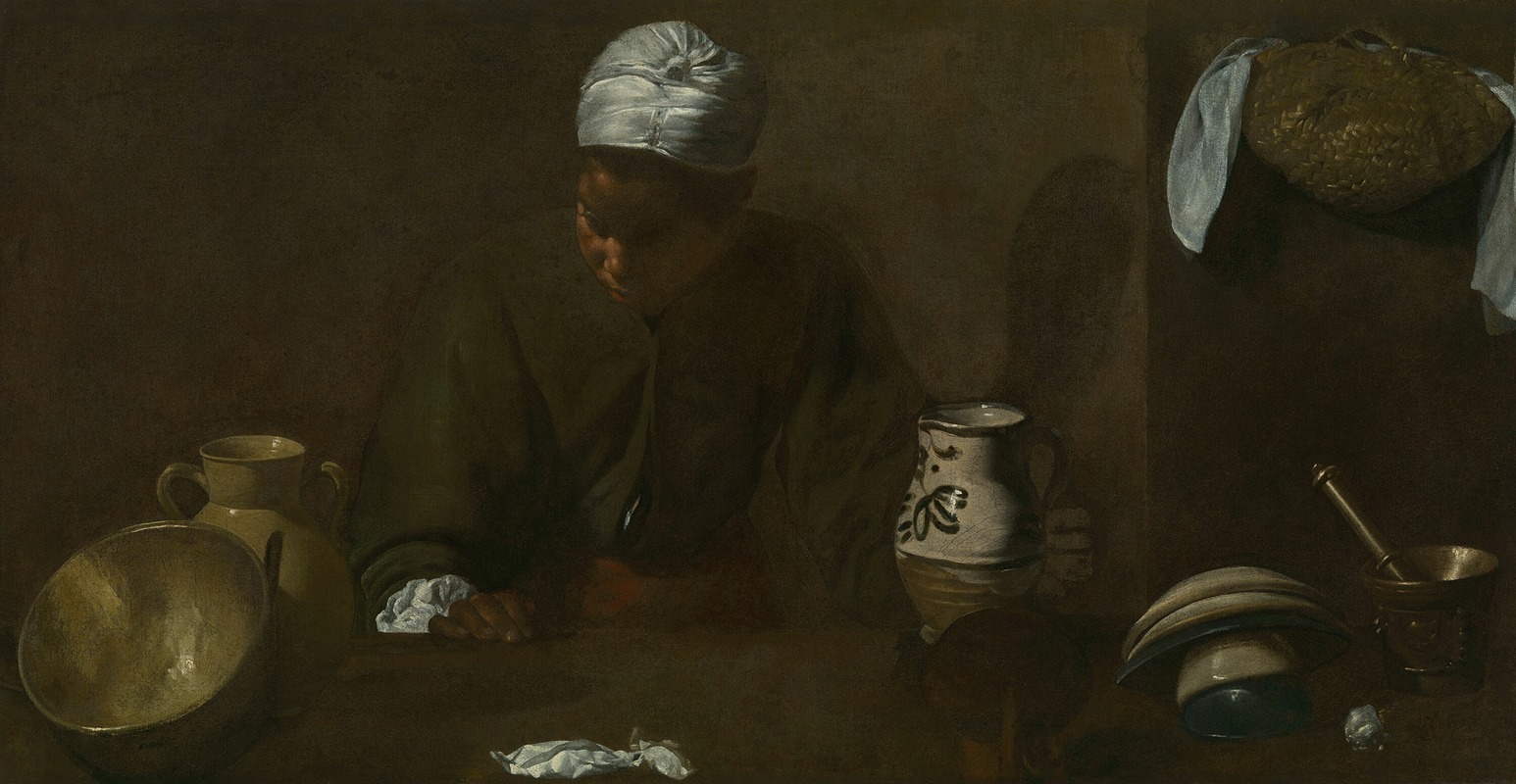
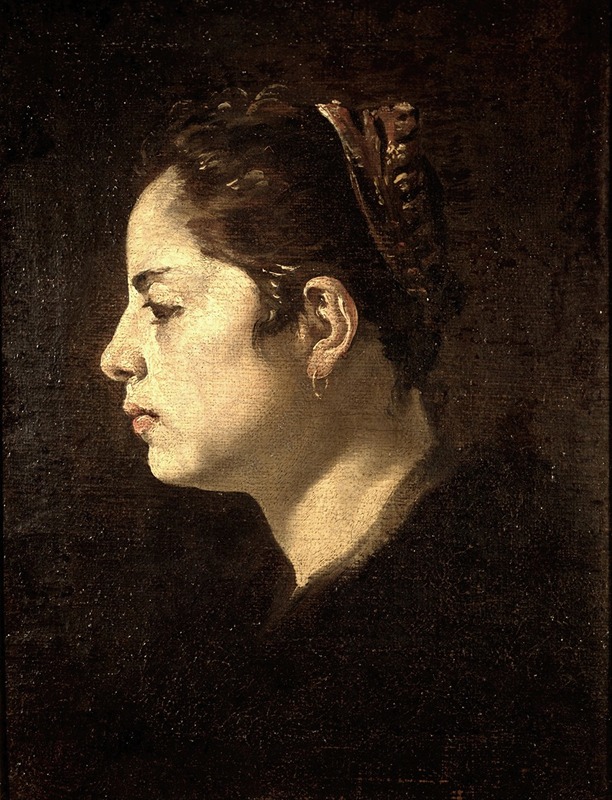
Who listens when art speaks of silence? In the delicate quiet of The Needlewoman, the whisper of needle against fabric carries the weight of unspoken thoughts and inner turmoil, inviting contemplation on the madness that often lies beneath the surface of everyday life. Focus first on the central figure, a woman engrossed in her craft, her brow furrowed in concentration. Notice how the soft light, filtered through an unseen window, illuminates her hands as they deftly manipulate the thread, emphasizing the tactile intimacy of her work.
The rich, earthy palette of reds and browns contrasts with the muted background, creating a striking visual tension that draws the eye and evokes an atmosphere of labor and solitude. Hidden within this pastoral scene are threads of emotional complexity. The woman's intense focus suggests a profound engagement with her task, yet there lingers an air of isolation that hints at a deeper struggle. Her expression, though serene, belies the potential for madness that can arise from such solitary dedication, inviting viewers to reflect on the fine line between passion and obsession.
The quiet room, devoid of movement, amplifies this tension, revealing the isolation that can accompany artistry. Created in 1640 during Velázquez's tenure in Madrid, The Needlewoman reflects a period where he grappled with the challenges of court life and the expectations placed upon him as a leading painter of the Spanish Golden Age. This work is emblematic of a time when the artist sought to explore the complexities of human emotion through seemingly simple scenes, weaving together reality and introspection with masterful skill.