Saint Rufina — History & Analysis
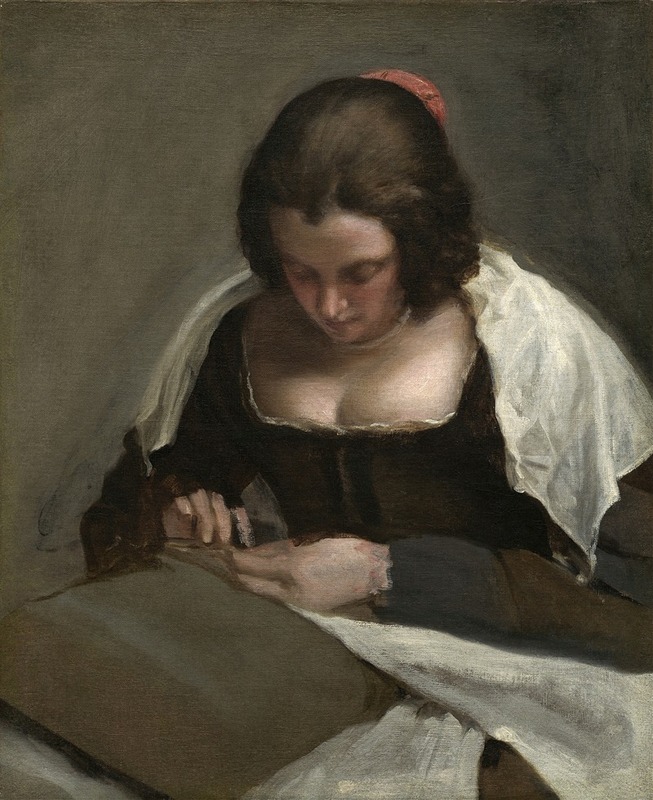
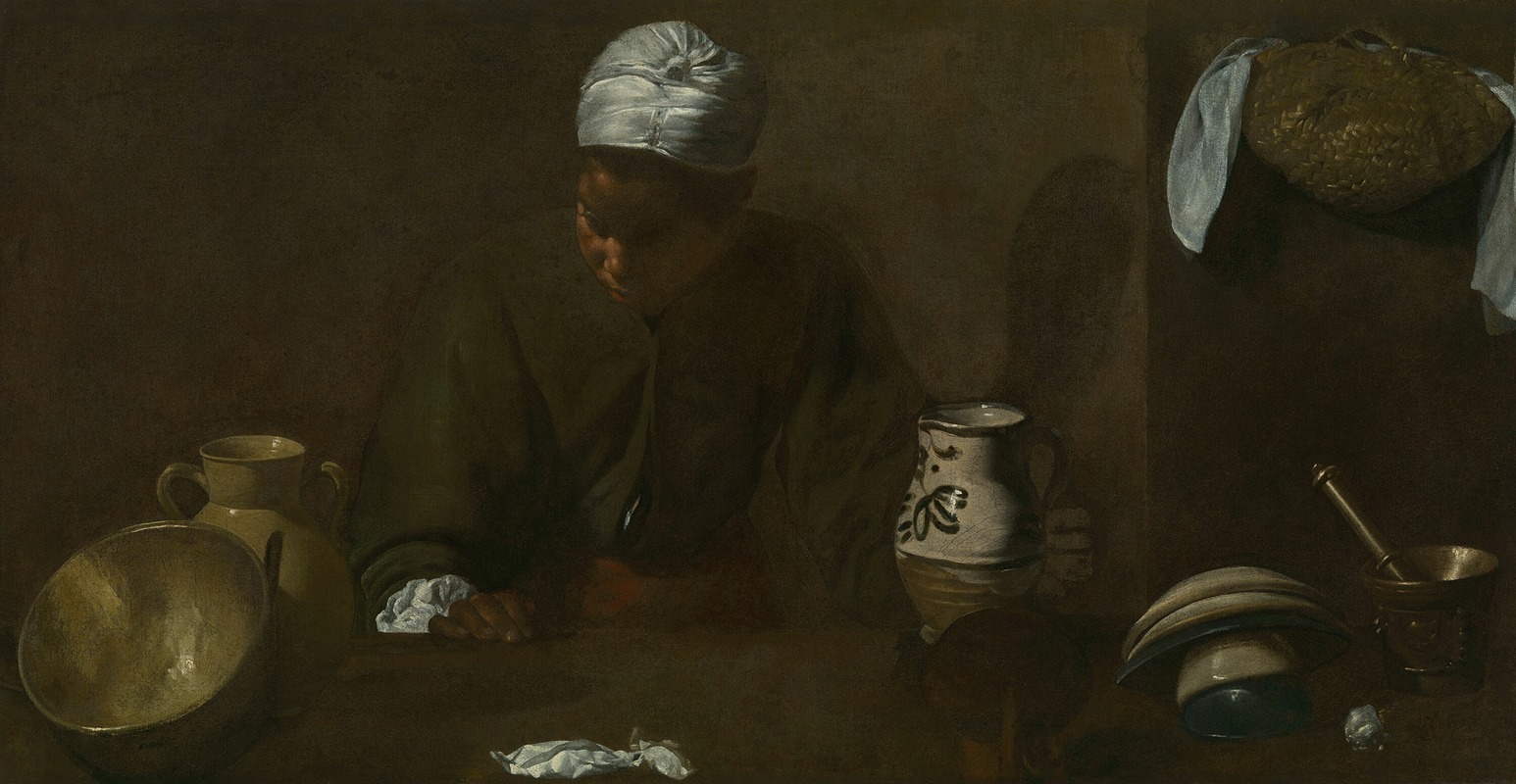
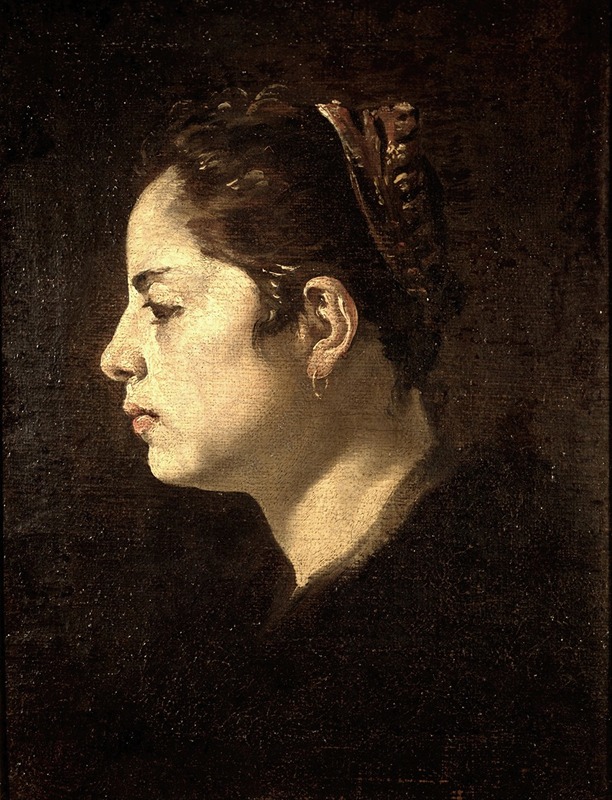
“The canvas doesn’t lie — it simply waits.” Within its borders, desires flicker like candle flames, illuminating the unvoiced longings that every viewer brings forth. Look closely at the figure on the right, where the light gently caresses the delicate contours of the saint’s face, casting shadows that seem to whisper secrets. Notice the rich, dark background that frames her, creating a profound contrast that heightens her ethereal presence. The colors are vibrant yet muted, harmonizing to evoke a sense of both serenity and yearning, inviting you to probe deeper into her story.
As you delve into the nuances, pay attention to the subtle tension between the saint's serene expression and the fire in her eyes. This dichotomy hints at an inner struggle—a desire for sanctity battling against earthly attachments. The delicate draping of her garments emphasizes both her grace and vulnerability, while the surrounding elements suggest a world that silently observes her devotion, heightening the emotional stakes of her narrative.
In 1621, Velázquez was a young artist making strides in Seville, deeply influenced by the burgeoning Spanish Baroque movement. Saint Rufina reflects his growing mastery of light and shadow, as well as his exploration of complex human emotions. The work emerged during a period of personal introspection for the artist, as he sought to refine his style and establish his voice amidst the changing tides of artistic expression in Spain.