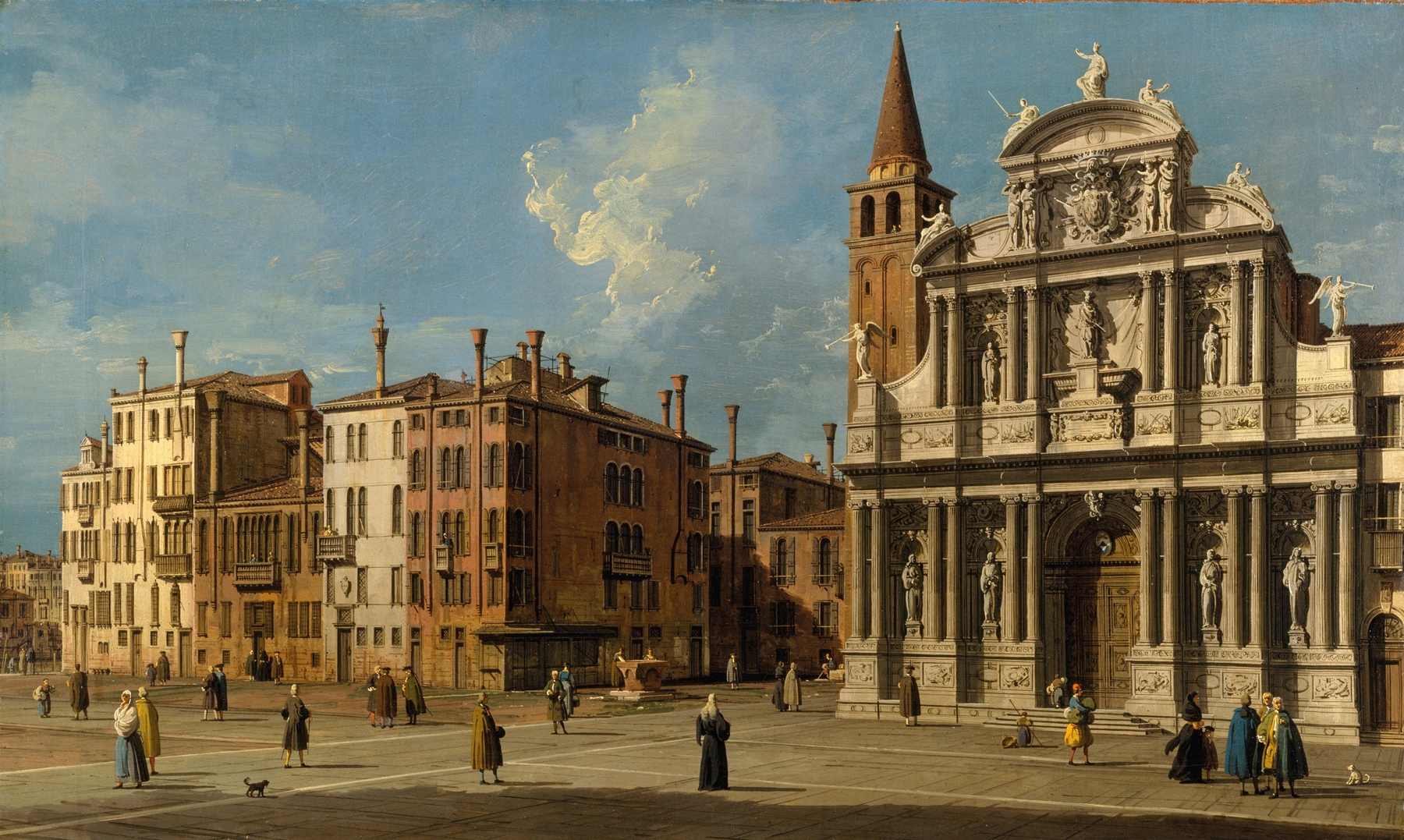
Campo Santa Maria Zobenigo, Venice — History & Analysis
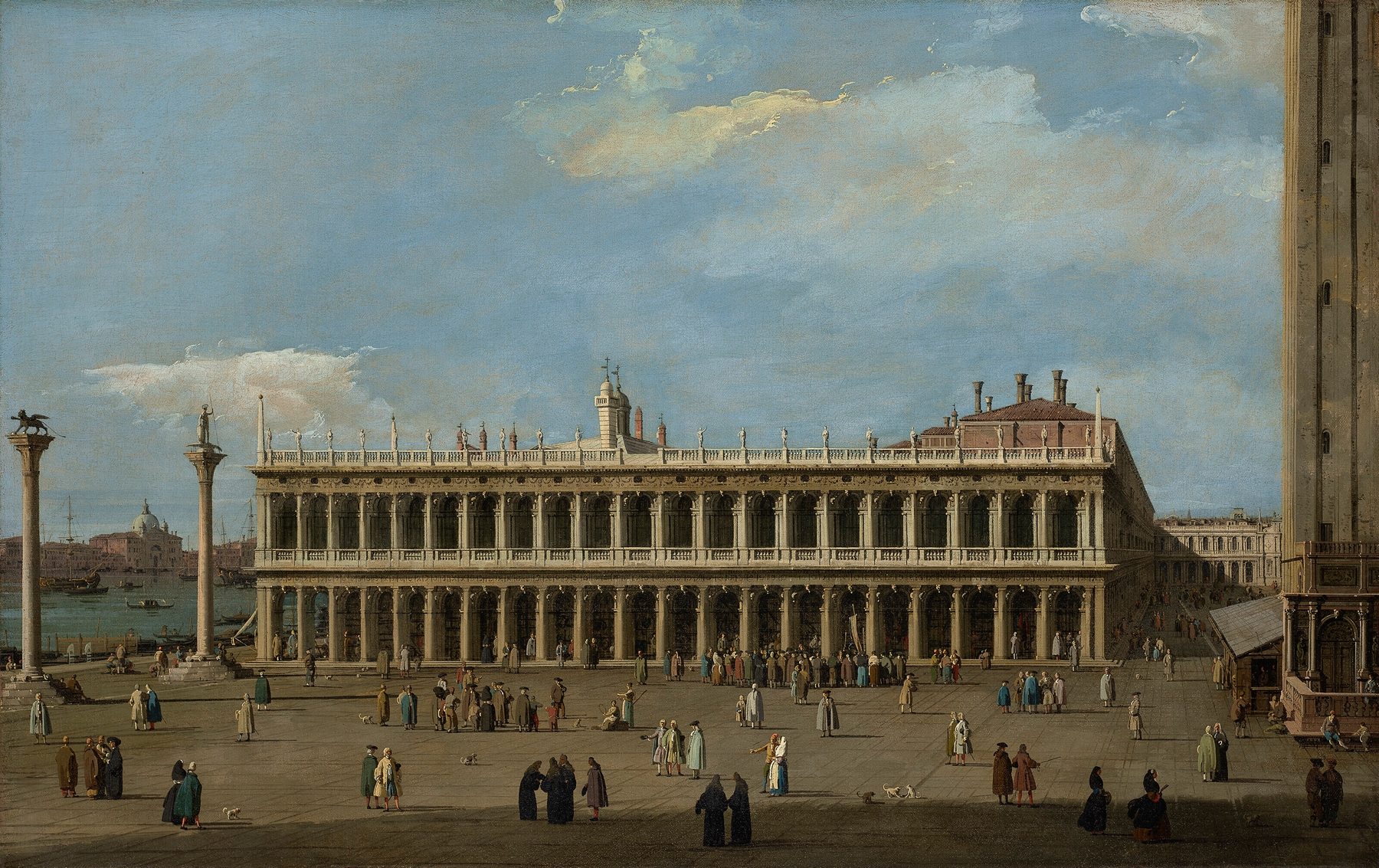
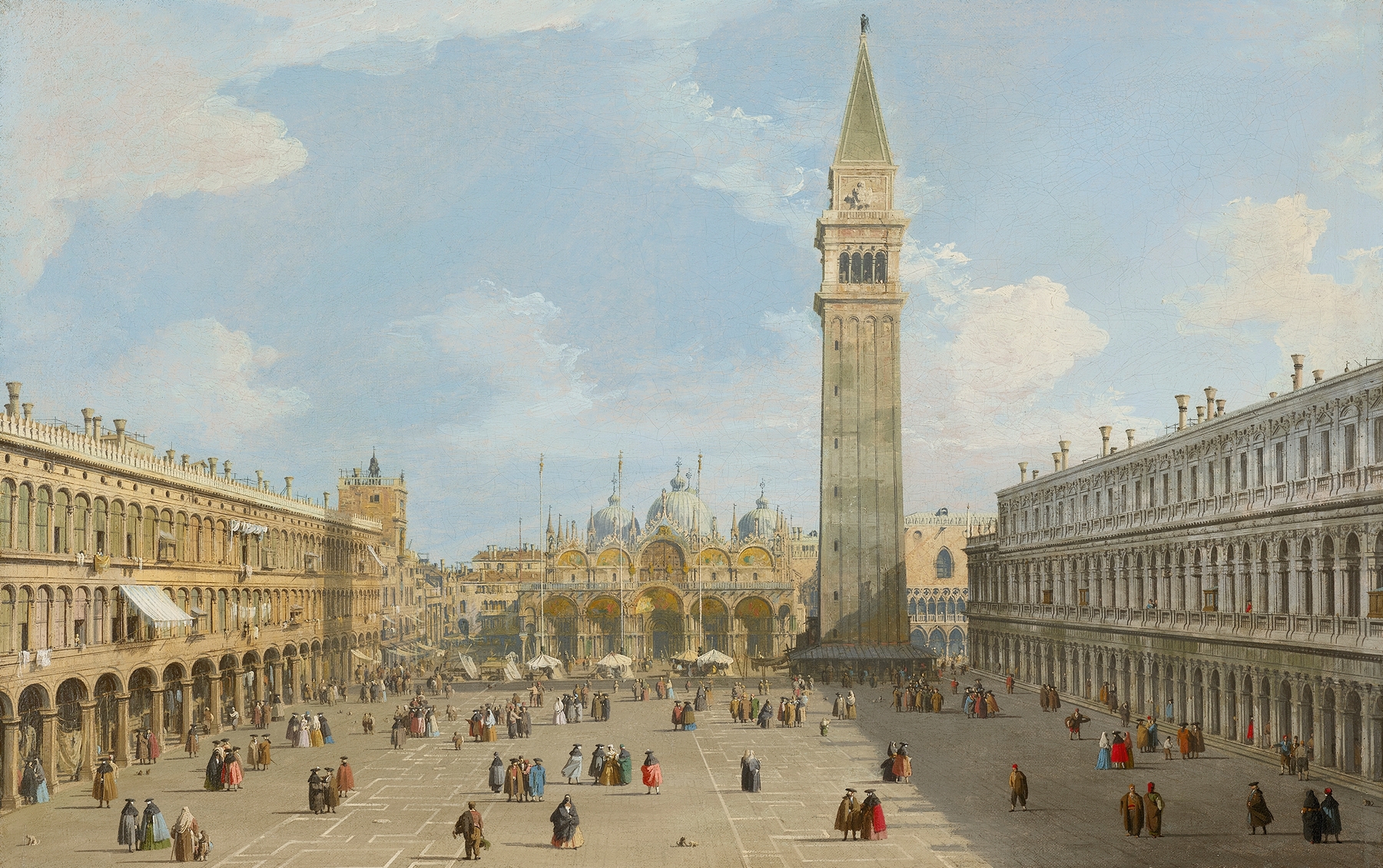
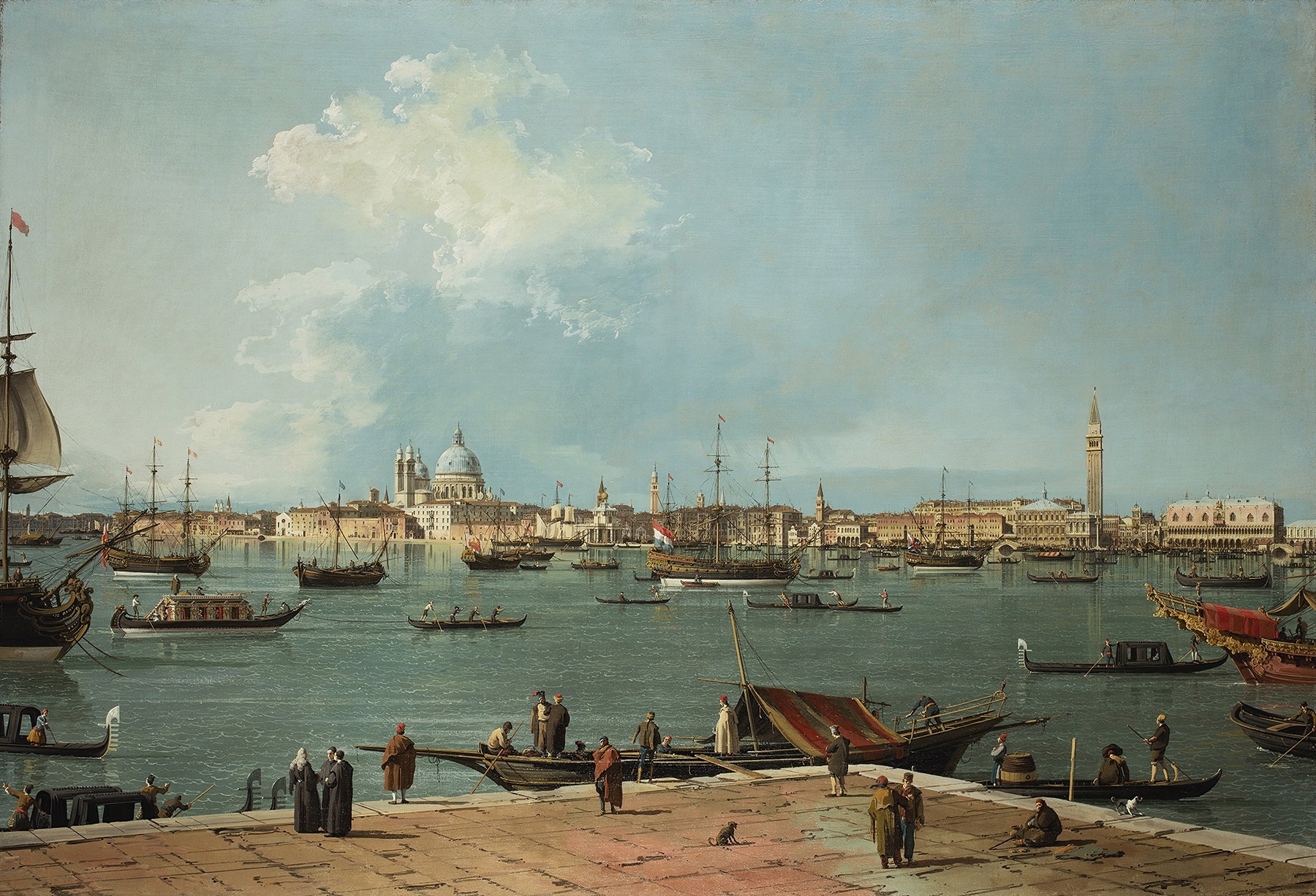
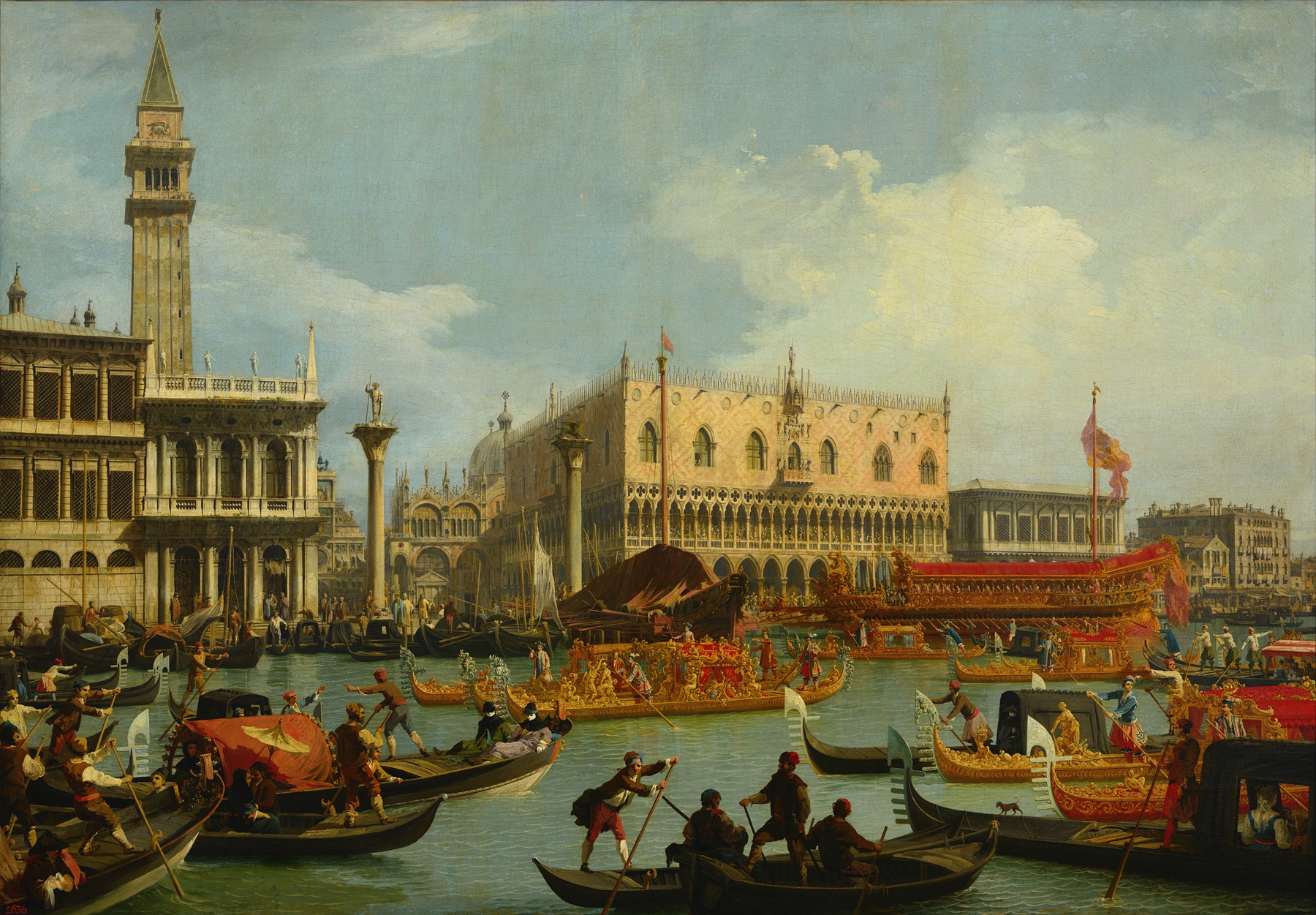
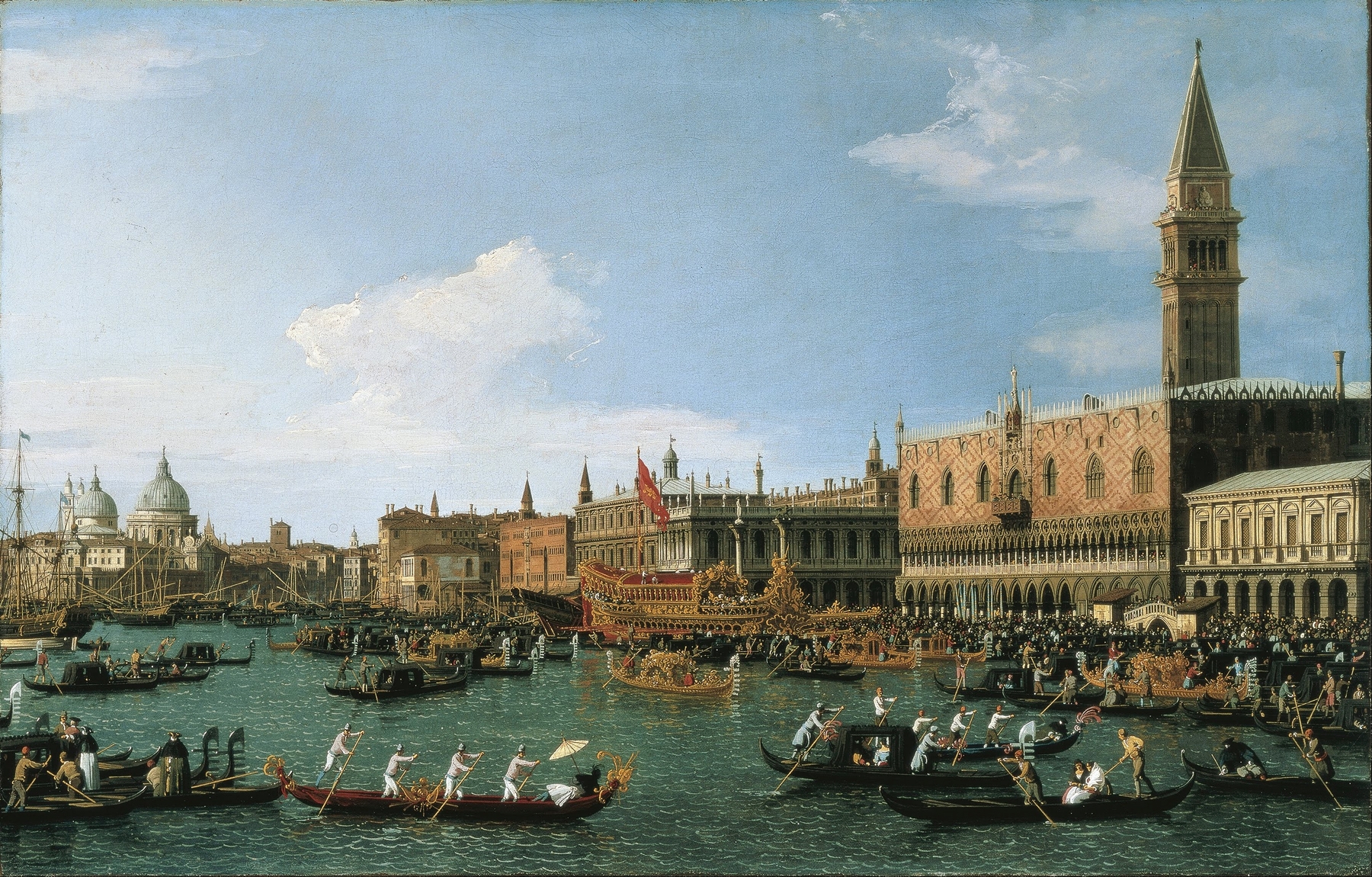
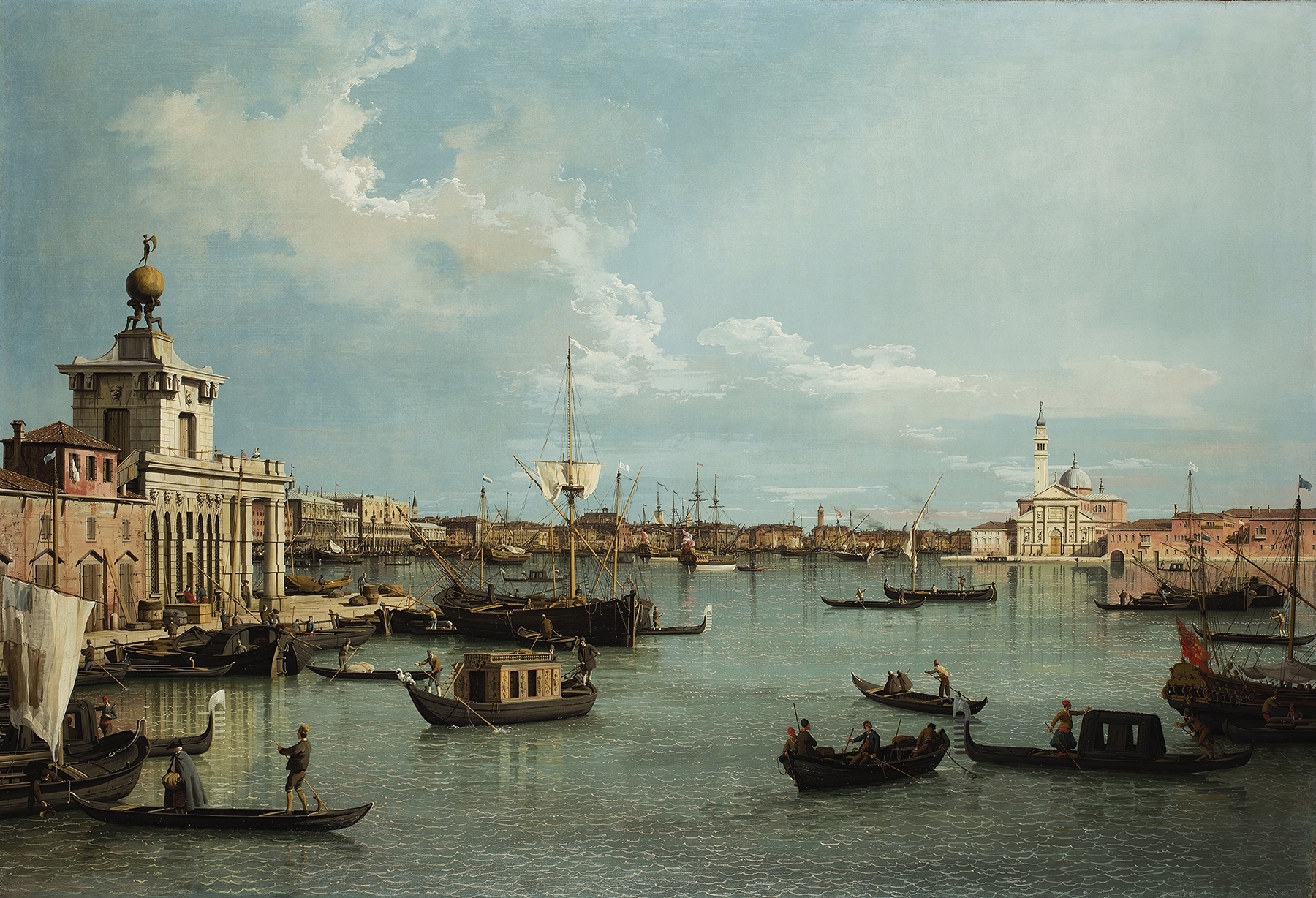
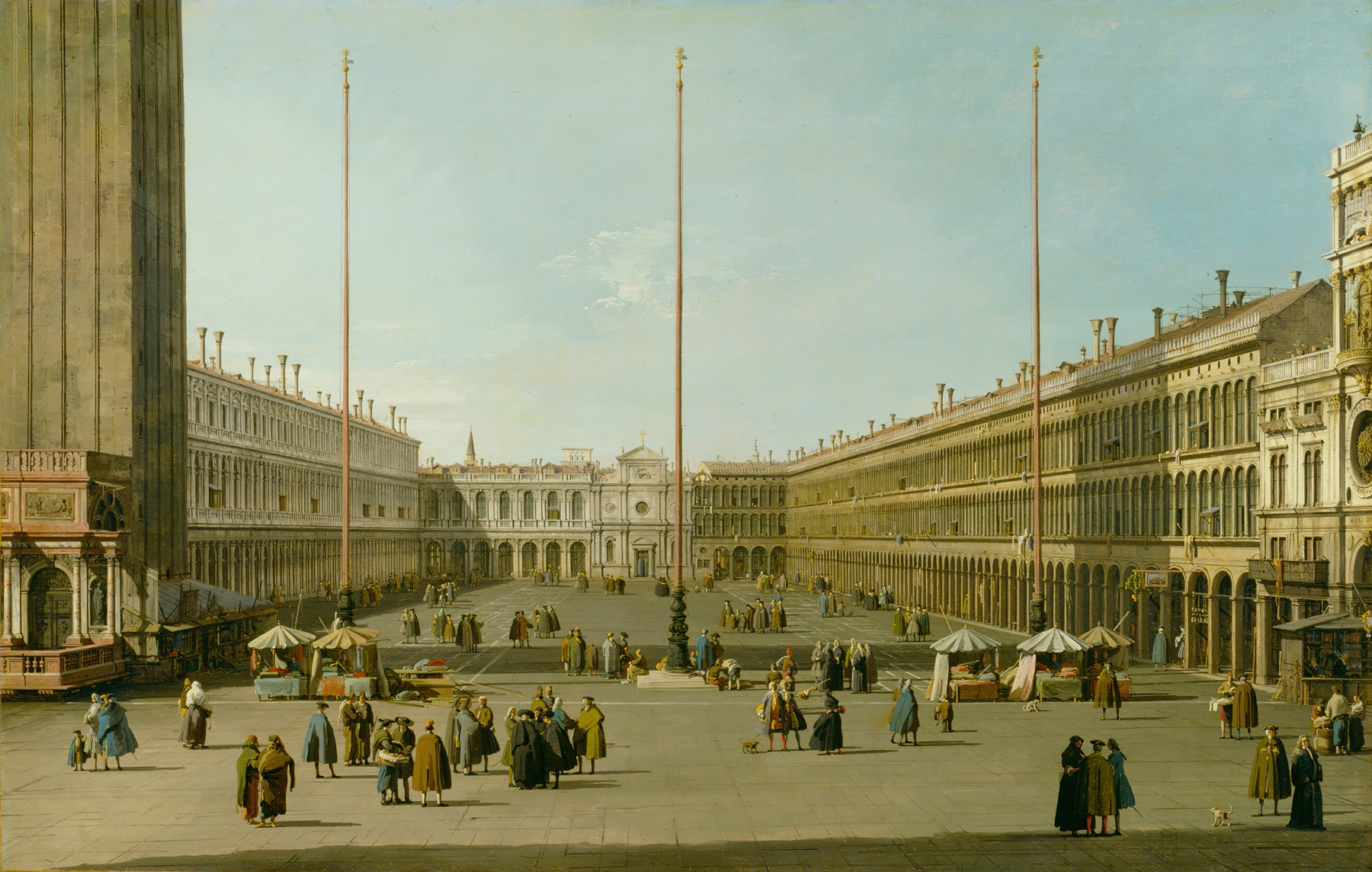
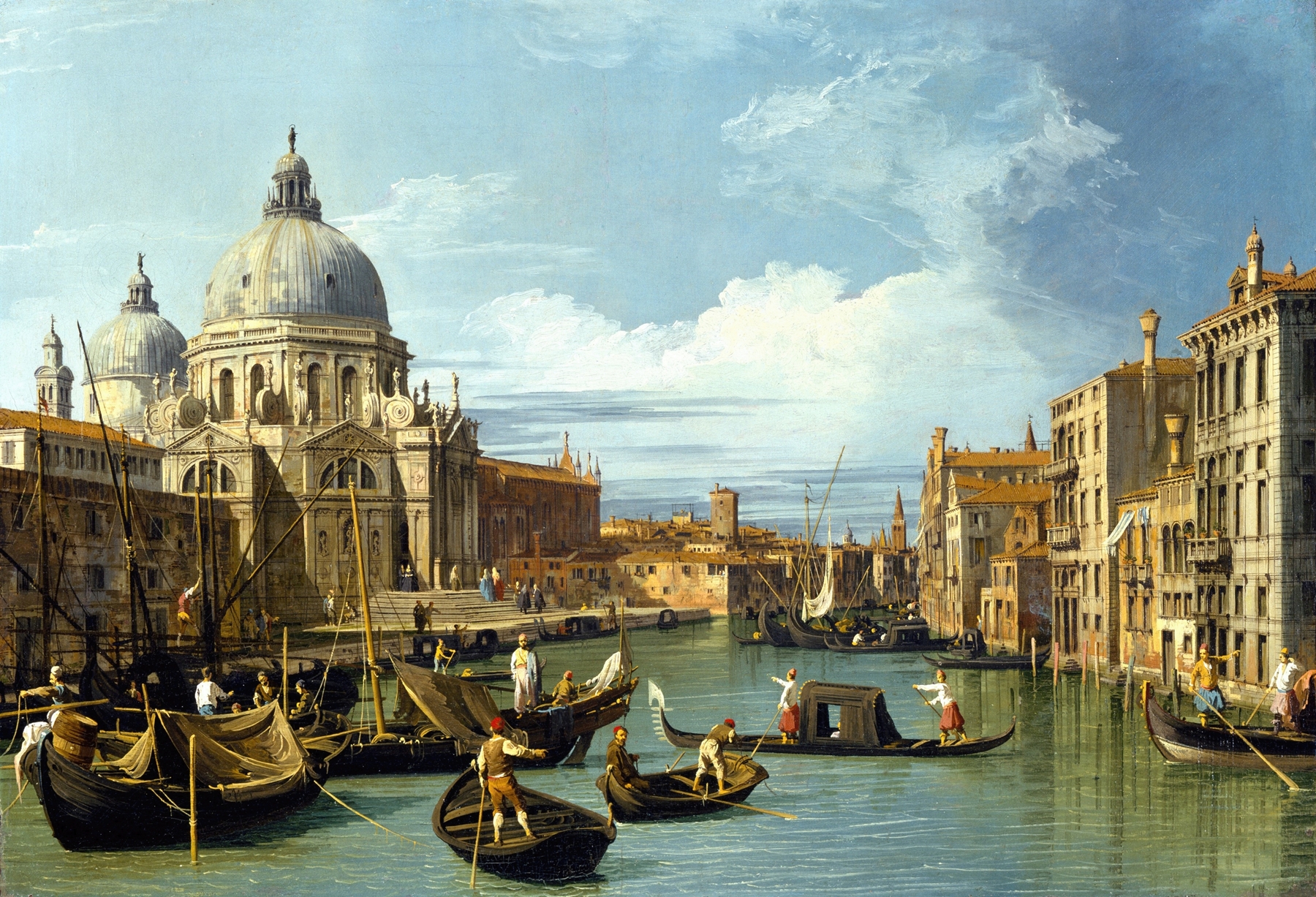
“The canvas doesn’t lie — it simply waits.” In the quiet embrace of Venice, time stretches luxuriously, offering a glimpse of its enchanting allure, yet whispering of a longing that lingers in the air. Look to the center of the composition, where the church of Santa Maria Zobenigo ascends gracefully against a backdrop of azure sky. The meticulous brushwork captures the rippling waters below, reflecting both structure and emotion, while the gentle play of light accentuates the intricate details of the façade. Each stroke of creamy white and muted ochre invites the viewer to explore the architectural elegance, guiding the eye to the subtle shadows that frame the scene.
Delve deeper into the painting, and you’ll uncover the poignant tension between permanence and transience. The serene water, a symbol of fleeting time, contrasts with the steadfast church, evoking a longing for discovery amid the ever-shifting tides of life. The figures, seemingly lost in their own thoughts, mirror the viewer’s introspection, suggesting a shared yearning for connection in this ephemeral moment.
In the 1730s, the artist was immersed in the vibrant cultural currents of Venice, capturing its magic with profound understanding. As the Baroque era drew to a close, he channeled the essence of the city, preserving its beauty while engaging with the burgeoning interest in landscape painting. This period saw a newfound appreciation for the interplay of light and architecture, paving the way for future generations to explore the emotional depths of their surroundings.