Canal at night — History & Analysis
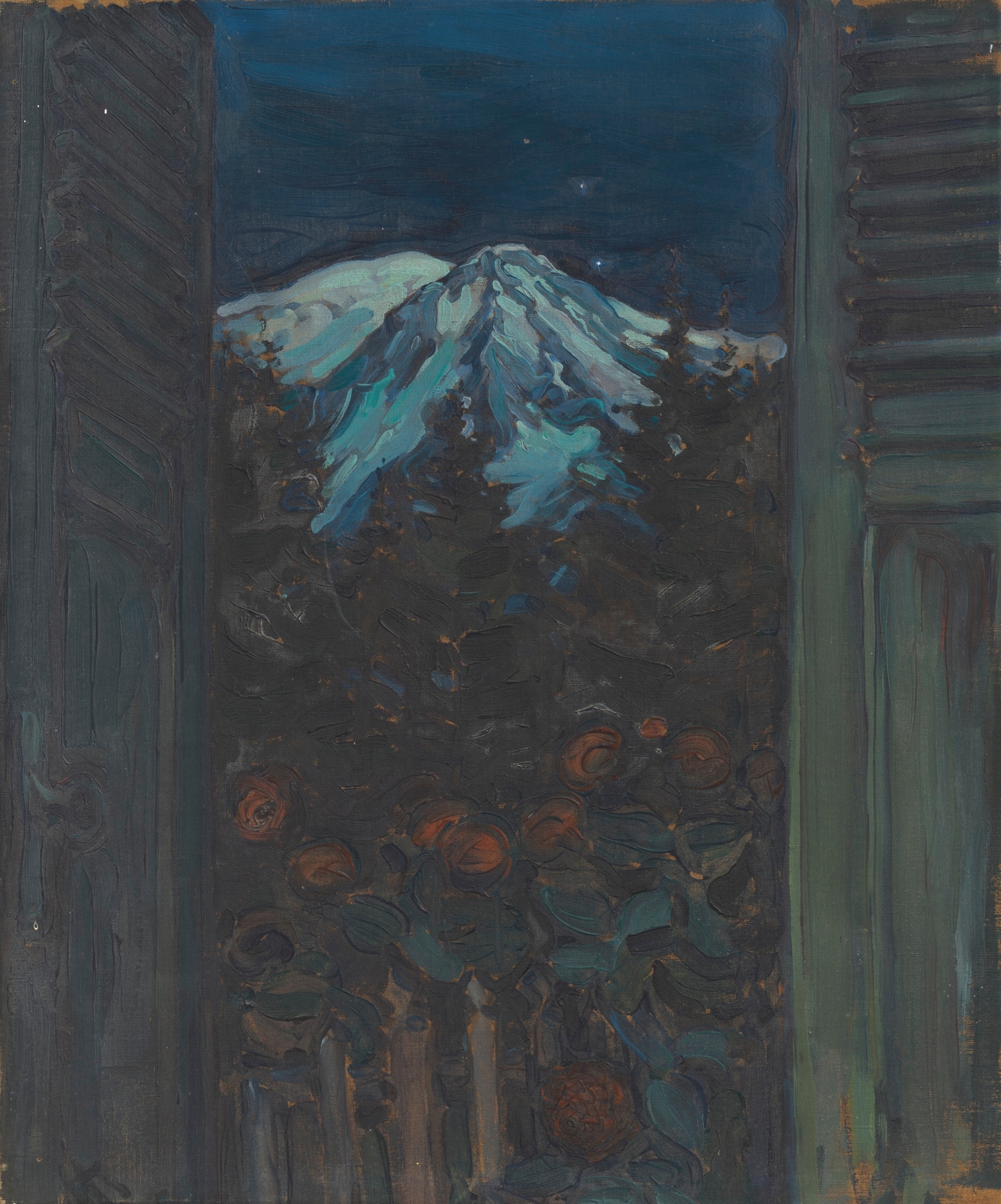
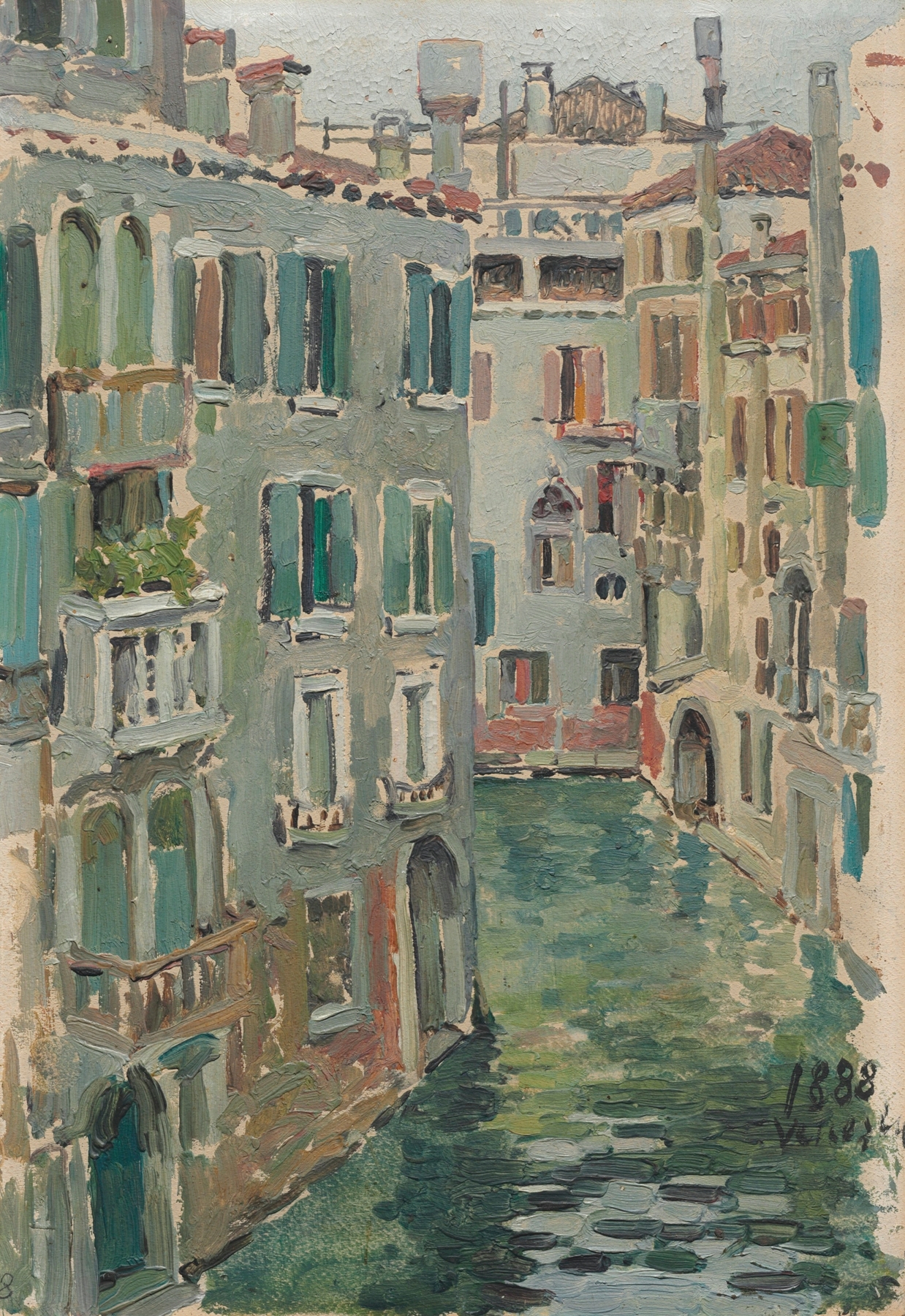
What if silence could speak through light? In the stillness of night, a canal reflects the moon's quiet glow, hinting at the promise of rebirth beneath the surface. Look to the left, where wisps of fog curl delicately around the water's edge, embracing the darkness. Notice the gentle ripple of the canal, as it mirrors the luminous moonlight, casting soft silvery hues over the scene.
The artist’s brushwork creates an ethereal quality, blending deep blues and muted whites, inviting the viewer to explore the interplay of shadows and illumination. Amidst this tranquil nighttime setting, contrasts emerge. The stillness of the water juxtaposes the vitality of the city lurking just beyond the frame, hinting at life waiting to awaken. The moon's light, almost tender in its embrace, symbolizes renewal and the eternal cycle of night giving way to dawn.
This interplay between darkness and light evokes a sense of quiet hope, a reminder that even in stillness, transformation is imminent. In 1888, during a period of great artistic exploration in Russia, Maria Yakunchikova painted this work while residing in Paris. This was a time of deep introspection for her, as she grappled with both personal challenges and the evolving art scene around her. Influenced by Impressionism and the emerging Symbolist movement, she sought to capture fleeting moments that resonated with the viewer’s inner emotions, making Canal at Night a poignant representation of her artistic journey.