Cappucini Amalfi Monastery — History & Analysis
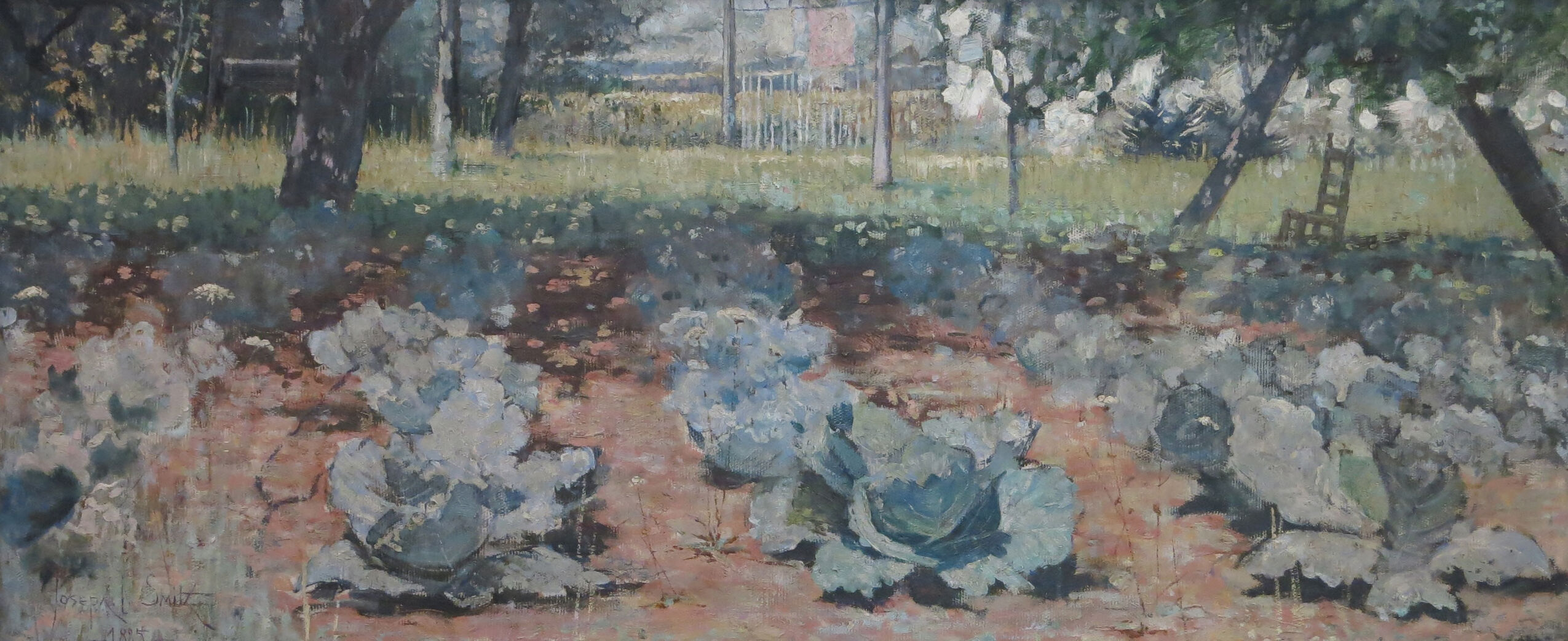
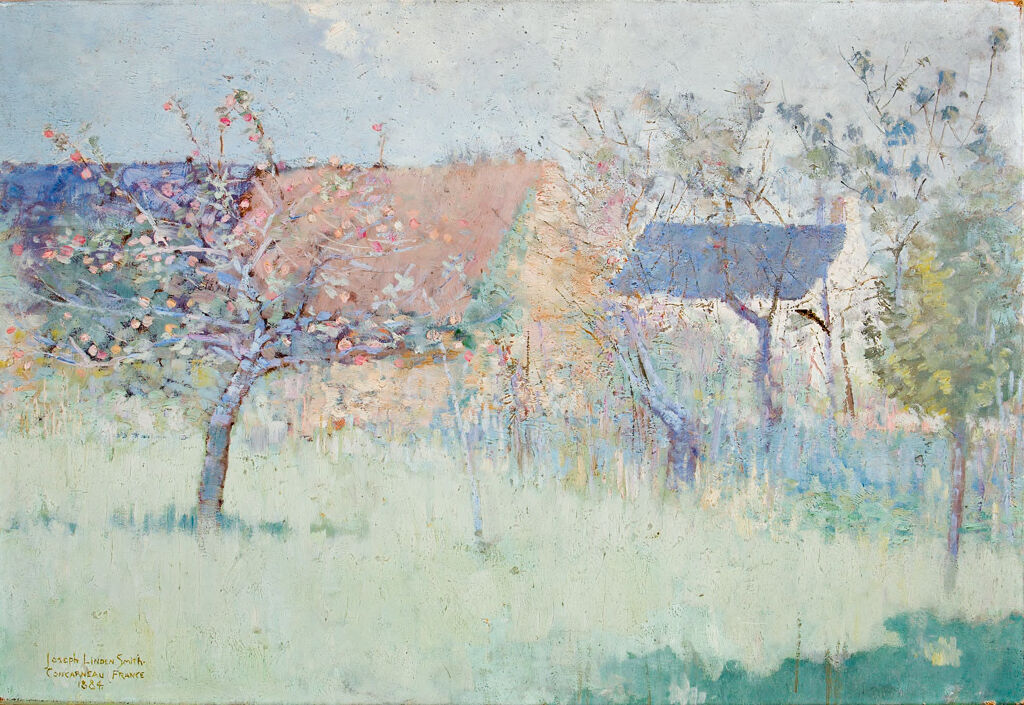
Could a single brushstroke hold eternity? In Cappucini Amalfi Monastery, innocence radiates through the timeless beauty of a tranquil landscape, inviting the viewer to linger in its embrace. Look to the left at the delicate archway, where the sunlight softly caresses the stone, revealing the textures of age and history. Notice how the pastel hues blend harmoniously, with soft greens and warm yellows reflecting the gentle warmth of the Italian sun.
The composition draws your gaze inward, leading you through the opening into the serene courtyard, evoking a sense of peace and contemplation. At first glance, the work seems to celebrate the simplicity of the monastery, but deeper examination uncovers layers of significance. The quiet shadows hint at the passage of time, suggesting that every moment spent in this sacred space is imbued with innocence and reverence. The stillness of the scene contrasts with the lively surrounding landscape, reflecting the tension between the spiritual and the earthly — an invitation to pause and reflect on one's own journey.
In 1887, Joseph Lindon Smith painted this piece while living in Italy, immersed in the beauty of its landscapes and architecture. This was a period when artists were exploring the interplay of light and color, and Smith was particularly influenced by his experiences in the Italian countryside, seeking to capture the essence of a place steeped in history and spirituality. His connection to this site and its atmosphere resonates throughout the painting, offering a glimpse into both his artistic vision and the cultural richness of a bygone era.