Mountain Landscape — History & Analysis
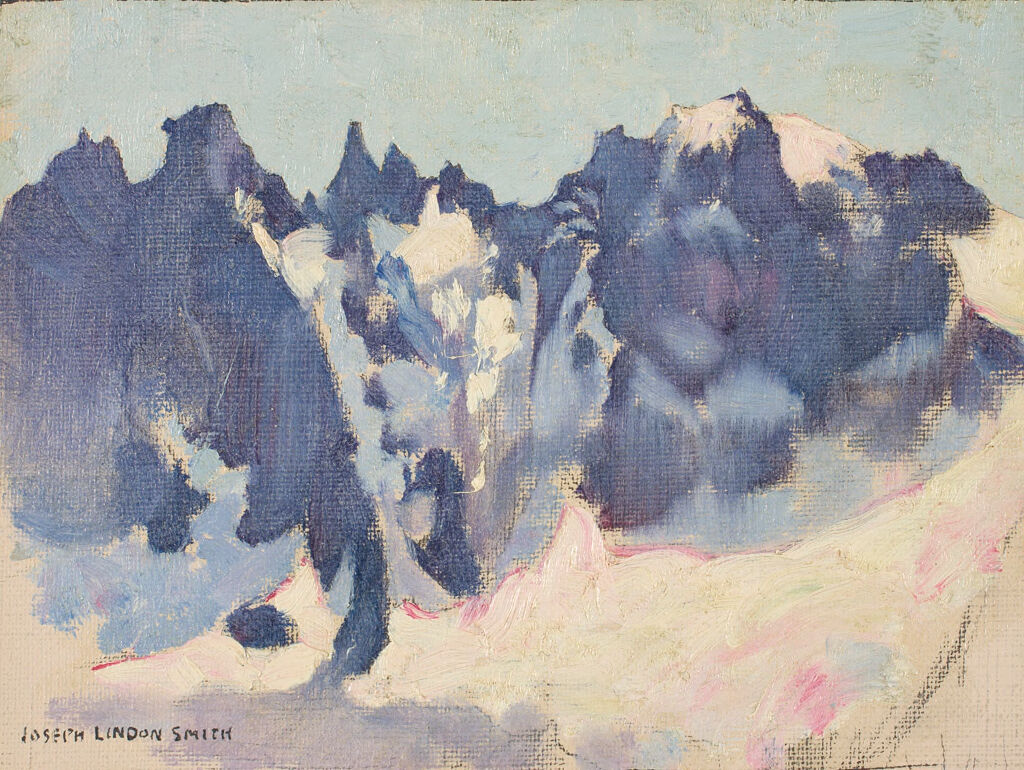
Can beauty exist without sorrow? In Mountain Landscape, the answer seems to whisper through the silent majesty of undulating peaks and tranquil valleys. Here, nature stands in serene splendor, inviting contemplation while hinting at deeper emotional undercurrents that connect us to the earth and each other. Look to the horizon, where soft, rolling mountains are bathed in a gentle light that dances upon their surfaces. The artist employs a delicate palette of greens and blues, infused with warm golden hues, suggesting a fleeting moment of dawn or dusk.
Notice how the layers of the landscape recede into the background, each ridge and valley meticulously rendered, leading the eye toward the ethereal sky. The brushwork, both fluid and precise, captures the shifting moods of nature, evoking a sense of peace that belies the complexities of life itself. As you delve deeper into the canvas, the interplay between light and shadow reveals a nuanced dialogue. The vibrant colors, juxtaposed with cool undertones, speak of harmony and contrast, mirroring the duality of human experience. The distant peaks, majestic yet imposing, serve as a reminder of life's challenges, while the serene foreground invites solace and reflection.
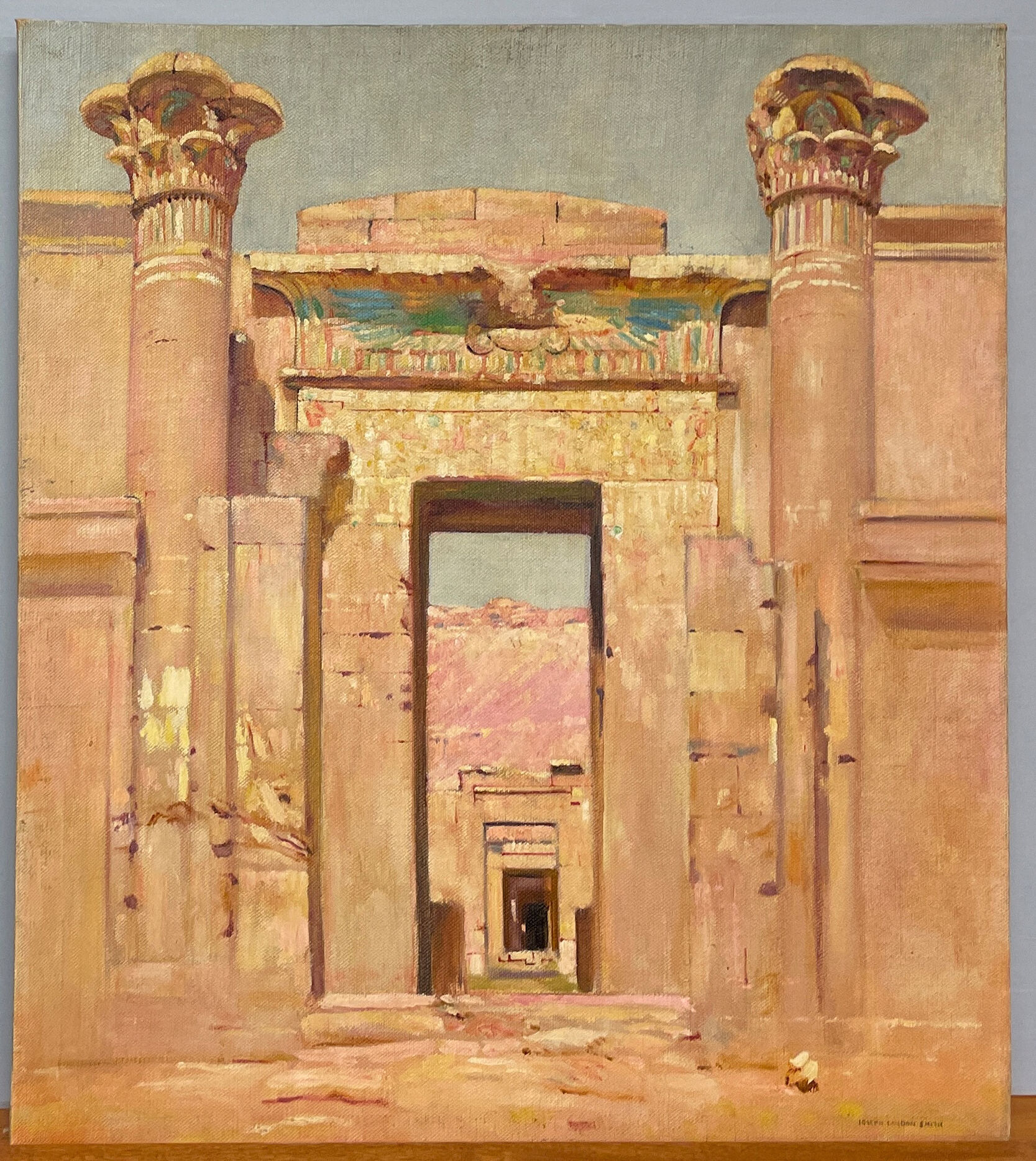
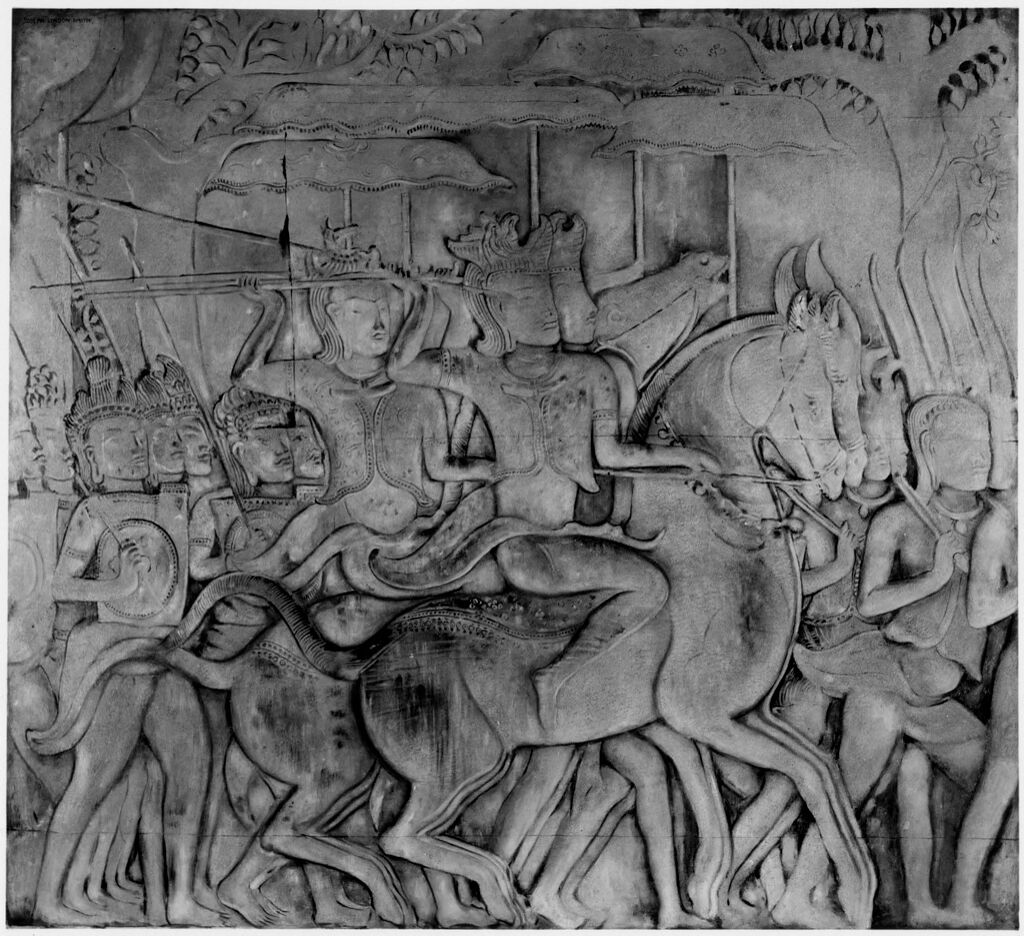
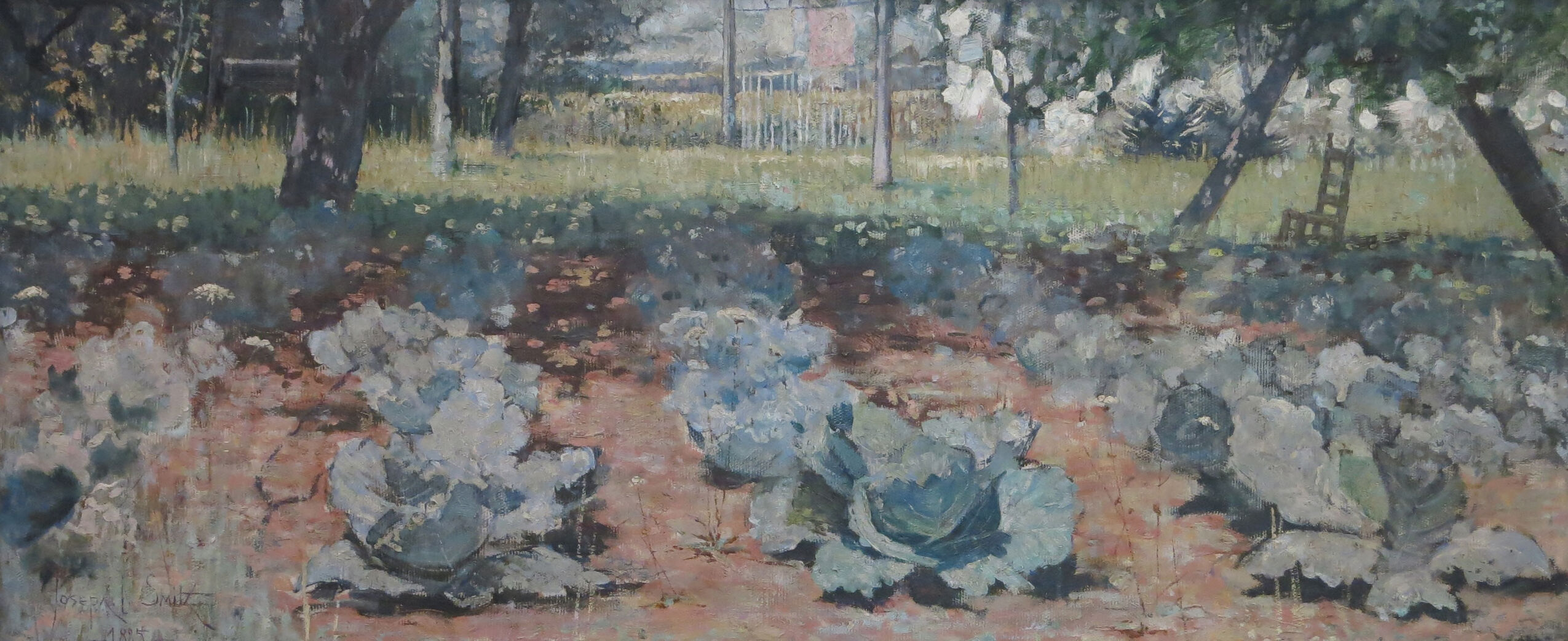
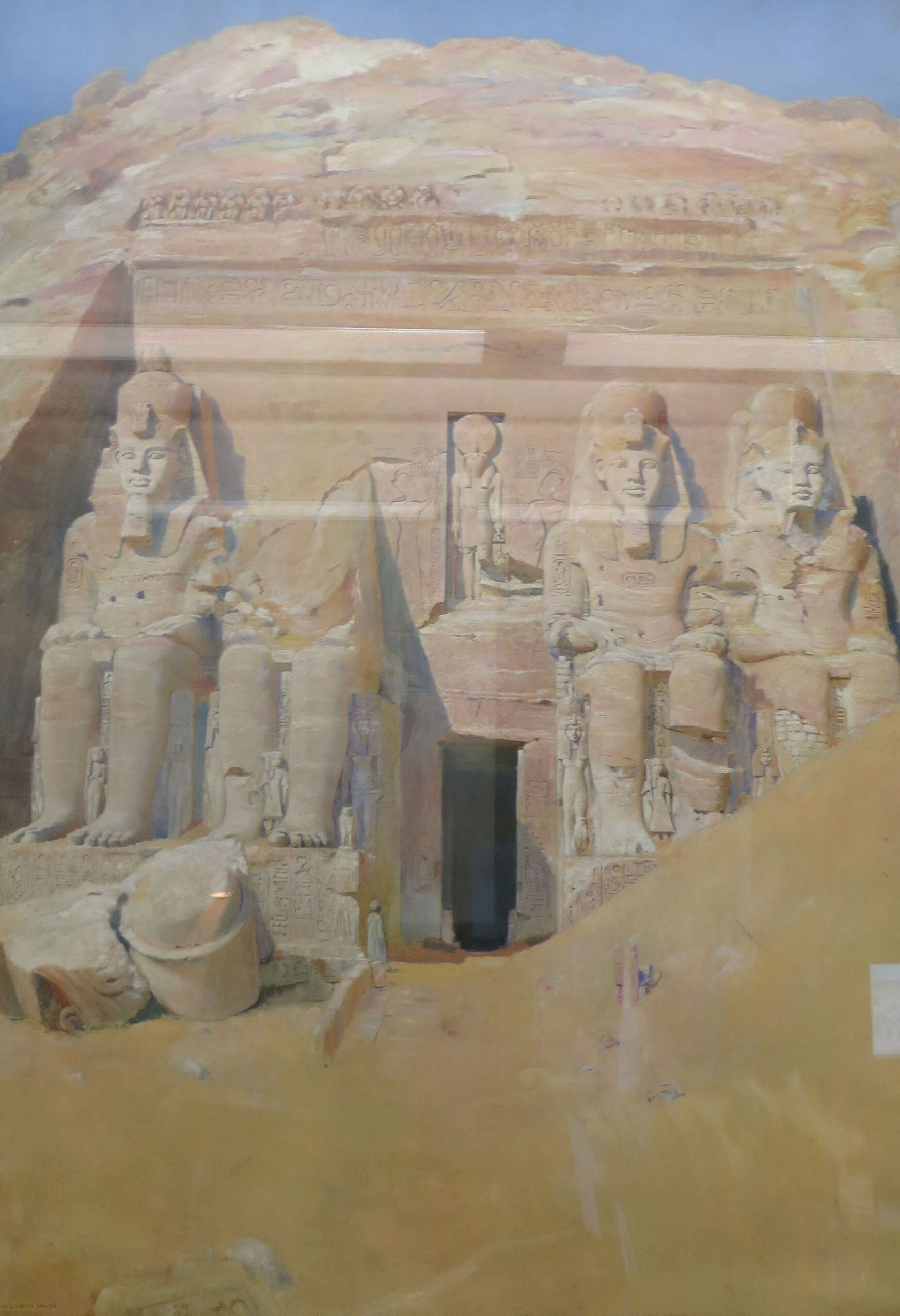
This tension between beauty and struggle fosters a profound connection, urging the viewer to confront their own juxtaposition of joy and sorrow. Joseph Lindon Smith painted Mountain Landscape in the late 19th to early 20th century, during a period marked by a growing interest in nature and American landscapes. Residing in New England, he was influenced by the American Impressionist movement that sought to capture the fleeting effects of light on the natural world. This work reflects not only his technical prowess but also the era's shifting perceptions of beauty in art, as he explored the relationship between landscape and emotion.