Joseph Lovering (1813-1892) — History & Analysis
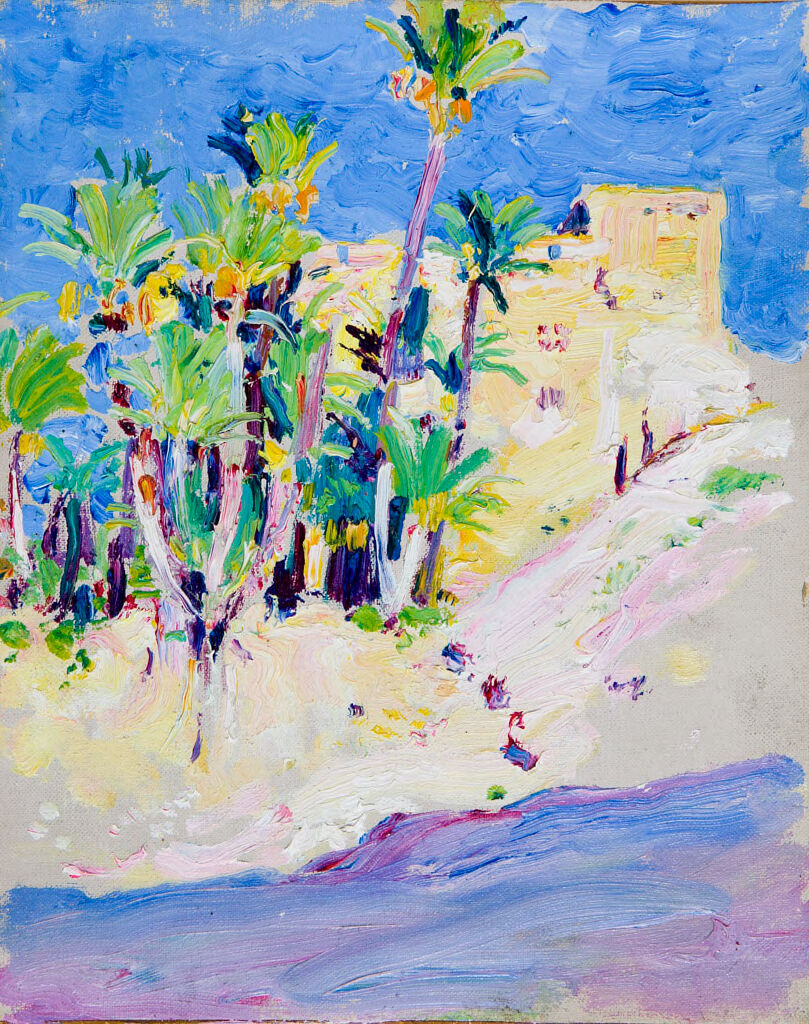
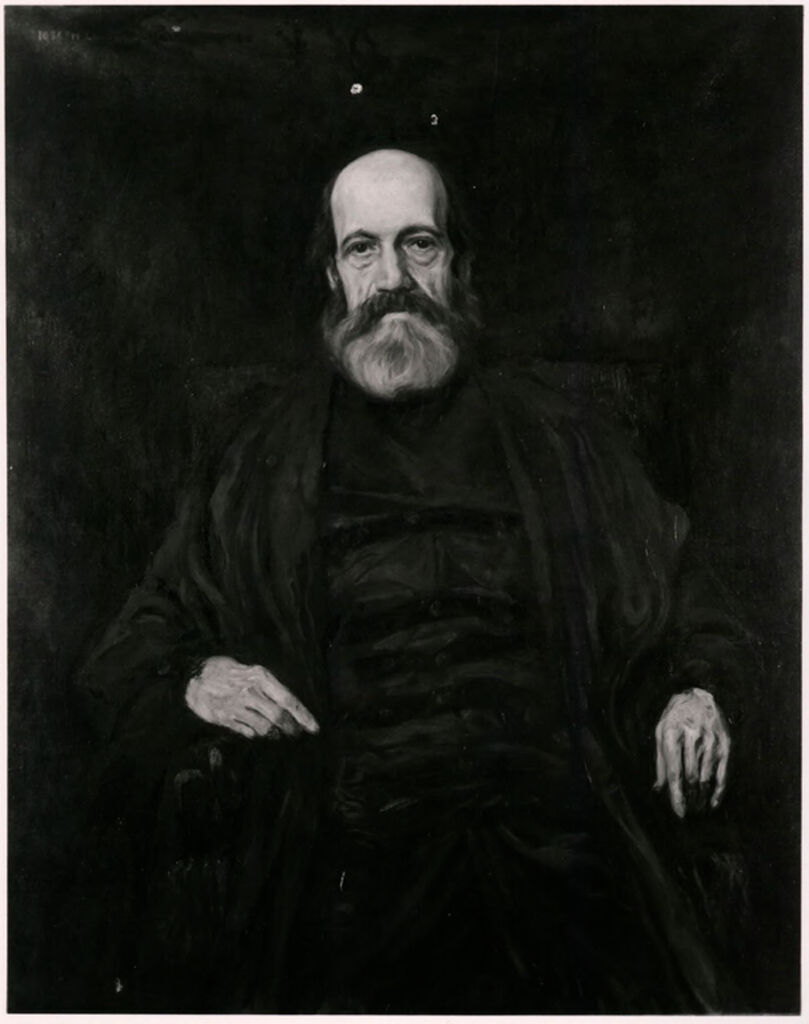
Can paint confess what words never could? In Joseph Lovering, the brush dances between clarity and chaos, revealing the tumult of the human psyche captured in hues and strokes. Look to the left at the vivid, swirling colors that seem to pulse with energy, drawing you into the portrait's emotional core. Notice the way light bathes the subject's face, highlighting the intricacies of his expression—an unsettling mix of contemplation and despair.
The background, a tumult of dynamic brushwork, amplifies the subject's isolation, suggesting a mind teetering on the brink. Delve deeper into the juxtaposition of vivid colors and shadowed corners, where the vibrant palette hints at joy yet contrasts sharply with the aura of madness that envelops the figure. The meticulous rendering of the hands, poised almost nervously, speaks to the inner conflict, while the enigmatic gaze invites viewers to question what lies beneath the surface of this depicted reality.
Each stroke creates a dialogue between sanity and insanity, reflecting the artist’s understanding of complex human emotion. During the late 19th to early 20th century, Smith painted this significant piece amidst an era of profound change in the art world, where traditional methods clashed with emerging movements. Living in a time when psychological exploration became increasingly relevant, the artist sought to depict the nuances of the human condition, influenced by his own experiences in a world that often equated madness with genius.