Capriccio of the Via Appia Antica, near Rome, with the tomb of Cecilia Metella and the Claudian Aqueduct — History & Analysis
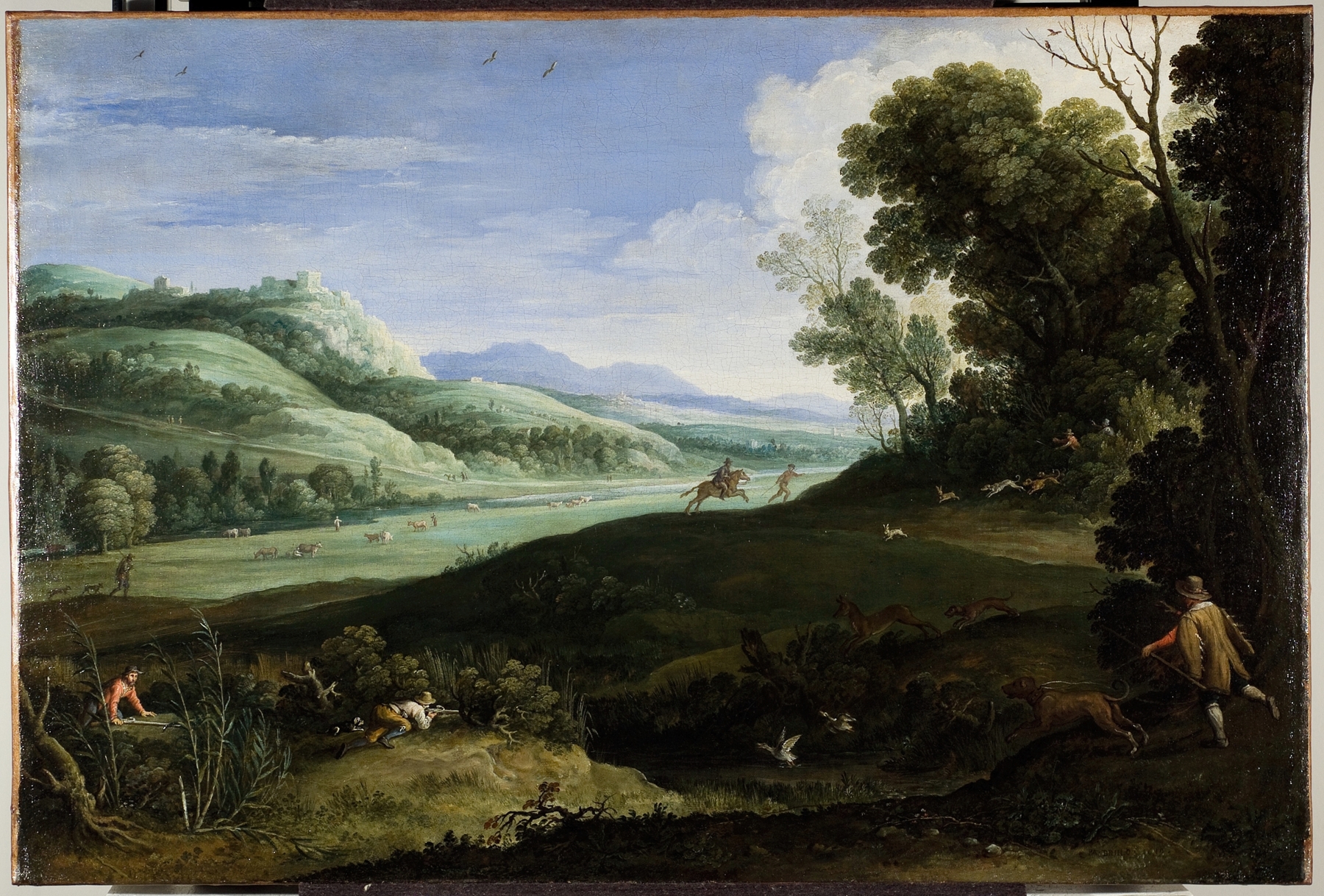
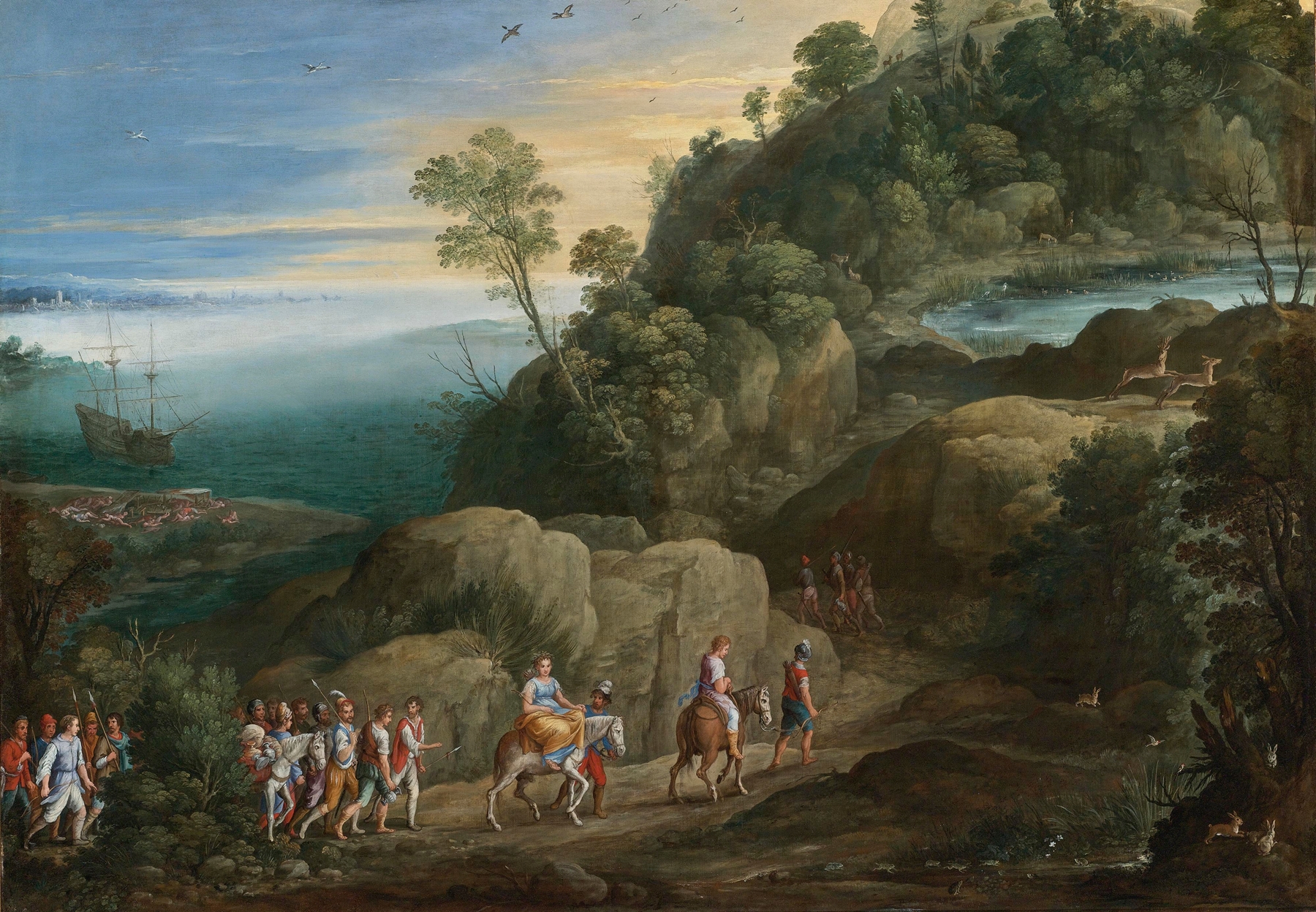
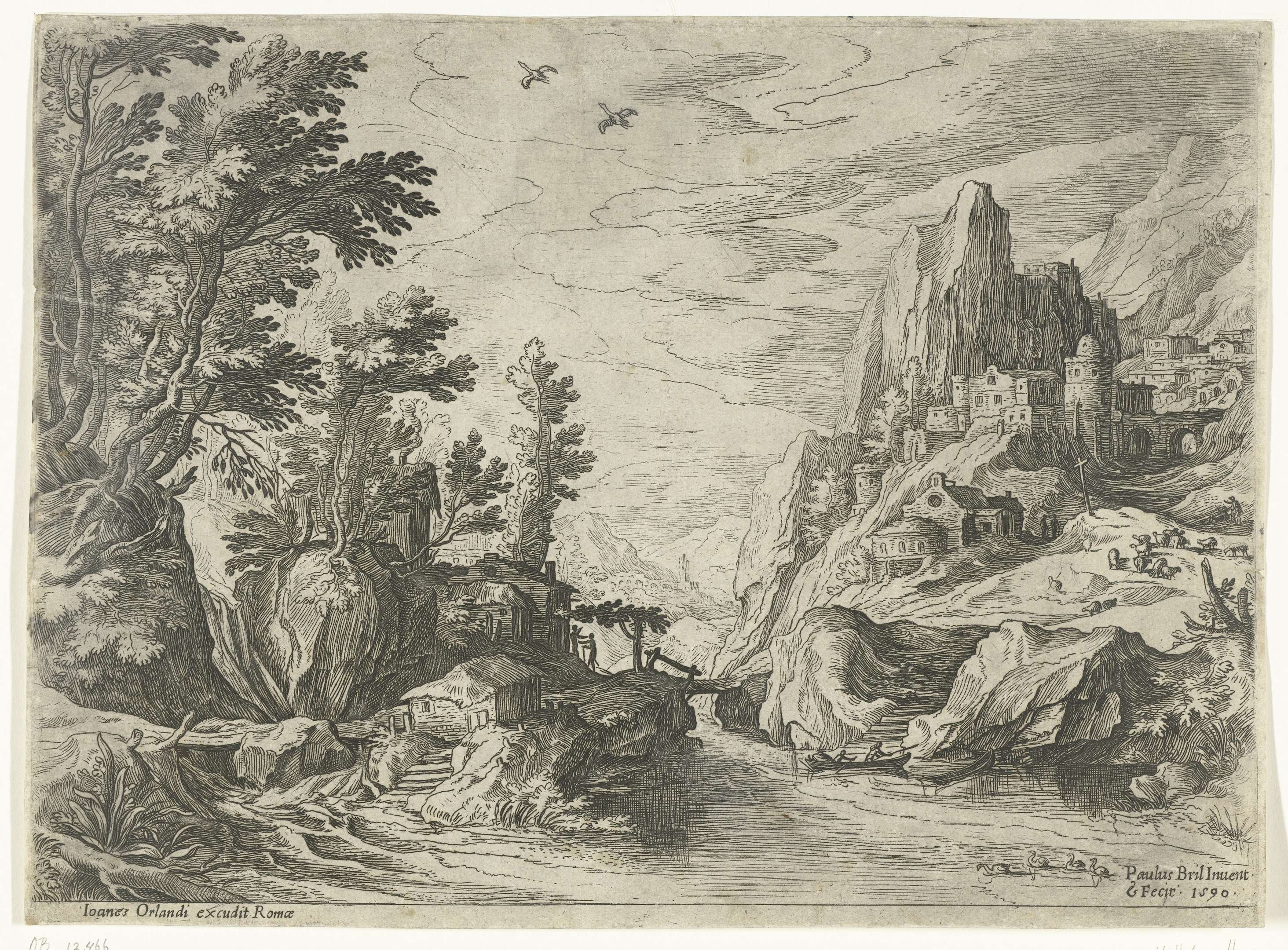
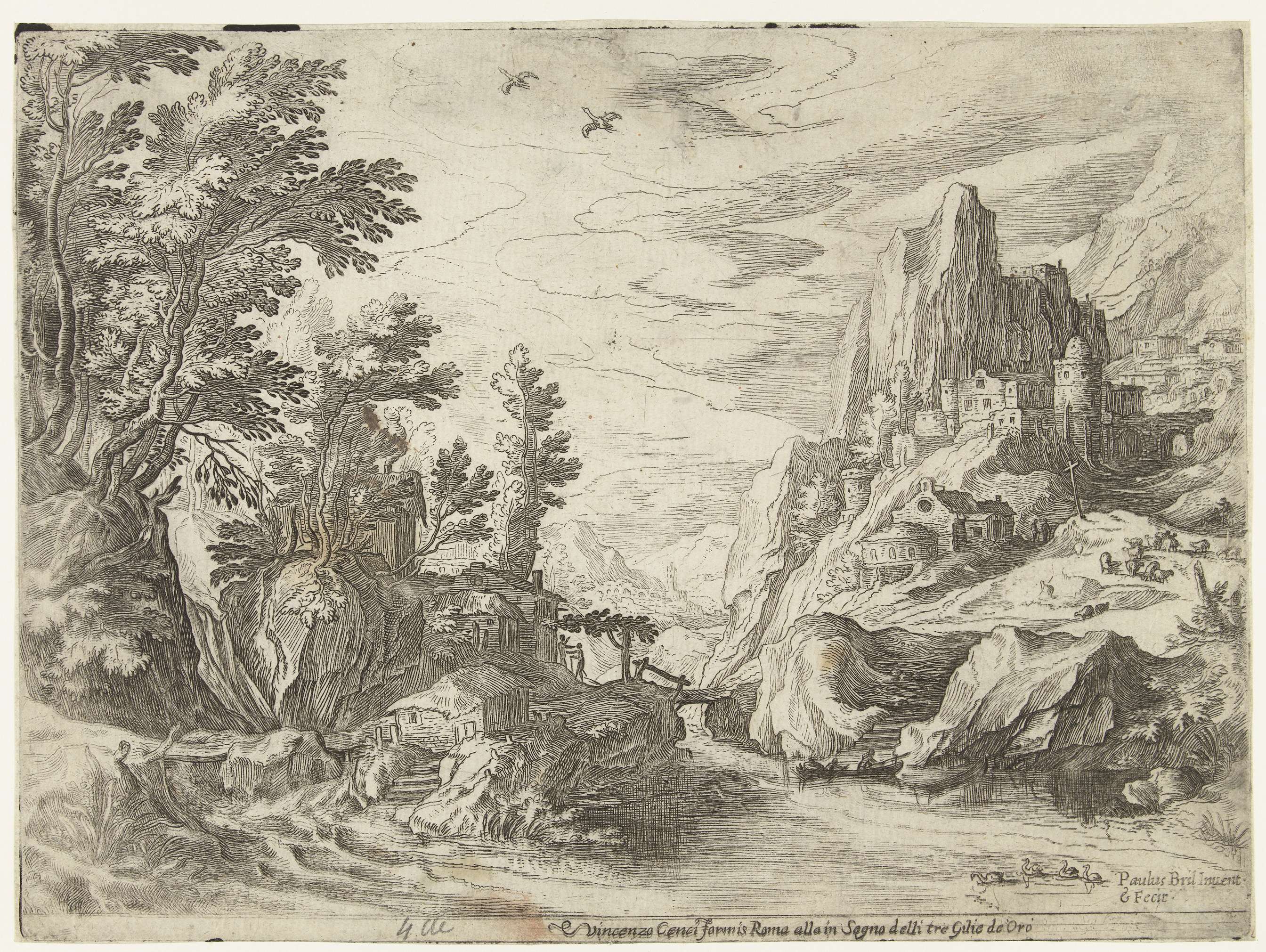
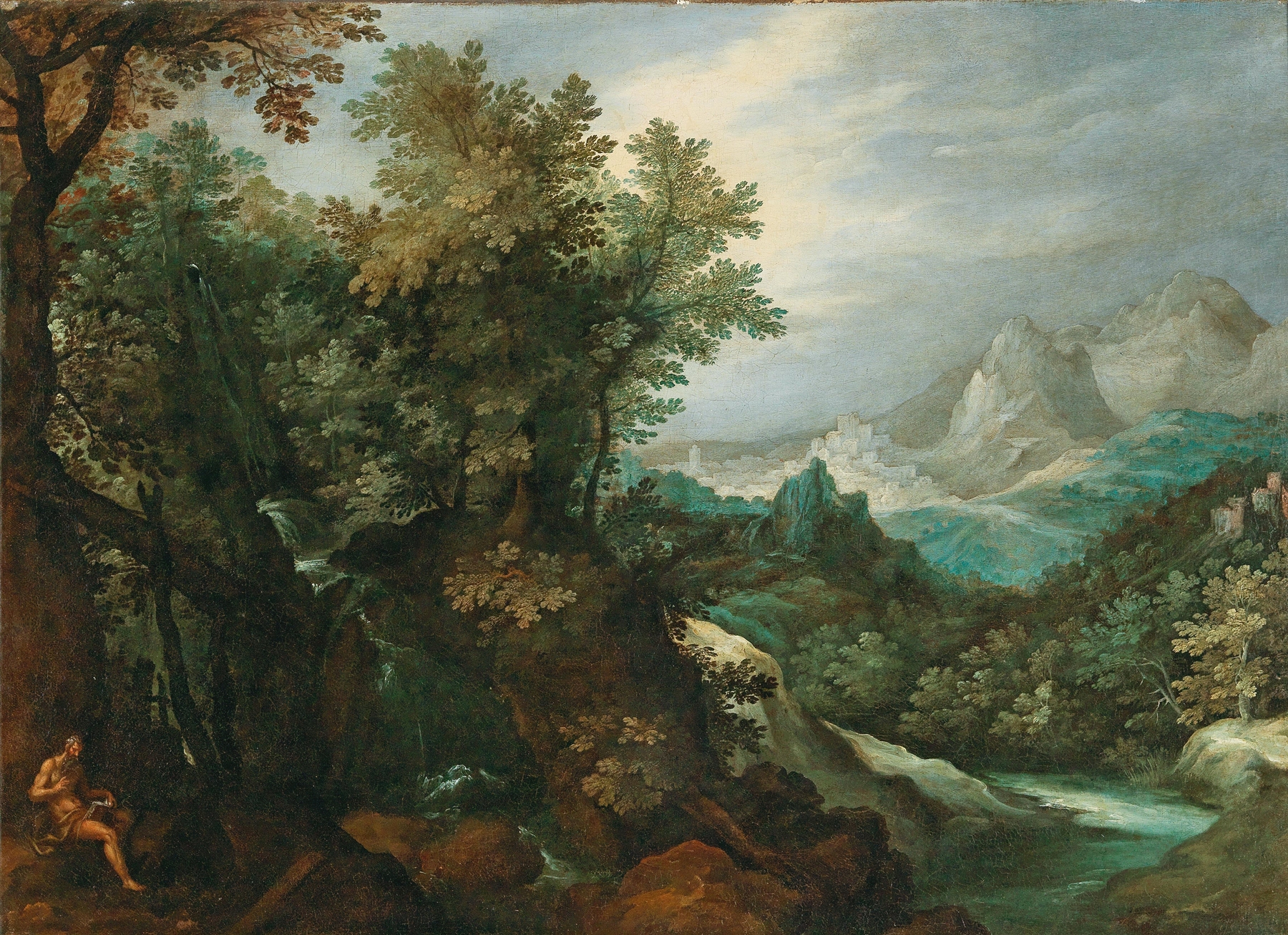
“Every brushstroke is a heartbeat remembered.” In the play of light and shadow, the past whispers through time, inviting us to explore the echoes of history that linger in every corner. Look to the left at the ancient Claudian Aqueduct, its grand arches stretching across the canvas like silent guardians of memory. Notice how the soft, golden light bathes the tomb of Cecilia Metella in warmth, casting elongated shadows that dance upon the earth. The palette of rich greens and earthy browns encapsulates both the vibrancy of nature and the decay of time, drawing the eye toward the intricate detail of foliage that clings to the ruins, suggesting a tenacious bond between life and history.
The juxtaposition of the monumental structures against the meandering path evokes a sense of journey and reflection, bridging the distance between past and present. The shadows, particularly, speak of transient moments—reminders of those once who walked these ancient byways, now just whispers captured in paint. Each shadow serves as a poignant reminder of the inevitability of passage and the stories entwined in the ruins, breathing life into the stillness of the scene.
Paul Bril painted this work during the late 16th century in Rome, a pivotal time for the Baroque movement. As an artist influenced by the burgeoning appreciation of landscape painting, he navigated the interplay of nature and architecture, responding to the growing fascination within Europe for classical antiquity. His exploration of light and shadow not only highlights the beauty of the ruins but also reflects the broader cultural dialogue of rediscovering the past.