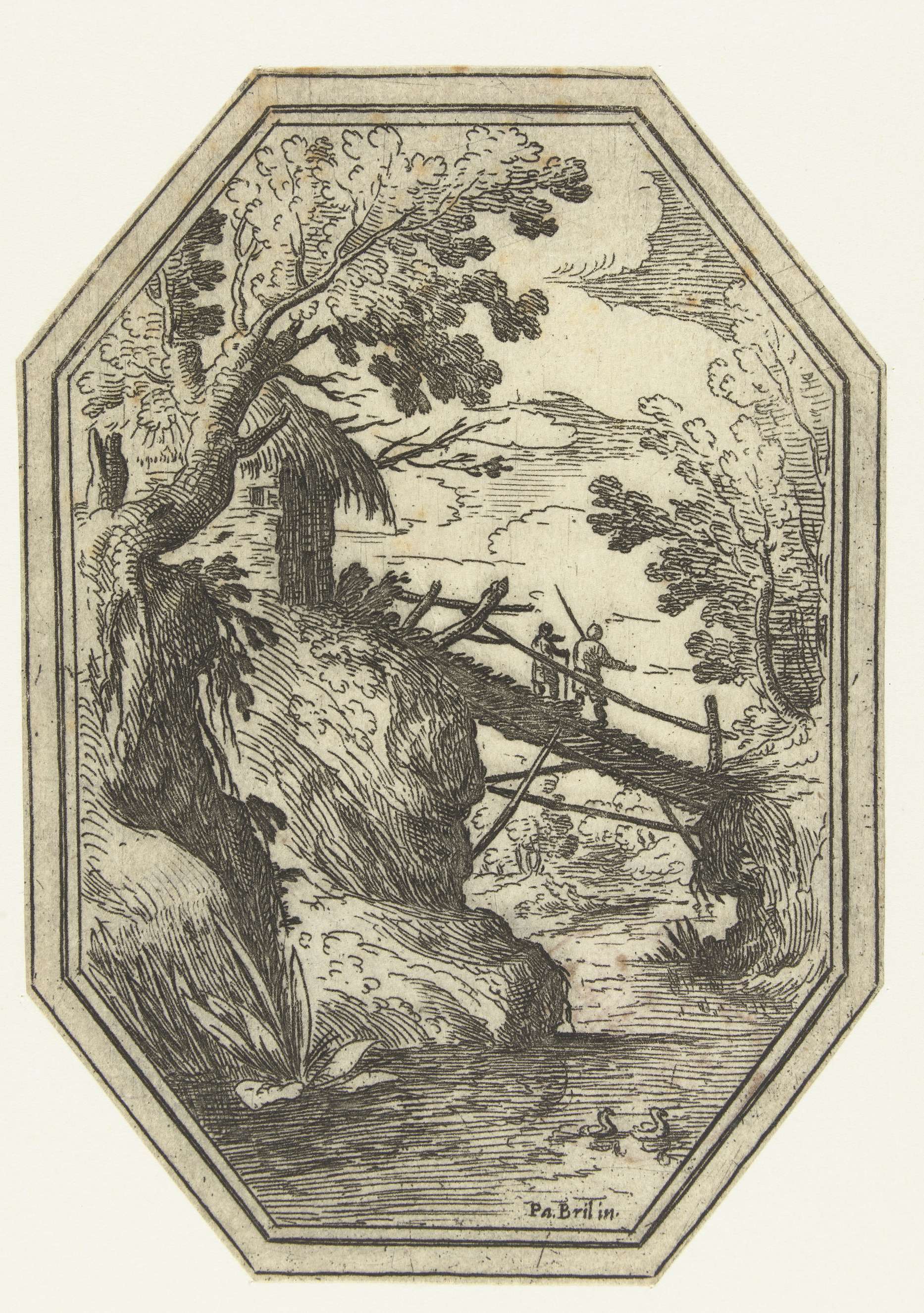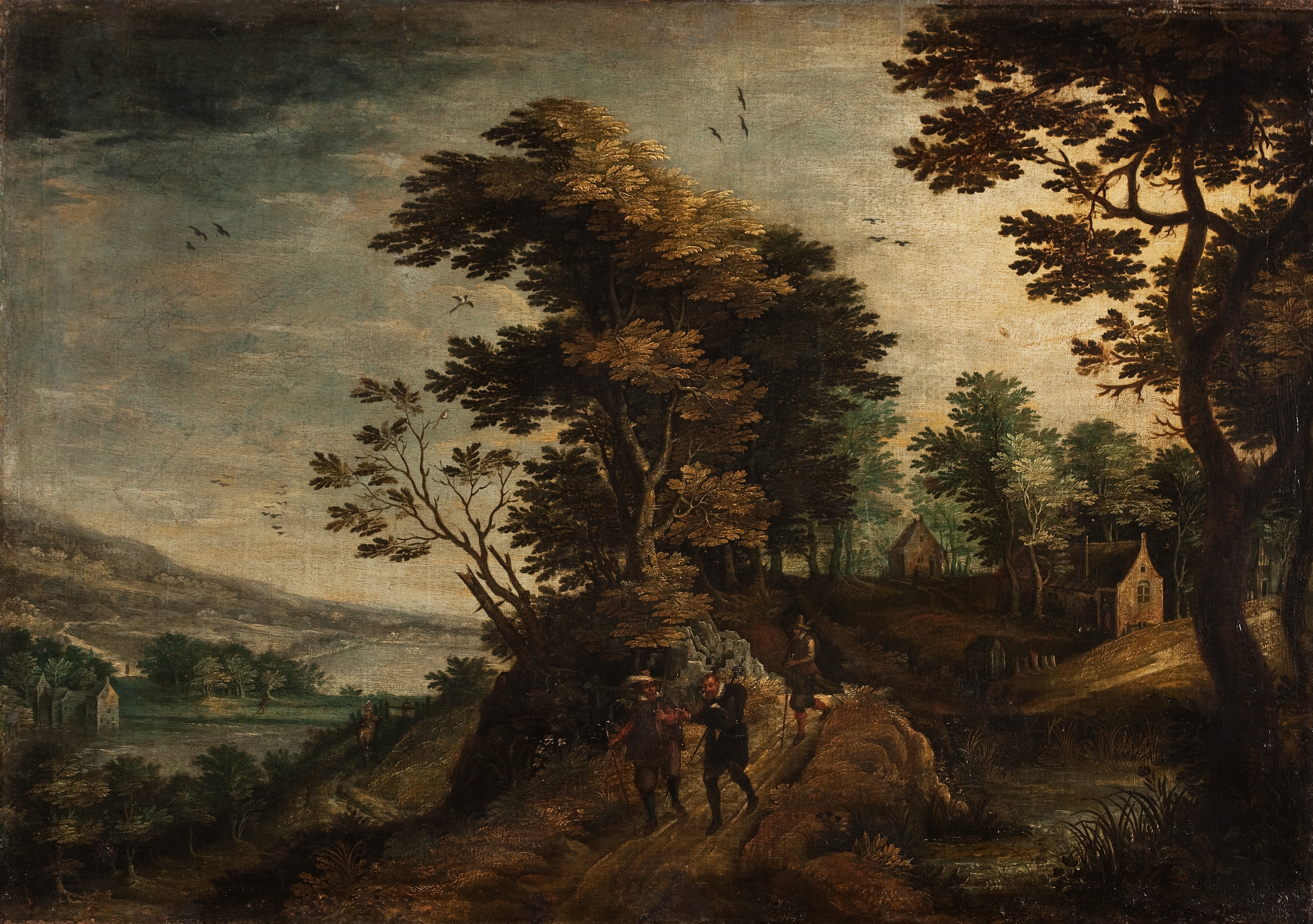
Landscape — History & Analysis
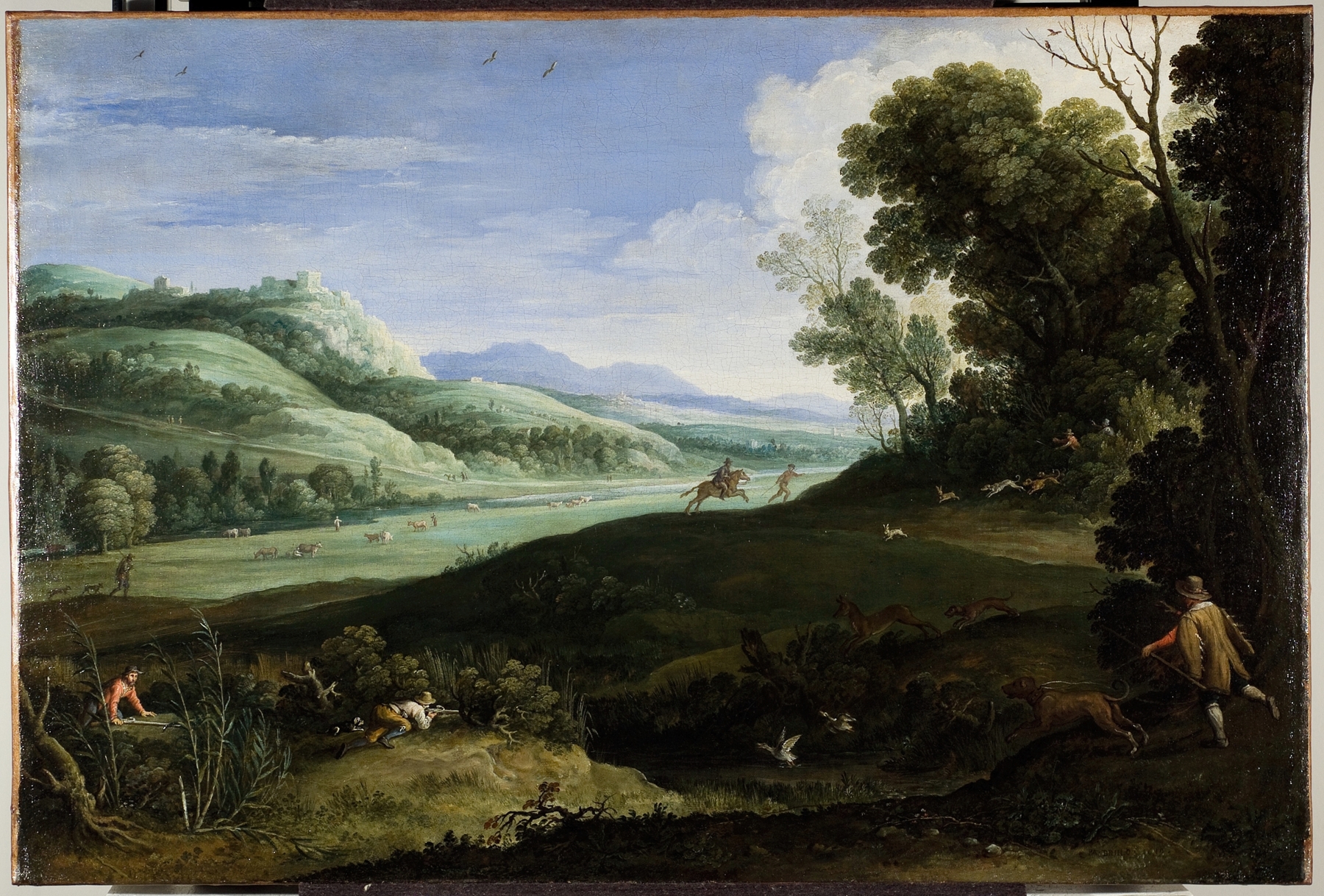
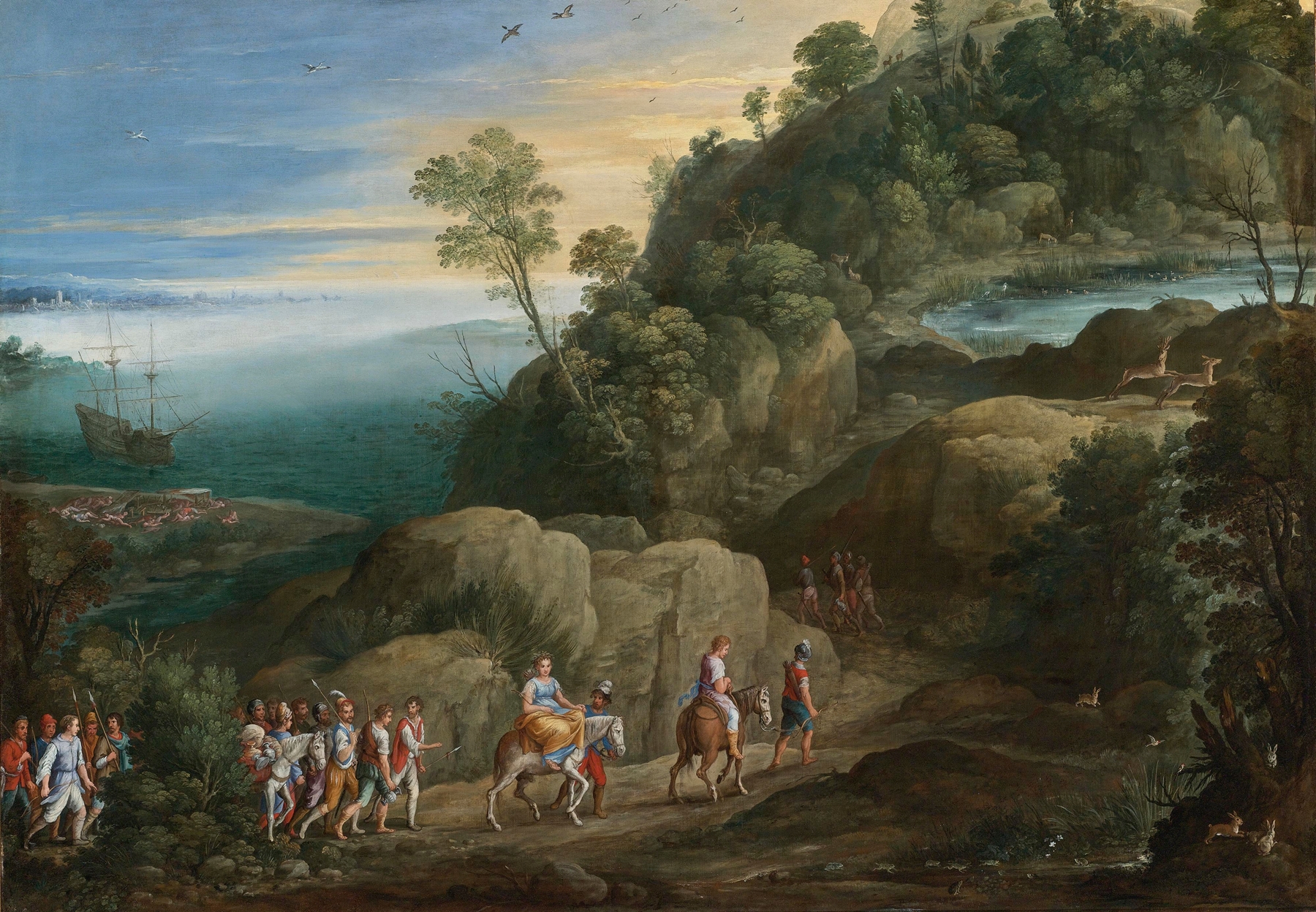
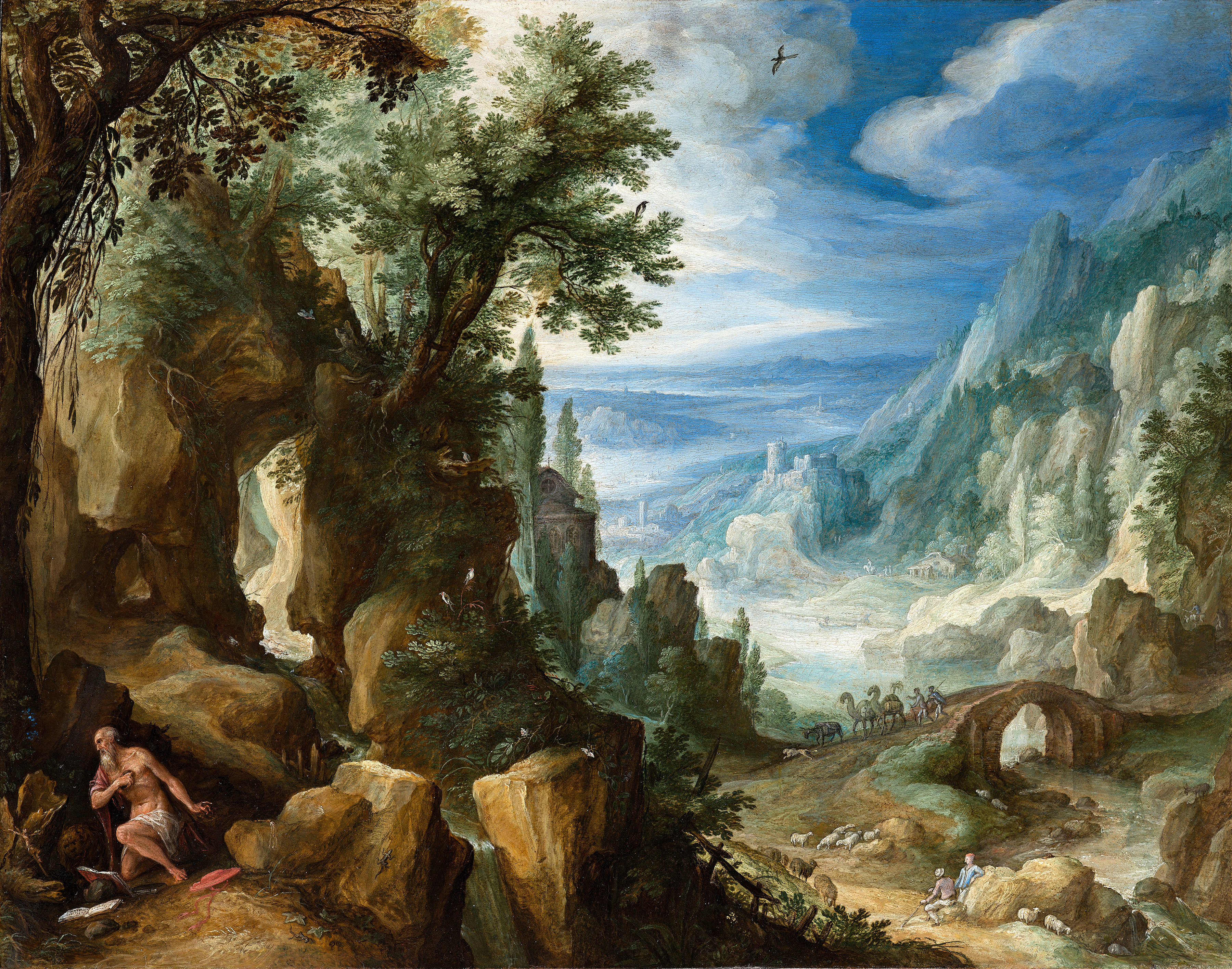
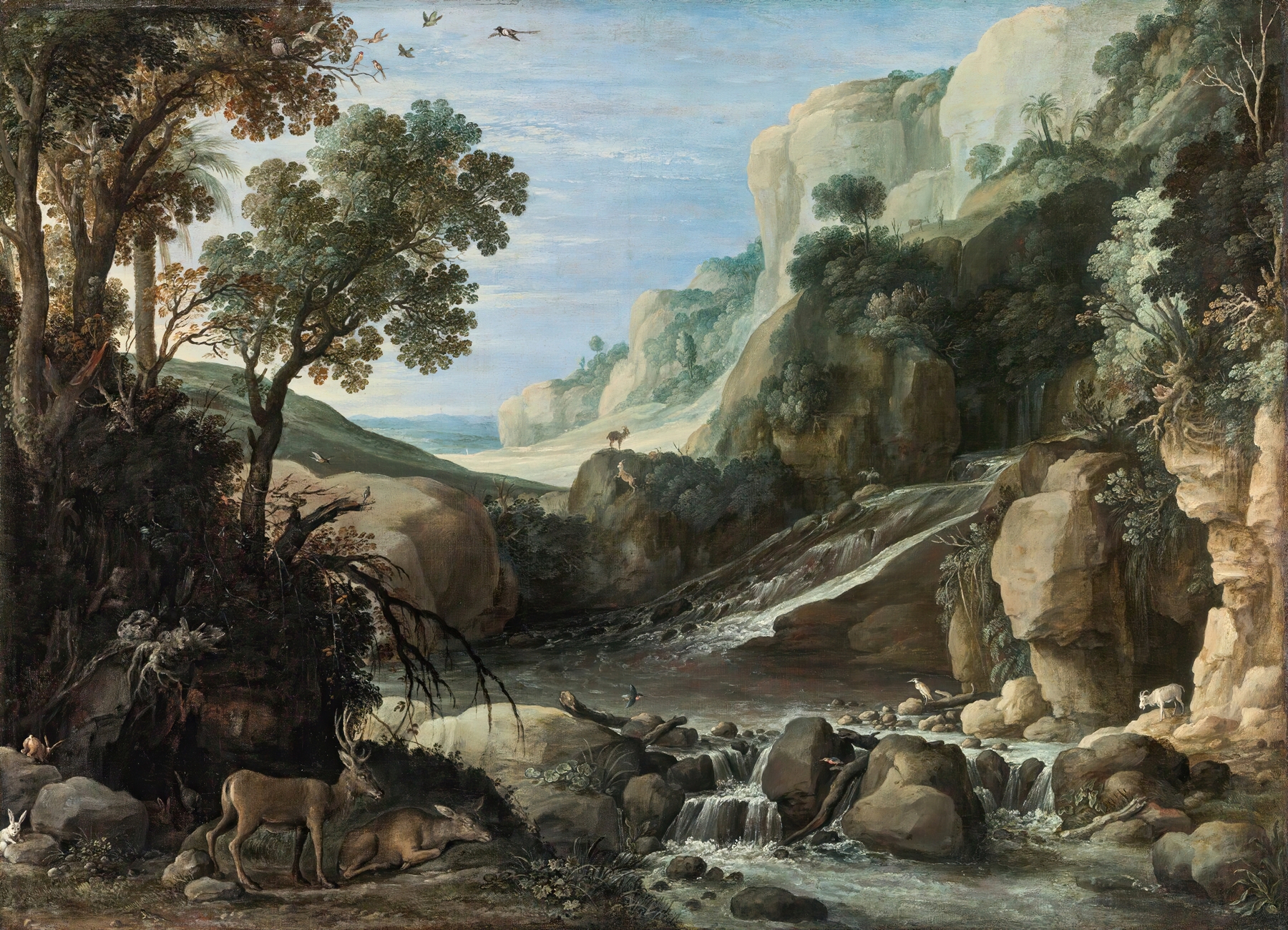
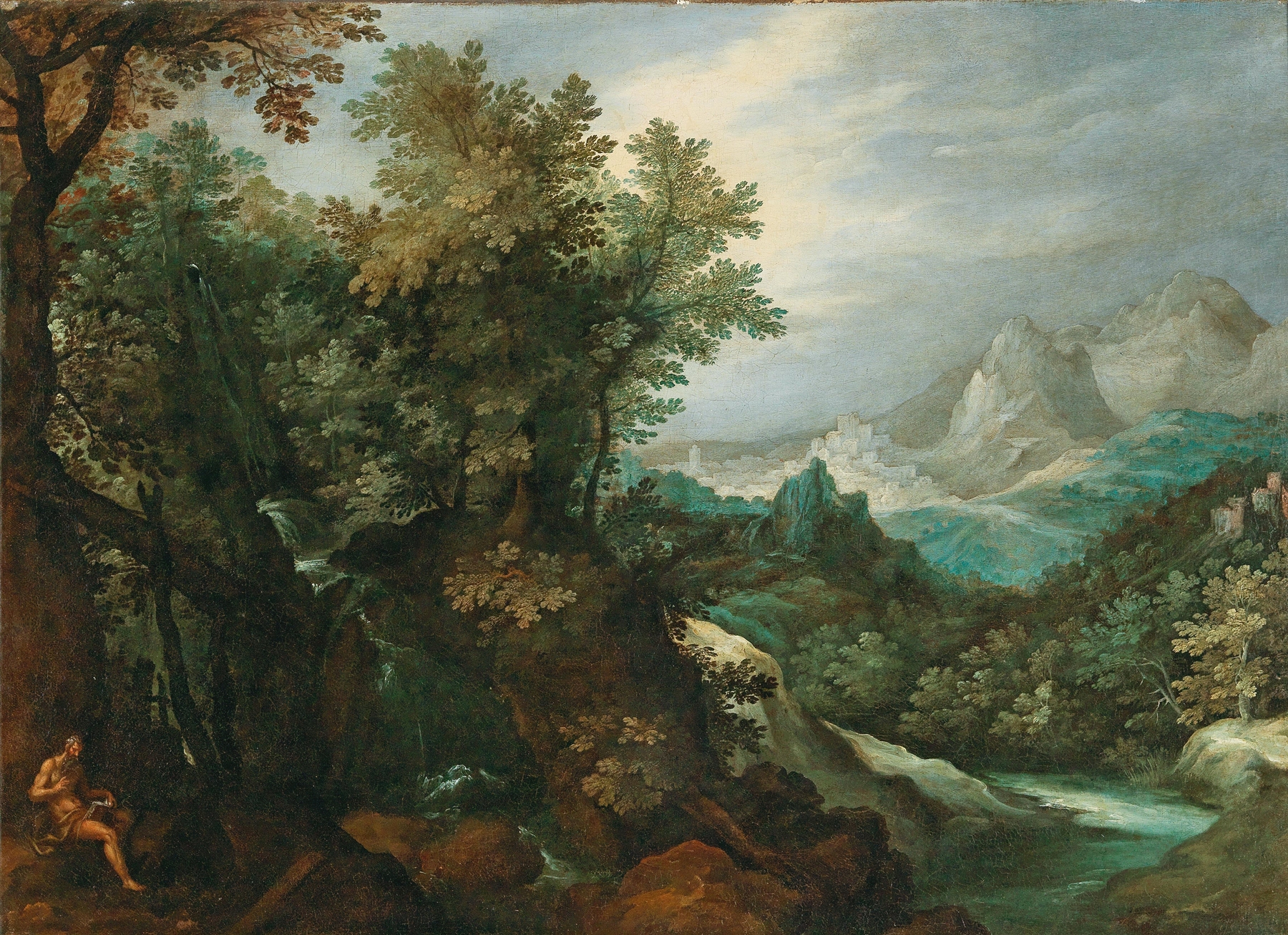
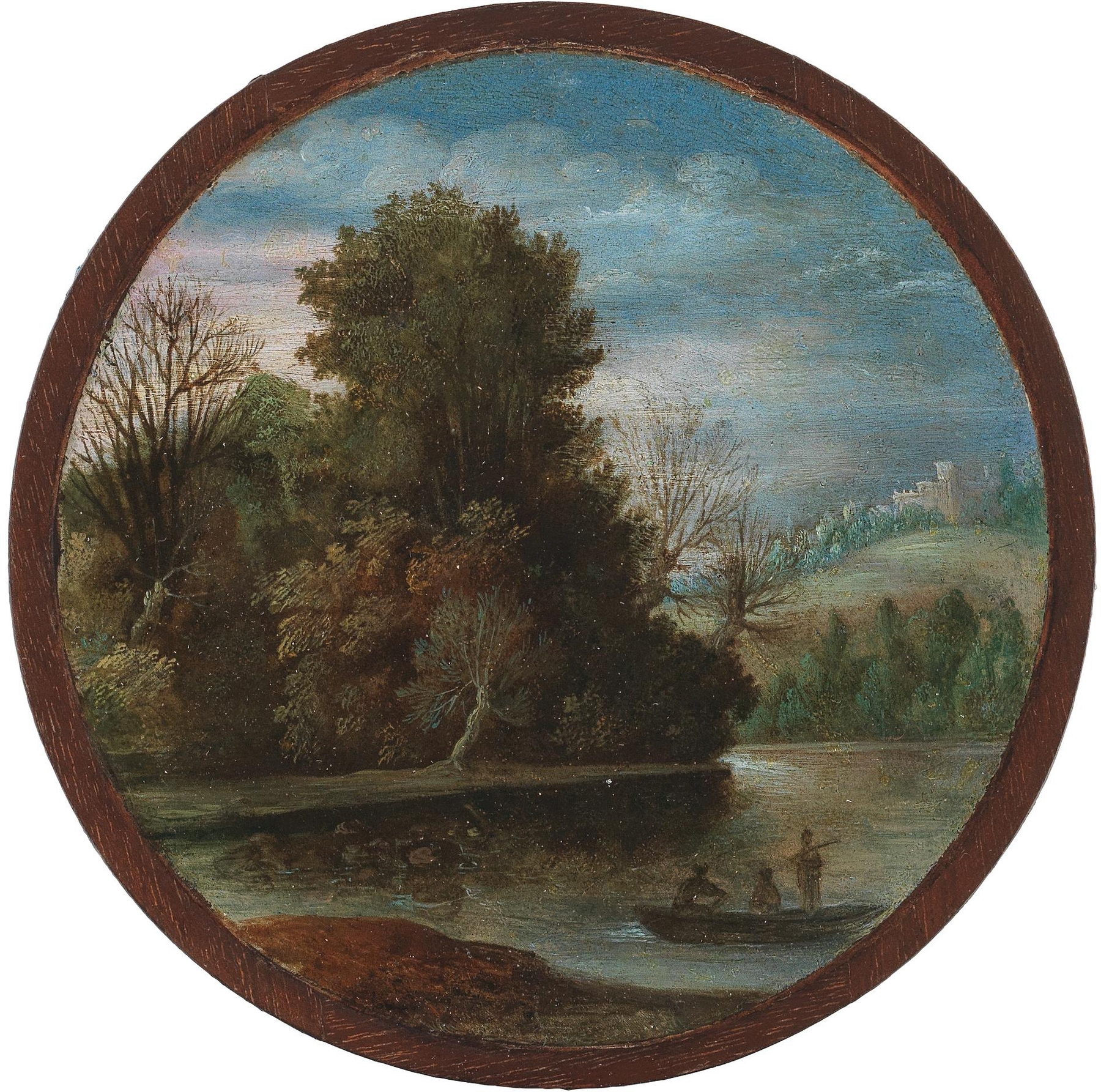
“Every silence here is a confession.” In the stillness of a landscape, truths whisper through undulating hills and scattered trees, inviting introspection and contemplation. Look to the foreground where rich greens intermingle with warm earth tones, guiding your gaze into the depths of the scene. The layered composition draws you in, with a gentle gradient of colors that transition seamlessly from deep shadows to bright highlights where sunlight kisses the treetops. Notice how the horizon line is subtly pushed high, creating a sense of vastness while allowing every detail to breathe, as if the land itself is alive with stories waiting to be unearthed.
At first glance, the idyllic scenery may seem serene, but upon closer inspection, a dichotomy emerges. The delicate balance of light and shadow reflects the duality of nature — both nurturing and harsh. The meticulous brushstrokes, combined with the fragments of untamed wilderness, evoke the tension between civilization and the wild, suggesting that every serene moment holds deeper, unspoken truths. The interplay of colors acts as a metaphor for the complexities of existence, revealing that the landscape is more than just a backdrop; it is a canvas of emotional resonance.
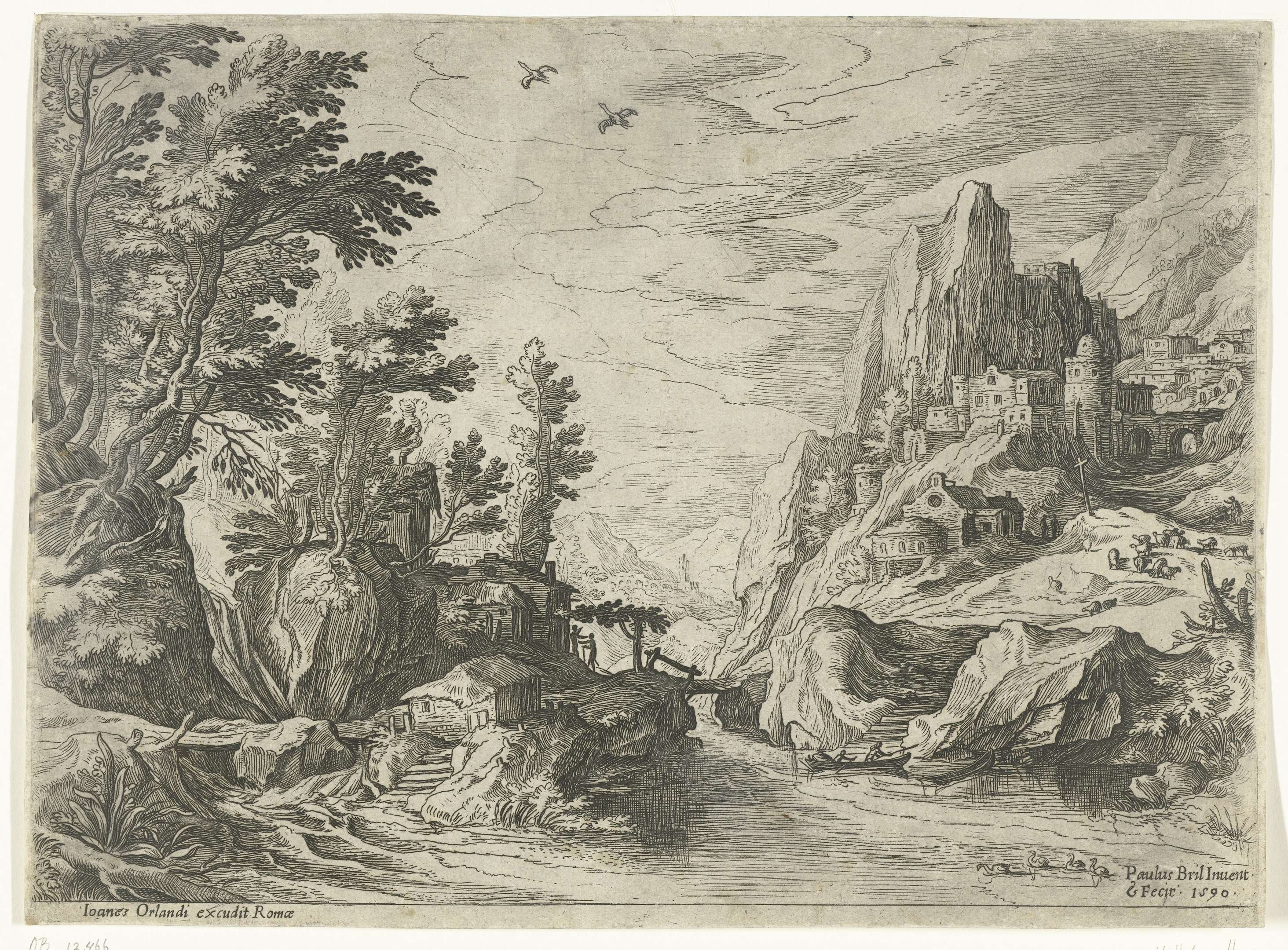
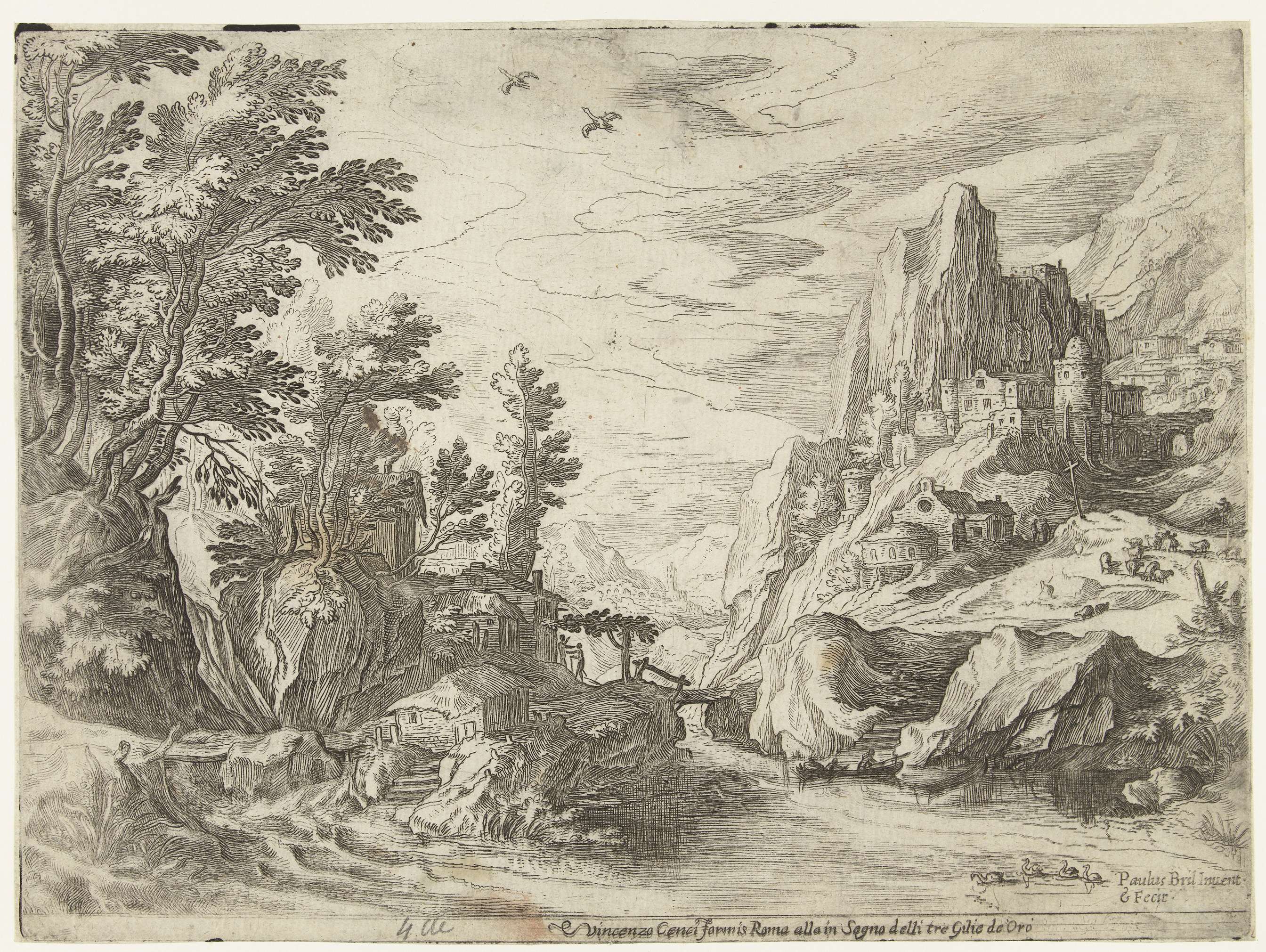
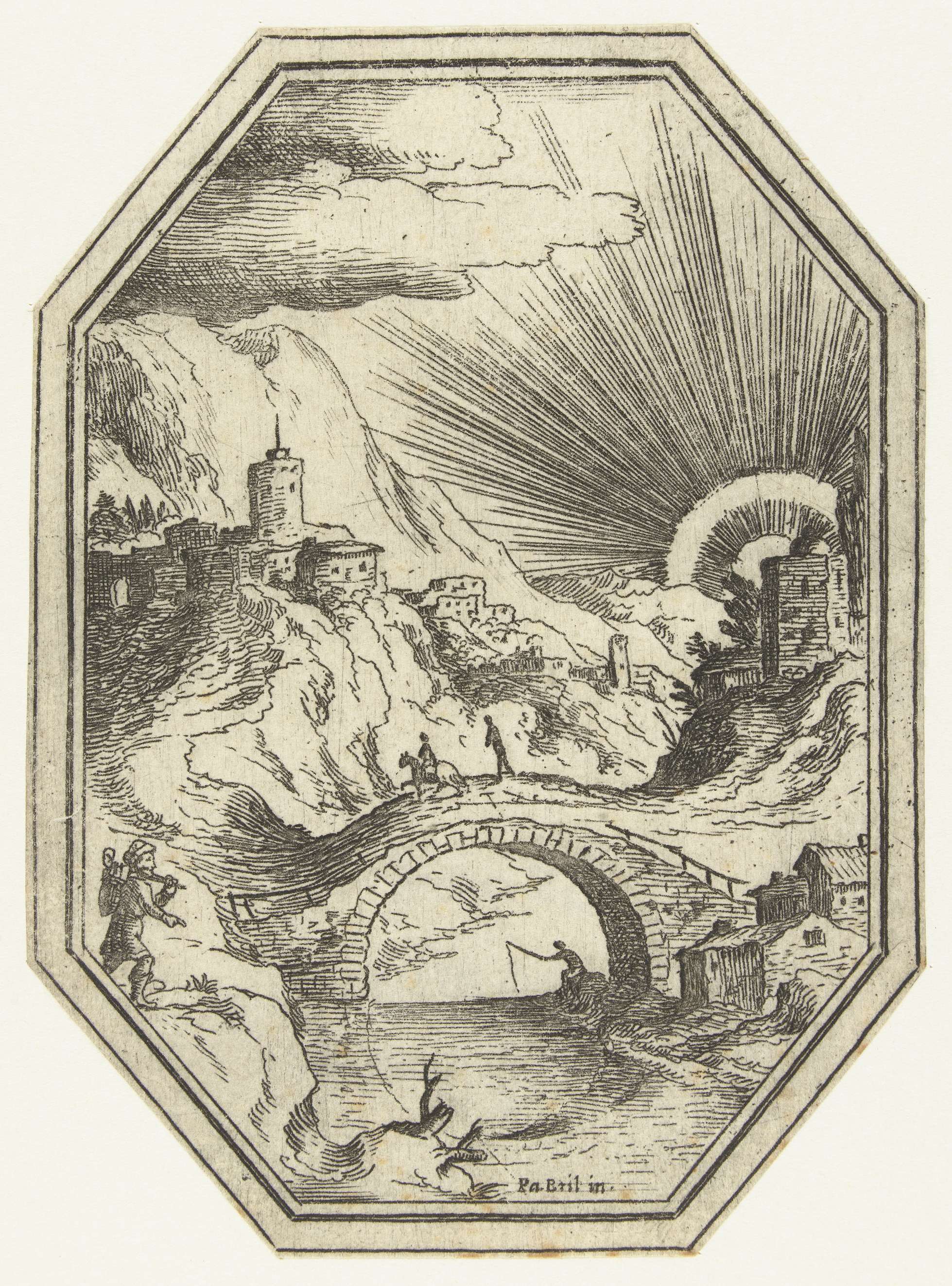
Paul Bril painted this work during a time when the Baroque movement was shaping Europe’s artistic landscape. Living in Italy, he was heavily influenced by the natural beauty surrounding him and the emerging Romantic notions that celebrated nature’s grandeur. While his exact date of creation remains unknown, his engagement with landscapes during the late 16th to early 17th centuries highlights his role in establishing the genre, bridging classical ideals with a fresh appreciation for the natural world.