A mountainous river landscape with a hermit — History & Analysis
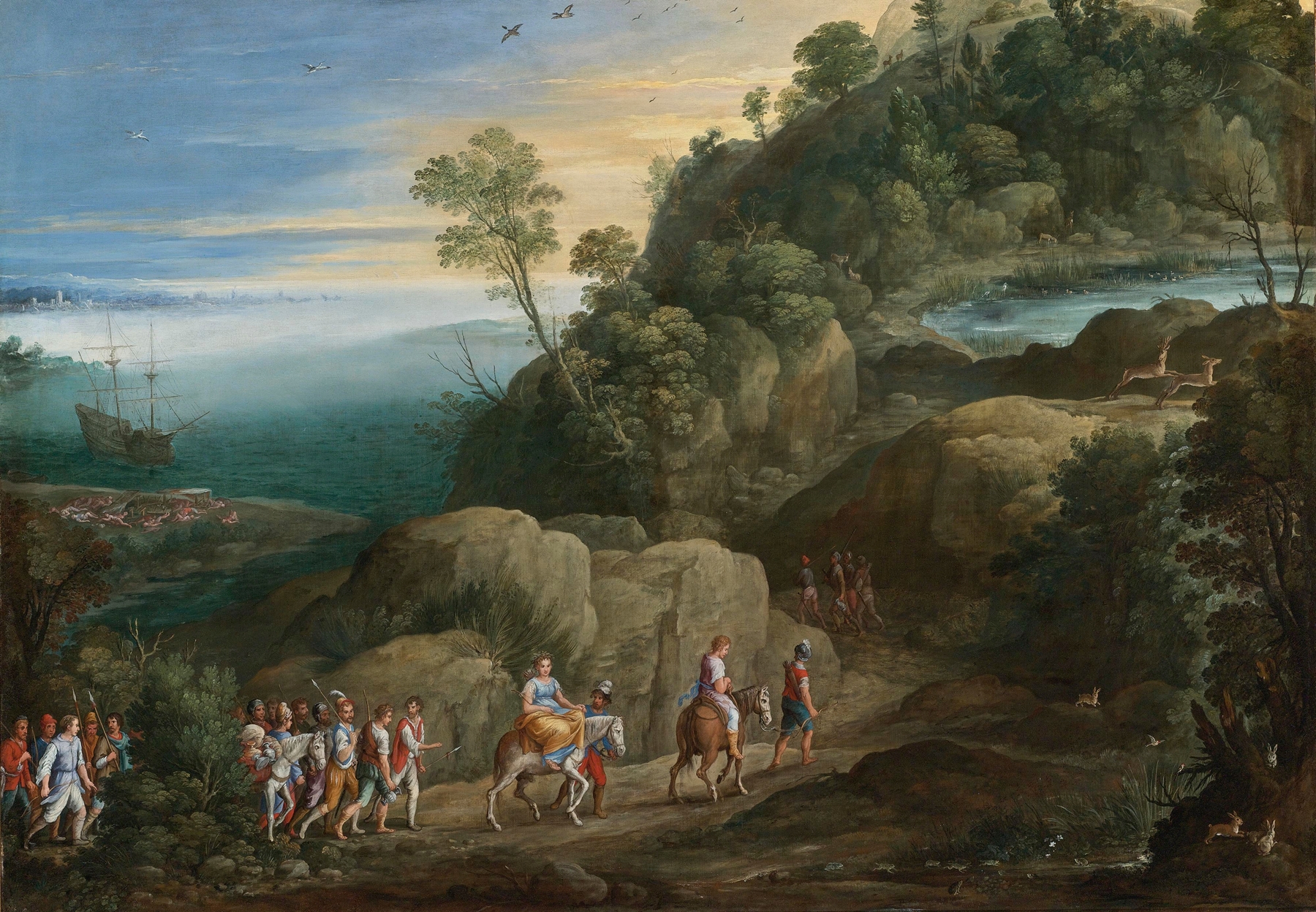
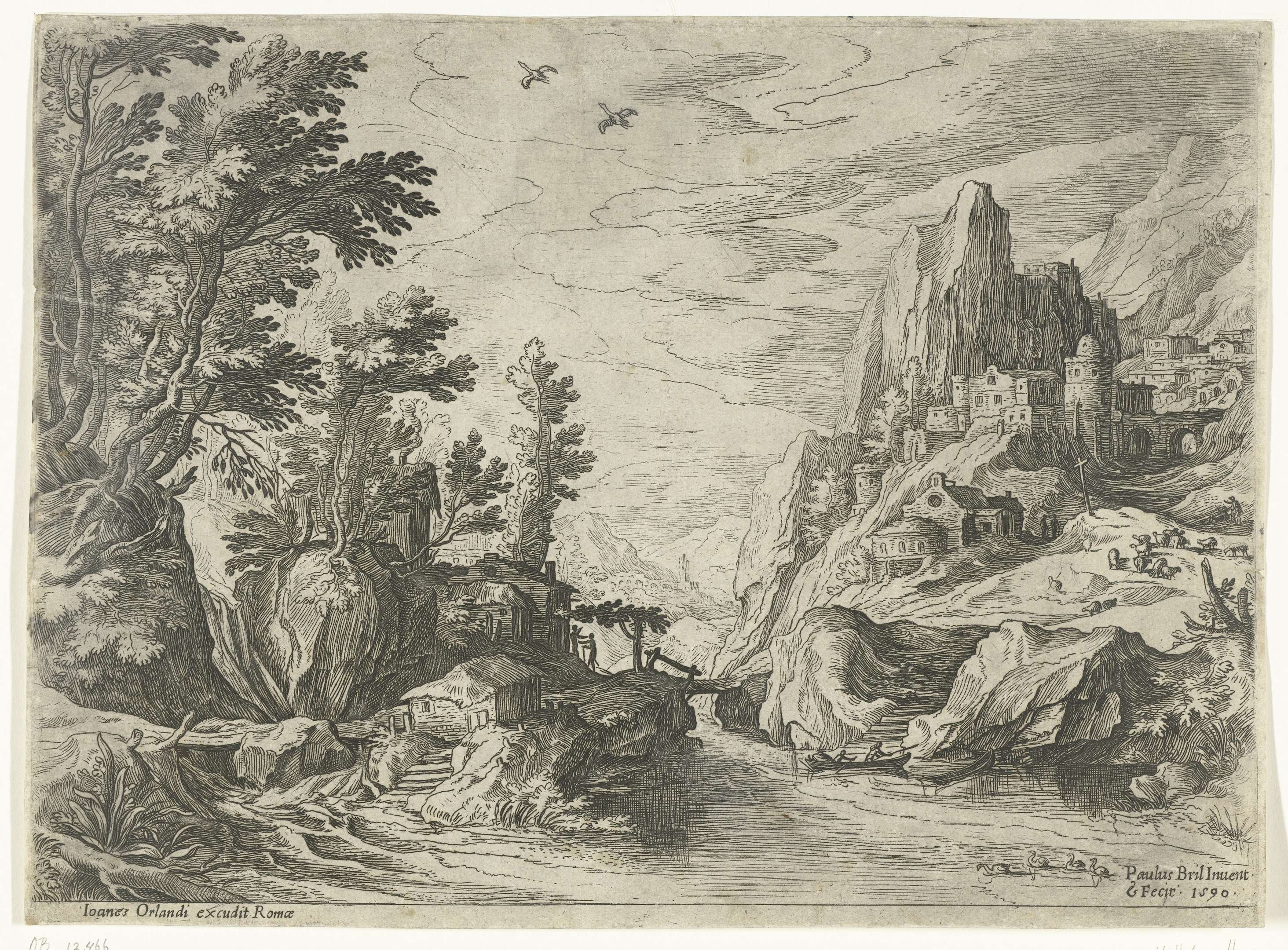
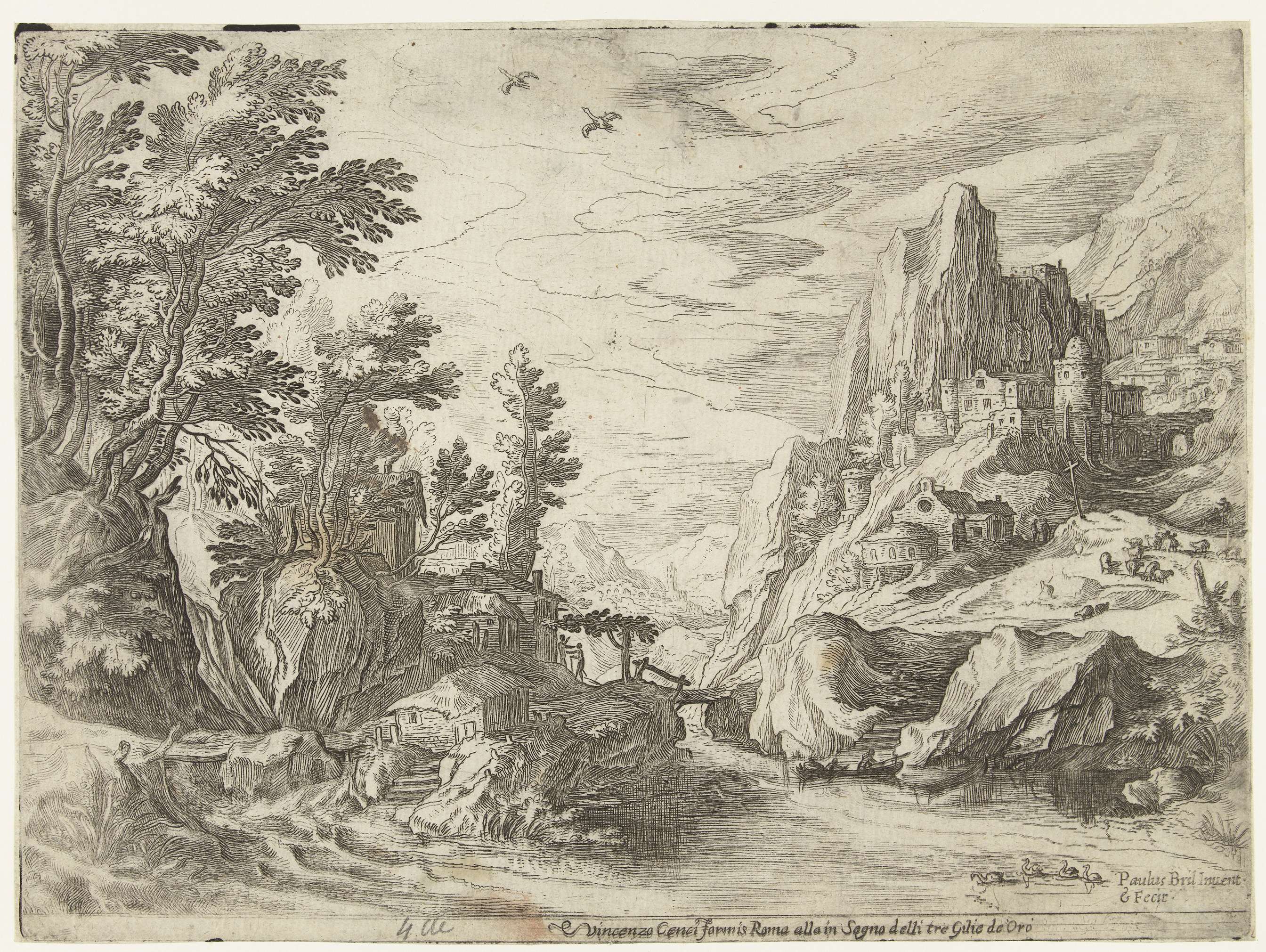
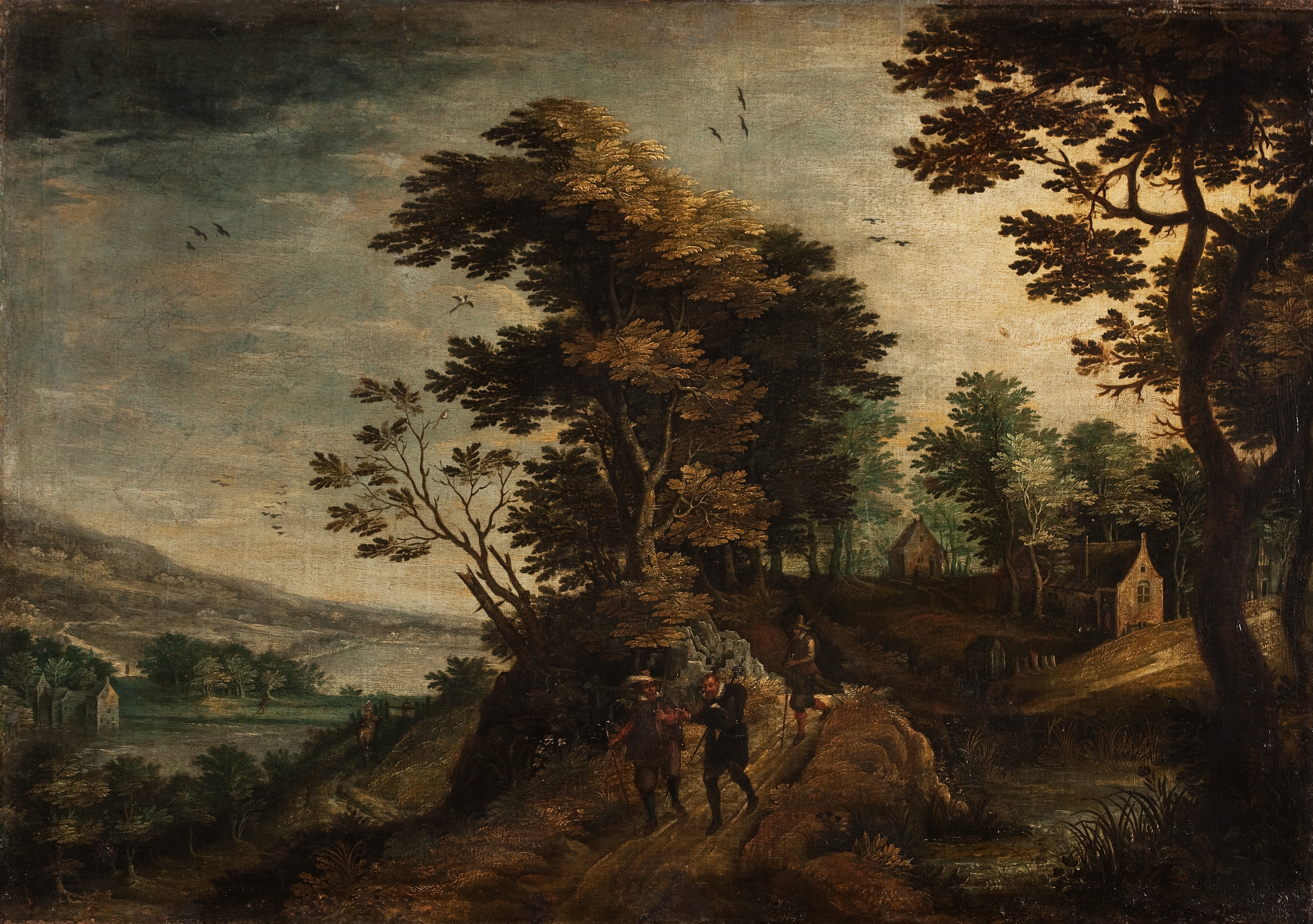
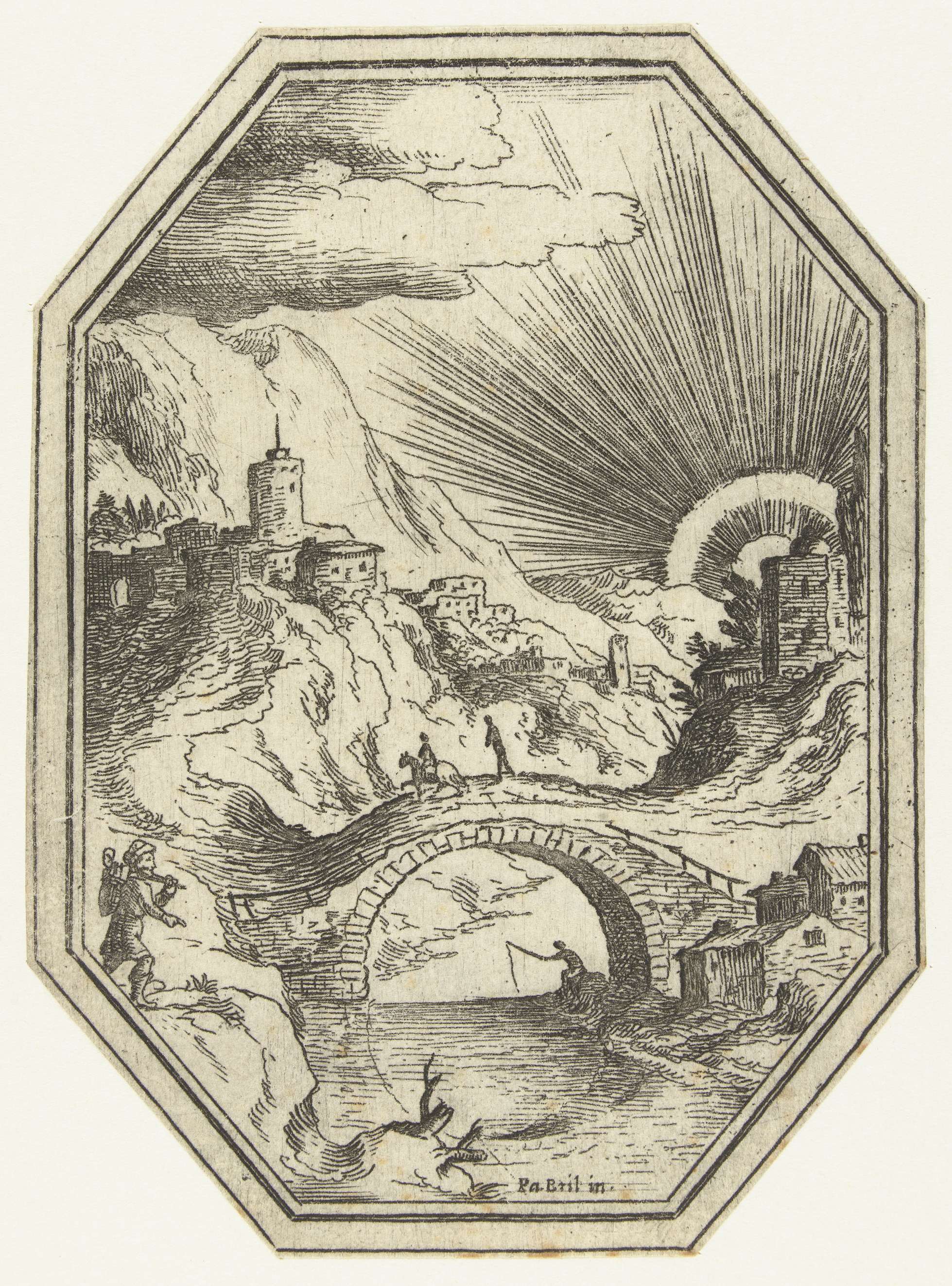
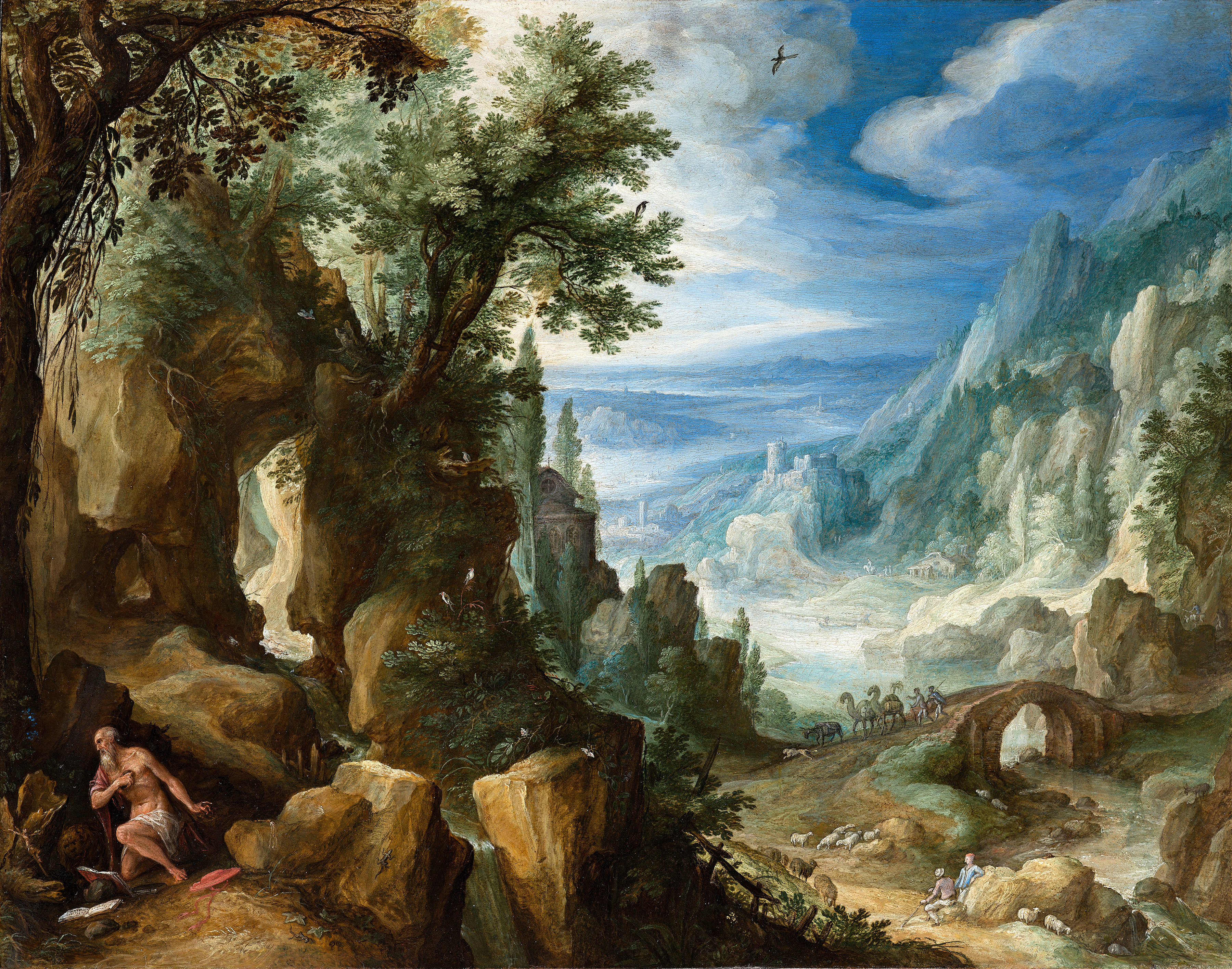
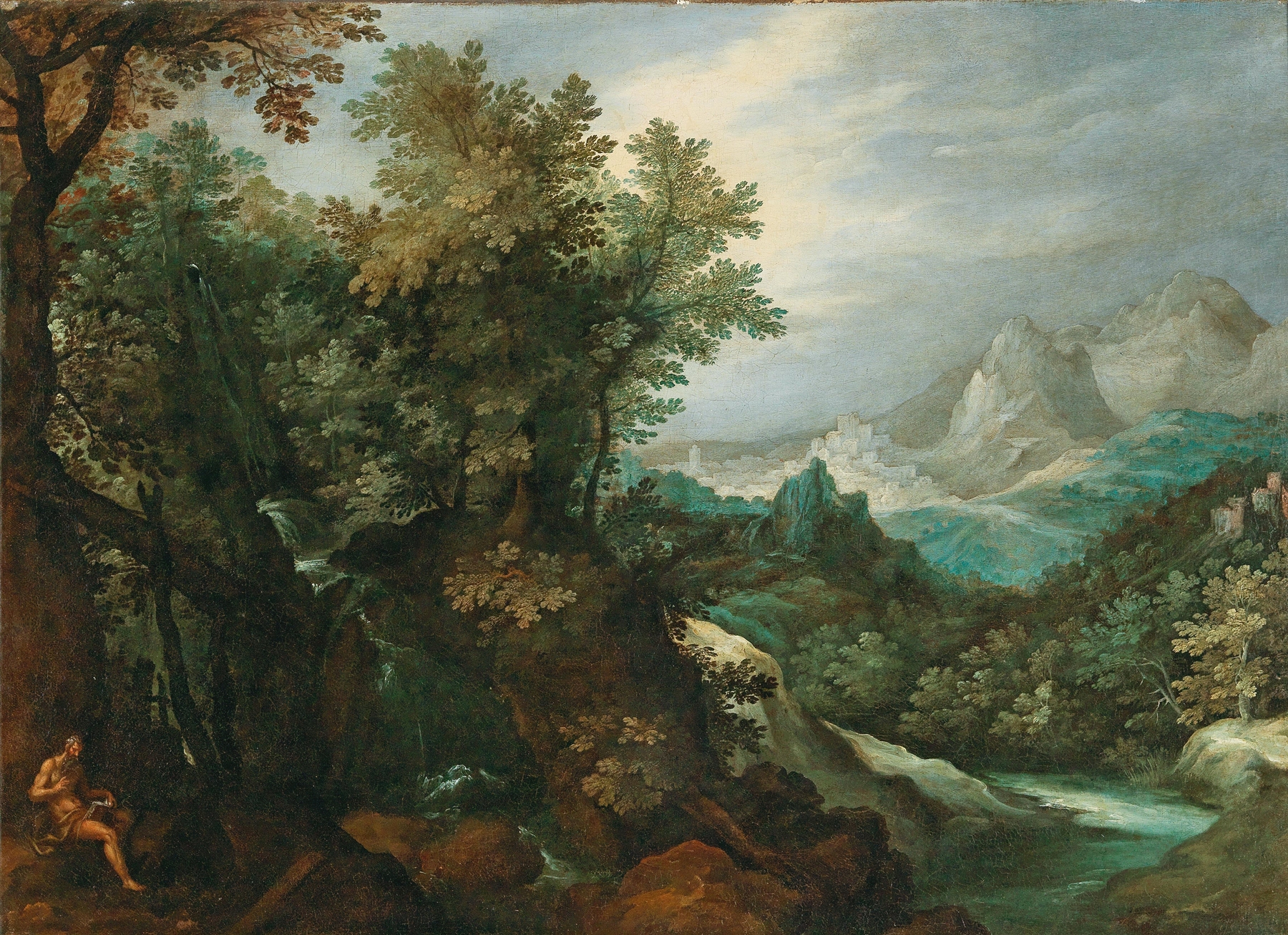
What if silence could speak through light? In the delicate interplay of shadows and sunlight, a yearning unfolds, inviting us to explore hidden depths within the serene landscape. Focus on the tranquil expanse of the river, where its gentle currents reflect the vibrant hues of the sky. Notice how the artist's brush captures the interplay between the verdant mountains and the crystalline water, creating a harmonious balance that feels both eternal and fleeting.
The soft, muted colors elicit a sense of calm, while the hermit, nestled within the scene, embodies solitude and introspection, drawing the viewer's gaze toward a life of quiet contemplation. Within this composition, contrasts come alive. The lush, verdant greens of the mountains juxtapose the cool blues of the river, symbolizing the dual nature of existence—life's vibrancy against the backdrop of solitude. The hermit's simple dwelling, almost swallowed by the grandeur of the landscape, reflects a profound longing for connection with nature and the self.
This emphasizes a narrative of searching, suggesting that fulfillment lies not in grand gestures but in the embrace of simplicity. Paul Bril painted this landscape during a time of burgeoning interest in naturalism at the turn of the 17th century. Working in Italy, he was influenced by the rising popularity of pastoral scenes, marking a shift from the religious themes that dominated earlier art. This work reflects that transition, capturing not only the beauty of the natural world but also the introspective human experience, set against a backdrop of both serenity and longing.