Landscape with Hunters — History & Analysis
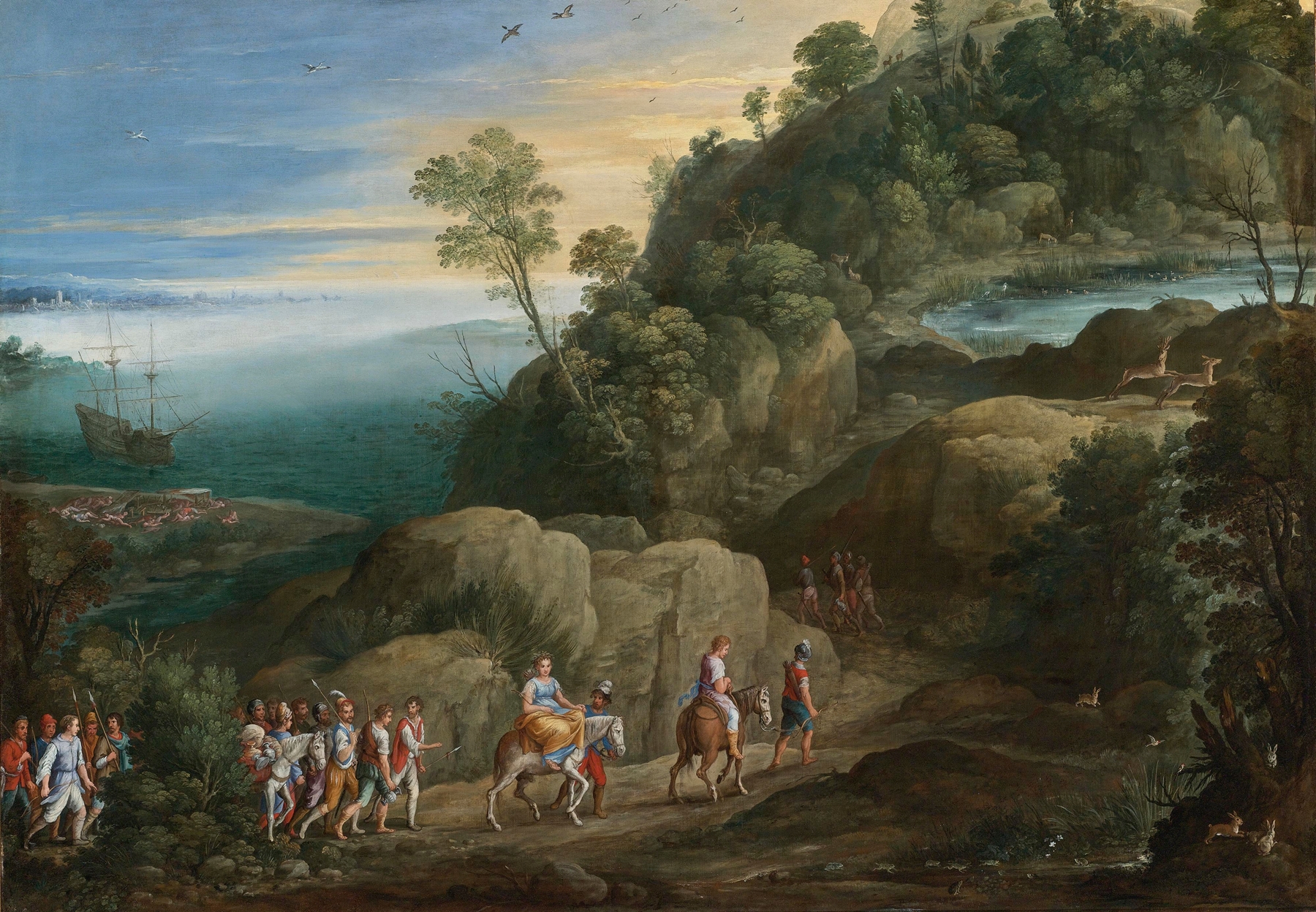
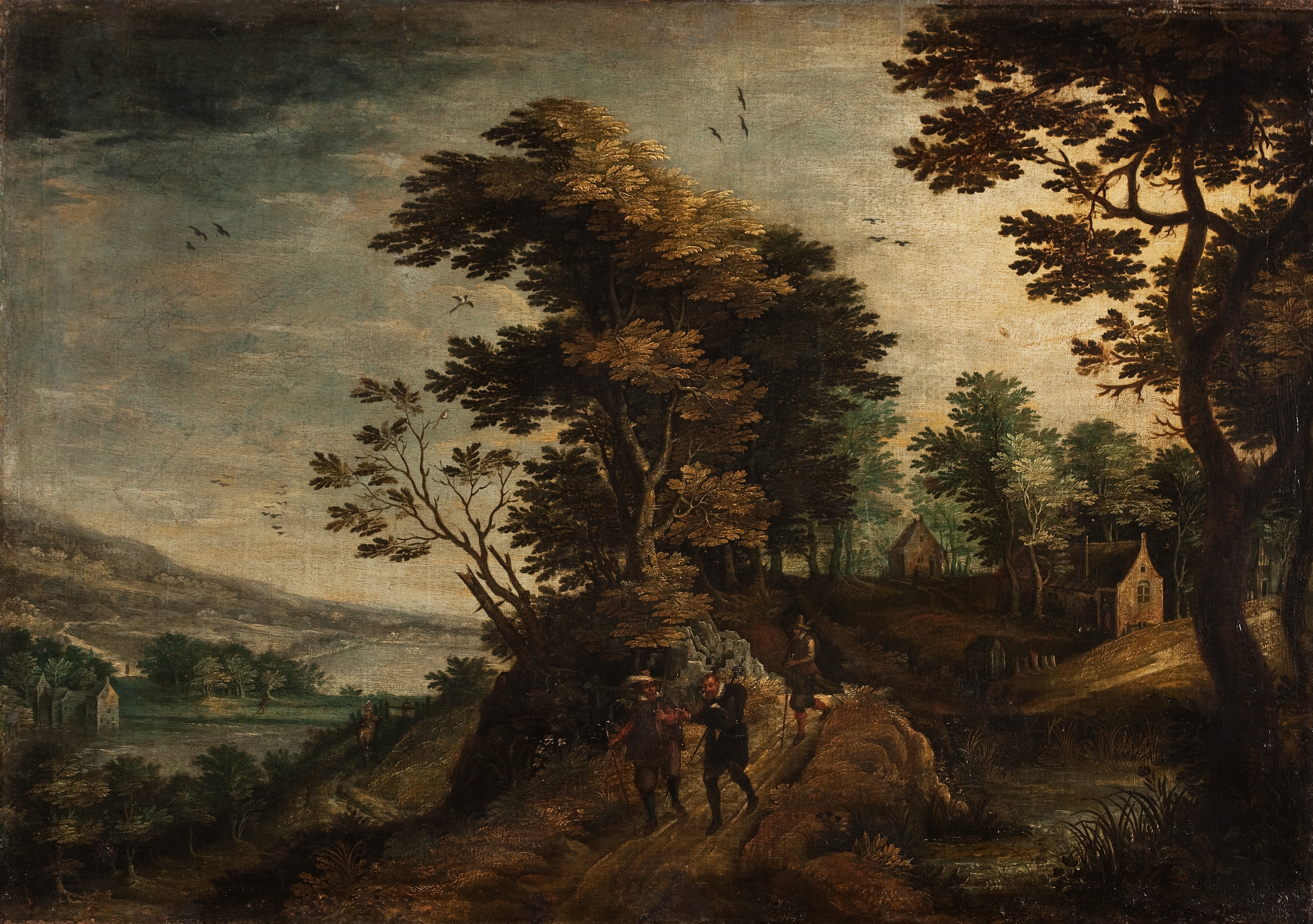
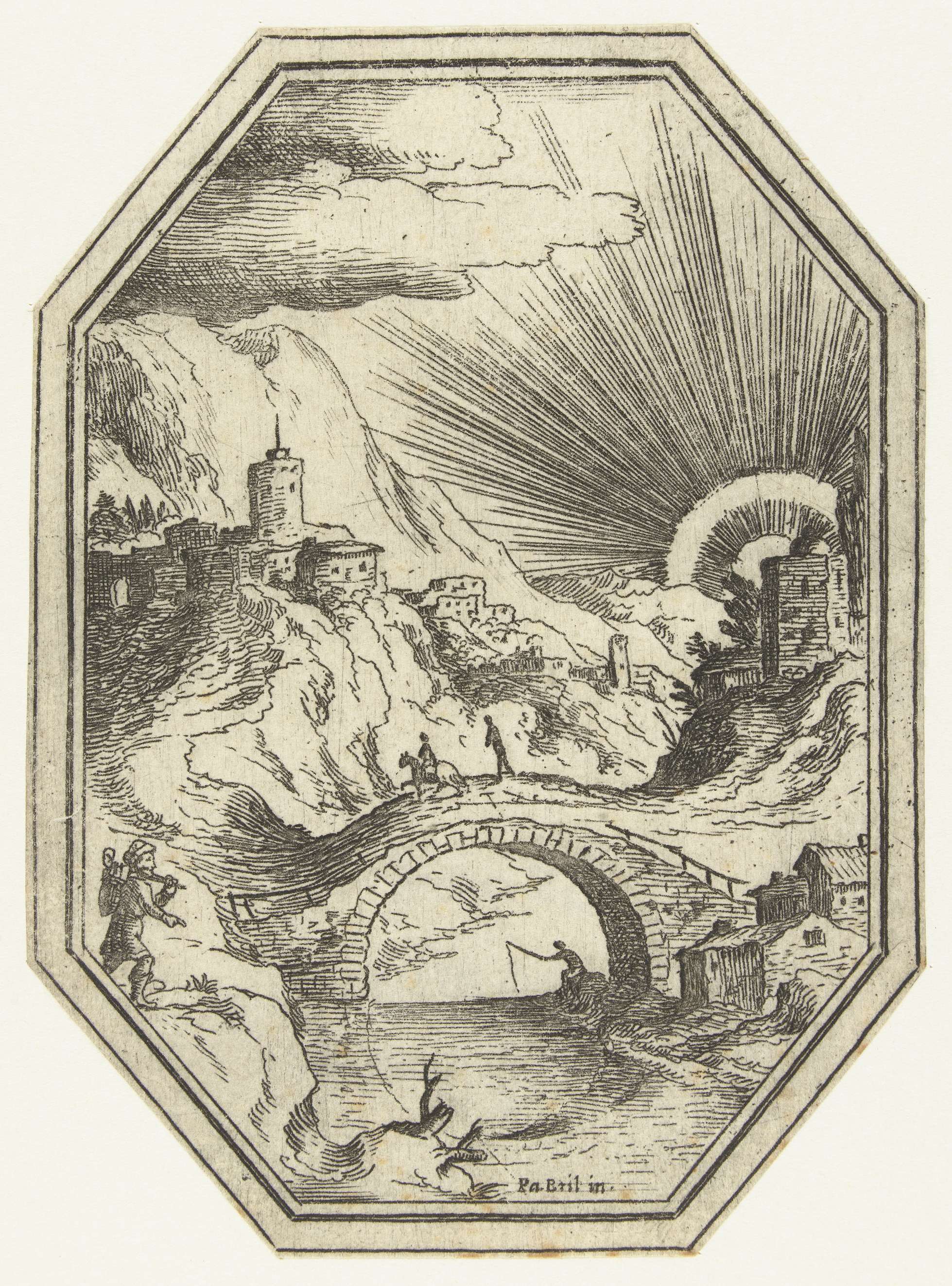
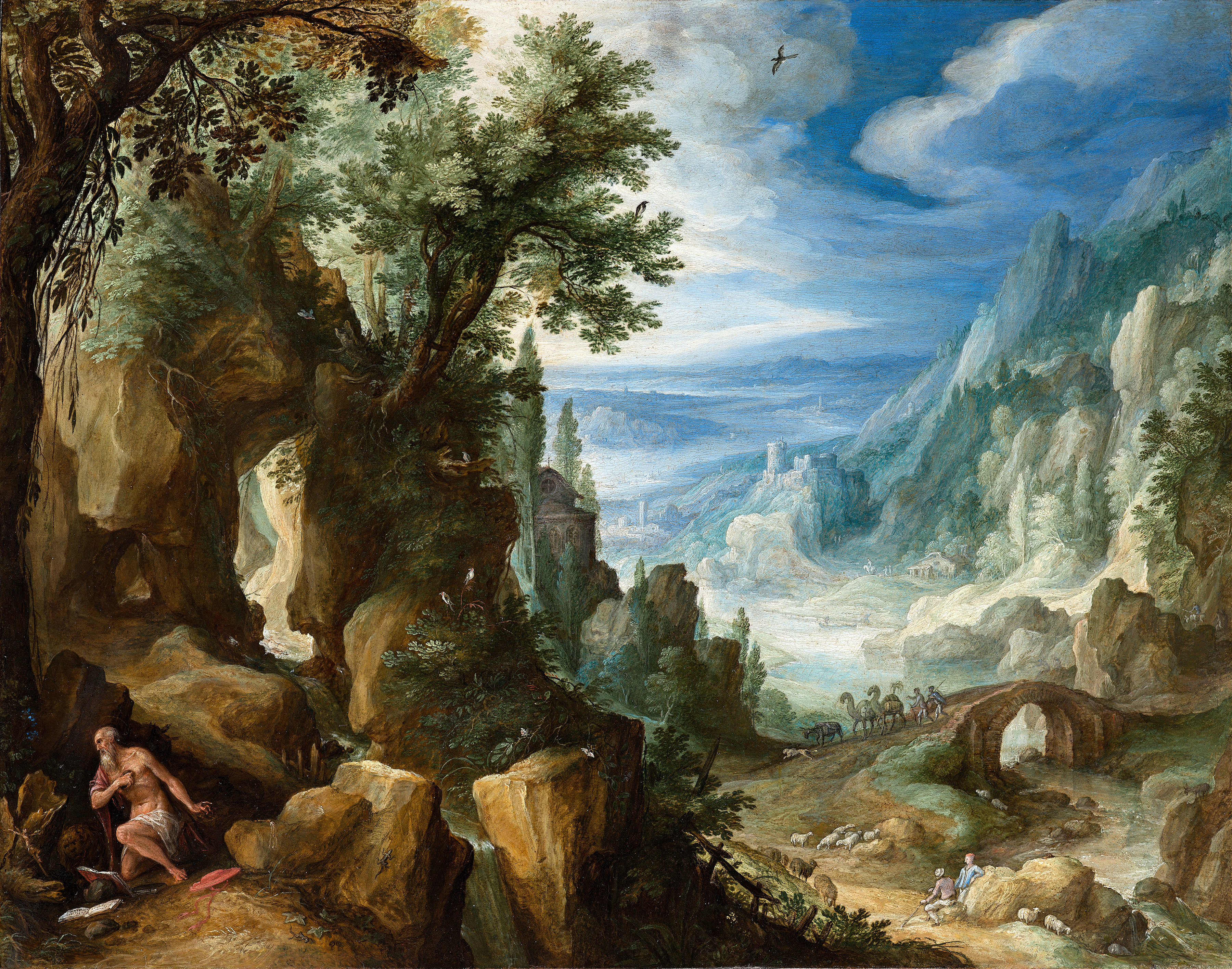
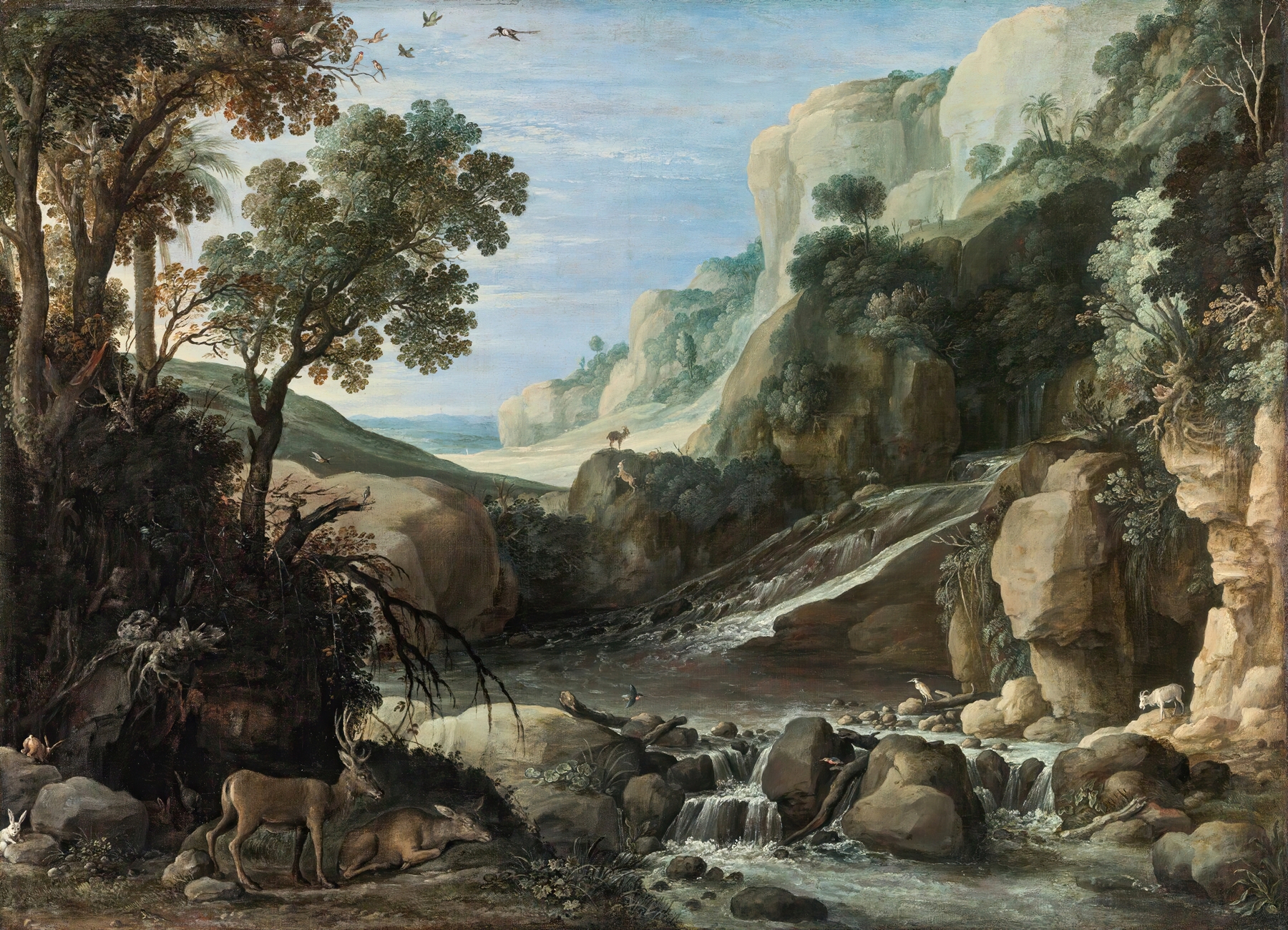
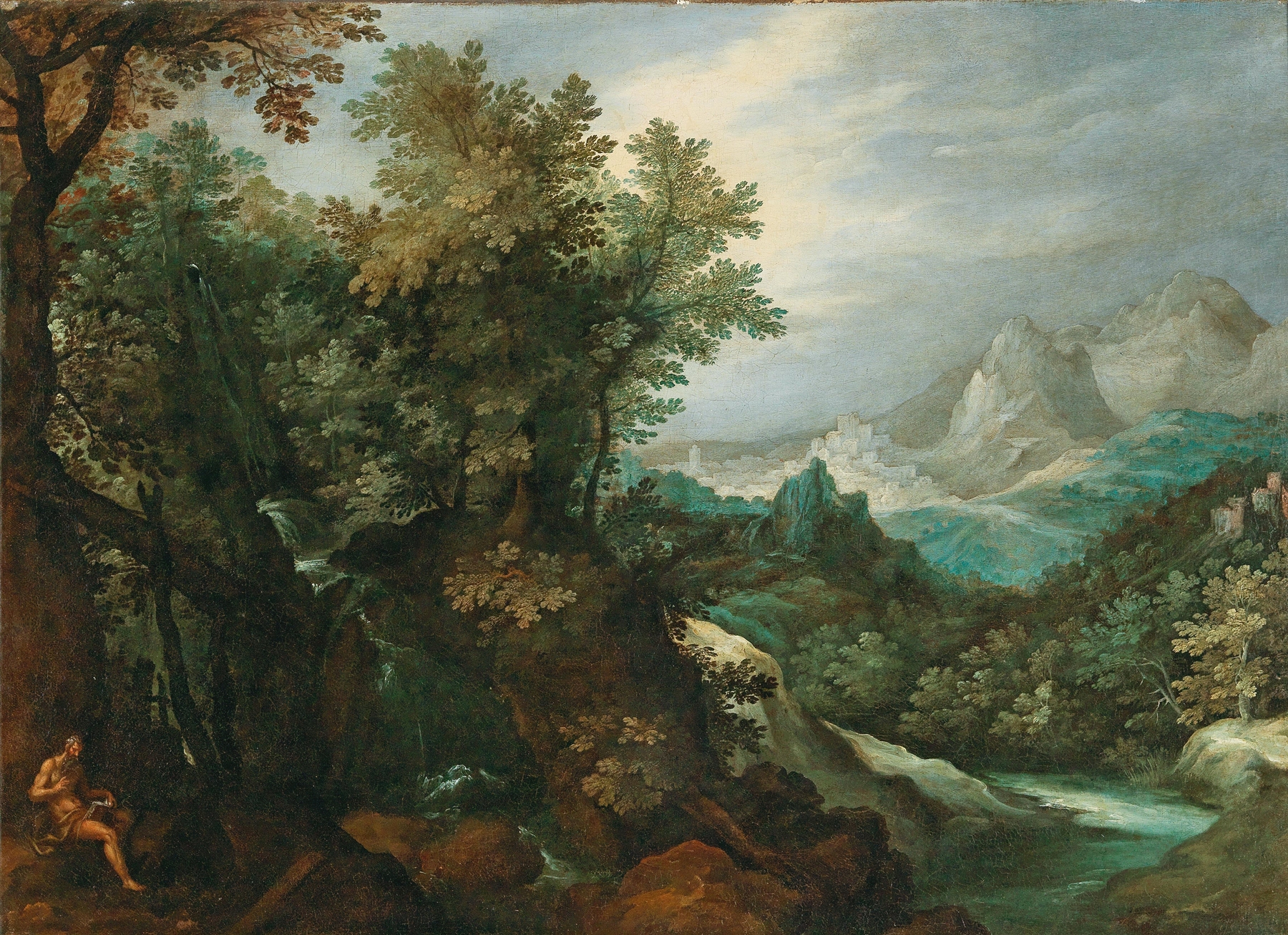
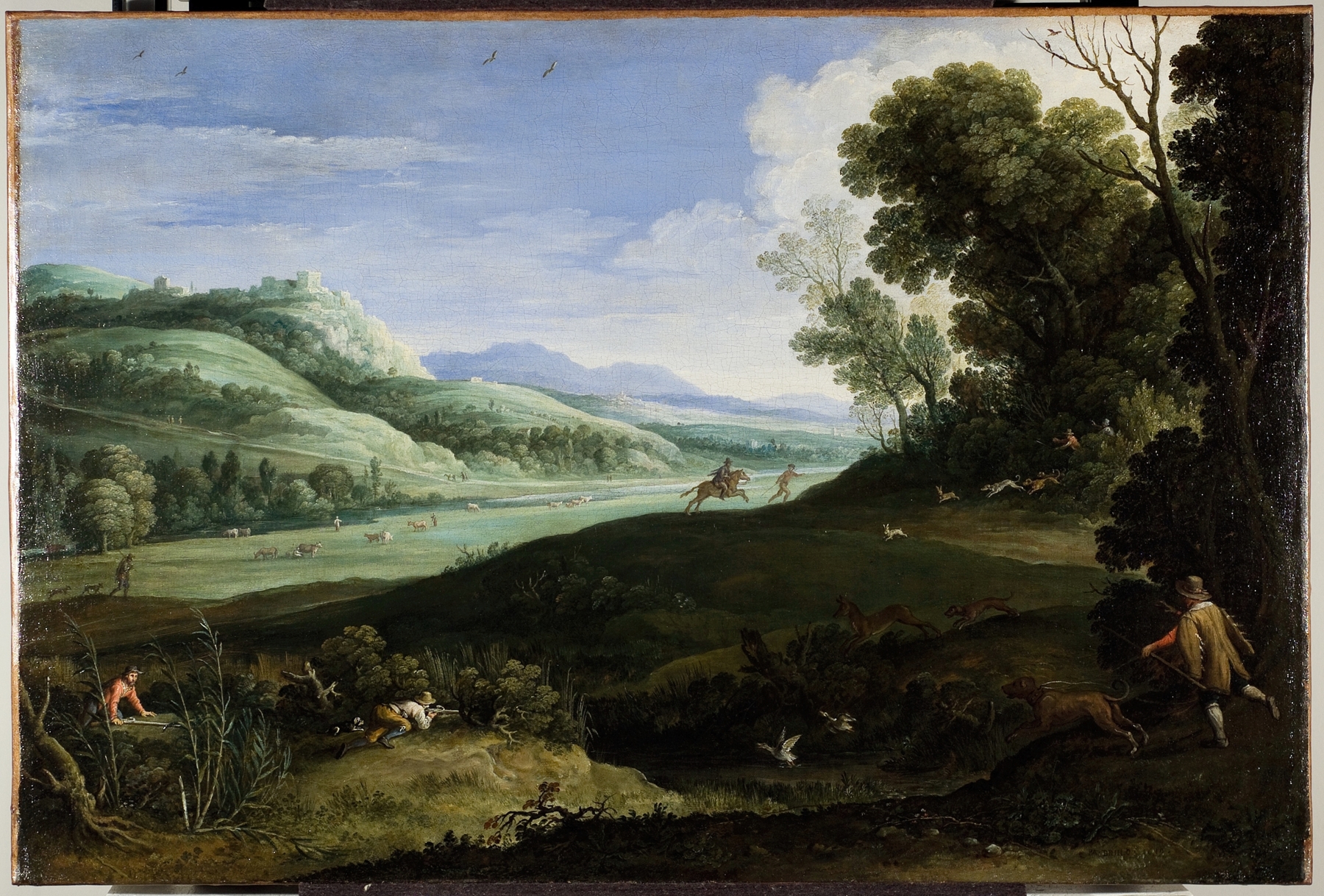
“To paint is to remember what time wants us to forget.” In the quiet realm of art, desire reverberates through the canvas, capturing fleeting moments that linger in the soul long after they’ve vanished. Look to the foreground, where two hunters traverse the lush landscape, their figures rendered with a precision that breathes life into the scene. Notice how the soft greens and browns of the earth contrast with the pale sky, establishing a harmonious balance. The way Bril uses light to illuminate the foliage creates a warm embrace around the hunters, as if nature itself yearns to protect their pursuit.
Yet, beneath this tranquil surface lies an intricate tension. The distance between the hunters and the deep, shadowy woods hints at both adventure and danger. The desire for conquest is palpable, but it is met with the ominous presence of the wilderness, suggesting that desire often walks hand in hand with uncertainty. Additionally, the undulating hills cradle the scene, whispering of paths untraveled and the unknown lies beyond, inviting the viewer to ponder what lies hidden from sight.
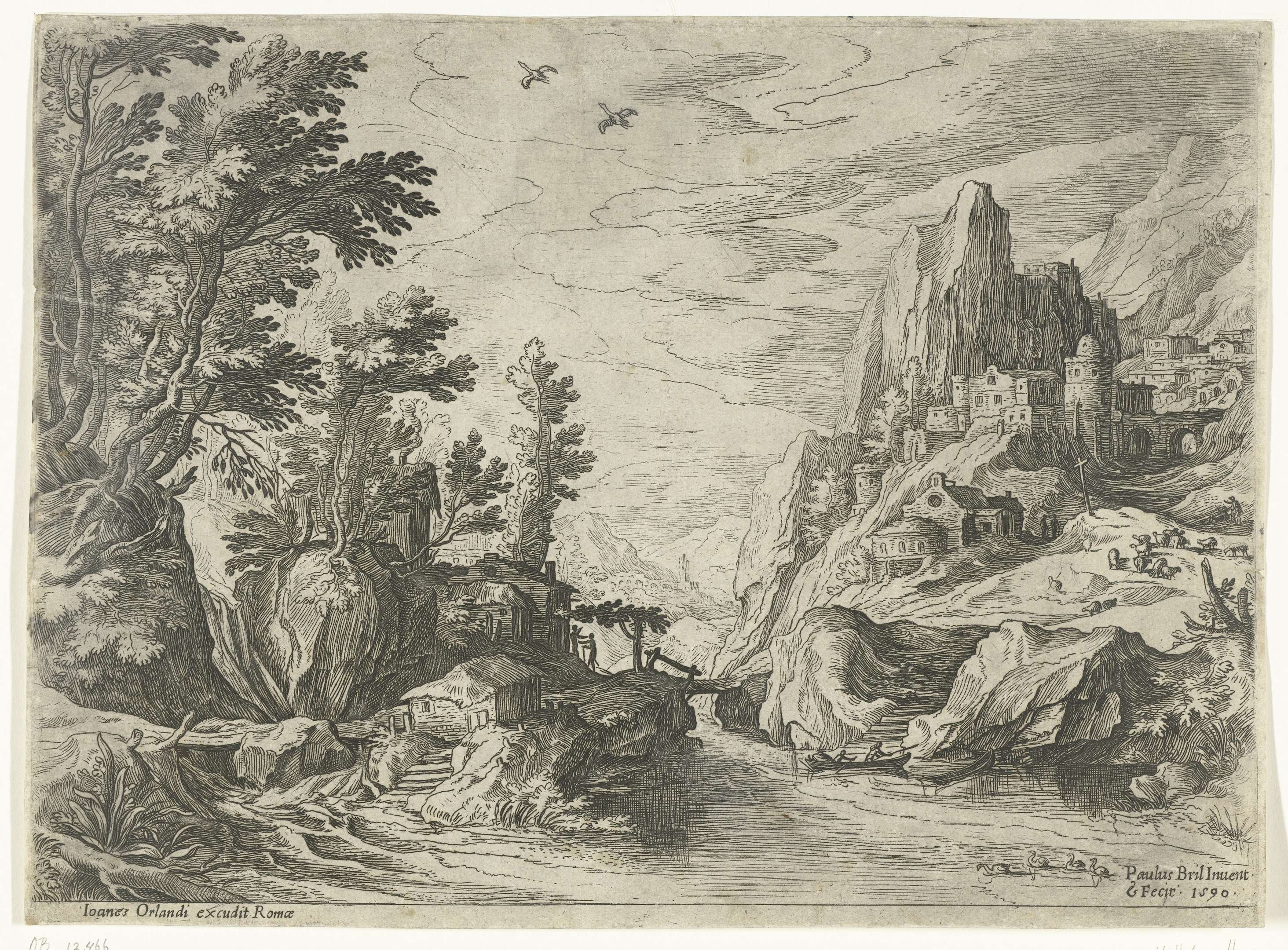
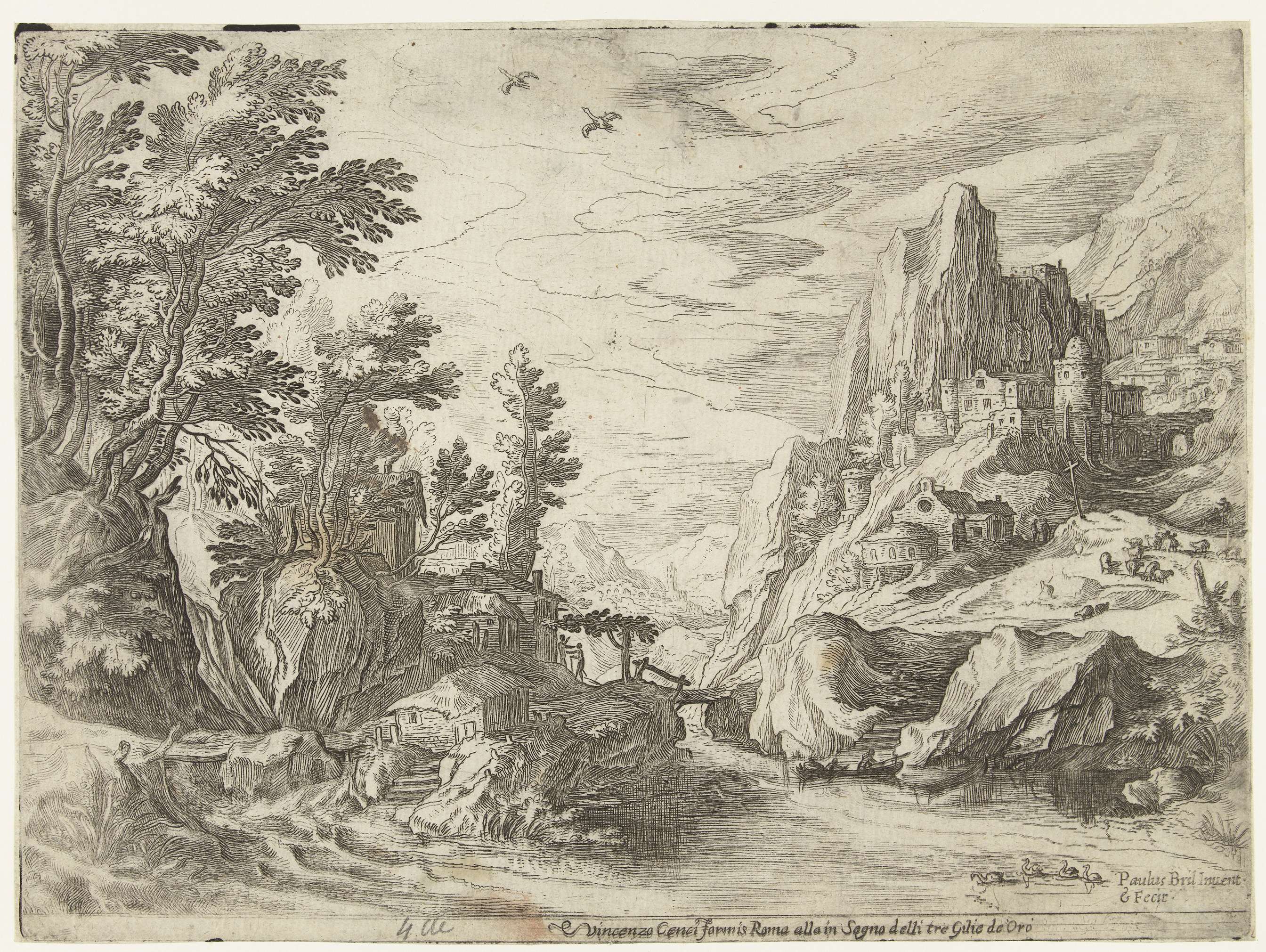
In 1619, while painting Landscape with Hunters, Bril resided in Rome, a period marked by his exploration of natural landscapes and the interplay of light and shadow. During this time, the Baroque movement was gaining momentum, and artists were increasingly drawn to the emotive power of nature. Bril’s work reflects this transition, capturing an emotional landscape that resonates with a universal longing for connection and discovery amidst the beauty and mystery of the world.