Rivierlandschap in Campania met stad op rotsen — History & Analysis
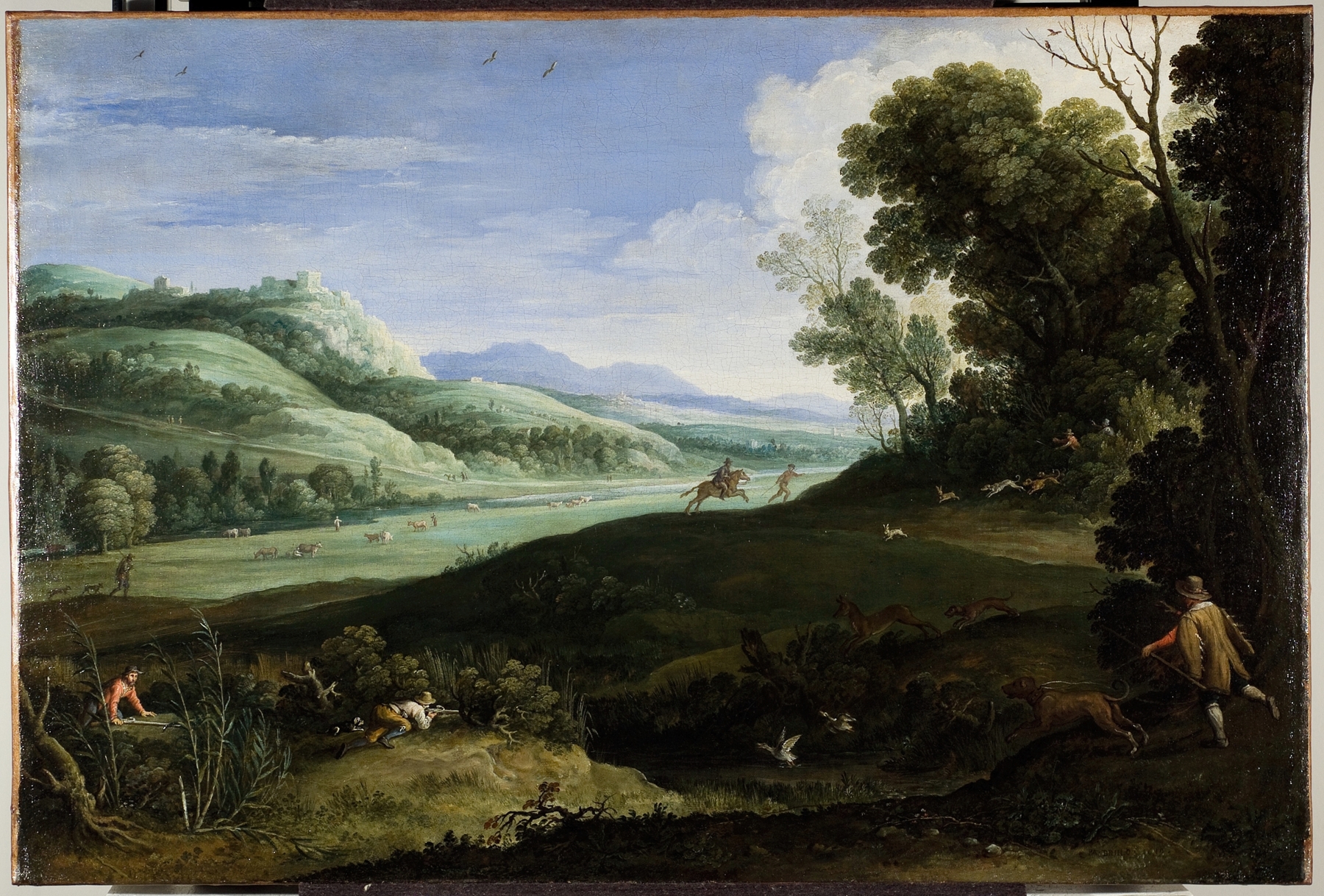
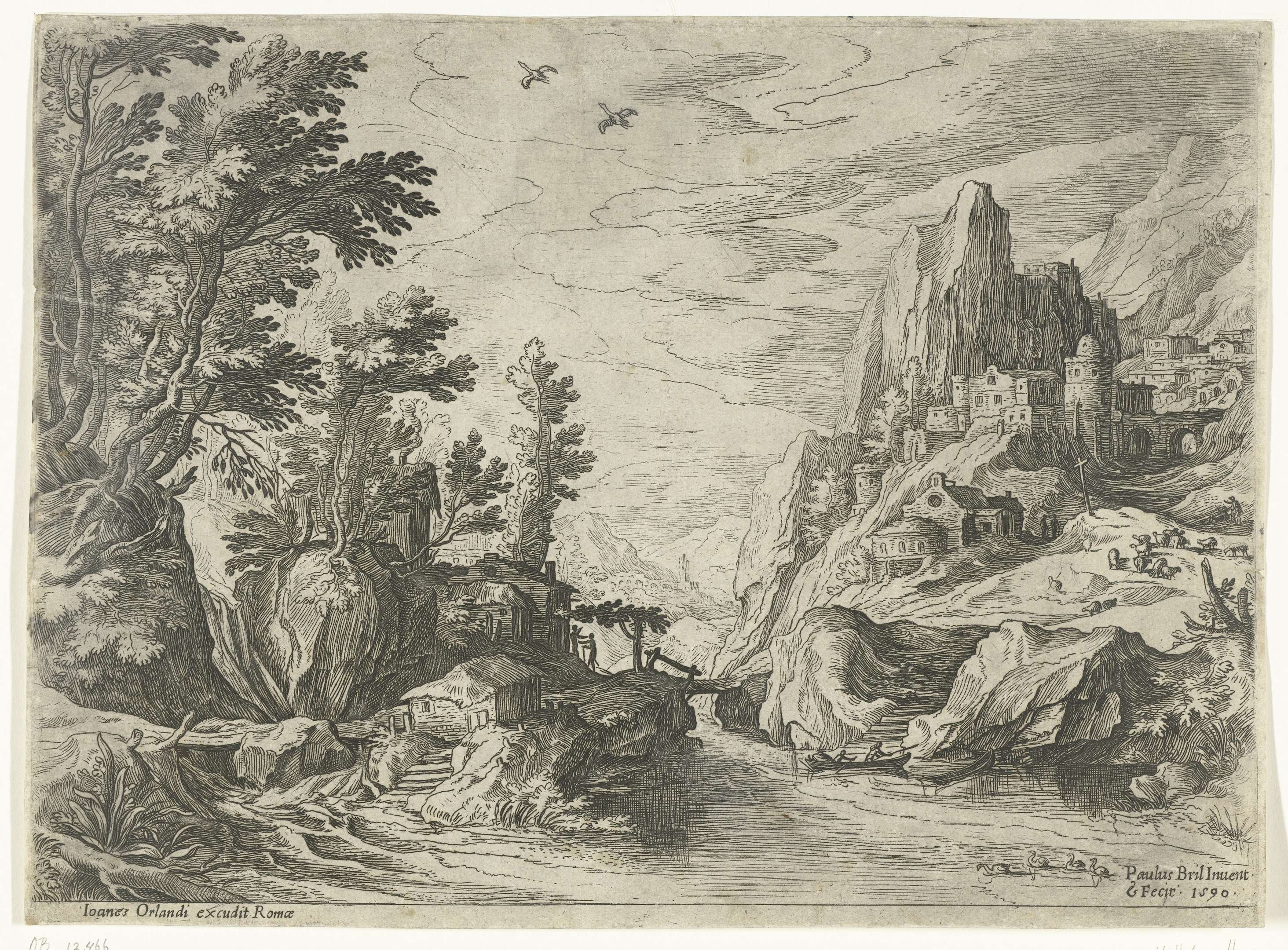
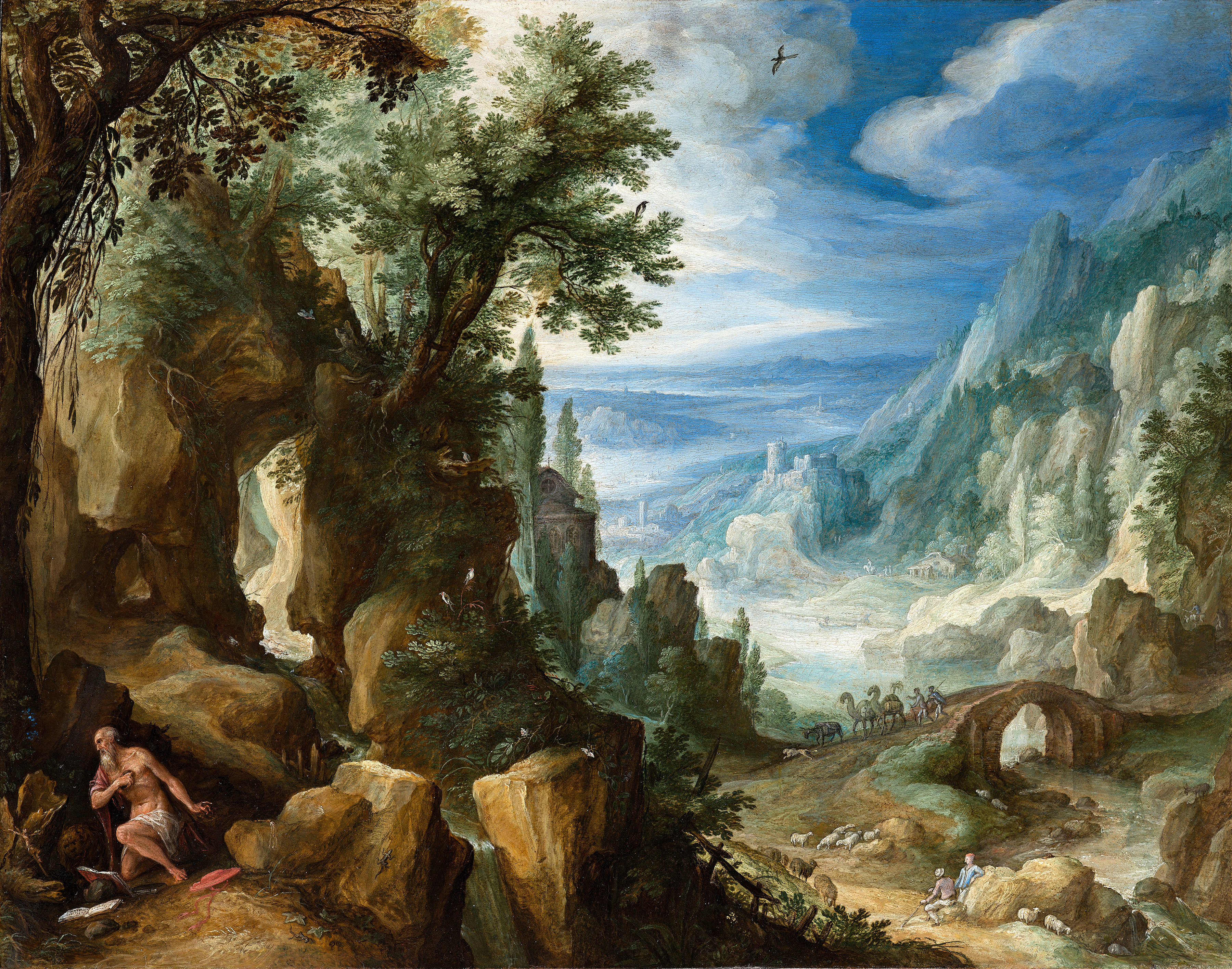
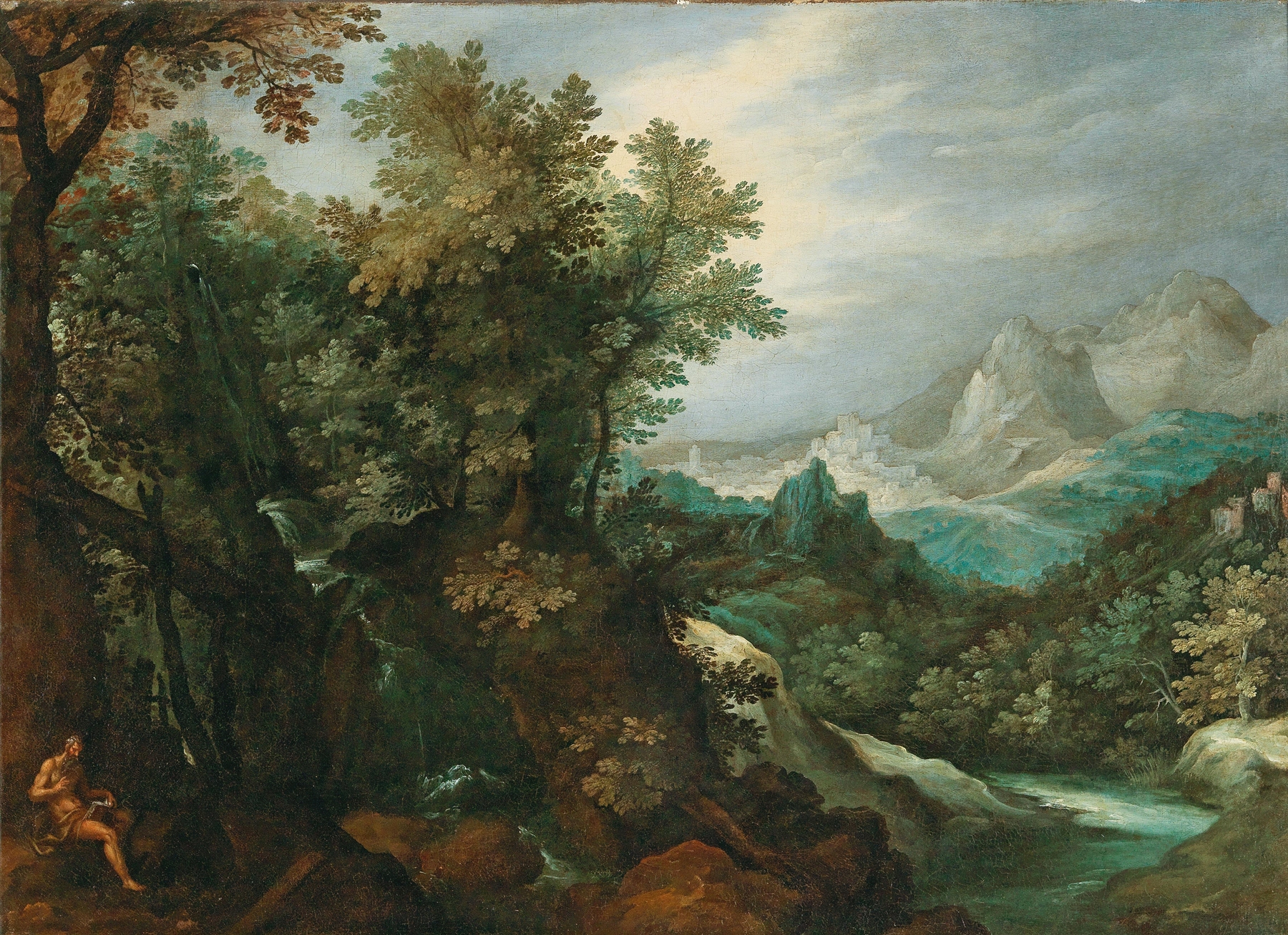
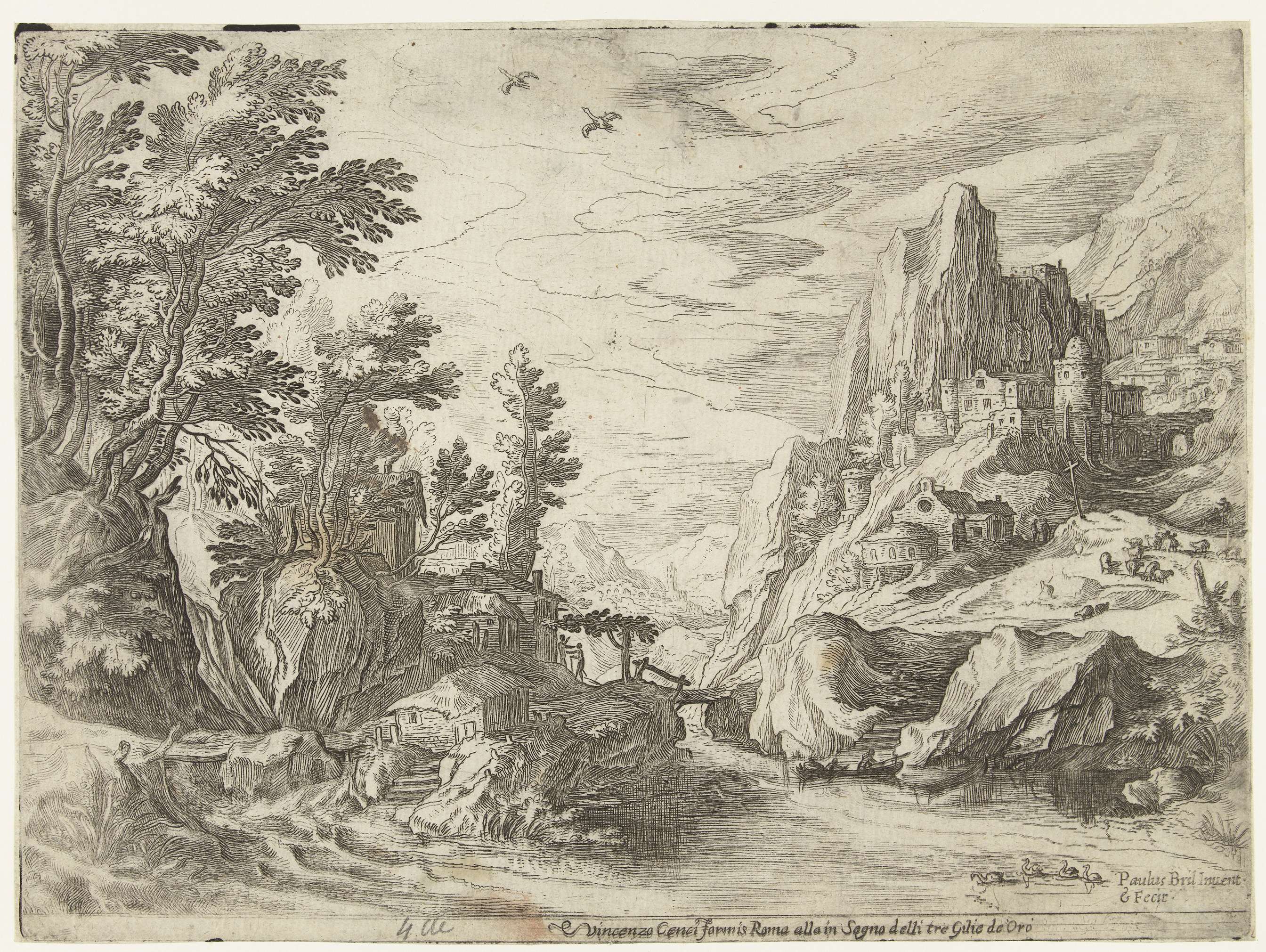
What if beauty was never meant to be finished? In the ethereal landscapes of the late Renaissance, the imagination trembles on the brink of eternity, evoking dreams that linger just beyond the horizon. Focus on the sweeping valley in Rivierlandschap in Campania met stad op rotsen. The viewer’s eye is immediately drawn to the stark contrast of the rugged cliffs against the gentle slopes below, where a serene river snakes its way through lush foliage.
Notice how Bril employed a delicate palette of greens and earthy browns, punctuated by the occasional vibrant splash of color from wildflowers. The interplay of light and shadow creates a sense of depth, inviting contemplation of this idyllic yet untamed setting. Beneath the surface, emotional tensions arise from the juxtaposition of the natural and the manmade. The city perched precariously upon the rocks hints at humanity’s struggle against nature—a reminder of our transient existence amidst the grandeur of the world.
The distant mountains loom like timeless sentinels, suggesting a dreamlike quality that speaks to both the beauty and fragility of life, where dreams can flourish or fade within the blink of an eye. Created in 1590, this work emerged during a period when Paul Bril was establishing himself in Rome, amidst the flourishing of the Italian Baroque. Bril’s landscapes reflect a blend of influences from both Northern and Southern European art, as he navigated a rapidly evolving artistic scene that sought to capture the sublime beauty of nature. His artistic vision contributed to the development of landscape painting, setting the stage for generations to come.