Venice, a View of San Pietro di Castello — History & Analysis
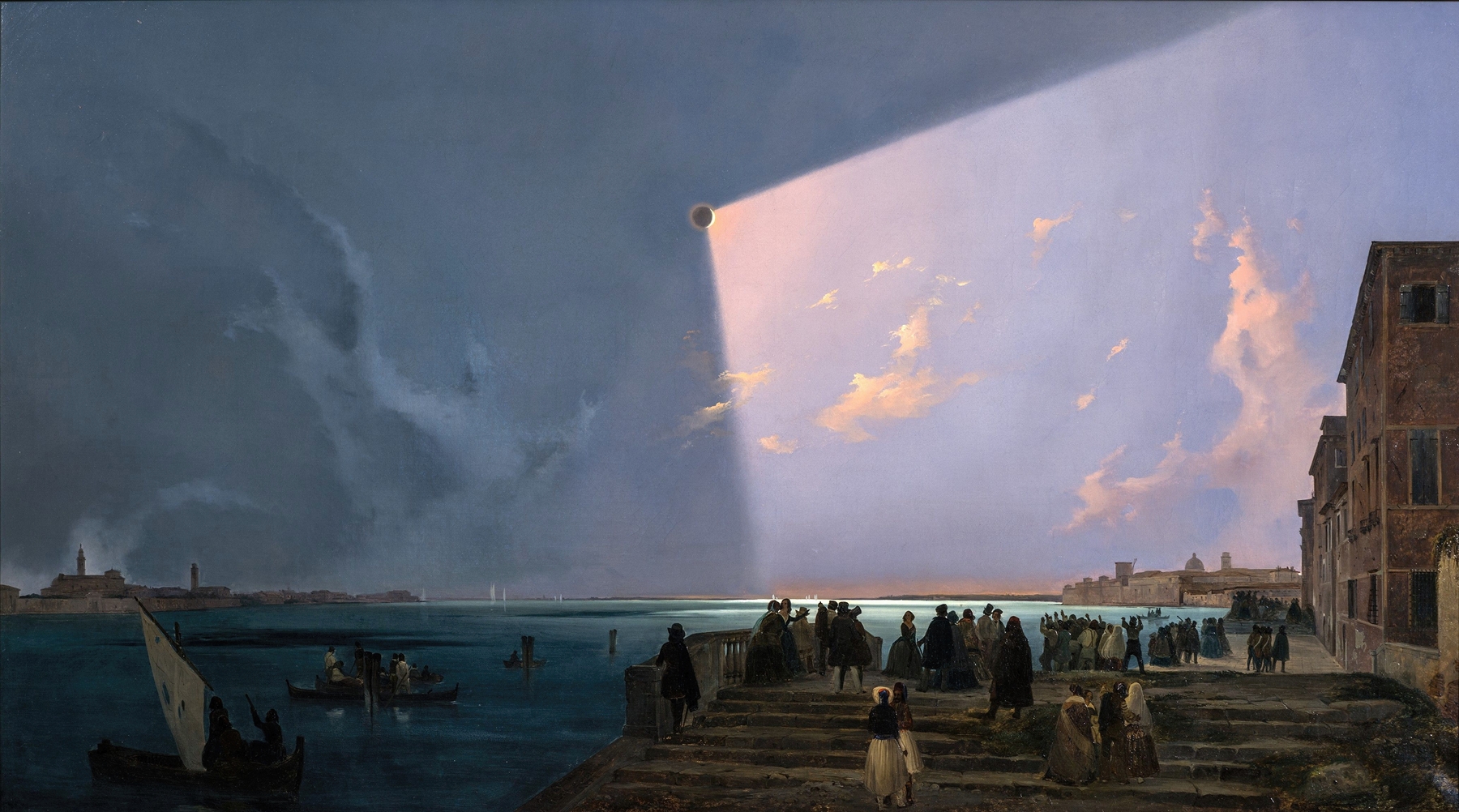
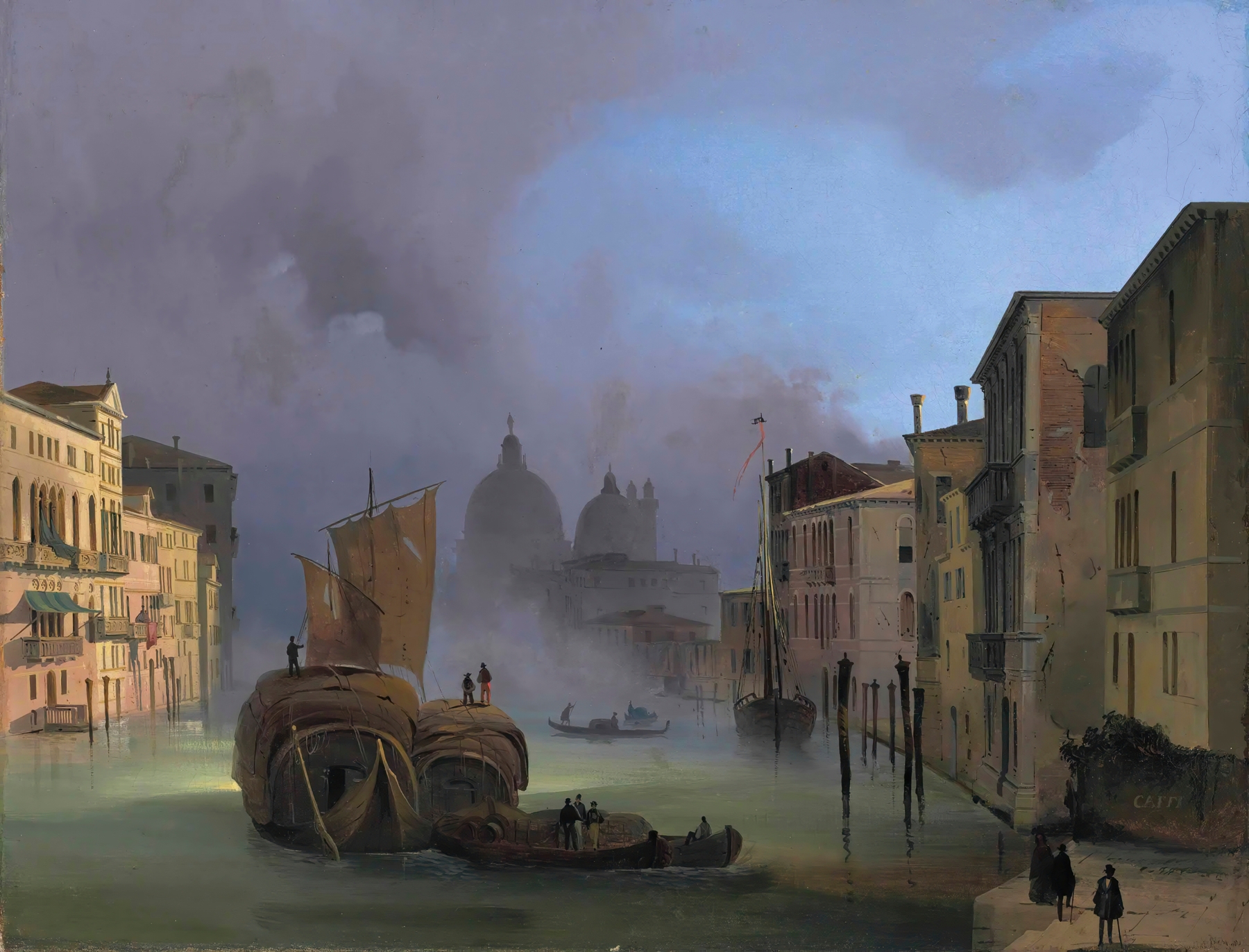
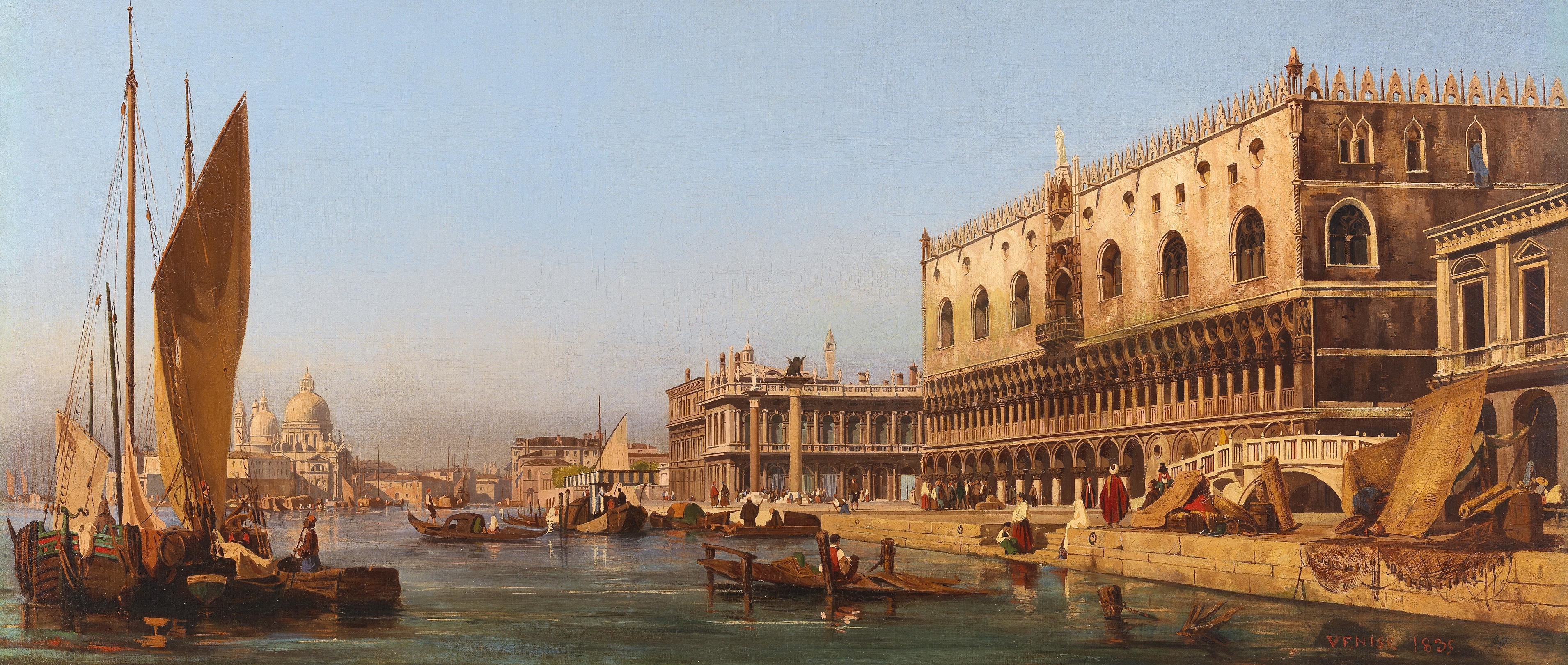
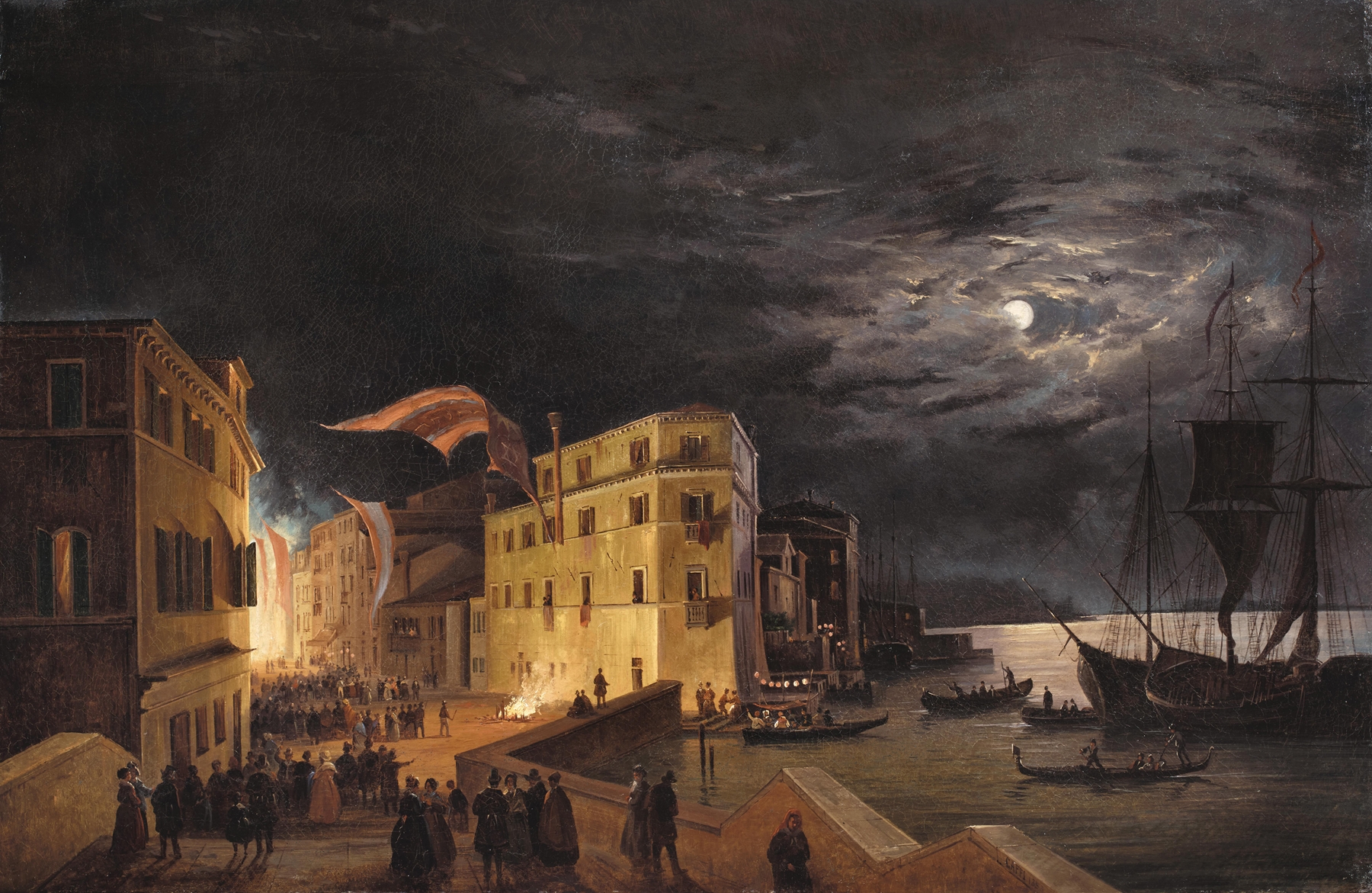
“Art reveals the soul when the world turns away.” In the gentle hues of twilight, when shadows stretch across the canvas of existence, creativity breathes life into the stillness of time. Look to the left at the serene expanse of the lagoon, where soft ripples reflect the fading light, creating a canvas of blues and greens. The graceful silhouette of San Pietro di Castello rises against the tranquil backdrop, its structure captured with exquisite detail. Notice how Caffi masterfully contrasts the warm golden tones of the building's facade with the cool colors of the water, evoking a sense of harmony between architecture and nature.
Beneath the surface of this idyllic scene, a poignant tension emerges. The calmness of the water belies the historical significance of the church, a witness to both celebrations and sorrows in Venice’s storied past. The juxtaposition of the serene sky and the sturdy edifice hints at the resilience of a city that has endured through the ages, while the stillness of the moment invites contemplation on the passage of time and the fleeting nature of beauty.
Ippolito Caffi produced this work in 1851 during a period of profound personal and artistic exploration. Living in Venice, he was deeply influenced by the city’s rich maritime history and vibrant culture, encapsulating its essence on canvas. As the art world shifted towards realism and impressionism, Caffi carved out his niche, bridging the gap between classical and contemporary styles with a distinct sensitivity to light and atmosphere.