Cattle near a River — History & Analysis
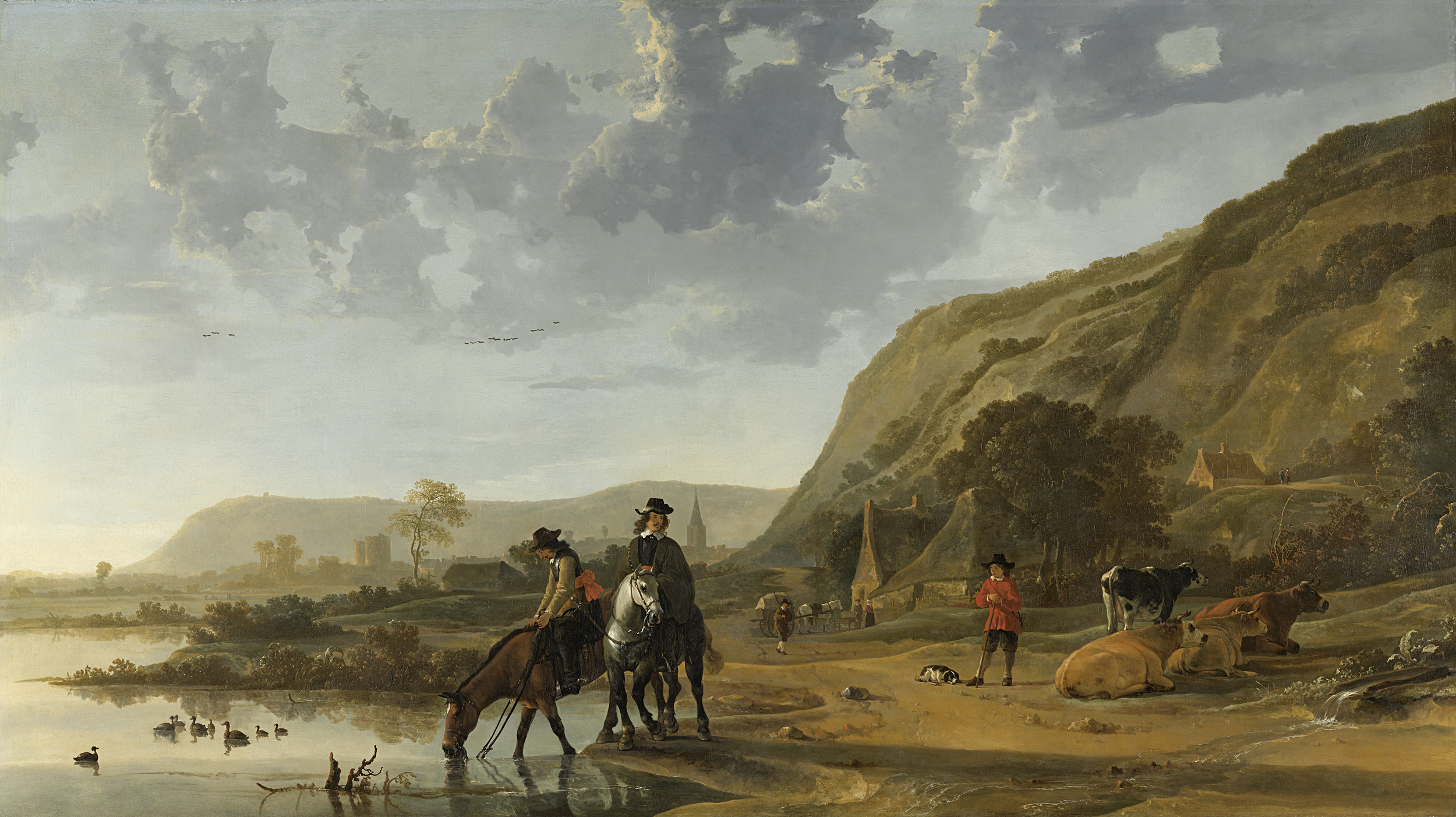
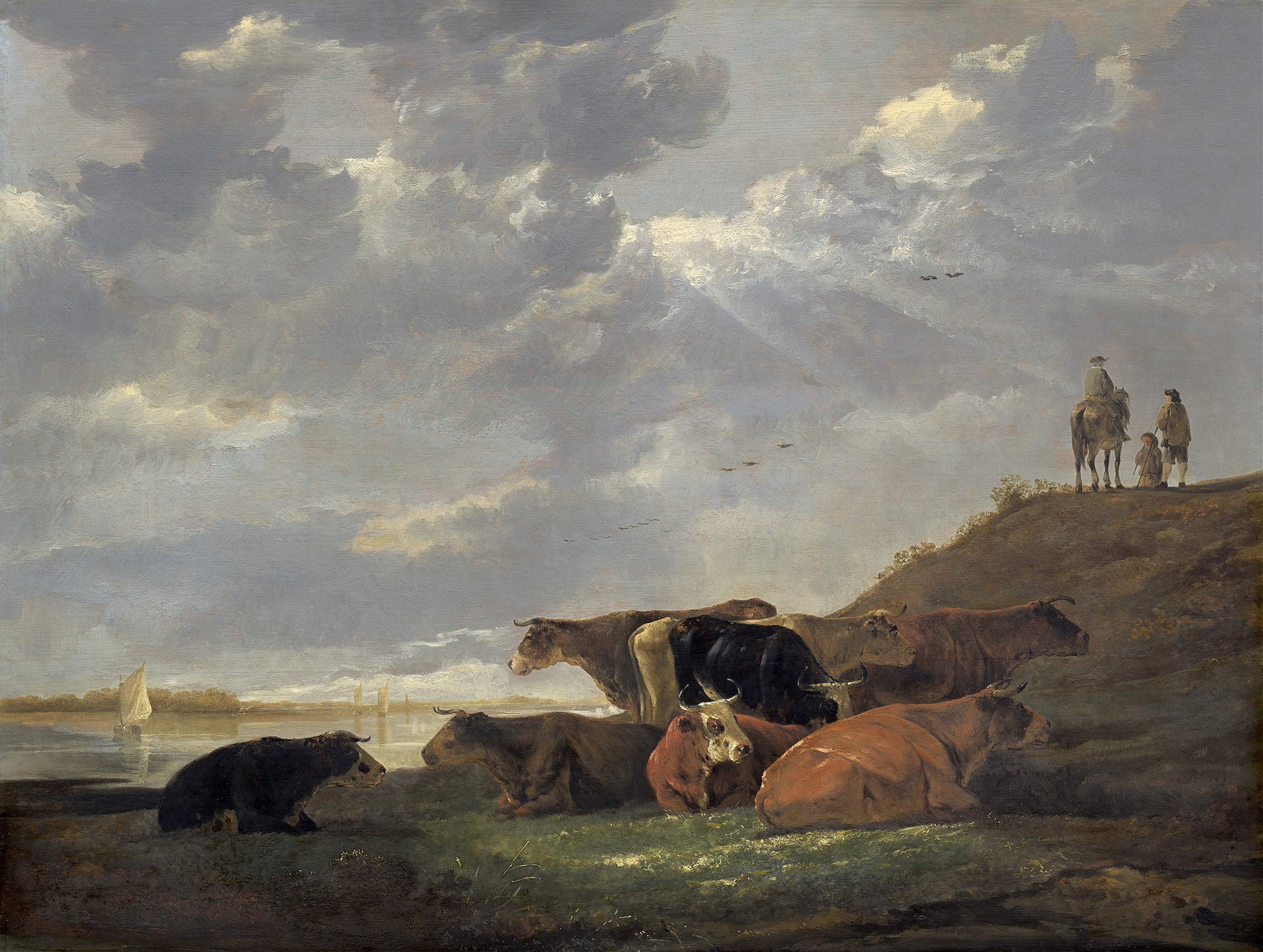
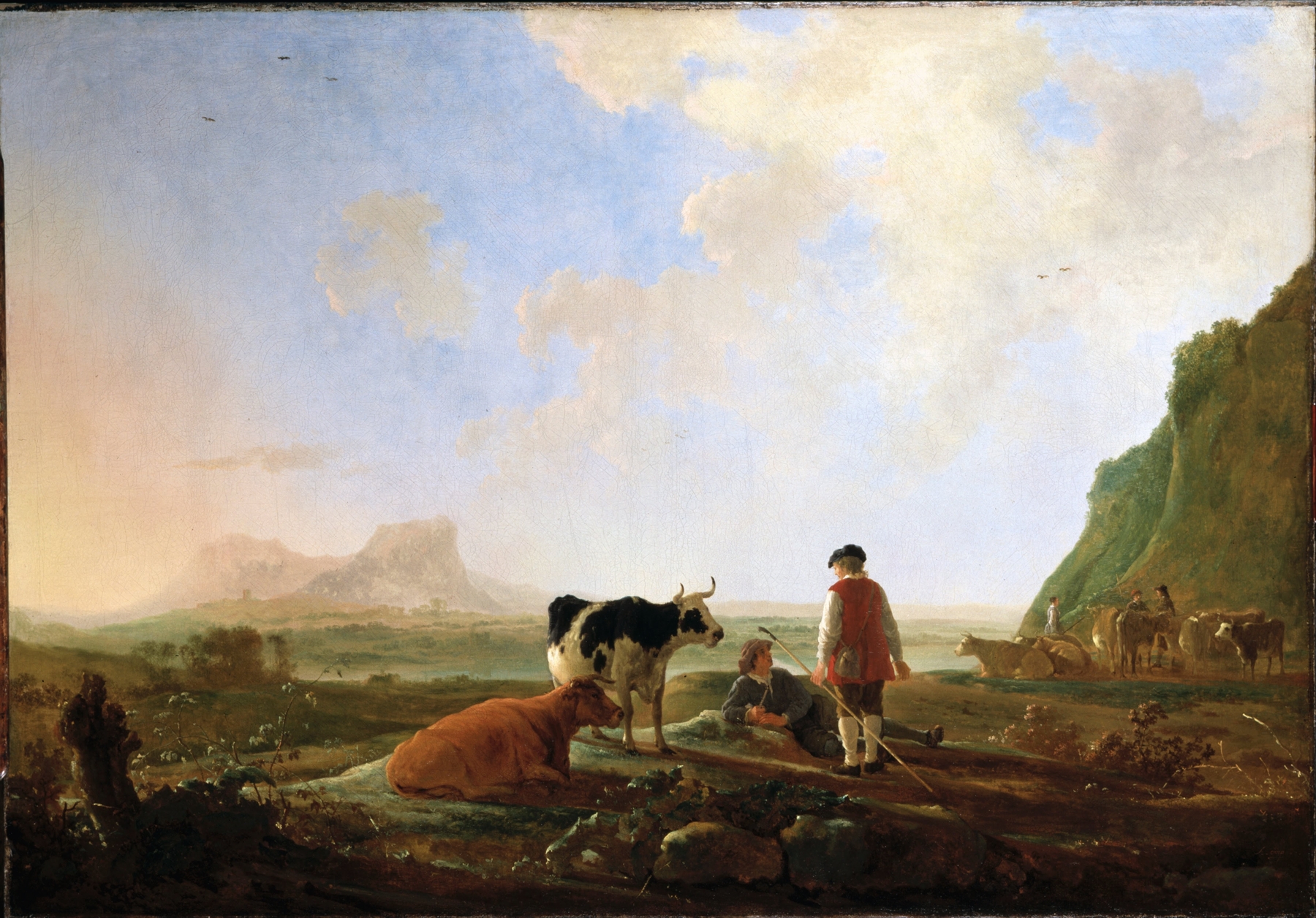
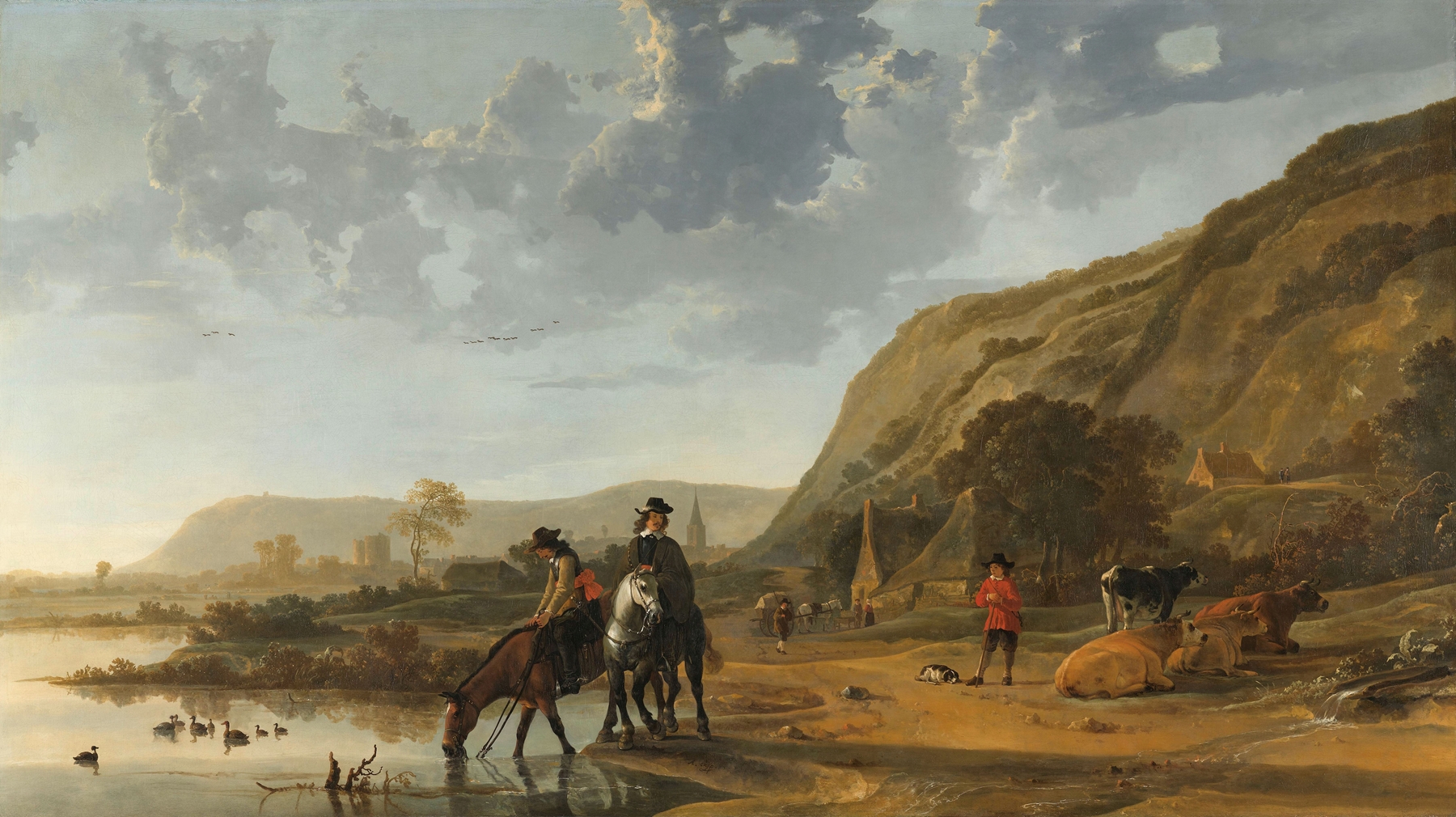
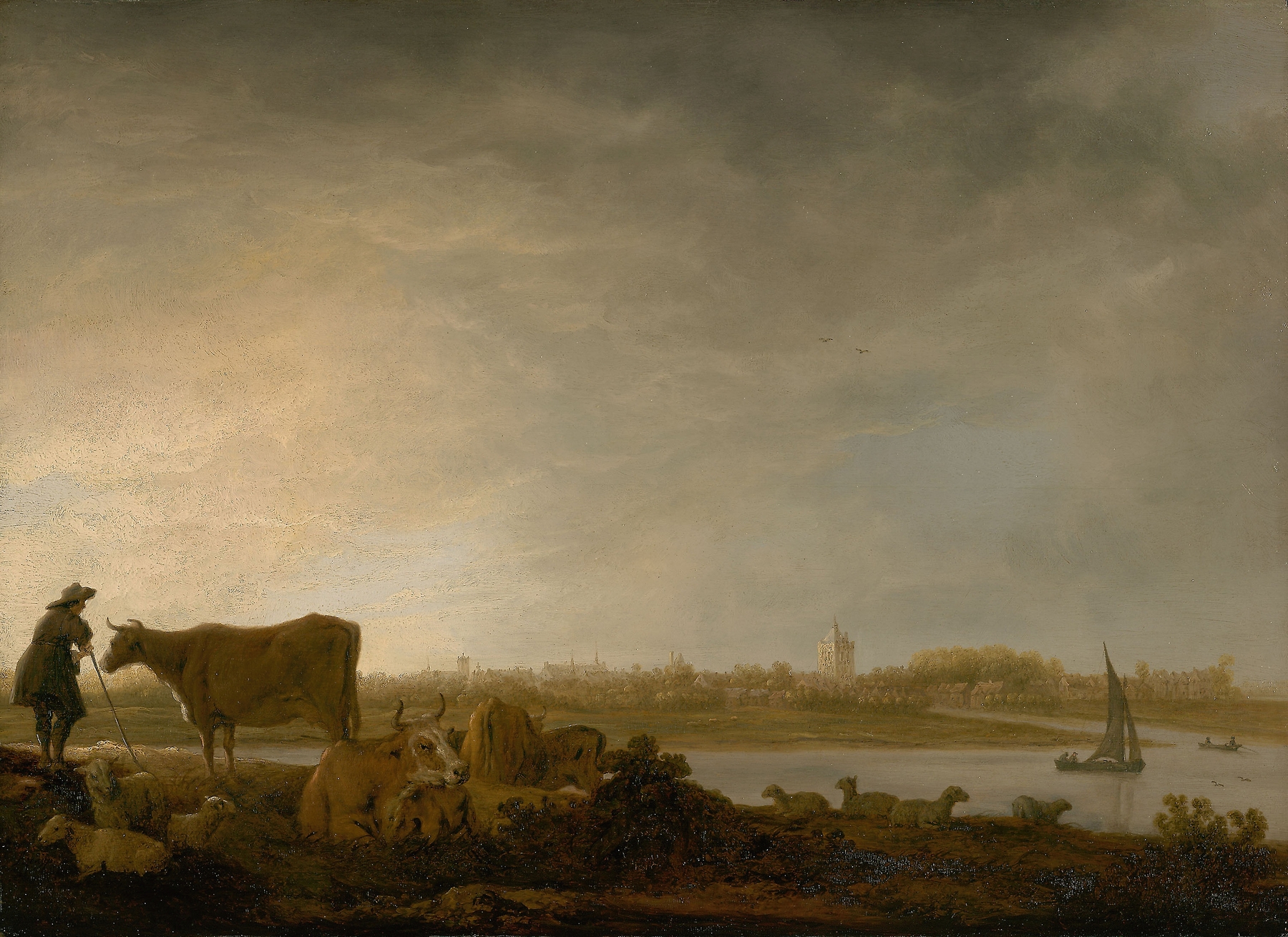
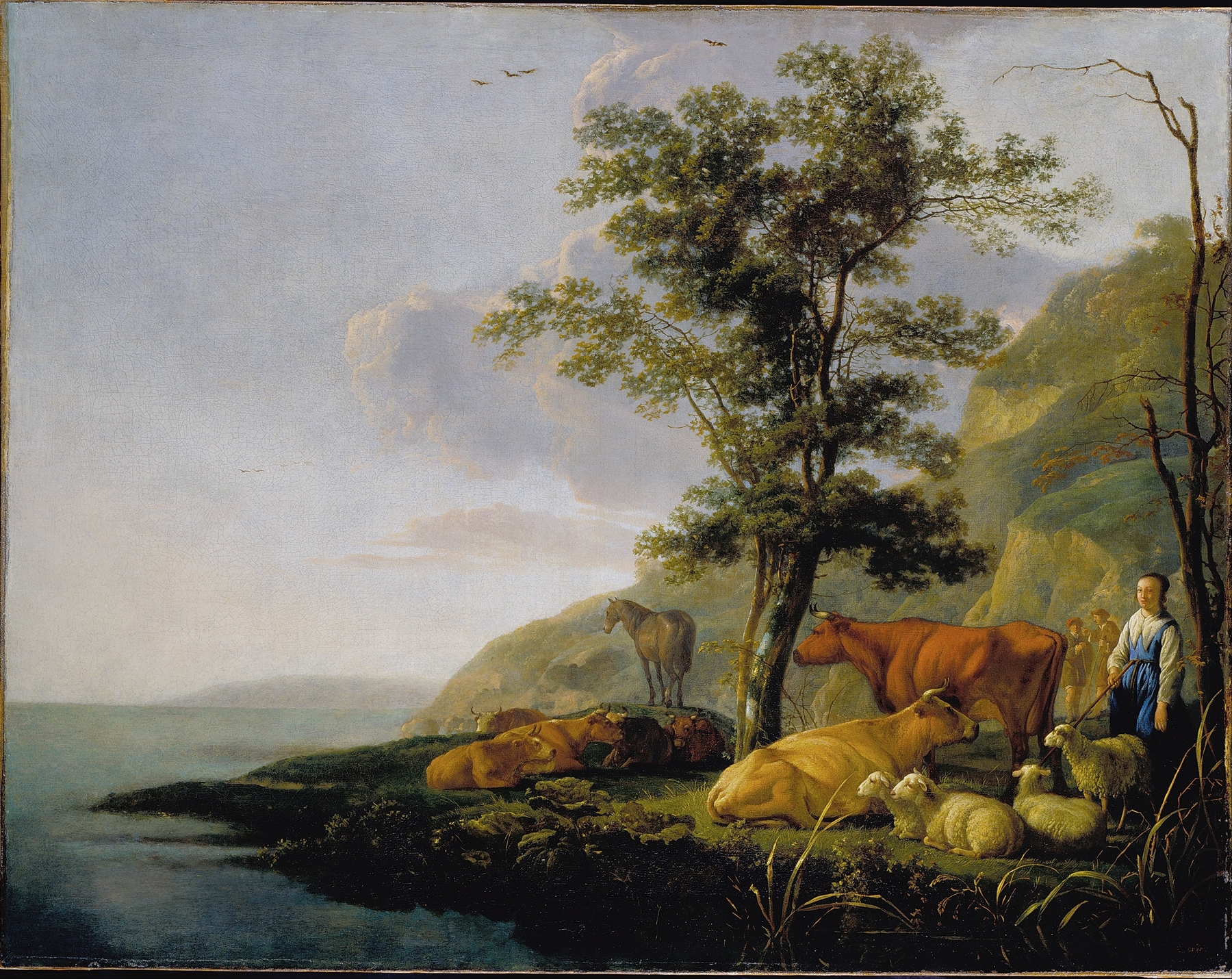
Can paint confess what words never could? In Cattle near a River, the silent majesty of nature whispers the untold stories of destiny intertwined with life. Look to the foreground where a gentle herd of cows graze, their rich, warm tones of brown and white harmonizing with the lush greens of the landscape. Notice how the light spills across the canvas, casting a golden hue that glimmers off the water’s surface, illuminating the tranquil scene.
The sweeping sky, filled with soft clouds, frames this pastoral tableau, drawing the eye toward the horizon where land meets sky, suggesting a journey yet to unfold. Delve deeper into the interaction between the animals and their environment. The calmness of the river reflects a serenity that contrasts with the larger themes of nature's cycles and the role of humanity within them. Each animal seems to embody a quiet resilience, as if they are aware of their place in the grand tapestry of existence.
The painting evokes a sense of stillness, yet hints at the relentless passage of time, urging viewers to reflect on their own fates. In the mid-17th century, Aelbert Cuyp painted this work during a prolific period for Dutch landscape art, characterized by an embrace of natural beauty and pastoral themes. Living in Dordrecht, Cuyp was inspired by the serene Dutch countryside, where he sought to capture the interplay of light and shadow. This artwork, like many of his landscapes, showcases a moment in time, inviting contemplation on the interdependence of life, nature, and destiny.