Gezicht op Dordrecht — History & Analysis
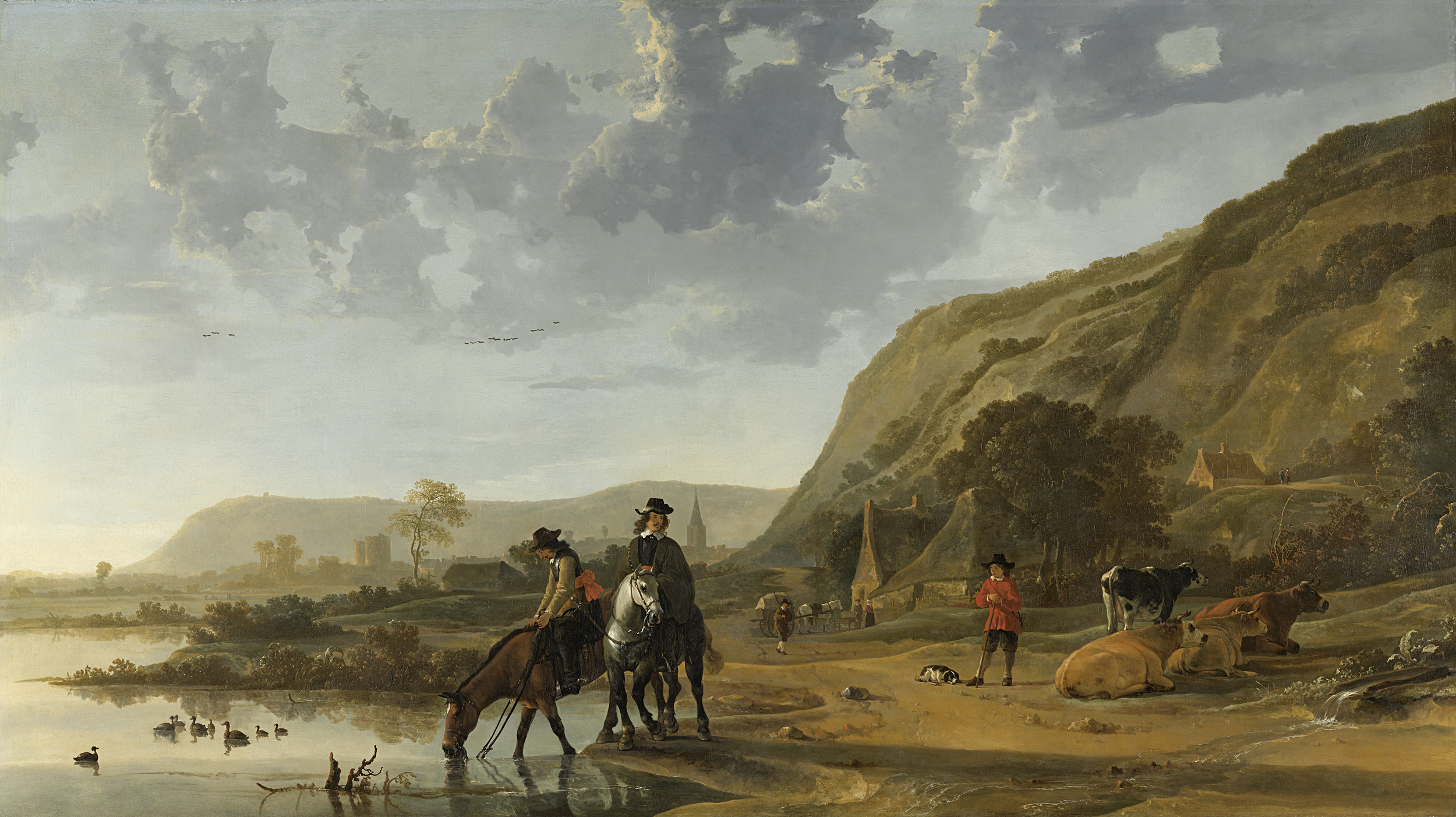
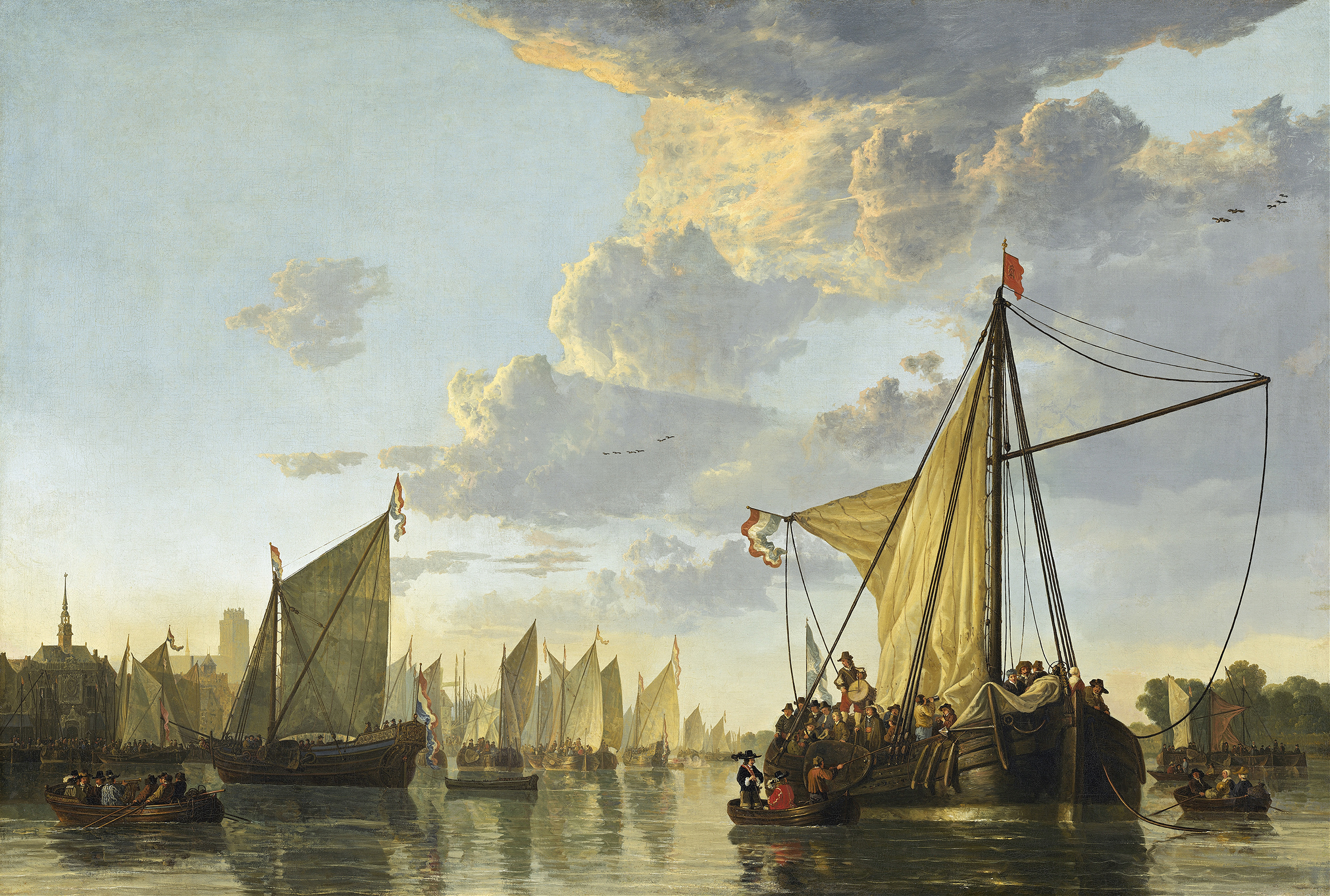
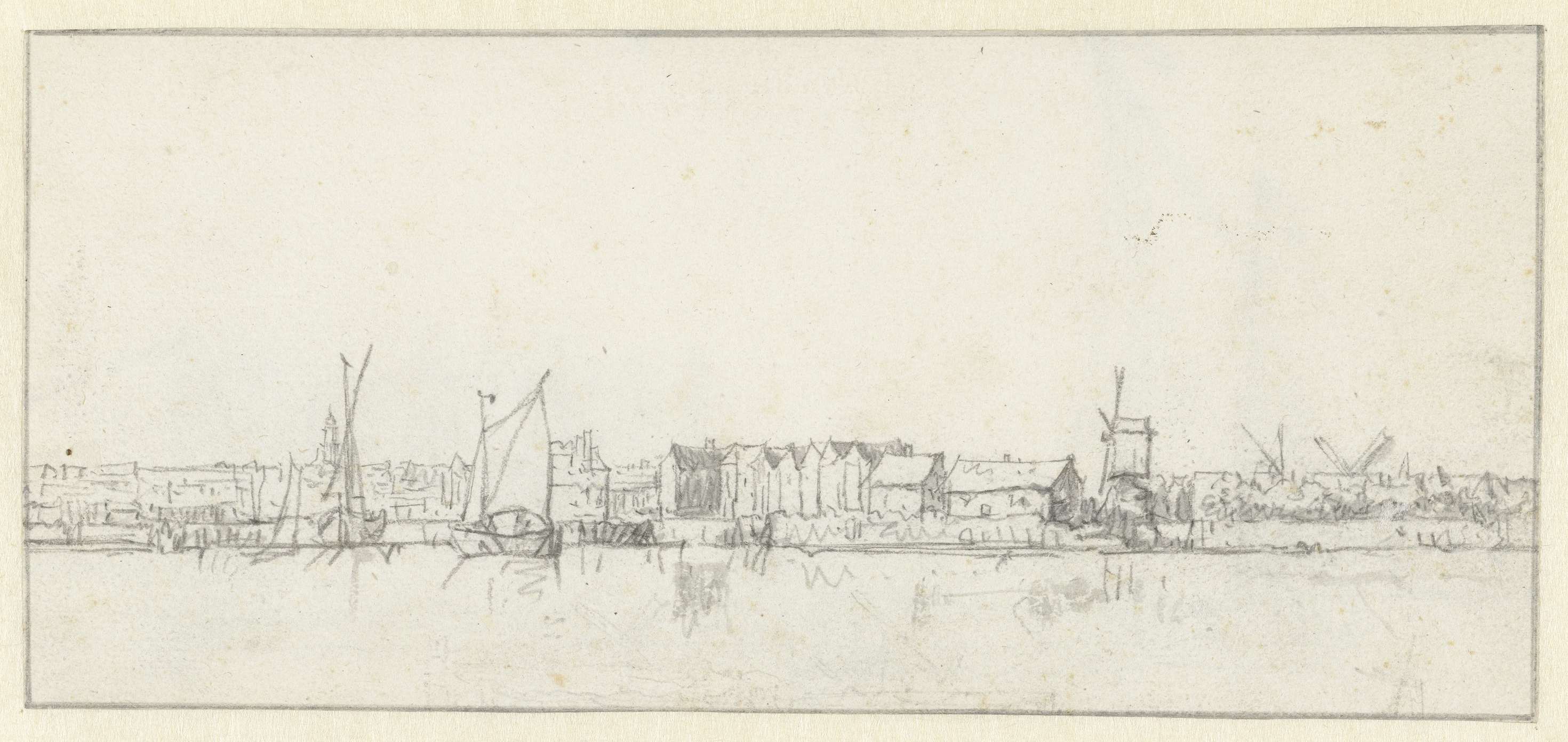
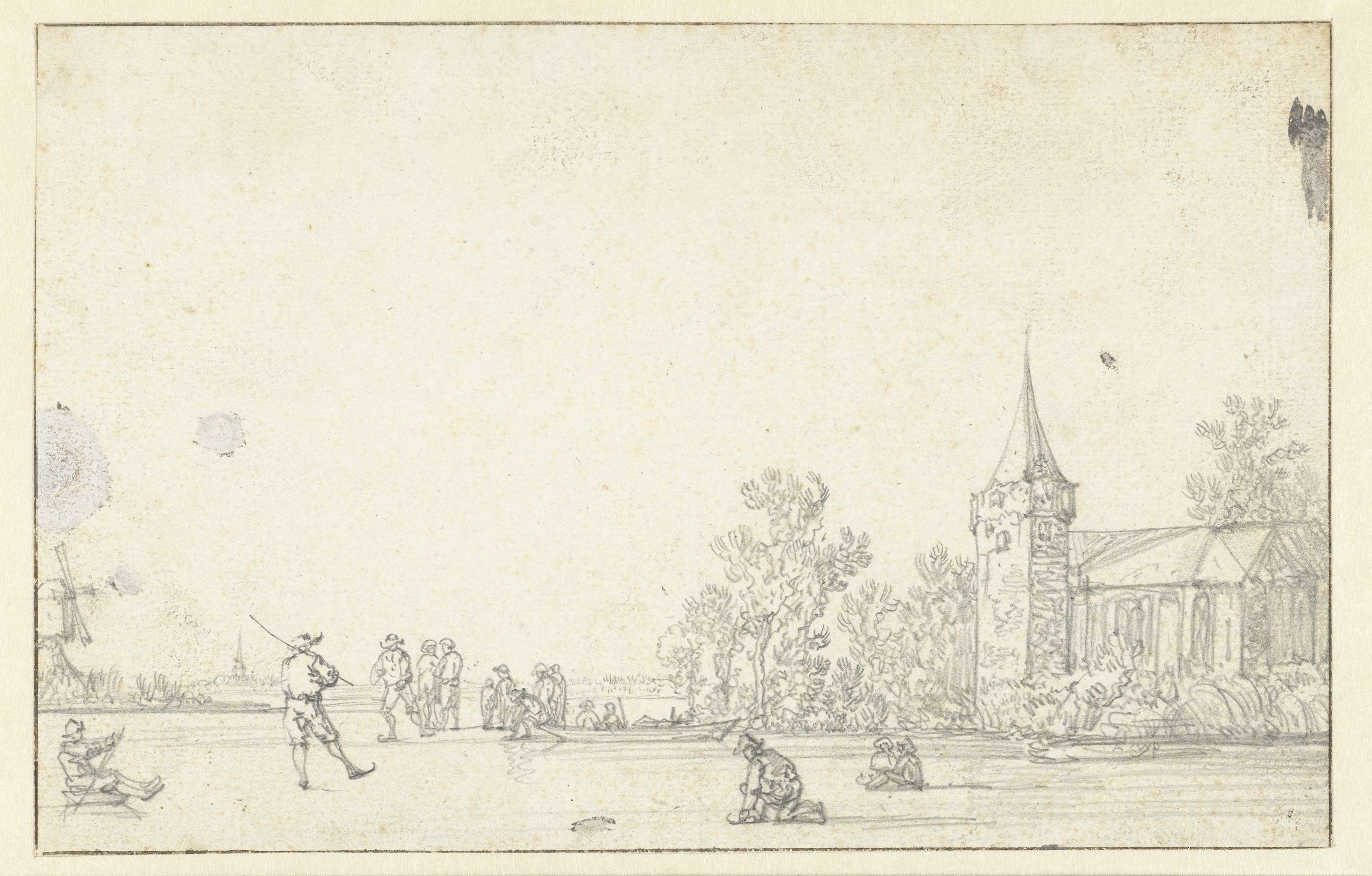
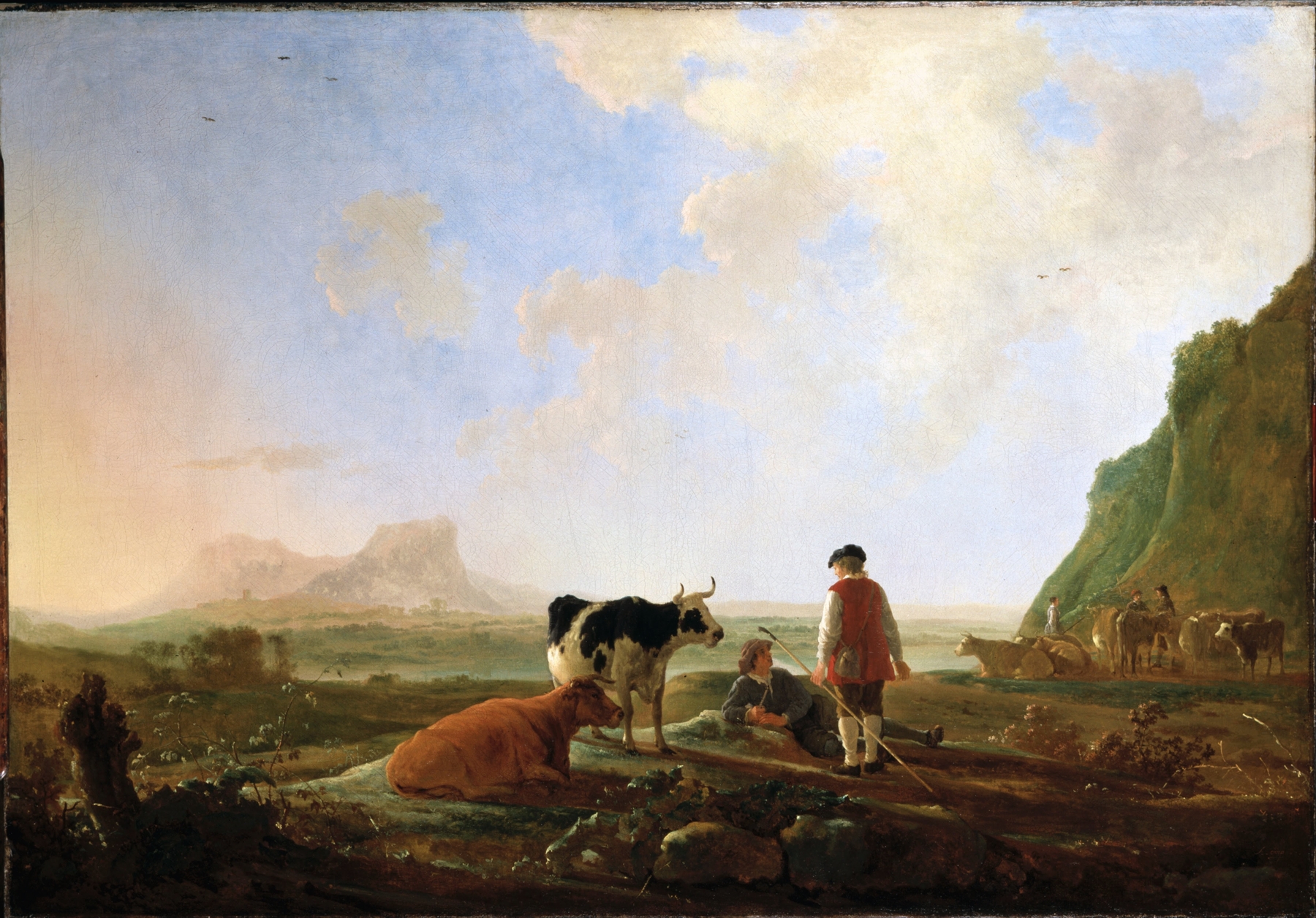
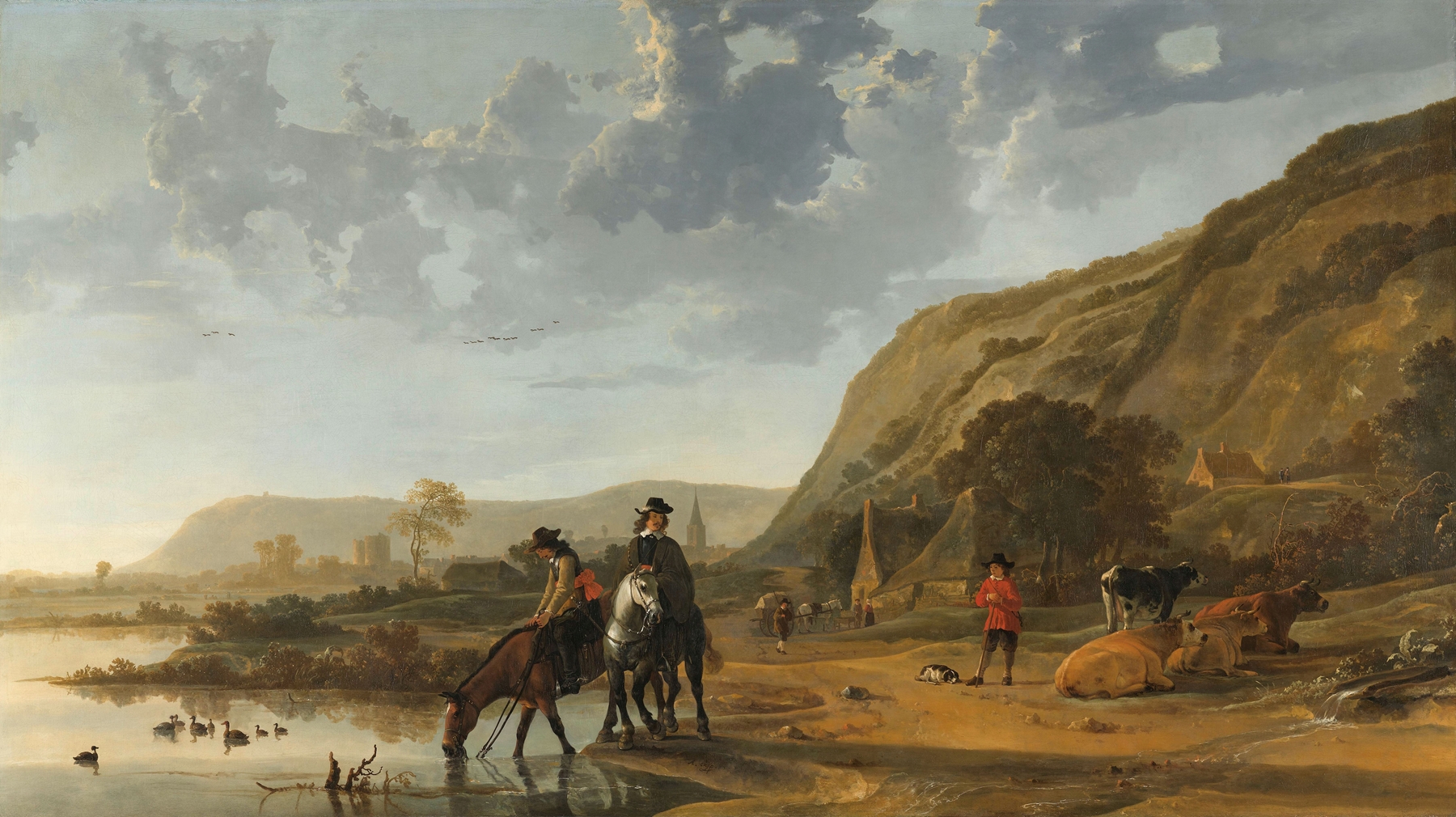
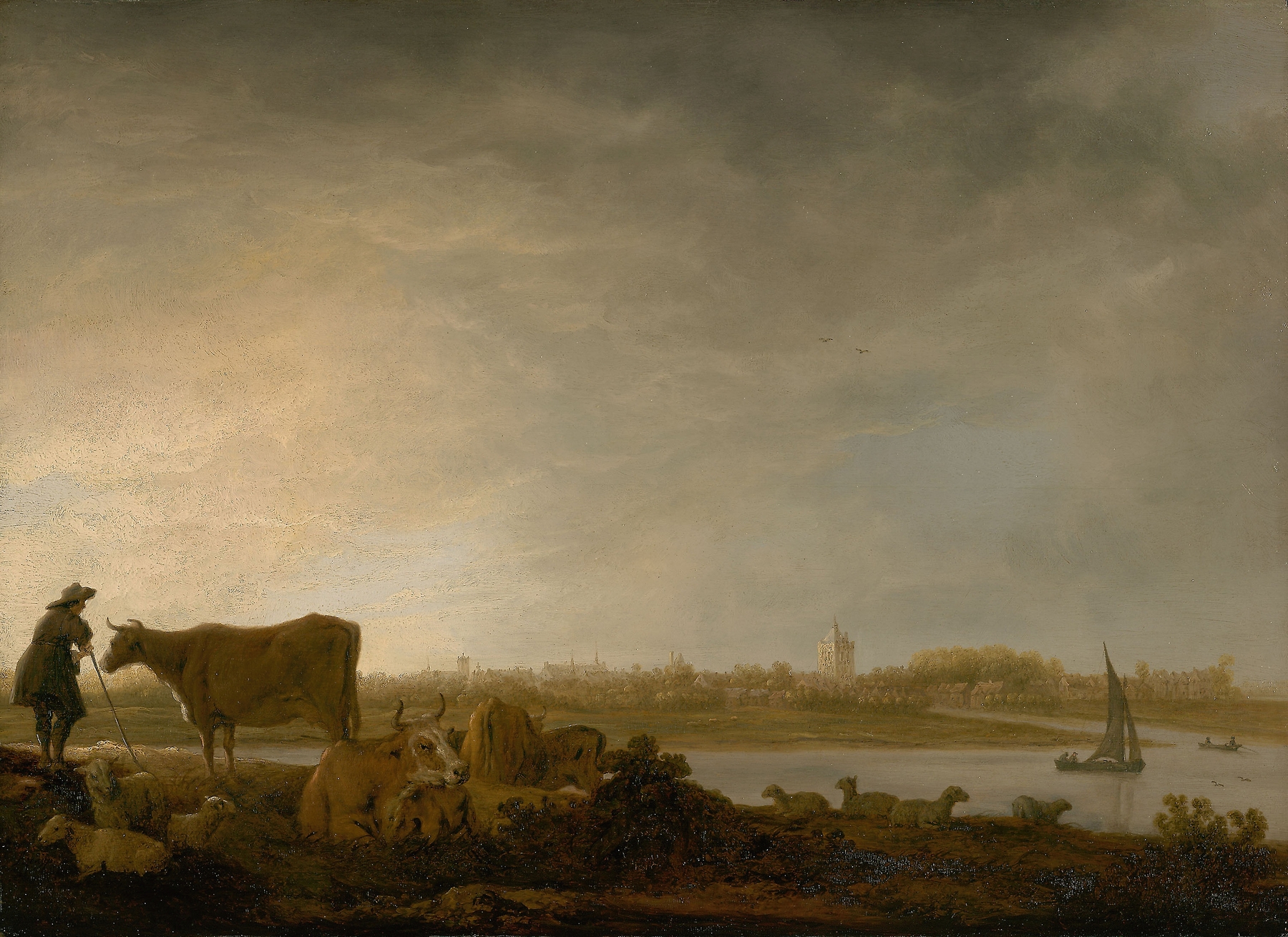
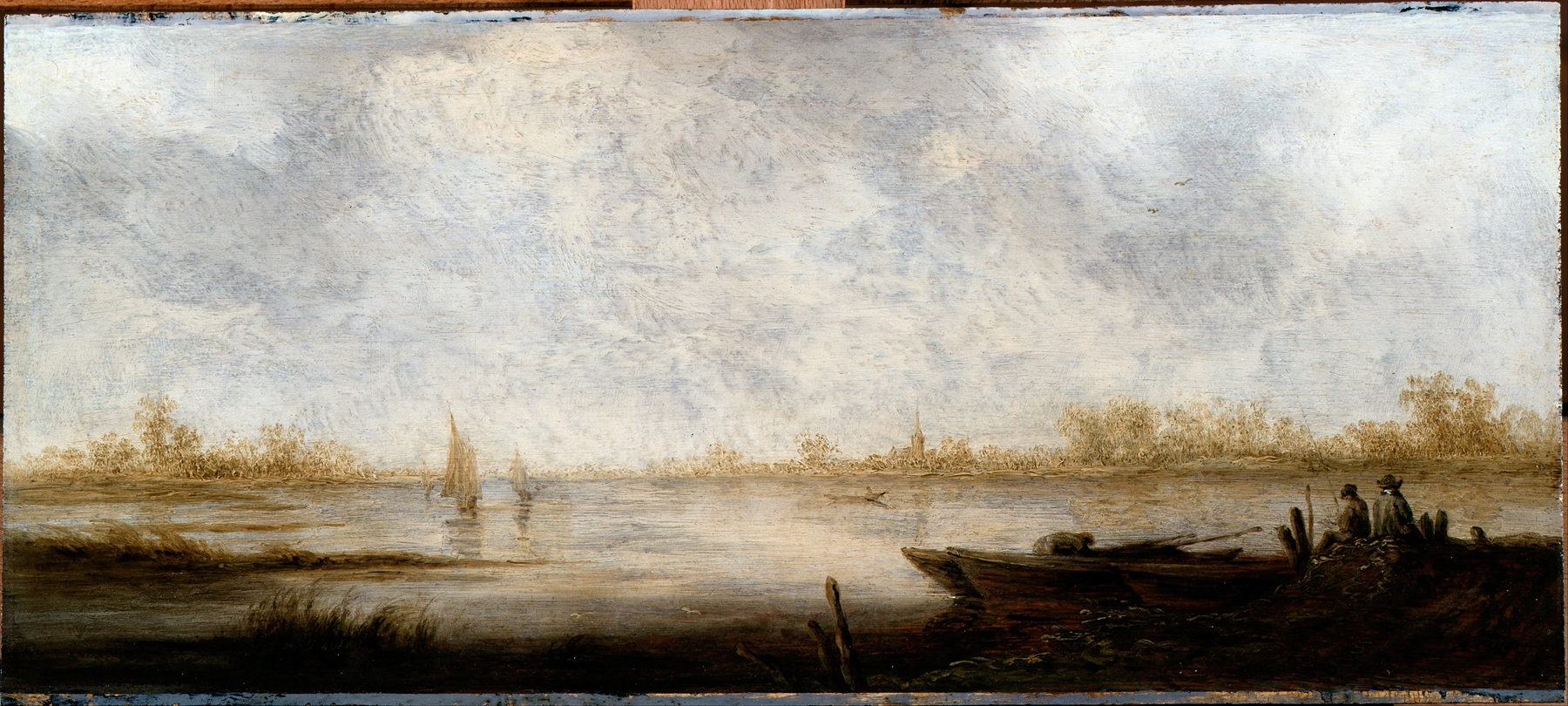
What if beauty was never meant to be finished? In Gezicht op Dordrecht, the ethereal blend of light and landscape whispers the secrets of a place suspended in time, reflecting the transient nature of memory itself. Look to the right at the warm tones of the sun setting over the river, casting a golden hue across the water. Notice how the clouds are alive with soft whites and subtle pinks, a delicate interplay that draws the eye toward the horizon. The composition is harmoniously balanced, with boats gently drifting along the river, inviting contemplation of both movement and stillness.
Cuyp's masterful brushwork captures the essence of day’s end, where each stroke adds depth and richness to the scene. Hidden within this serene landscape are deeper layers of meaning. The distant silhouette of Dordrecht’s architecture evokes a sense of nostalgia, as if it beckons the viewer to recall the stories held within its streets. The juxtaposition of lively boats against the tranquil water embodies the tension between humanity and nature, a dance of connection and solitude.
This delicate balance suggests that beauty, much like memory, is fleeting yet profoundly impactful. Aelbert Cuyp painted Gezicht op Dordrecht during the Dutch Golden Age, a time marked by a flourishing of trade and art. Creating this work in the late 17th century, he was deeply influenced by the natural beauty surrounding him, as well as the patronage of wealthy merchants who valued his landscapes. It was a period where artists explored light and atmosphere, perfectly aligning with Cuyp's ambition to elevate the landscape genre, capturing both the physical and emotional landscapes of his time.