Gezicht op een stad aan het water — History & Analysis
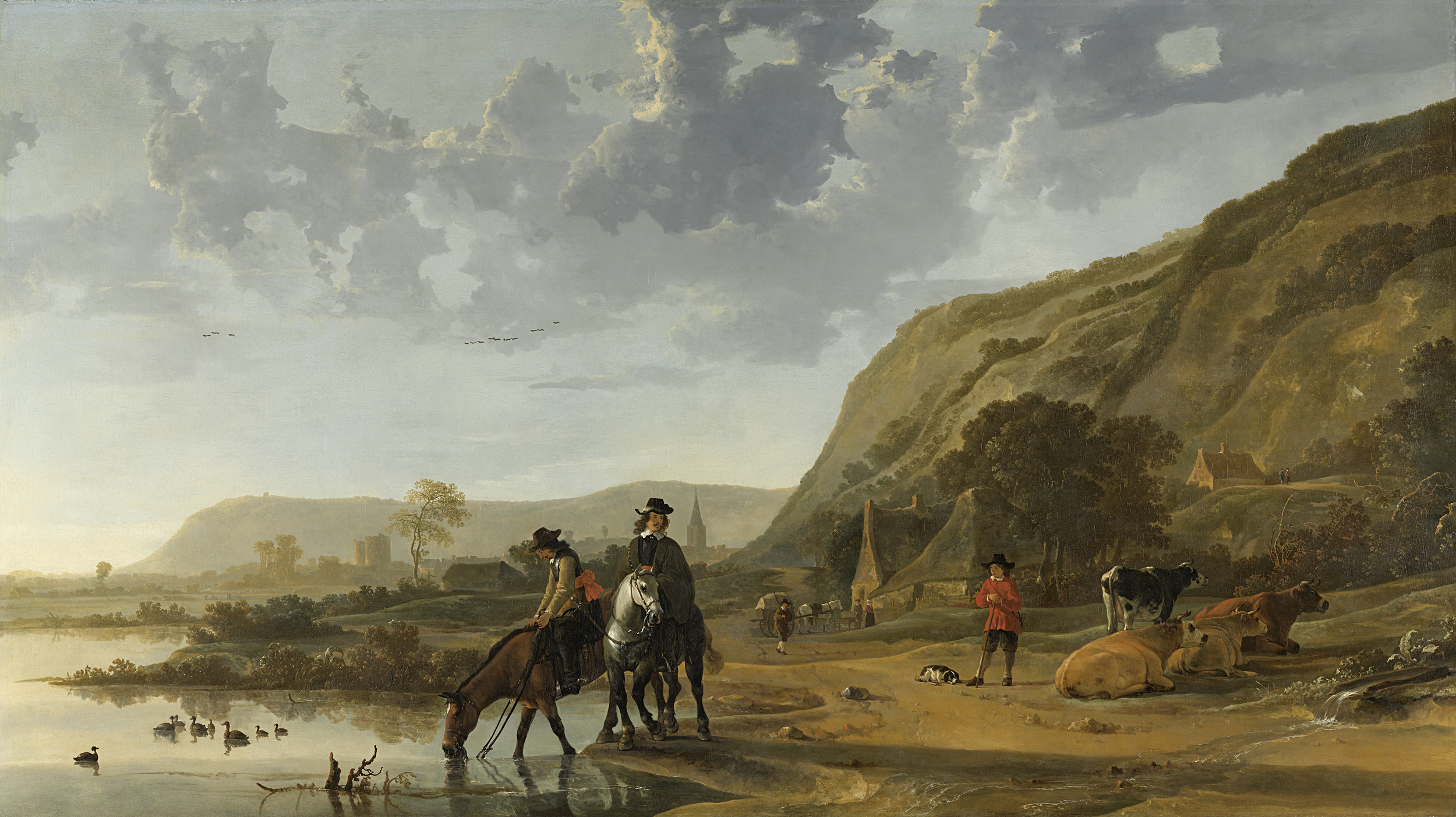
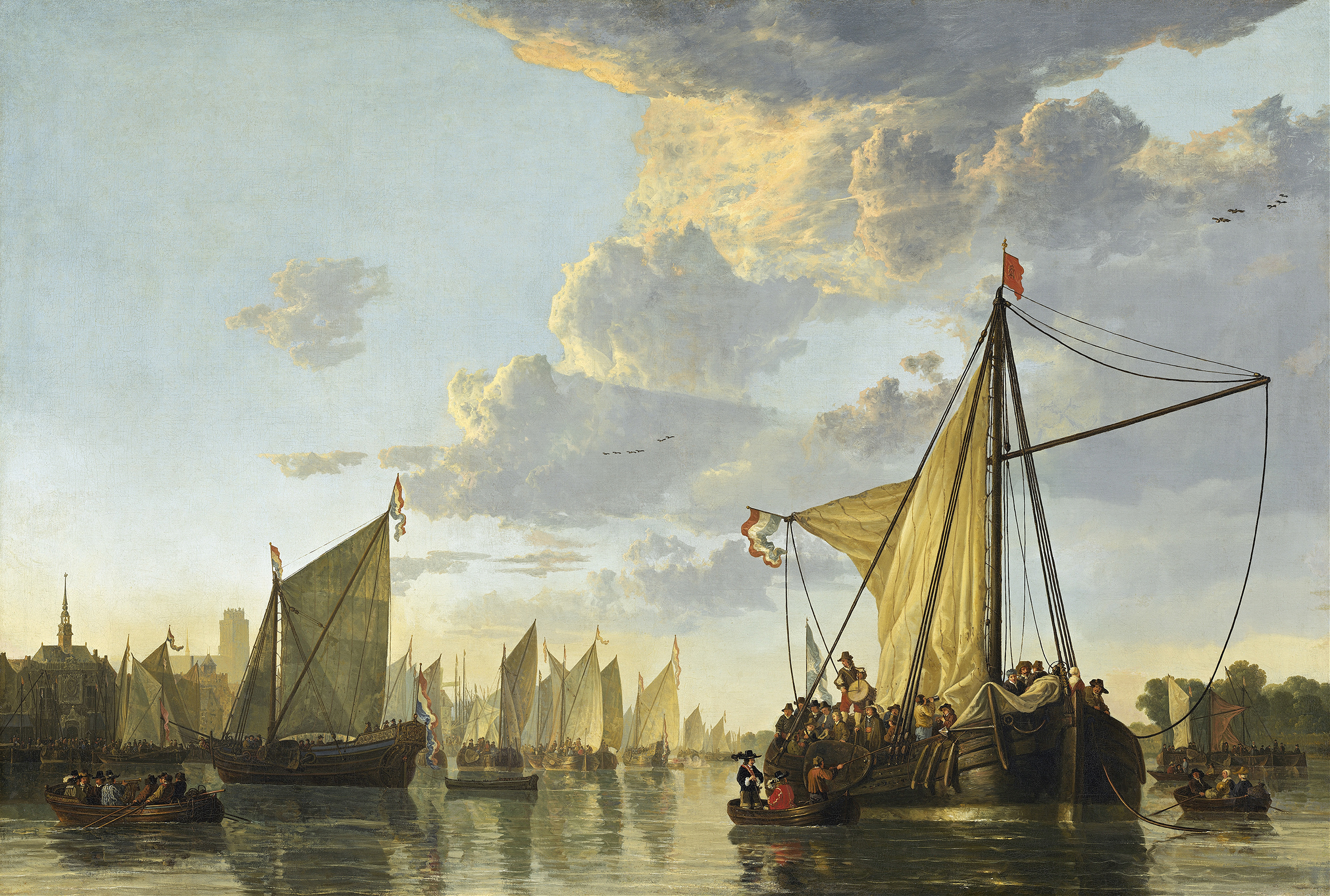
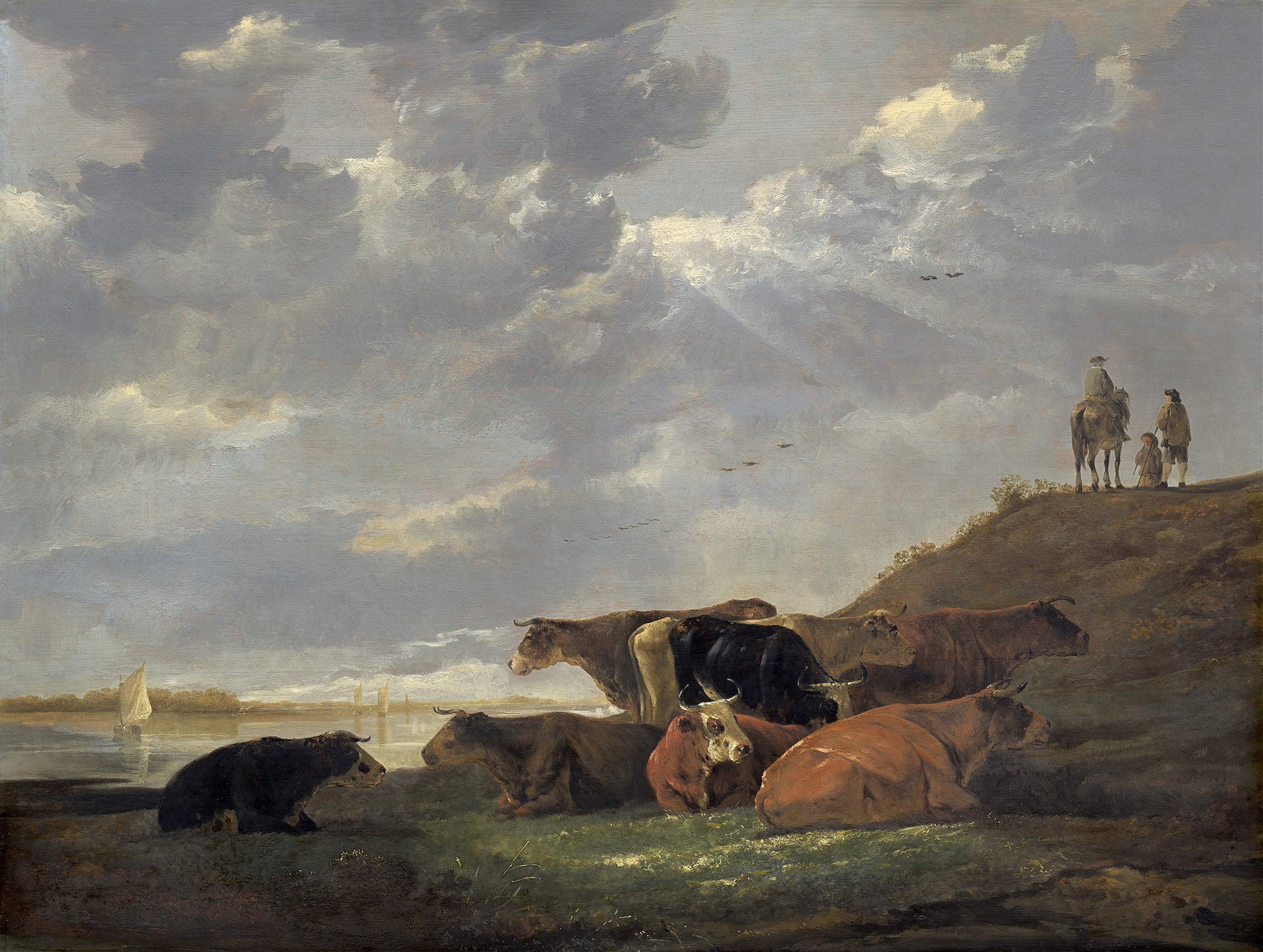
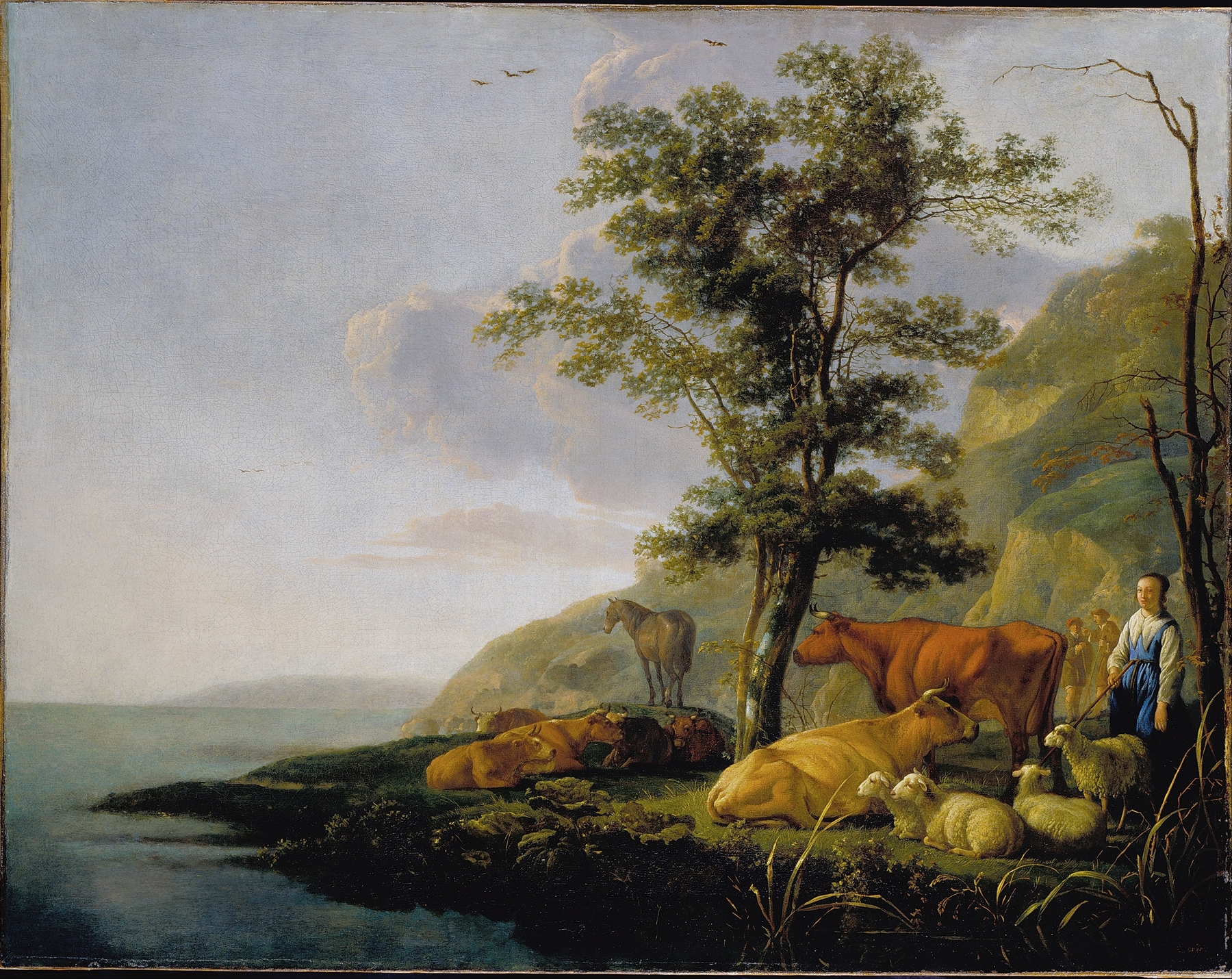
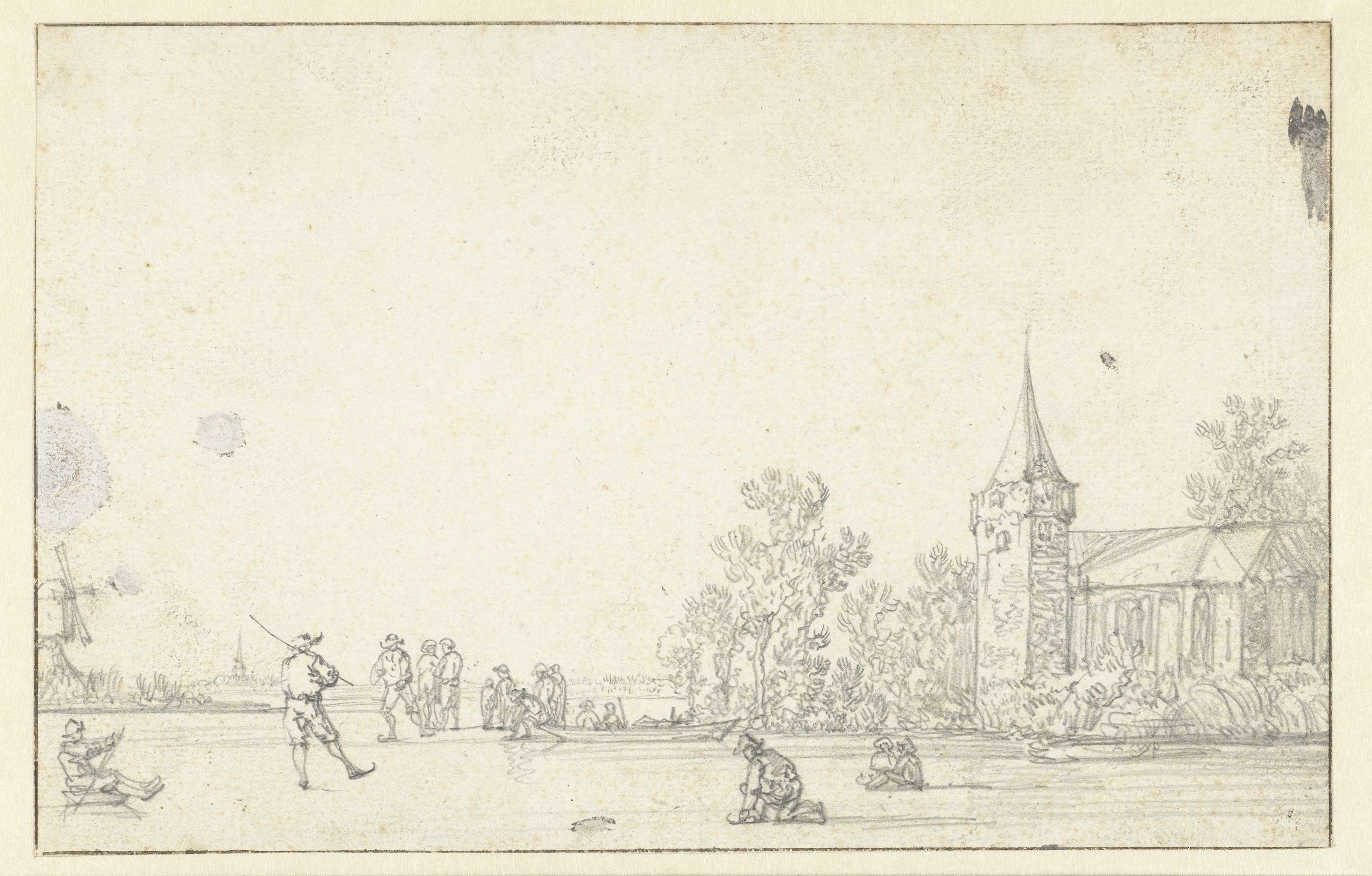
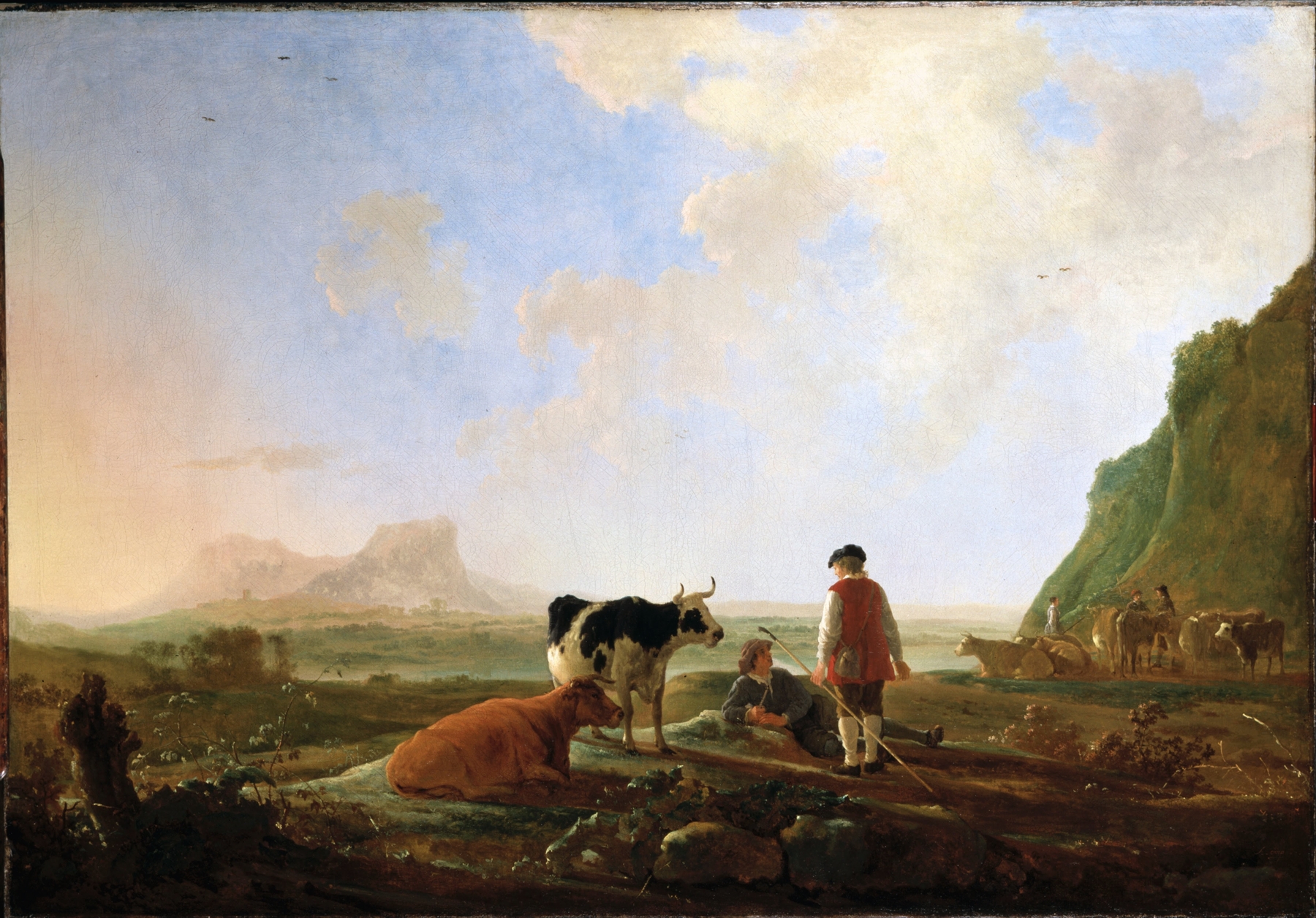
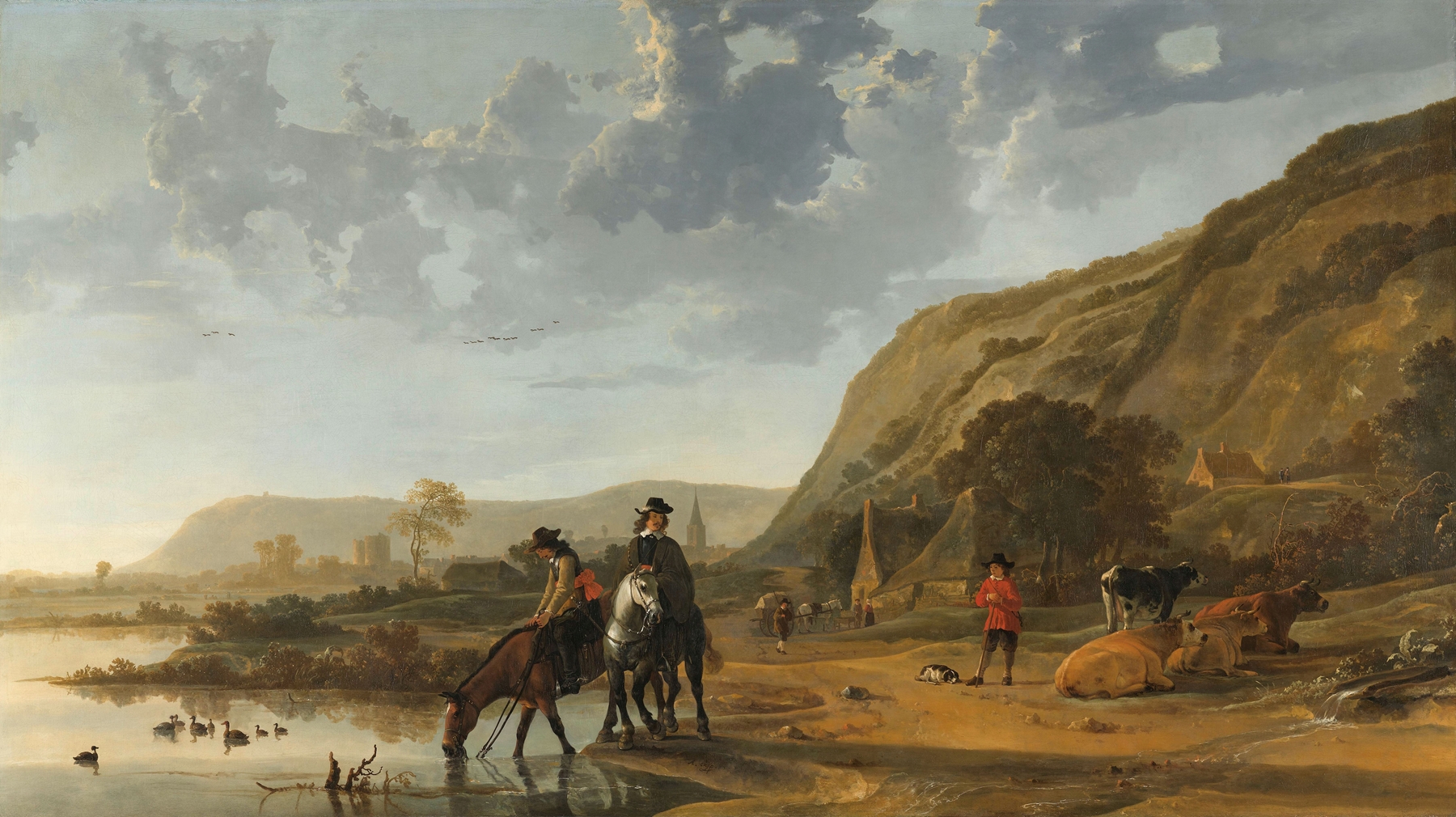
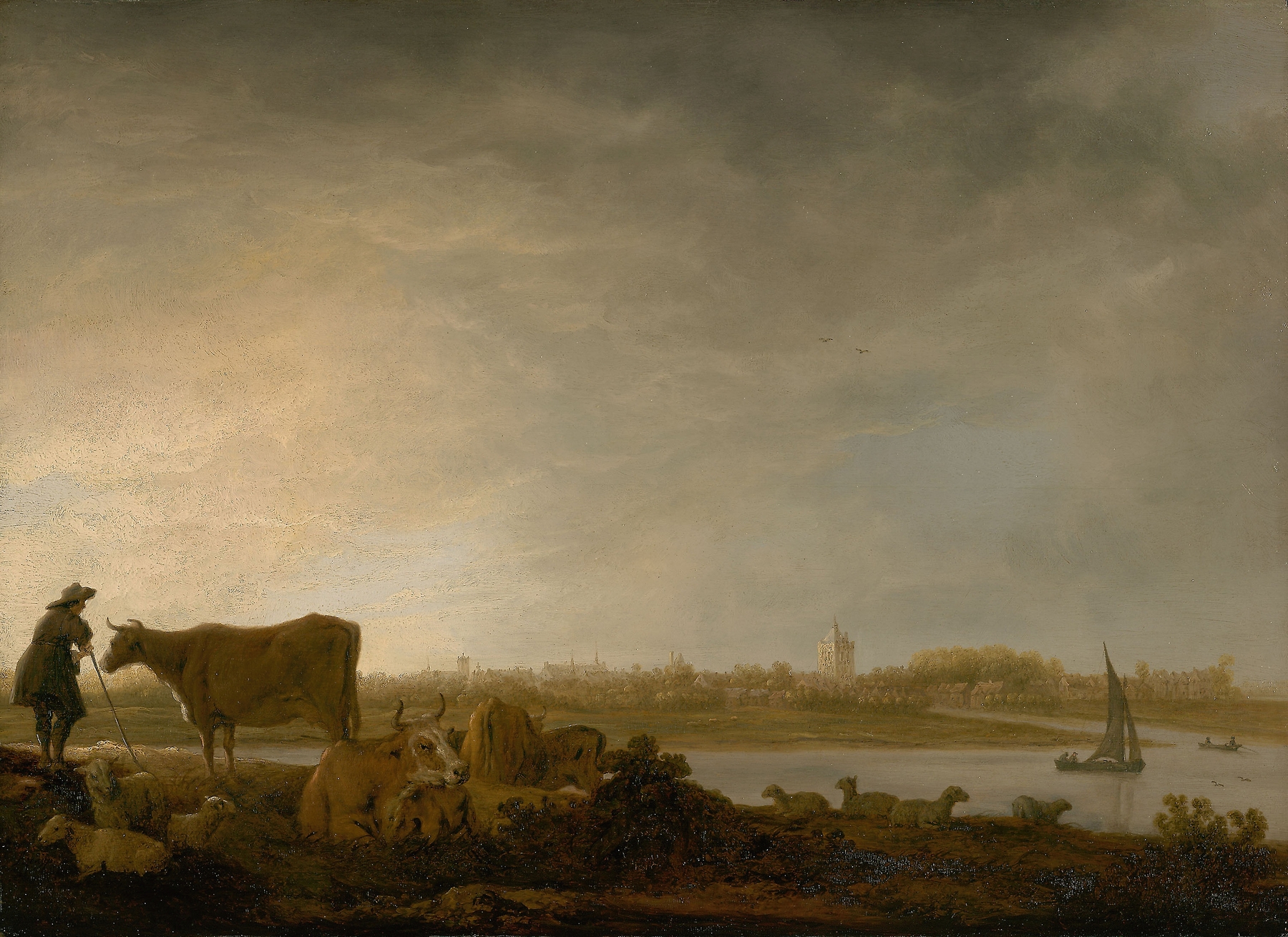
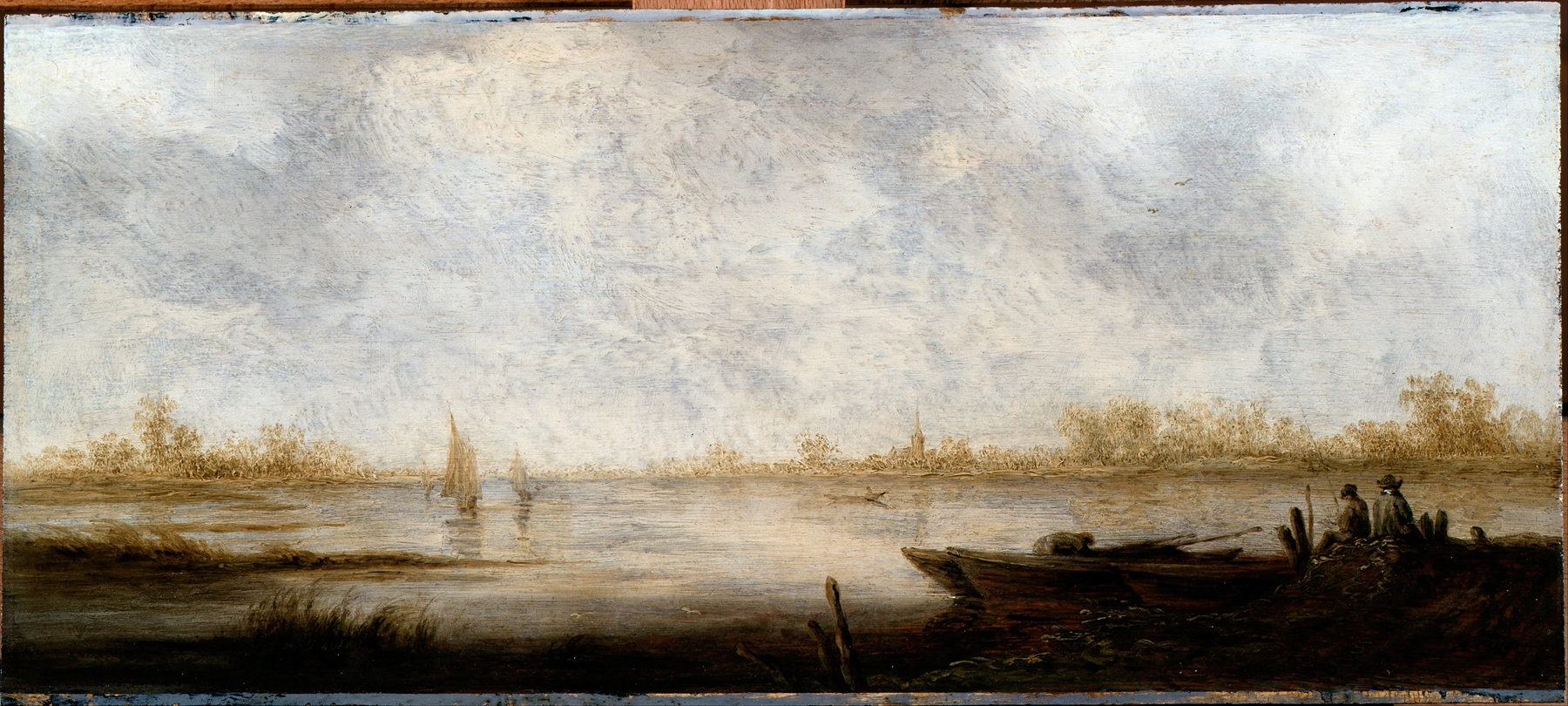
“Art reveals the soul when the world turns away.” In the hushed intimacy of a painted landscape, we find ourselves drawn into a realm where ecstasy meets tranquility, and the essence of existence unfolds like a whisper. Look to the horizon, where the shimmering water meets a sky brushed with soft pastels. The gentle ripples reflect a warmth, inviting you to explore the quiet city nestled along the banks. Notice how the light dances across the golden fields, illuminating the elegant architecture that stands poised against the backdrop of nature, embodying a serene harmony between man and the elements.
Upon closer inspection, subtle contrasts evoke deeper meanings within the canvas. The vibrant hues of the sunset juxtapose with the tranquil stillness of the water, suggesting a fleeting moment of joy amidst the passage of time. Each building, each figure, seems to pulse with life, yet there’s an underlying sense of solitude, reminding us of the delicate balance between community and isolation. The soft, almost ethereal quality of the light hints at the transient beauty of existence, echoing the fleeting nature of happiness.
Created during the latter part of the Dutch Golden Age, this masterpiece reflects Aelbert Cuyp's deep connection to his surroundings in the mid-17th century. Living in Dordrecht, a bustling trade city, he drew inspiration from the merging of daily life and nature. At this time, artists were increasingly exploring the interplay of light and environment, and Cuyp's vision remained pivotal in capturing the poignancy of the landscape, solidifying his place in the pantheon of Dutch art.