The Maas at Dordrecht — History & Analysis
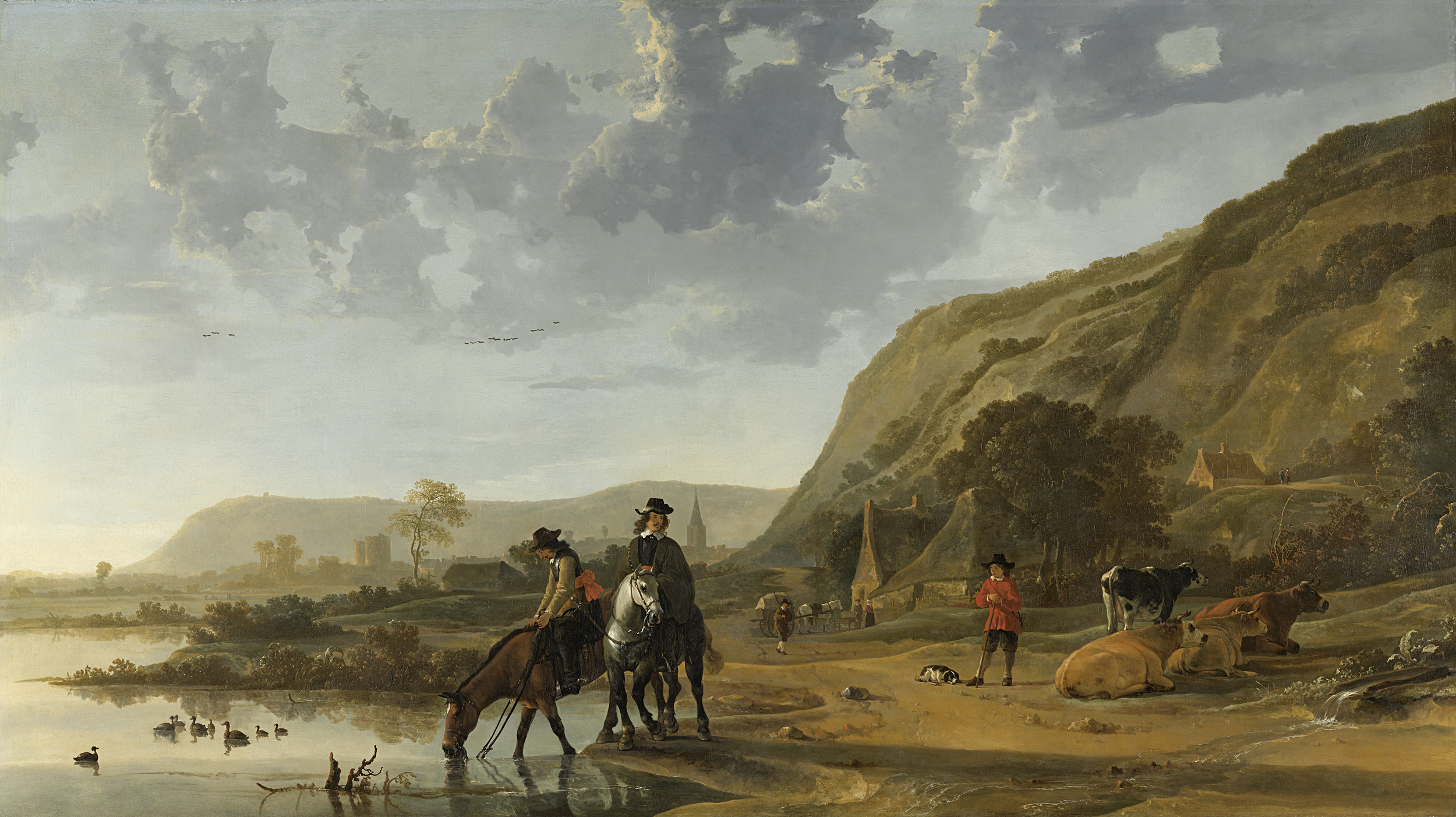
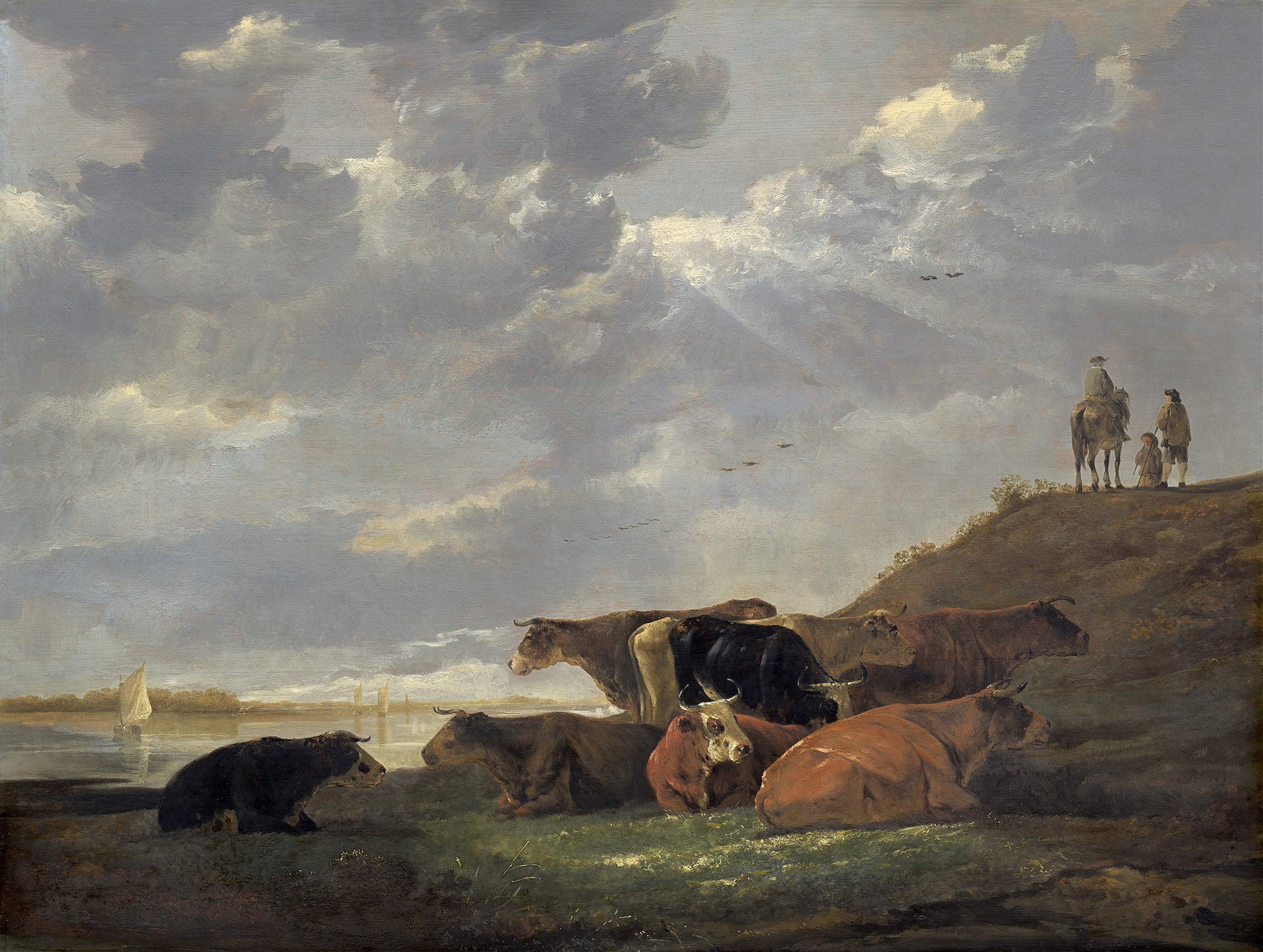
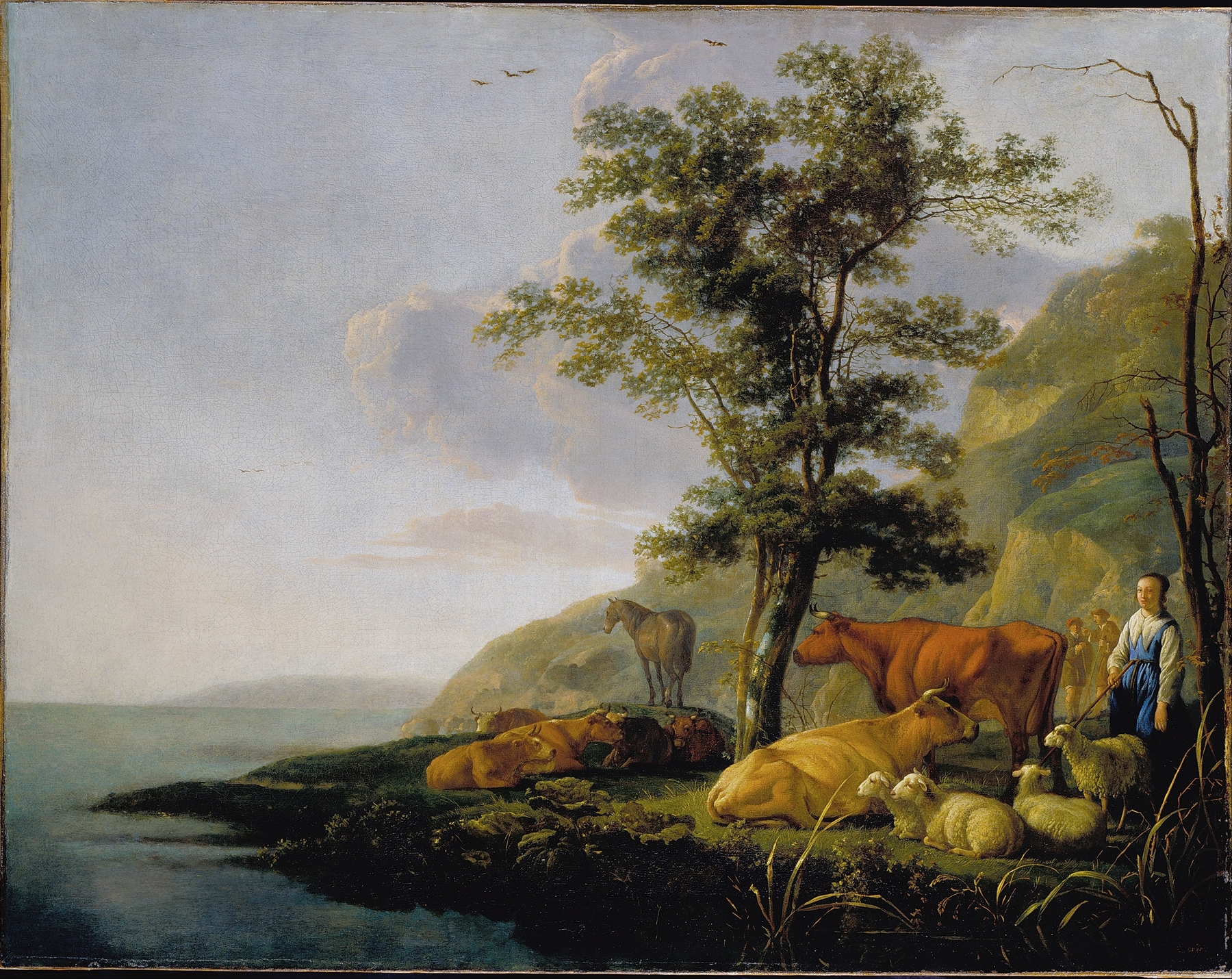
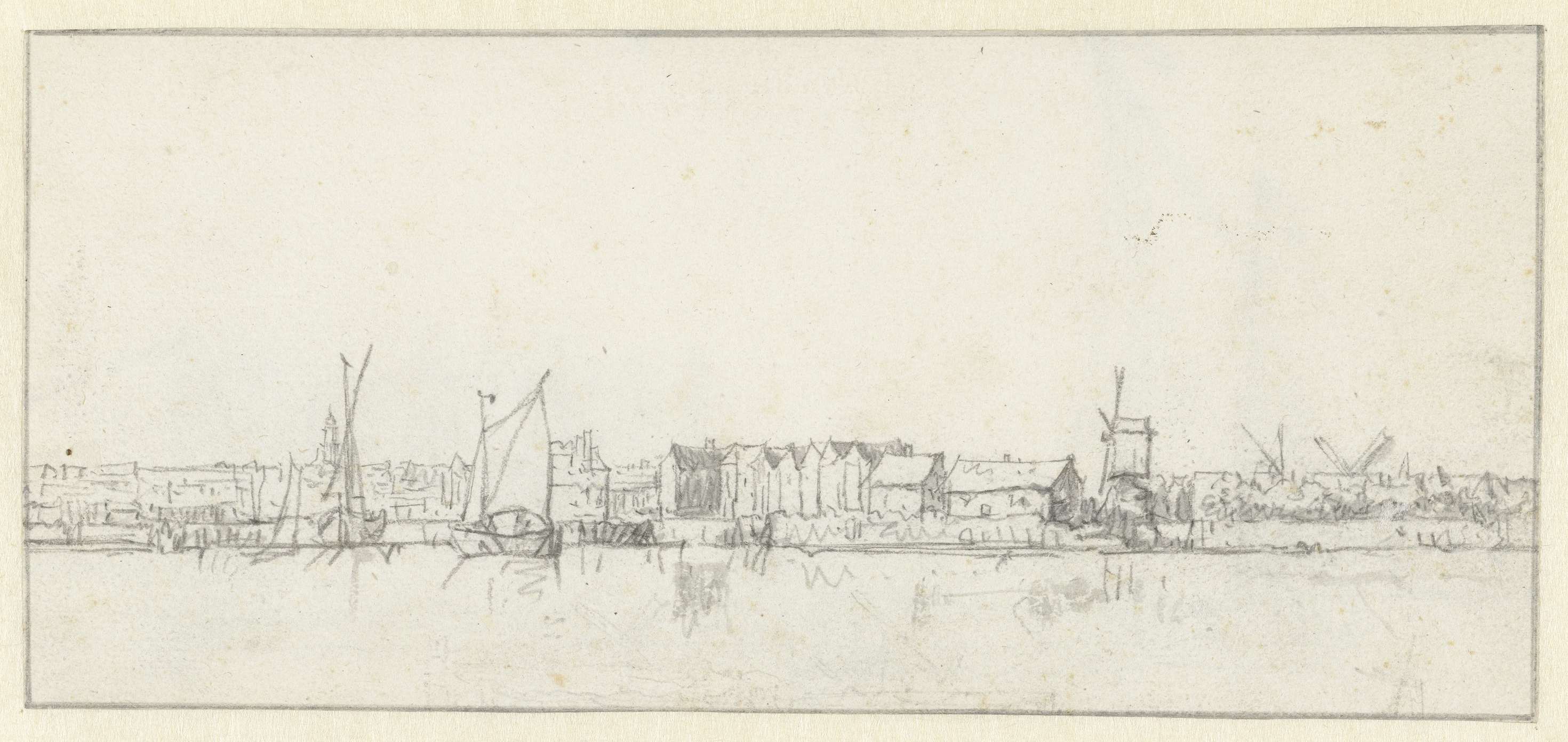
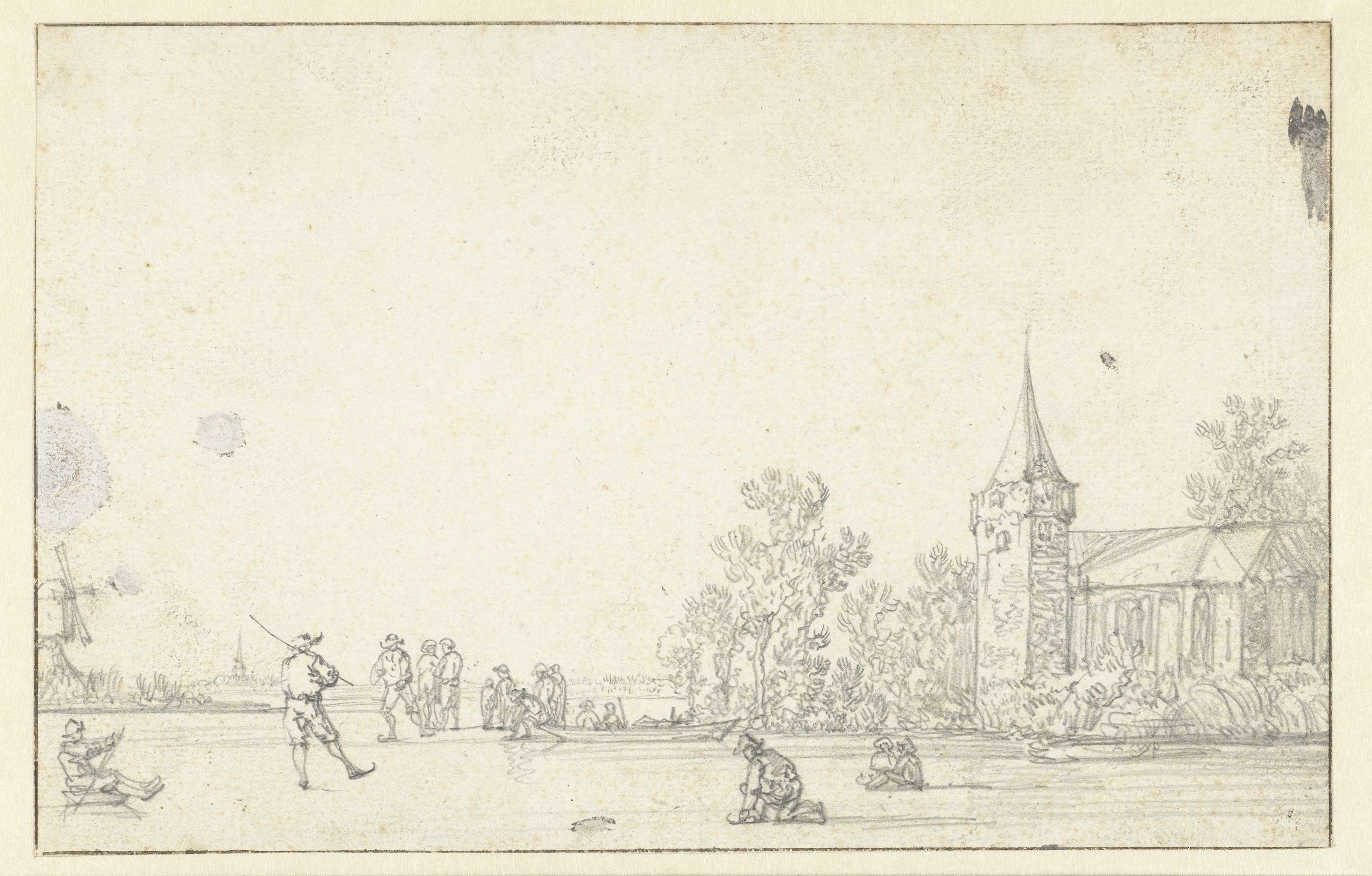
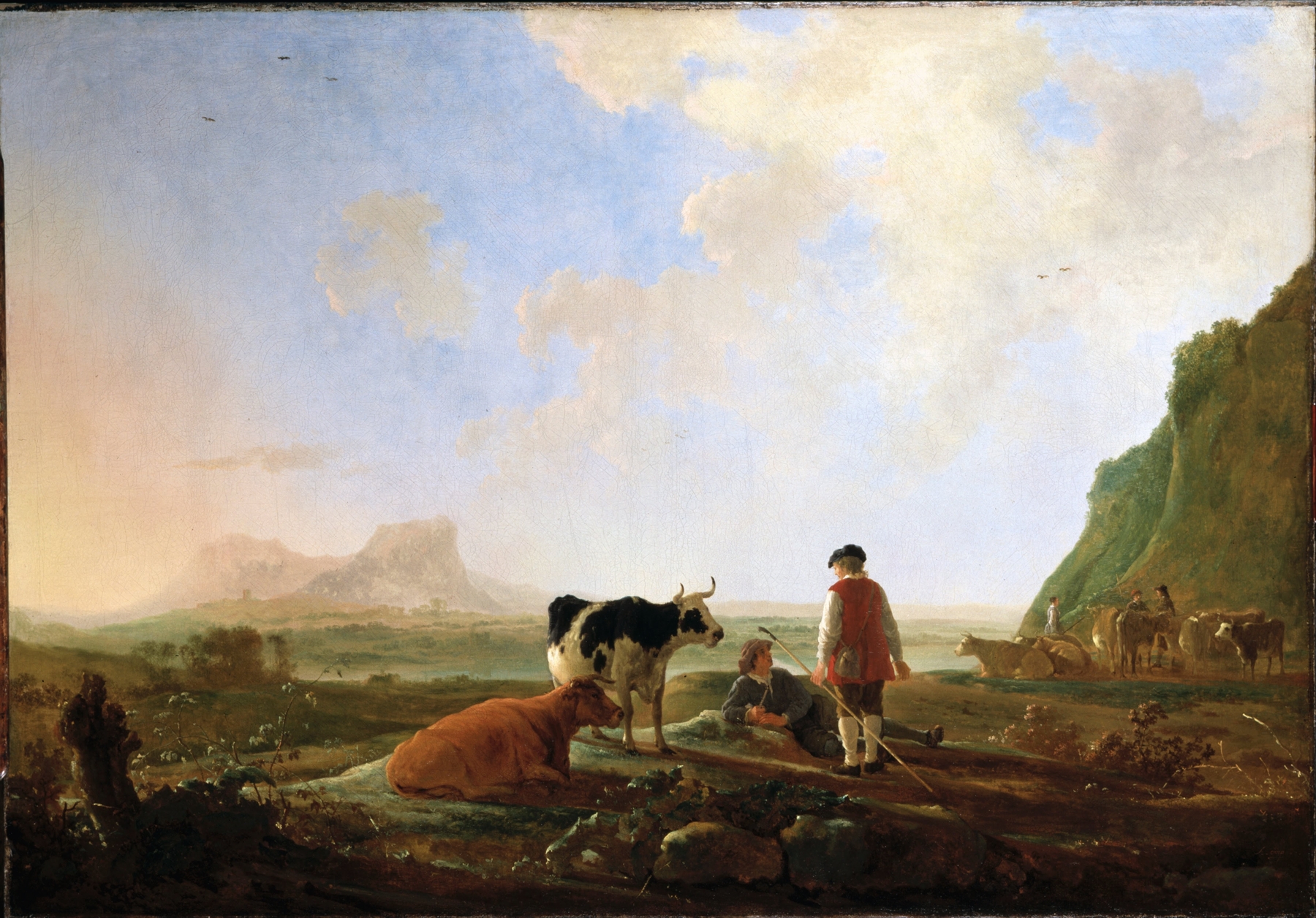
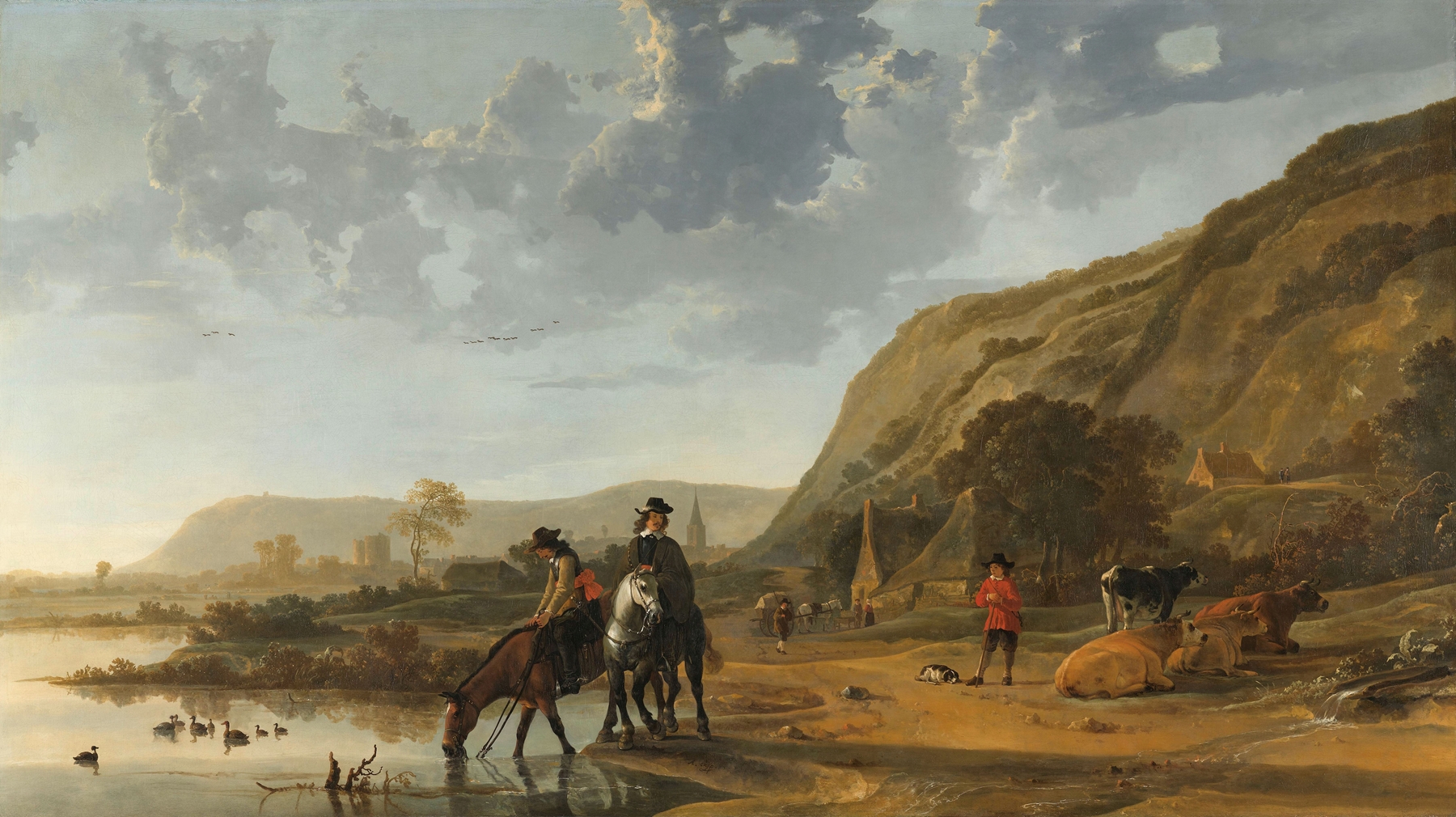
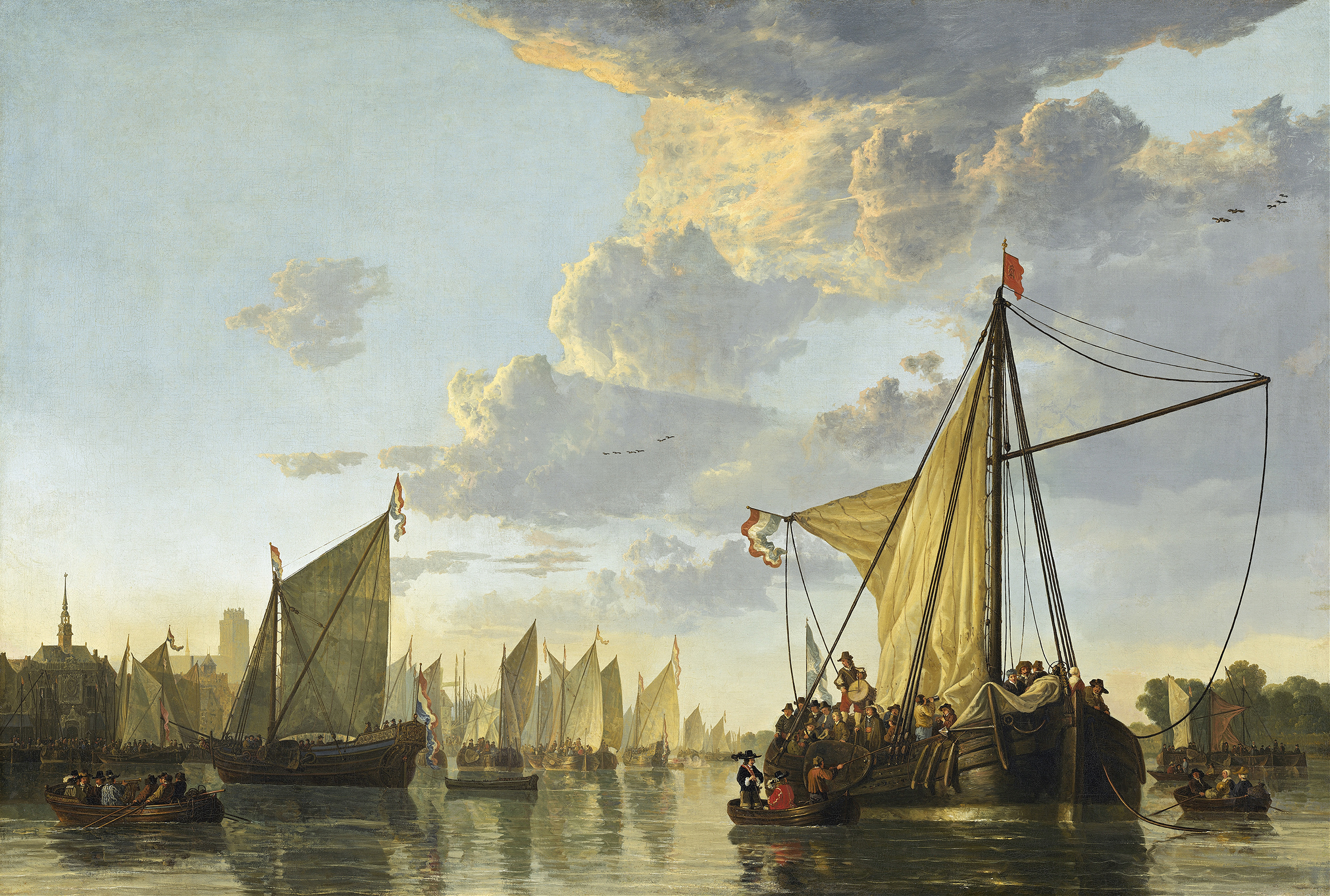
“To paint is to remember what time wants us to forget.” This notion resonates deeply within the tranquil waters and sun-drenched skies of a certain masterpiece. In a world where memories fade like mist, moments captured on canvas become eternal whispers of existence, inviting us to linger just a while longer. Look to the foreground, where the riverbanks cradle a gentle scene of daily life. The shimmering waters reflect a magnificent interplay of soft browns and rich greens, guiding your gaze towards the figures engaged in their quaint activities alongside the shore.
Notice how the warm golden light bathes the landscape, bringing life to the sails of distant boats, almost as if Cuyp himself breathed color into the setting, enhancing the melancholic beauty of memory intertwined with nature. As you explore deeper, contrast surfaces between the serene stillness of the water and the subtle movement of figures on the shore. Each vessel gliding silently across the Maas symbolizes the passage of time, while the distant hills, painted with a delicate touch, cradle the horizon—a reminder of the unyielding march of days. The light captures fleeting moments, alluding to the transience of life itself, evocative of nostalgia and the bittersweet essence of what has been lost yet remains in collective memory.
Aelbert Cuyp created this evocative work around 1650 in Dordrecht, during a time when Dutch art was flourishing under a wave of optimism and prosperity. Known for his luminous landscapes, Cuyp was influenced by the growing interest in naturalism and the atmospheric qualities of light. His artistry reflects a region rich in maritime activity, capturing the essence of a miniature world that invites viewers to pause and ponder the transient nature of their own memories.