Charing Cross Bridge, London — History & Analysis
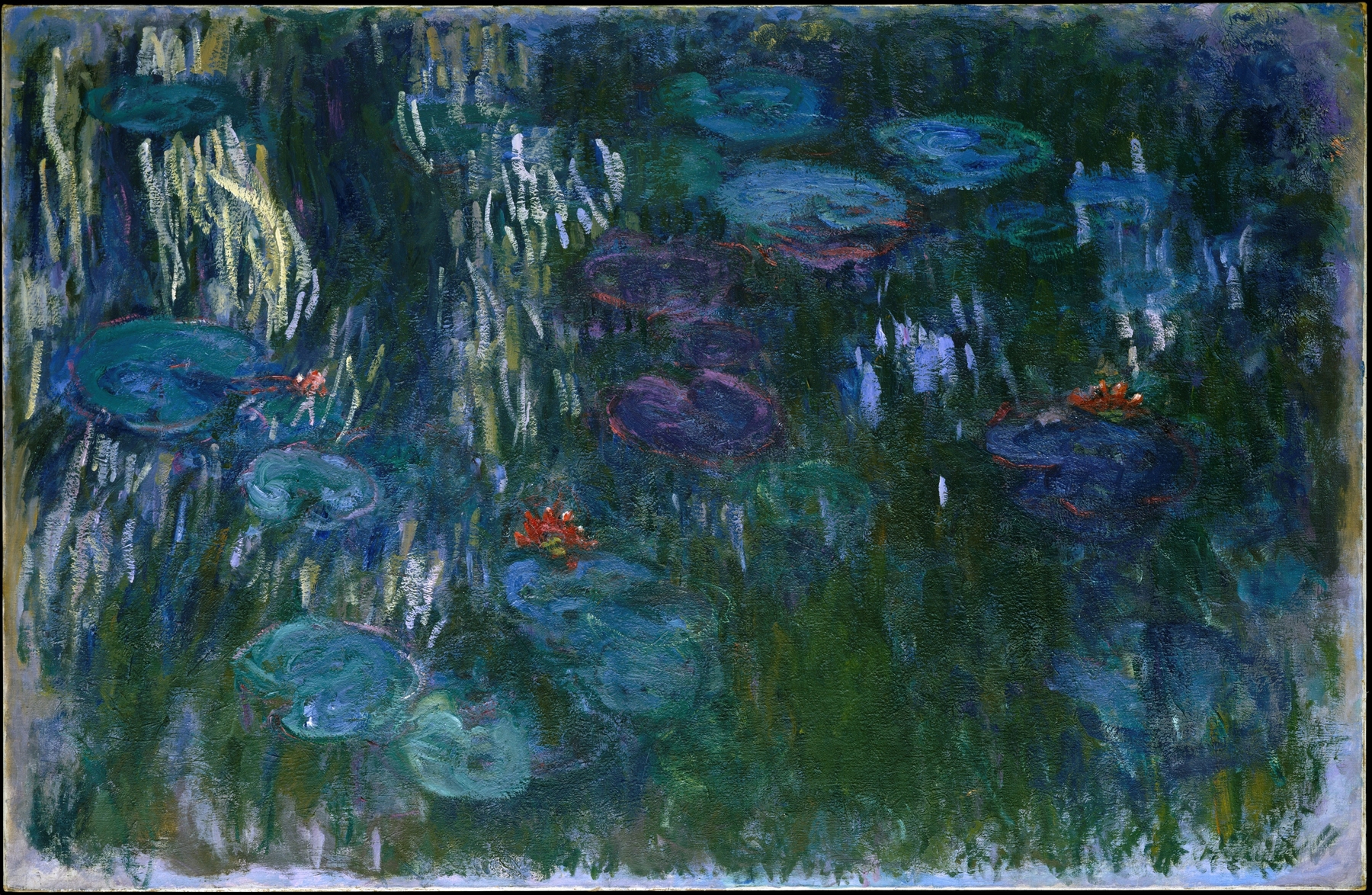
Can paint confess what words never could? In Charing Cross Bridge, London, the ephemeral nature of time is captured in delicate brushstrokes that shimmer with fleeting moments and memories, inviting us to witness the story of a city in motion. Focus first on the bridge itself, where soft, muted tones of grey and blue weave together, creating a sense of tranquility amidst the bustling life below. Notice how the light dances upon the water’s surface, reflecting the ethereal atmosphere of a London mist.
Just beyond the bridge, the soft silhouettes of boats and figures blur into an impressionistic haze, suggesting movement without clarity, echoing the passage of time. Delve deeper into the contrasts within the painting—the stark geometry of the bridge juxtaposed with the organic, flowing shapes of the fog and water. The warm hues hidden within the grey palette hint at the vibrancy of life beneath the surface, while the gentle strokes invoke a sense of nostalgia, as if capturing memories that are both vivid and elusive. Each layer of paint adds depth, inviting viewers to consider their own relationships with time and place.
In 1901, during a period of artistic exploration, Monet sought to capture the fleeting impressions of light and atmosphere. Living in France and experimenting with plein air techniques, he was at the height of his career, focusing on the effects of light across different times of day and seasons. This painting reflects not only his personal journey but also the broader context of the Impressionist movement, which was redefining art's role in expressing perception and experience.