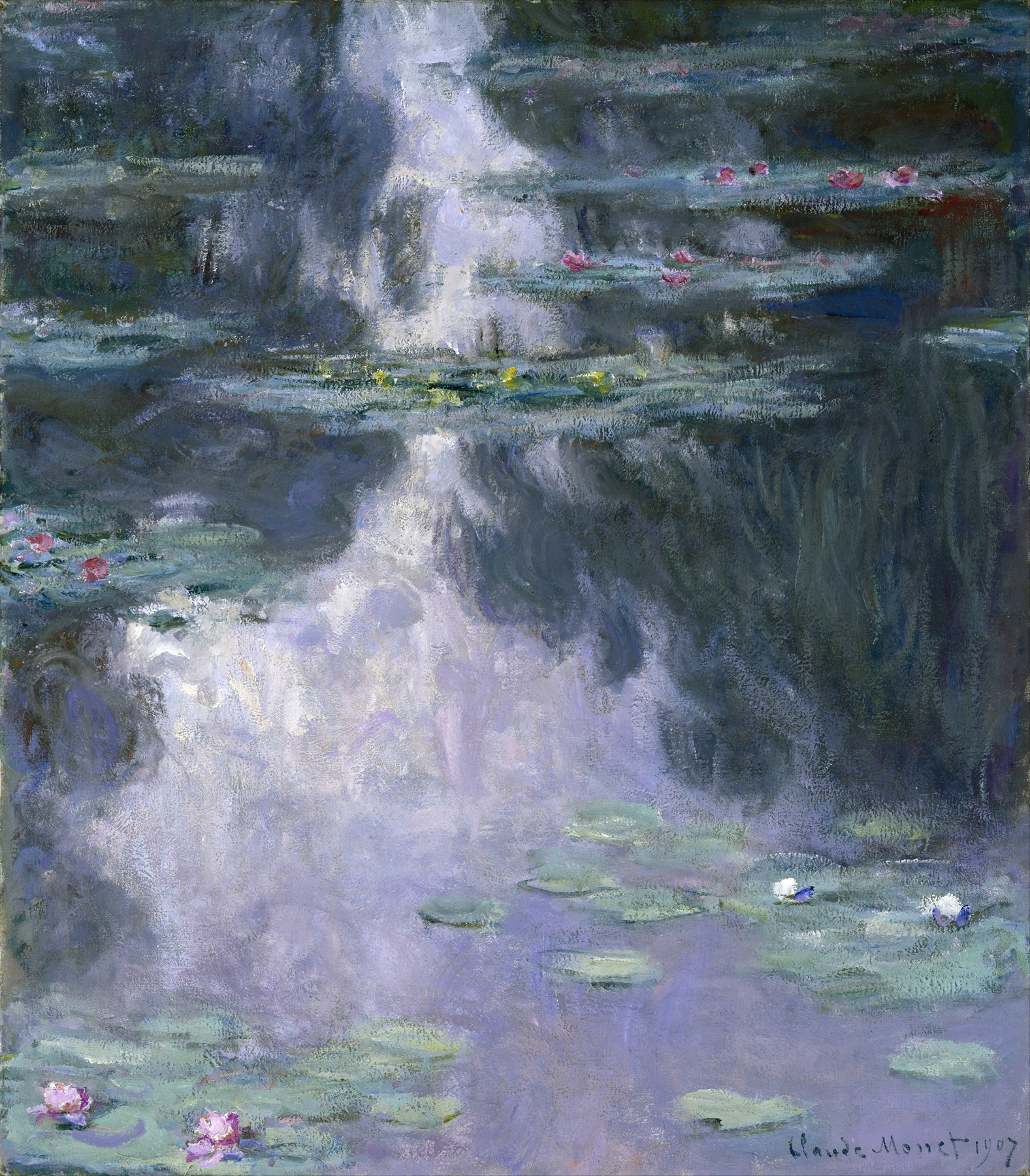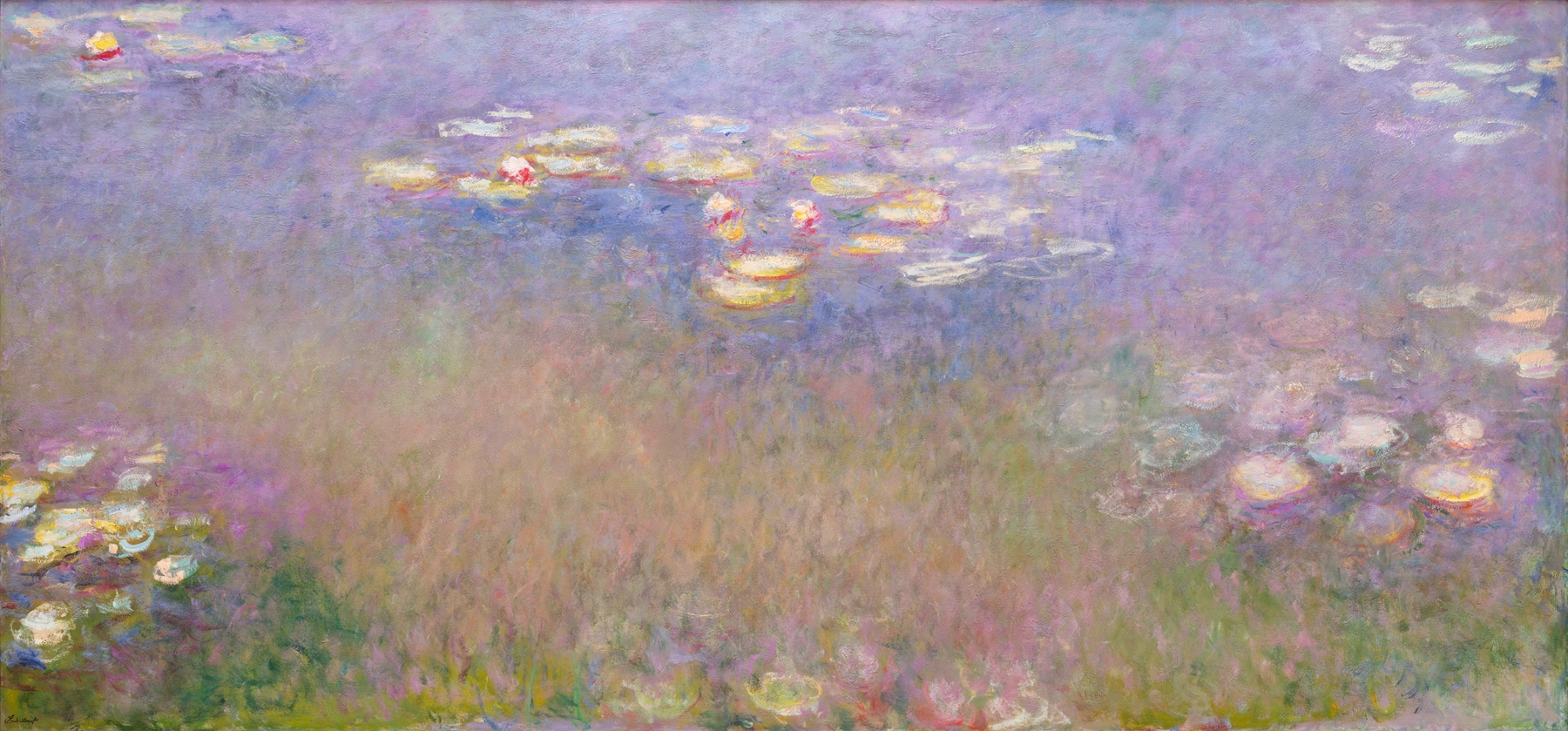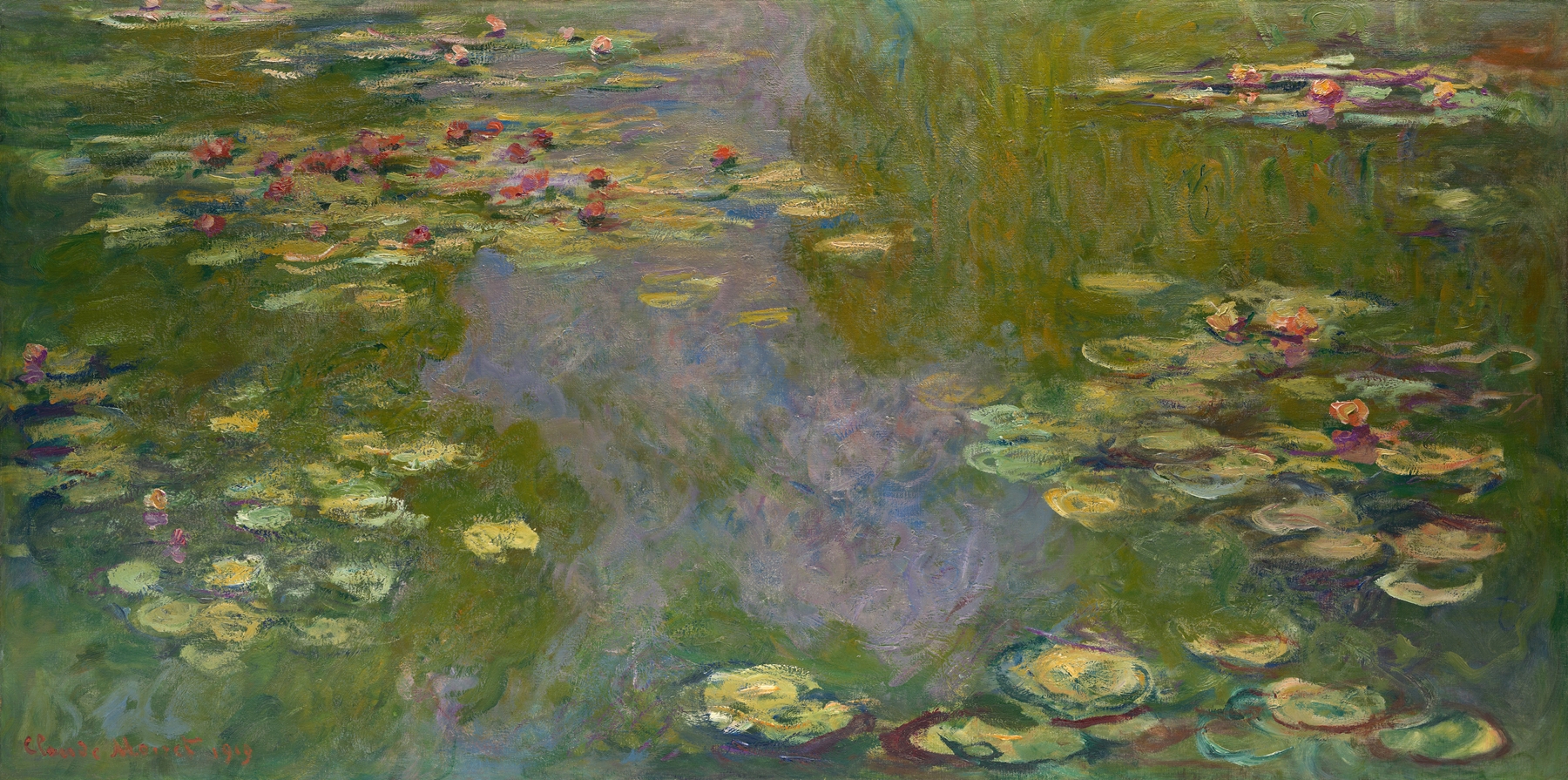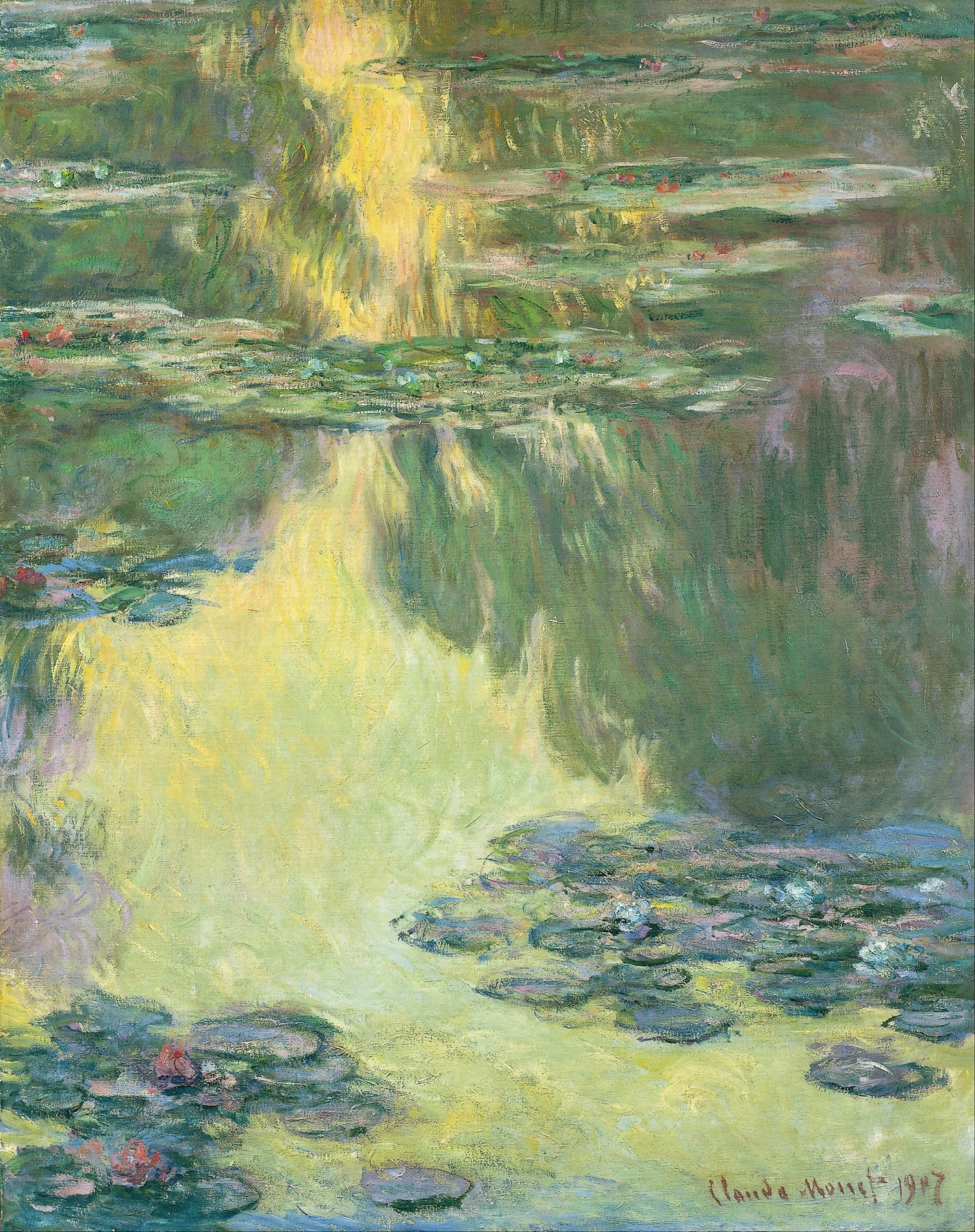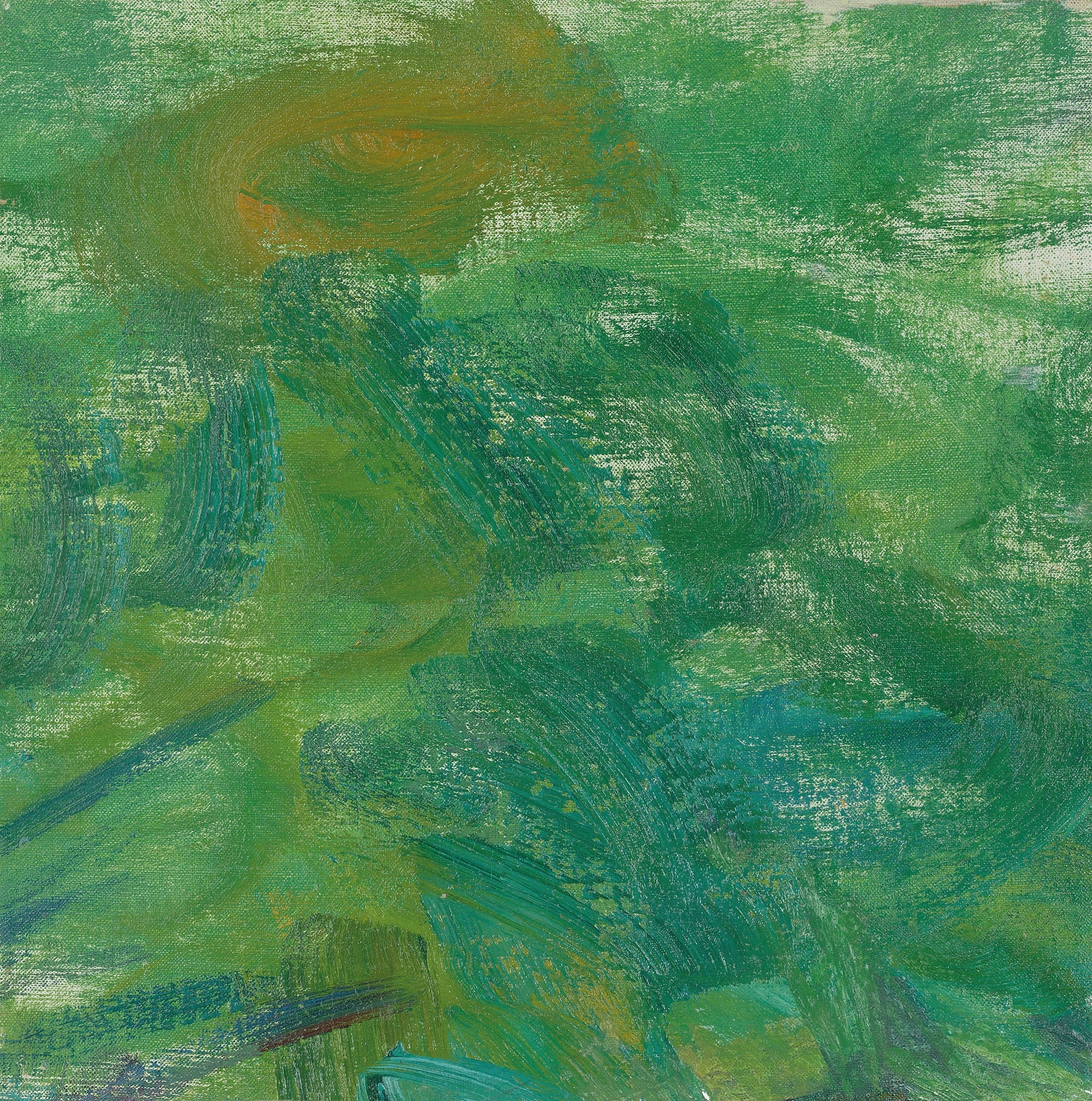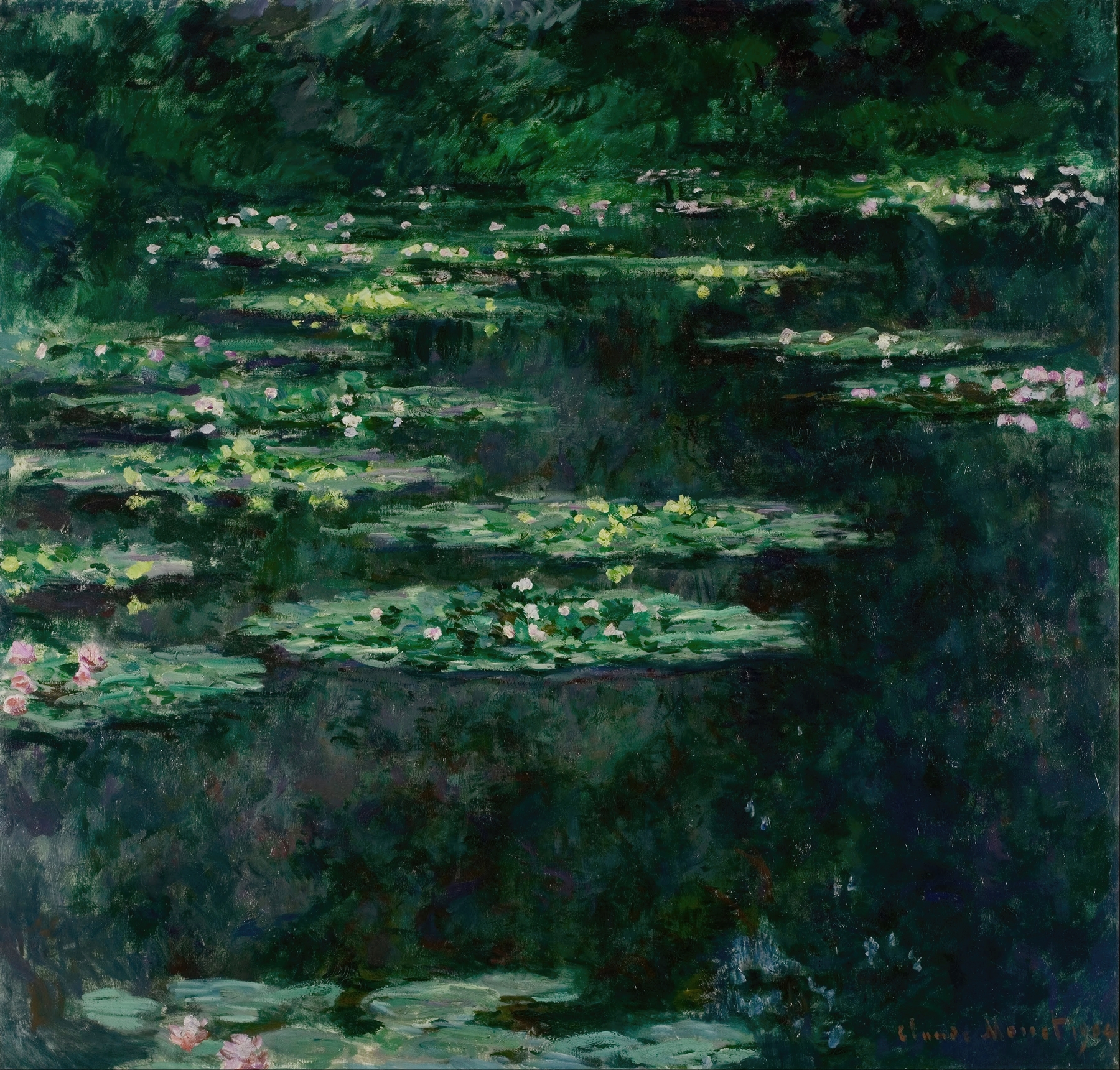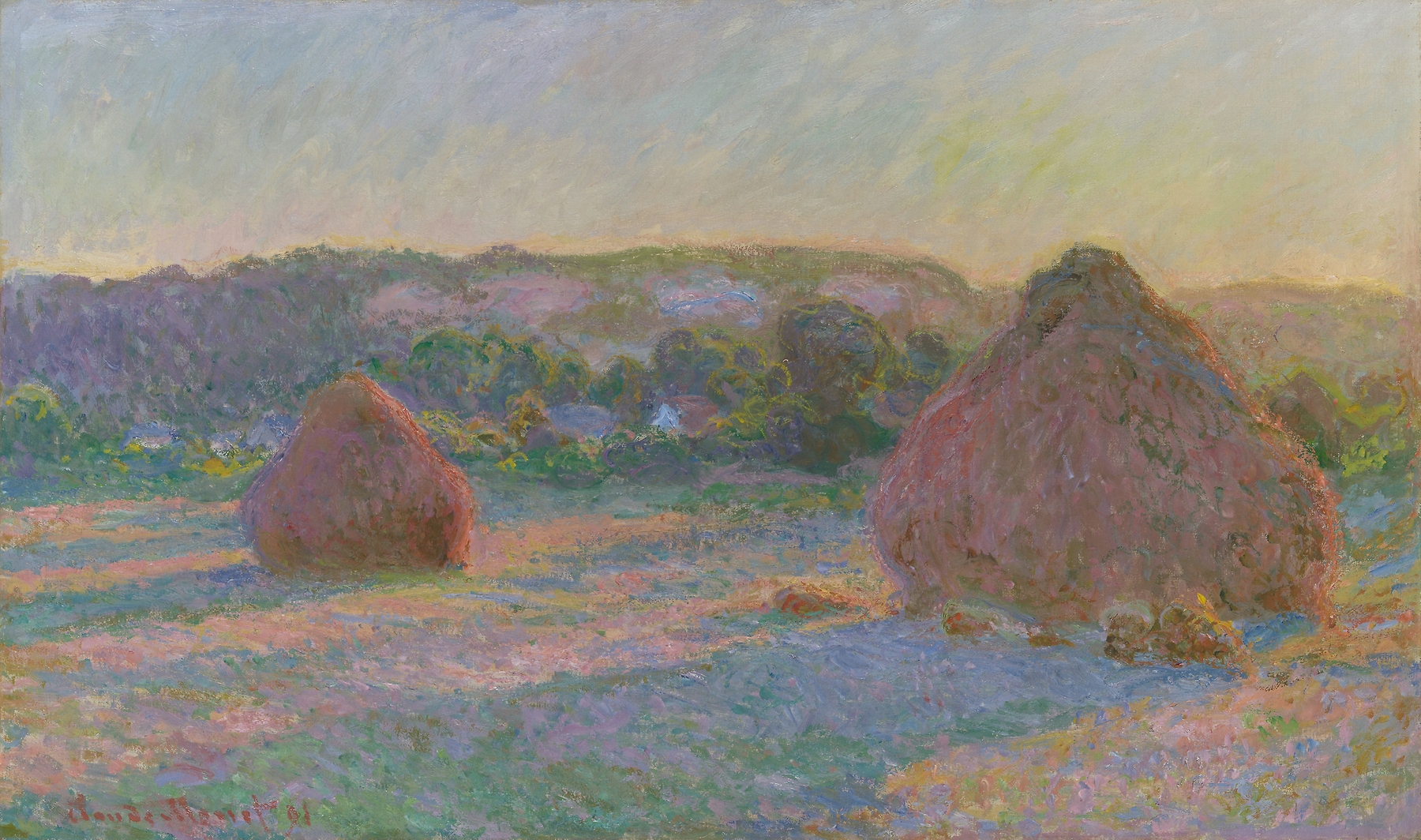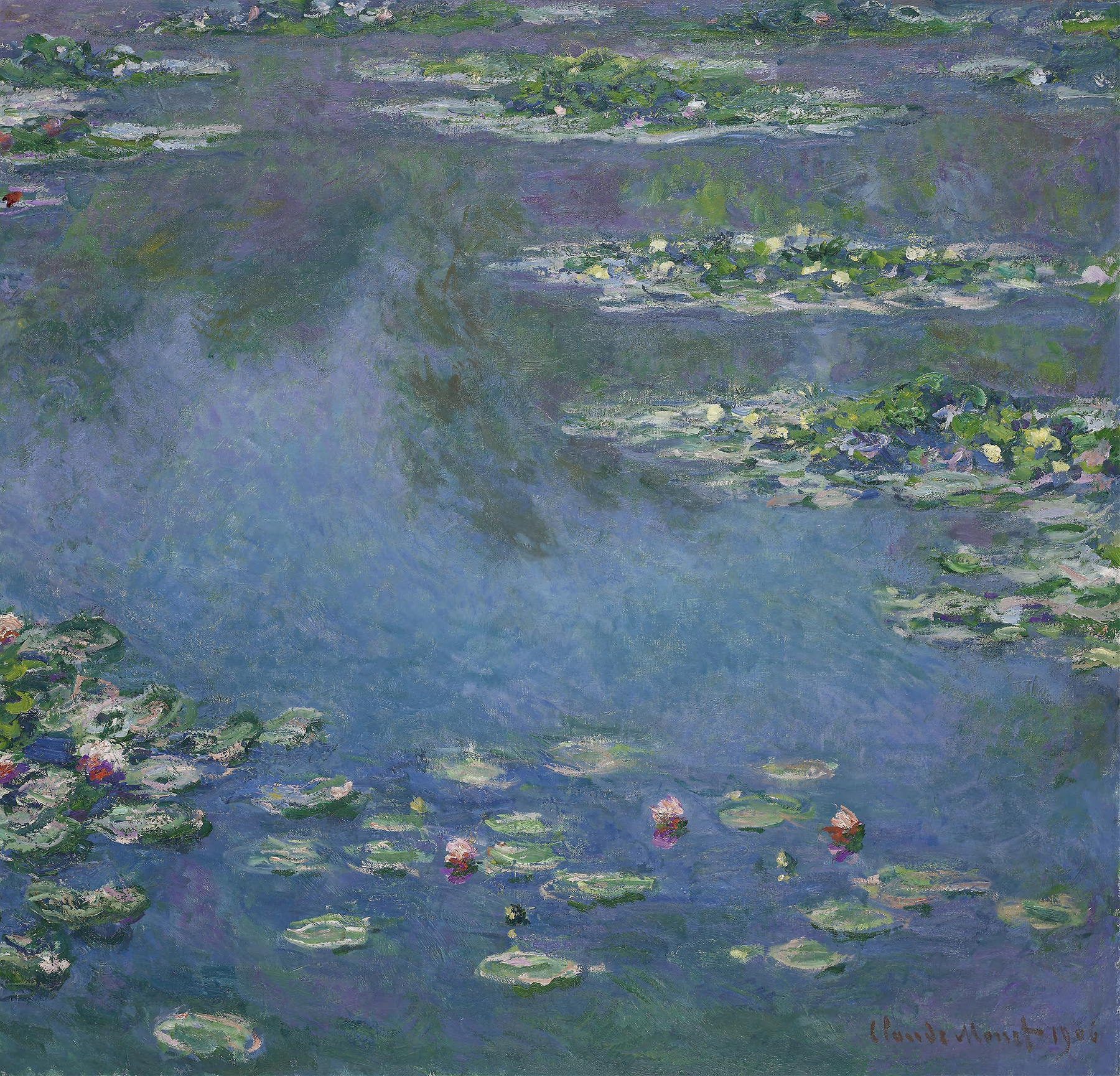
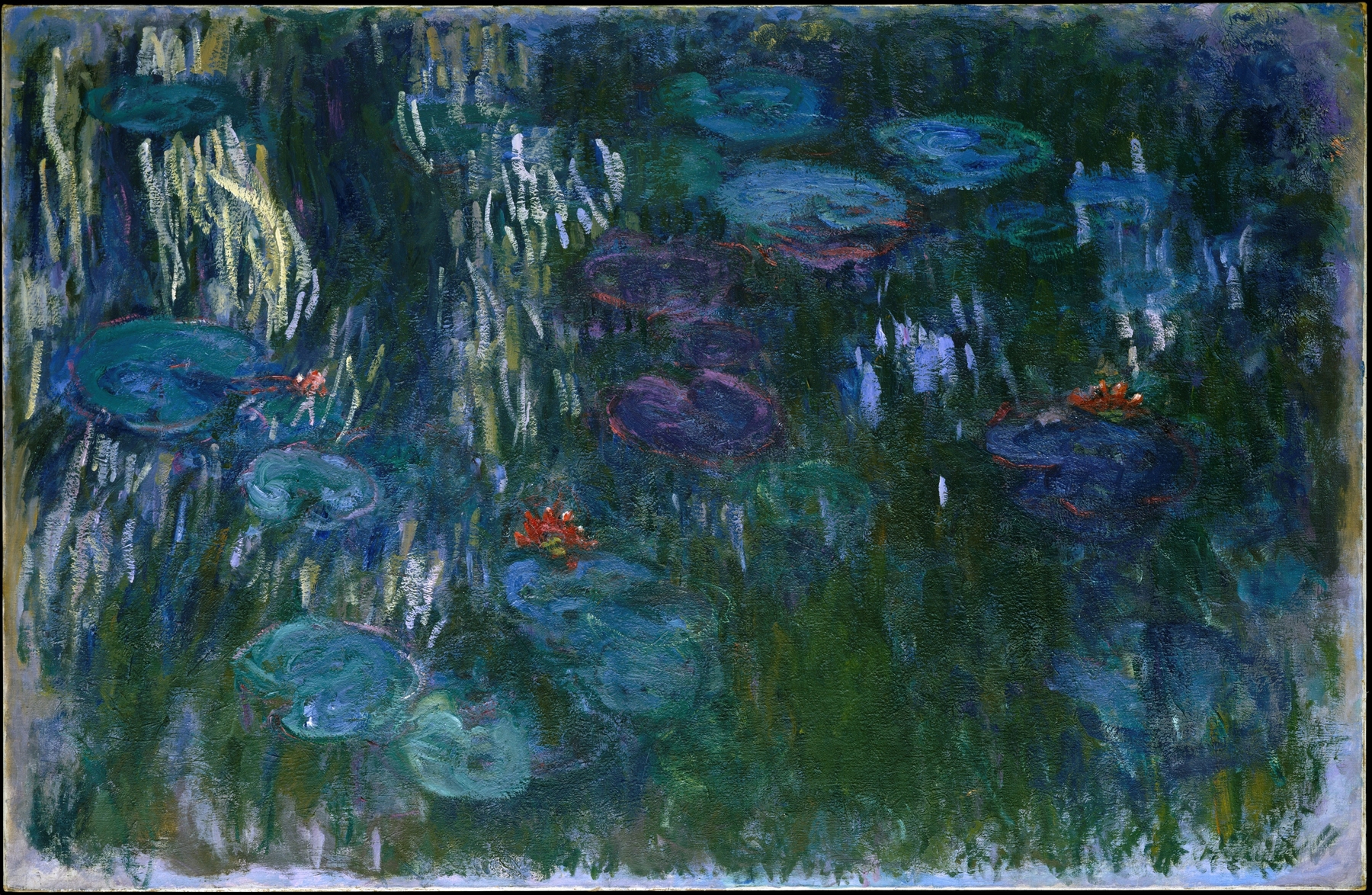
Can beauty exist without sorrow? The serene expanse of shimmering water, cloaked in delicate layers of vibrant color, suggests a deeper destiny that transcends mere aesthetics. Look to the canvas where gentle strokes of blue and green swirl harmoniously. Notice how the light dances atop the water's surface, casting reflections that seem to flicker and breathe. The soft pinks and whites of the lilies emerge like whispers against the fluid backdrop, inviting the viewer into a moment suspended in time. Monet’s unique technique creates a sense of movement, as if the scene itself is alive, flowing with the rhythm of nature. Yet, beneath this tranquil surface lies an emotional tension. The vibrant blossoms float effortlessly, yet they are tethered to the water, hinting at a complex relationship between beauty and the ephemeral nature of existence. The interplay of light and shadow evokes a feeling of transience, a reminder that even the most exquisite moments are fleeting. This duality reflects a broader meditation on life, as if Monet captures the bittersweet truths of our own journeys amid the ephemeral. In 1906, Monet worked on this series from his garden in Giverny, a period marked by his struggle with cataracts that altered his perception of color. This work emerged during a time when the art world was evolving rapidly, as Impressionism had paved the way for new movements that challenged traditional forms. The artist’s exploration of light and form during this era not only solidified his legacy but also revealed his inner contemplations on beauty, transience, and the inevitable flow of time.