Christ at Emmaus: the smaller plate — History & Analysis
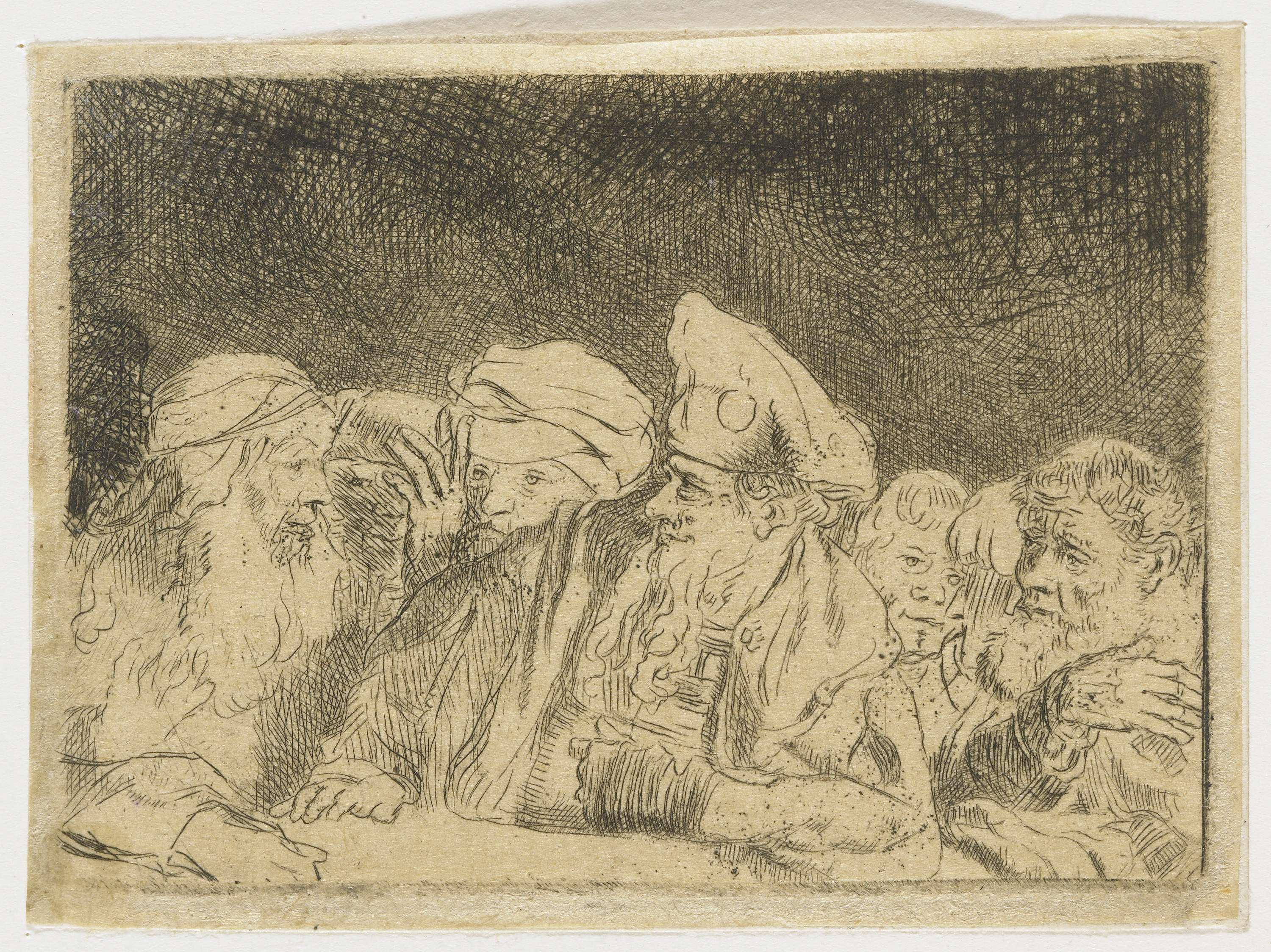
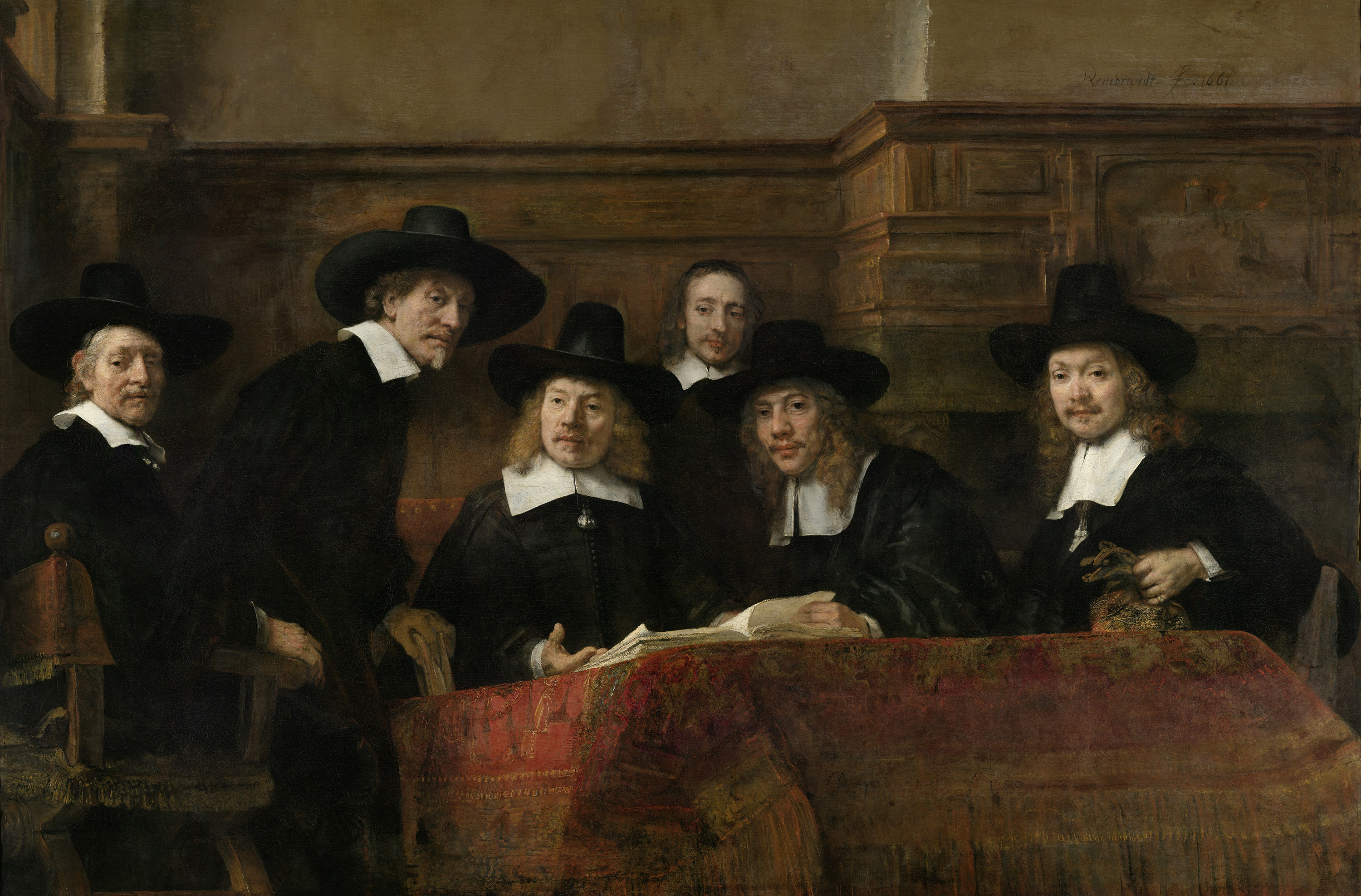
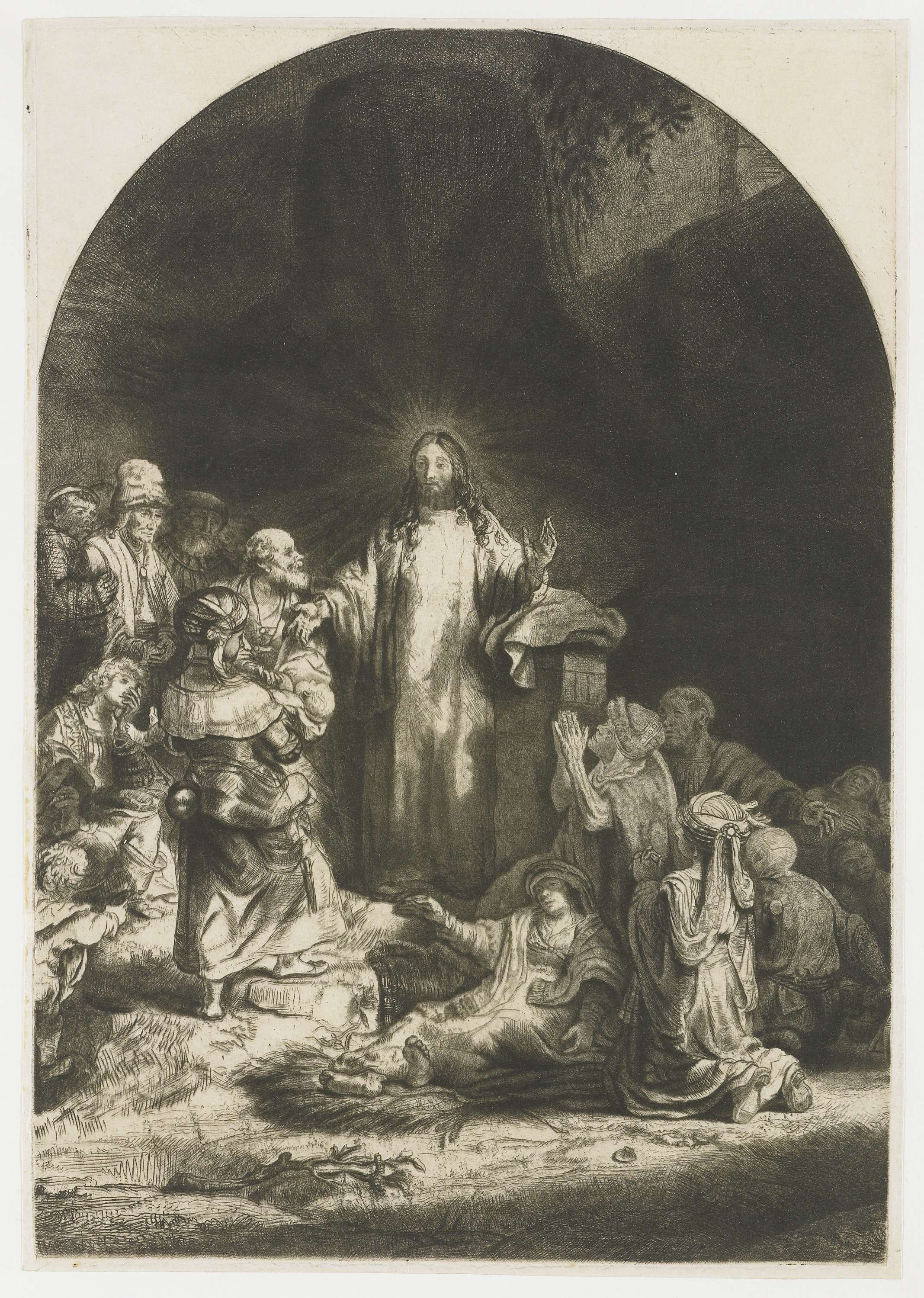
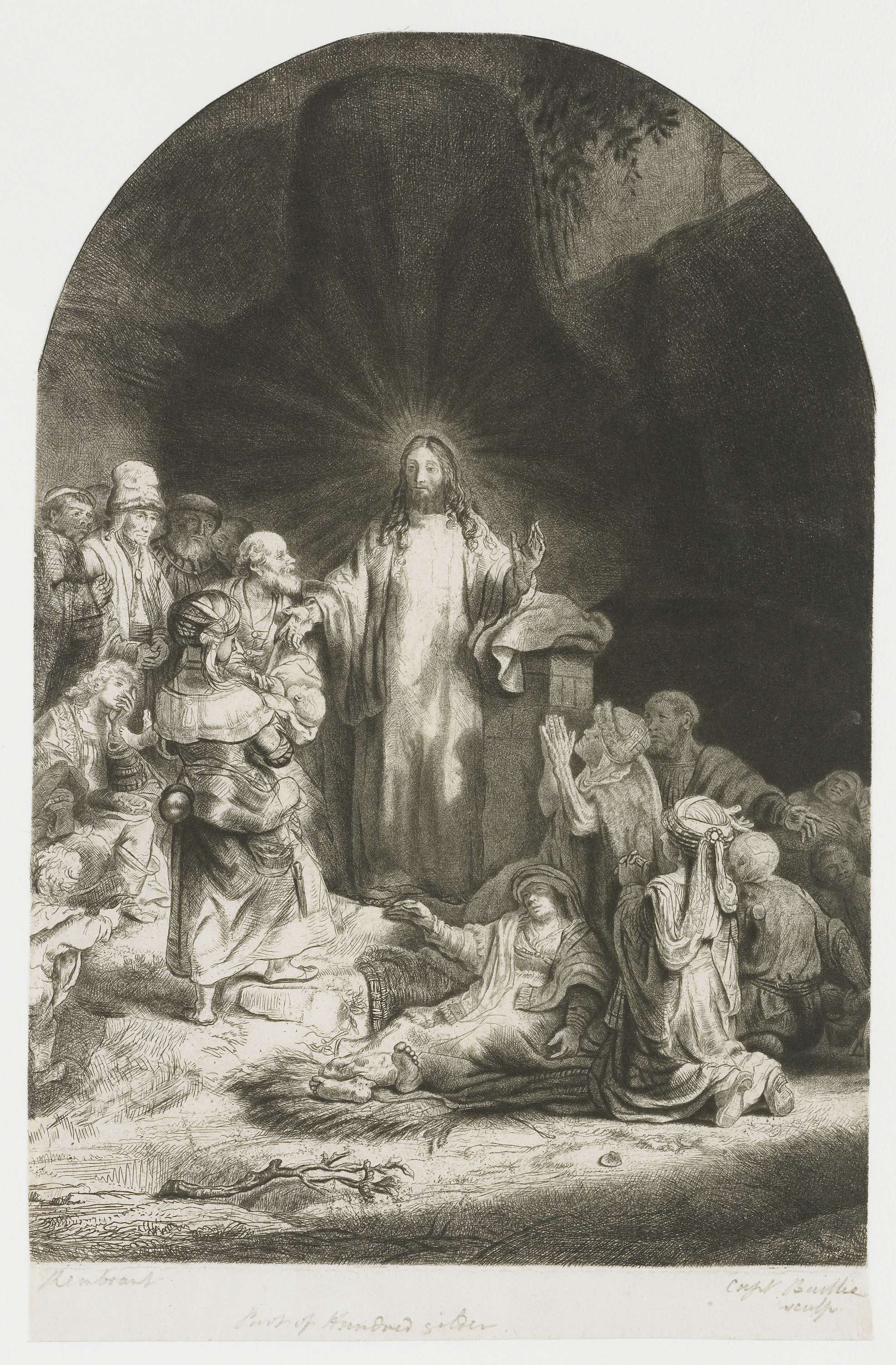
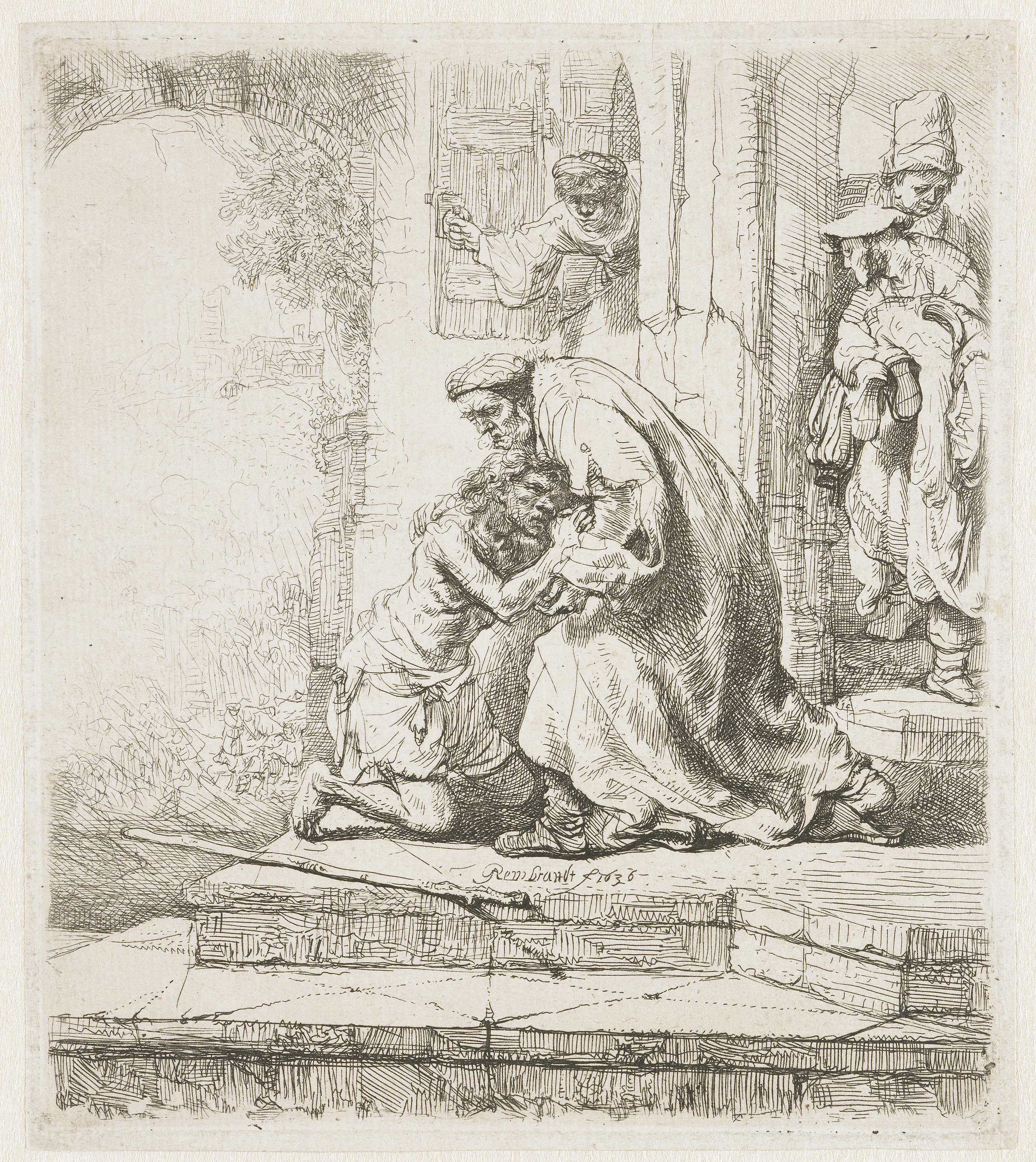
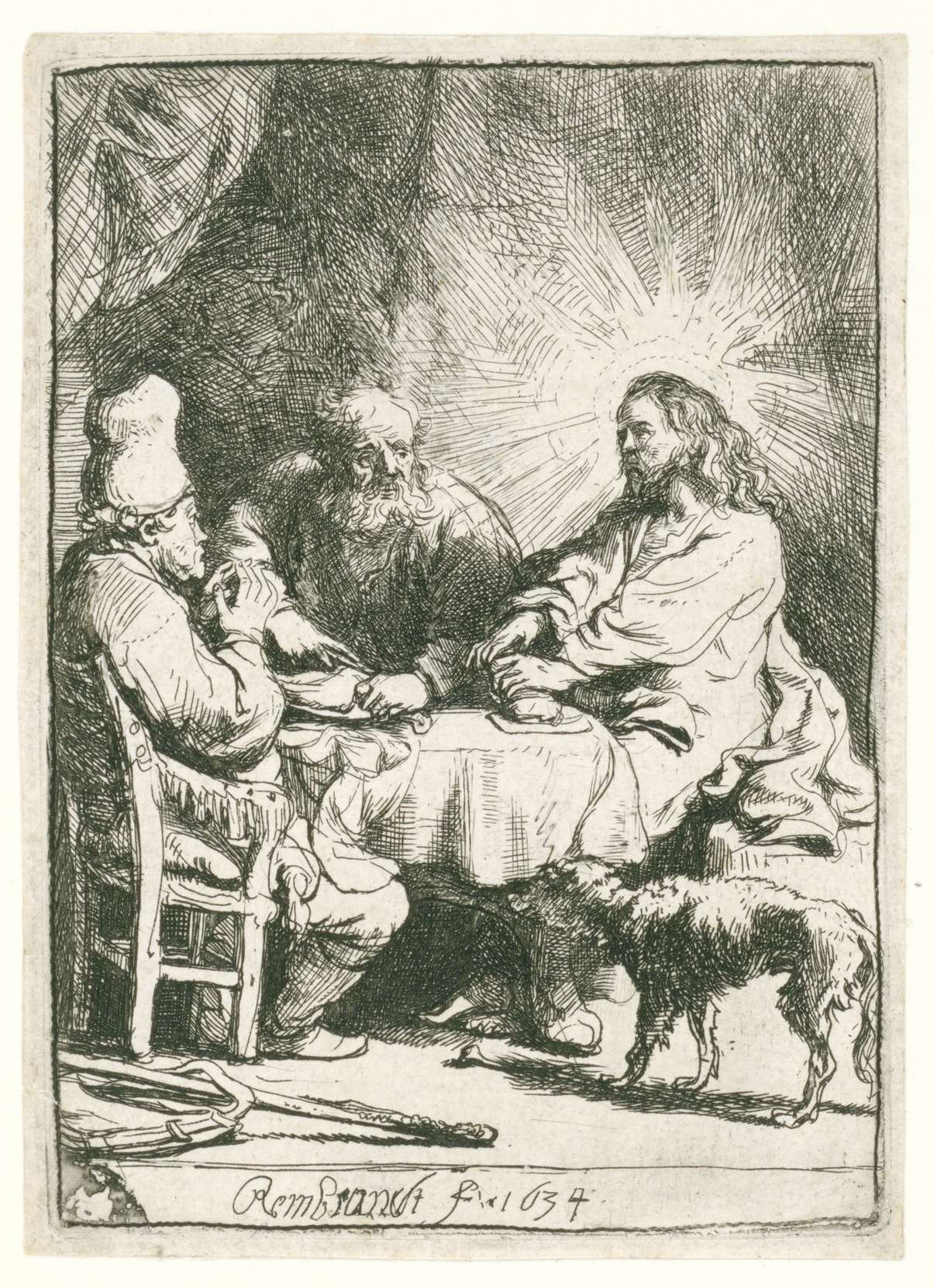
Could beauty survive in a century of chaos? In Christ at Emmaus: the smaller plate, the question hangs palpably, as light dances upon figures caught in a moment of epiphany and revelation, framed by the tumult of the world beyond. Focus first on the radiant face of Christ, poised at the table’s edge. His features are illuminated, drawing the eye like a beacon amidst the shadowy depths surrounding him. The rich, dark palette contrasts the warm, golden hues that envelop the central figure, enhancing the sacred aura of the moment.
Look closely at the gestures—one disciple leans forward in astonishment while the other raises a hand, caught between disbelief and recognition. The interplay of light and shadow intensifies the drama, encapsulating an emotional collision of joy and revelation. The painting captures more than a single moment; it alludes to deeper themes of faith and doubt. The contrasting expressions of the disciples reflect the tension between chaos and clarity, embodying the conflict of belief faced in turbulent times. The subtle details, such as the bread and wine on the table, evoke the larger narrative of communion and sacrifice, intertwining the everyday with the divine.
This duality serves as a poignant reminder that amidst chaos, moments of beauty and understanding can emerge. In 1634, Rembrandt, then a young artist in his prime, created this work in Amsterdam during a period of personal and artistic upheaval. The Dutch Golden Age was characterized by a flourishing of art amidst political and social unrest. As artists grappled with their roles in society, Rembrandt’s exploration of biblical themes reflected a desire to find meaning in the chaos surrounding him, ultimately seeking solace in the transcendent power of human connection and faith.