Christus is ziek en krijgt bezoek — History & Analysis
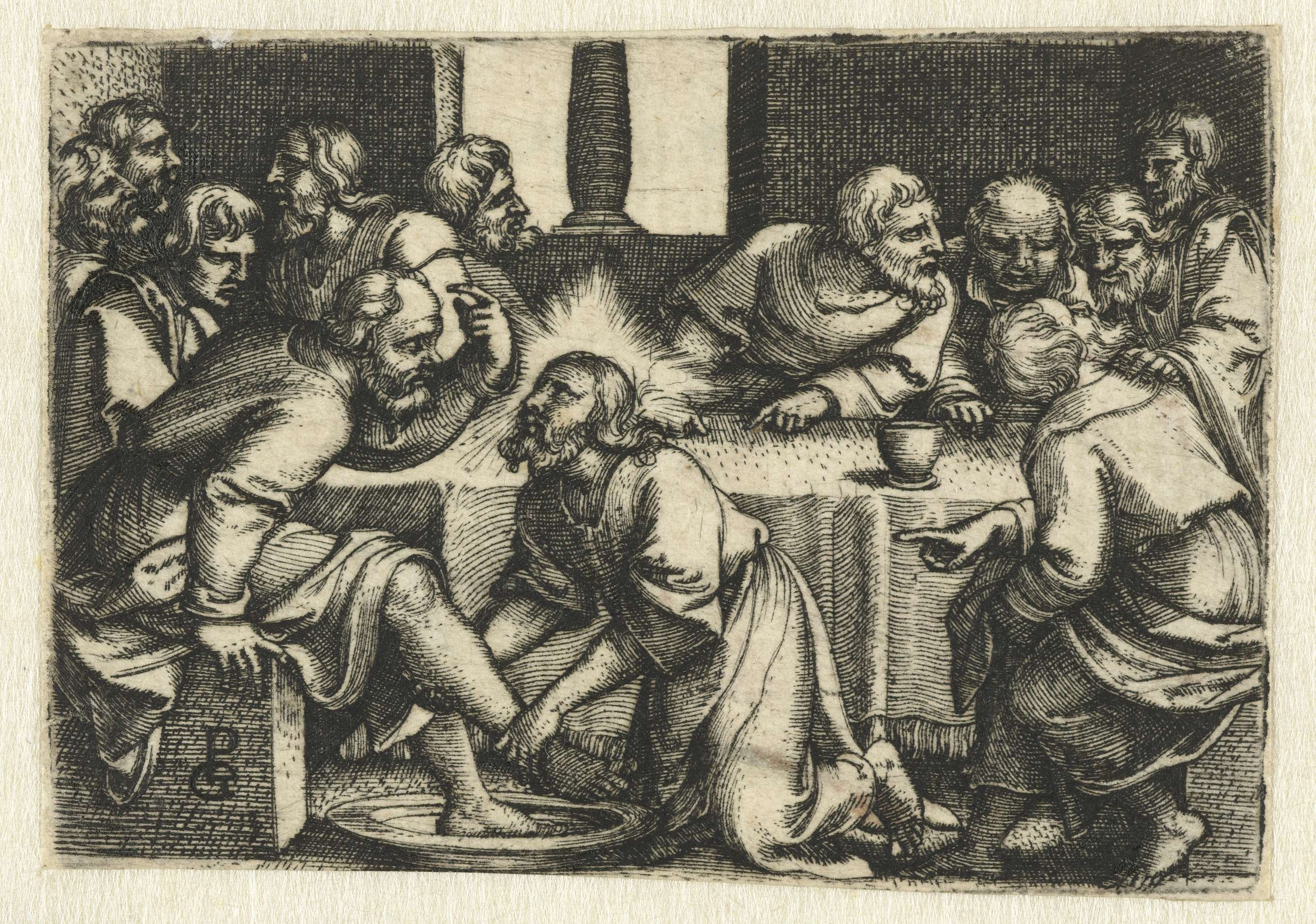
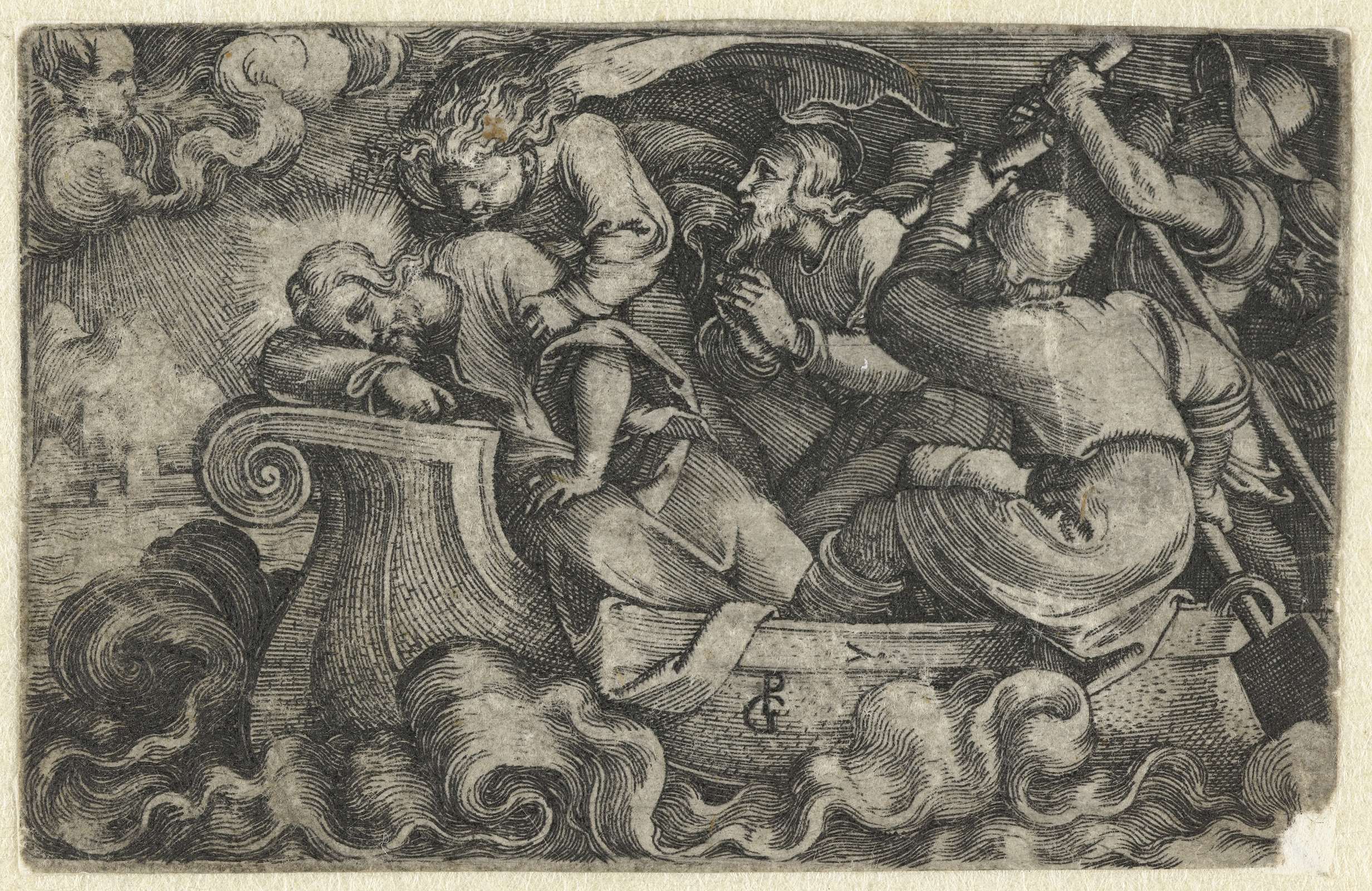
Could beauty survive in a century of chaos? In Christus is ziek en krijgt bezoek, the tension between fragility and faith unfolds softly but powerfully, inviting contemplation of the human experience amid turmoil. Look to the center of the composition, where a frail Christ reclines, his pale figure bathed in ethereal light that seems almost divine. Notice how the deep, somber colors of the surrounding figures contrast starkly with the luminescence of His presence, drawing your eyes immediately to His serene expression.
The delicate brushwork captures not only physical illness but a profound sense of grace, as visitors lean in, their postures hinting at both concern and reverence. Beneath the surface, this work resonates with deeper meanings of vulnerability and connection. The figures gathered around Christ represent the weight of sorrow, yet they also embody the strength of communal faith — their robes in muted tones echo the gravity of the moment. The interplay of light and shadow not only highlights the central figure but also symbolizes hope breaking through despair, creating a poignant dialogue between suffering and solace.
Georg Pencz painted this piece in 1534, during a time marked by religious strife and societal upheaval in Europe. The Reformation was reshaping the spiritual landscape, and as an artist rooted in the Northern Renaissance, Pencz’s work sought to capture the intimate and human aspects of divine subjects. In a period where traditional values were questioned, this painting reflects a yearning for faith and community amidst uncertainty.