Church of the Holy Apostles, New York City — History & Analysis
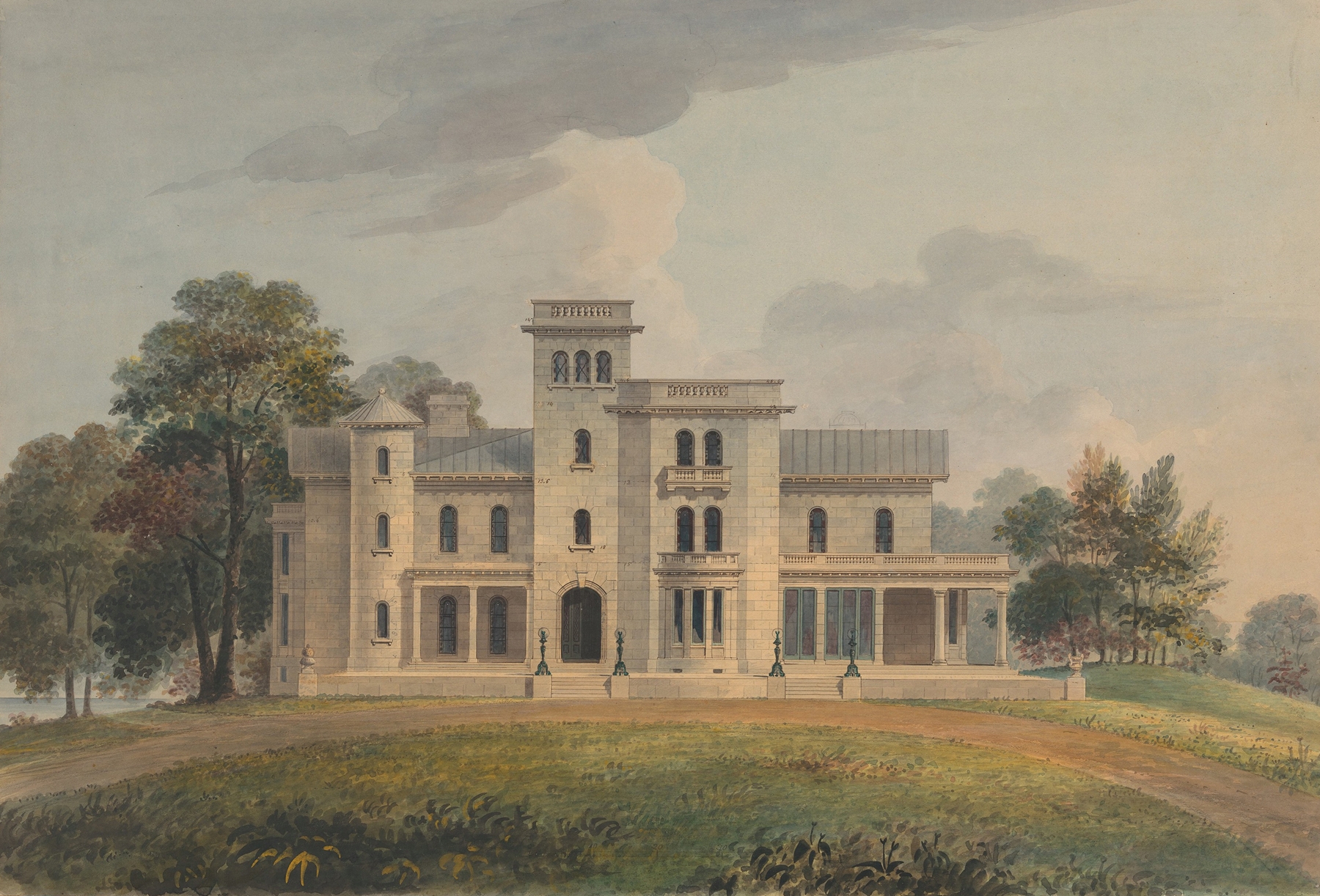
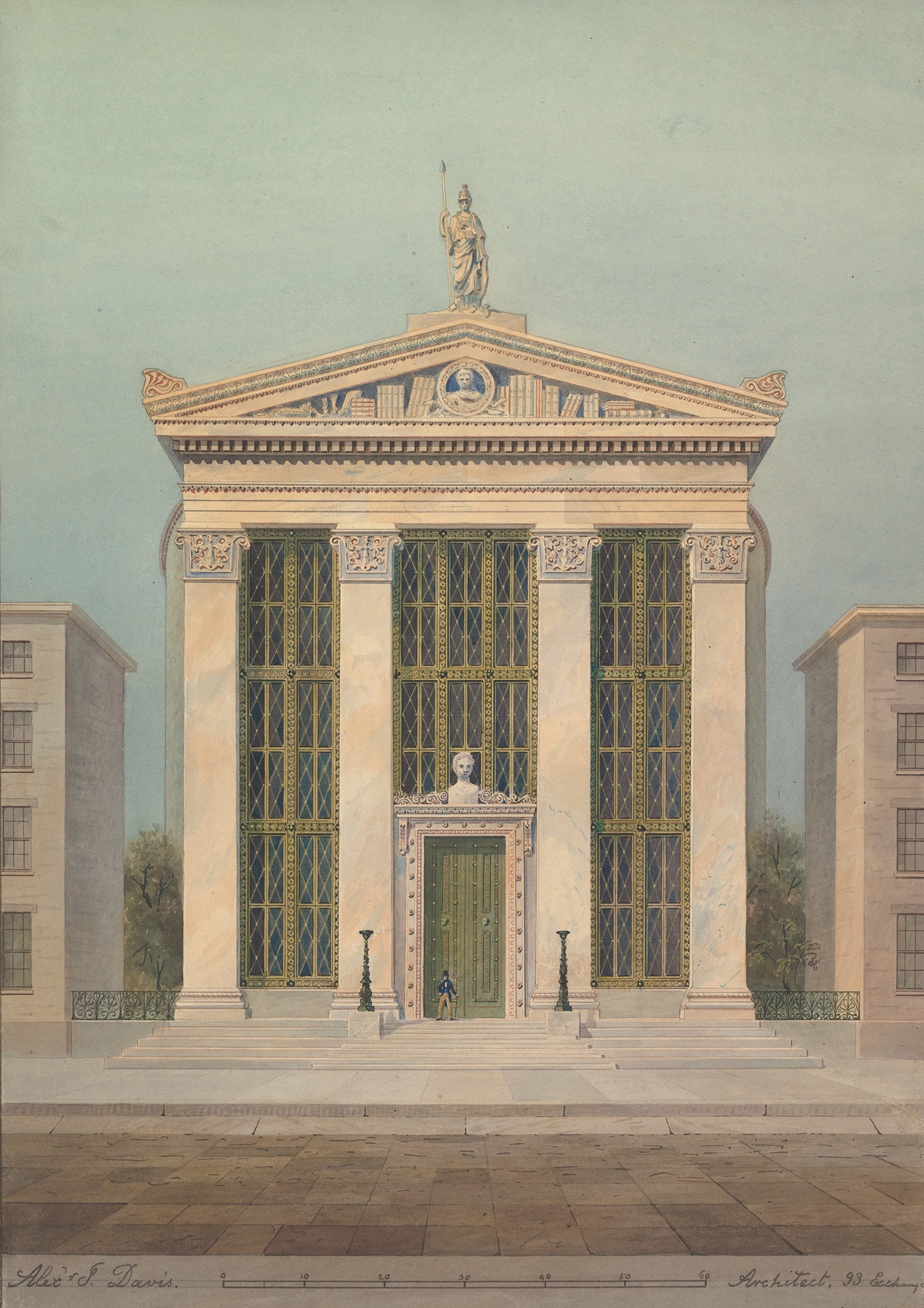
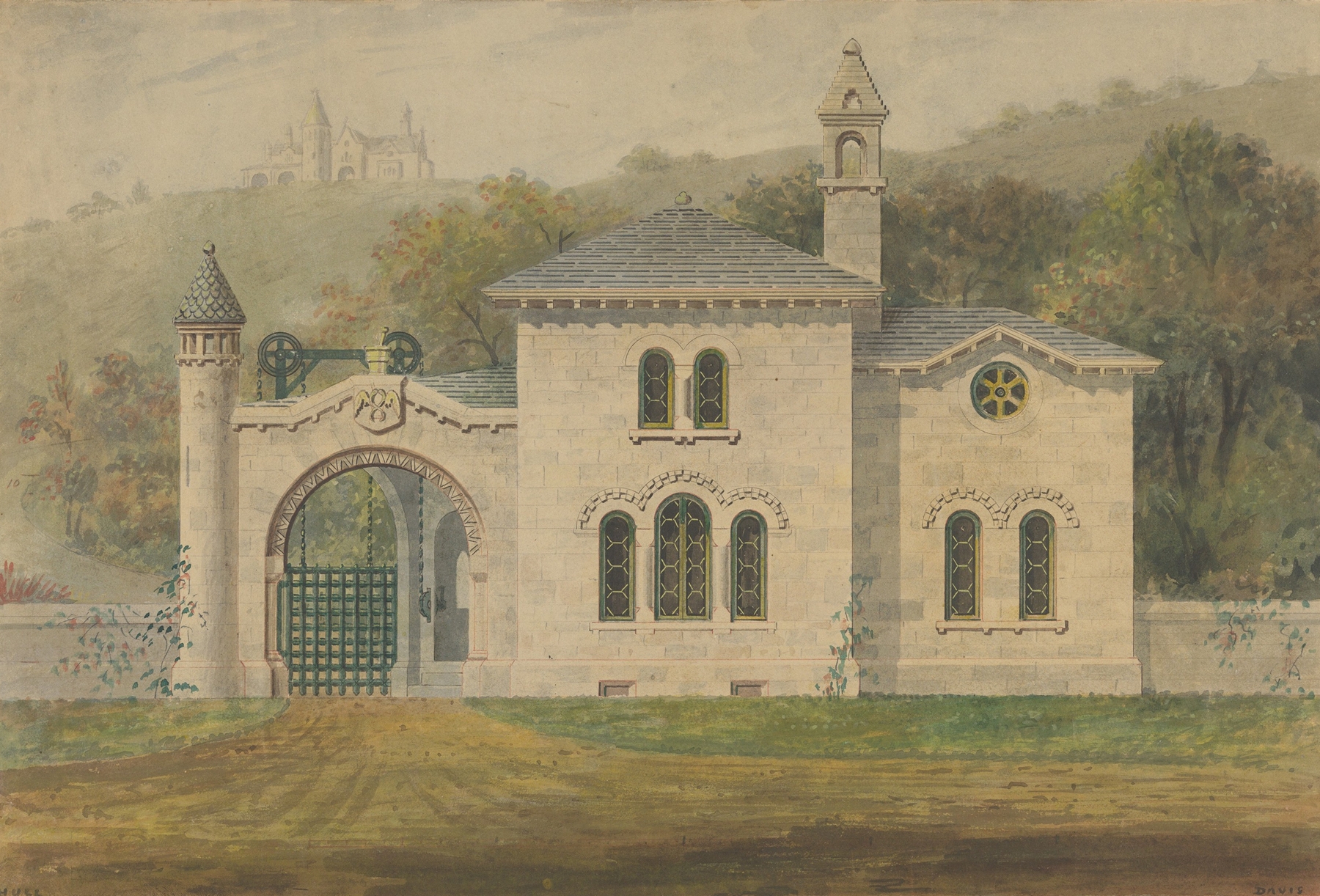
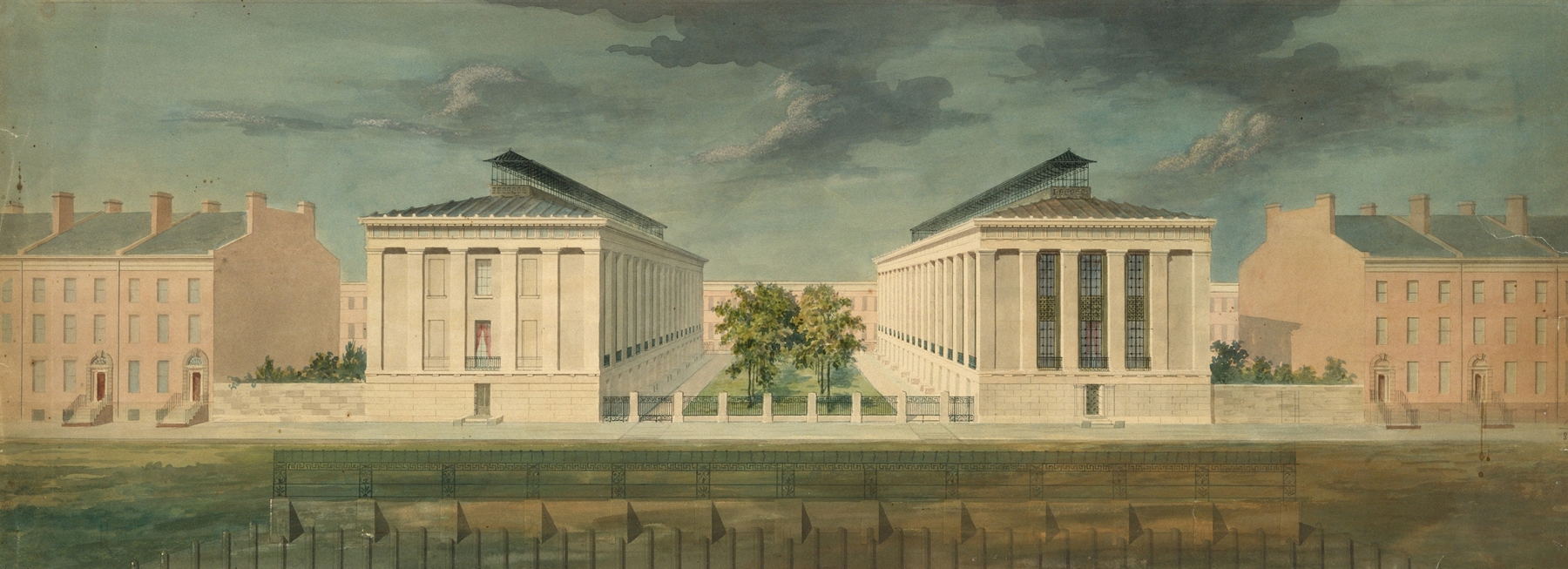
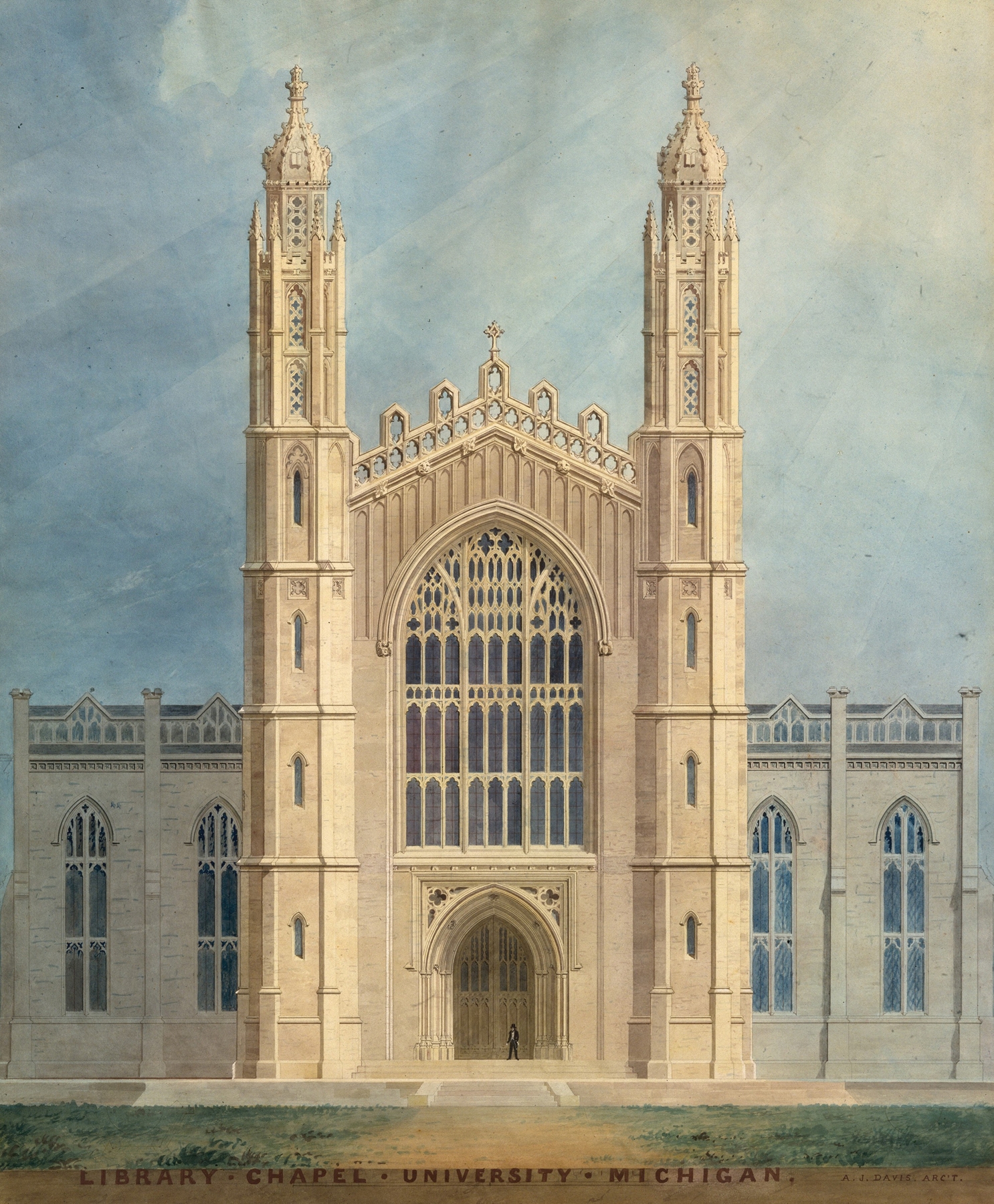
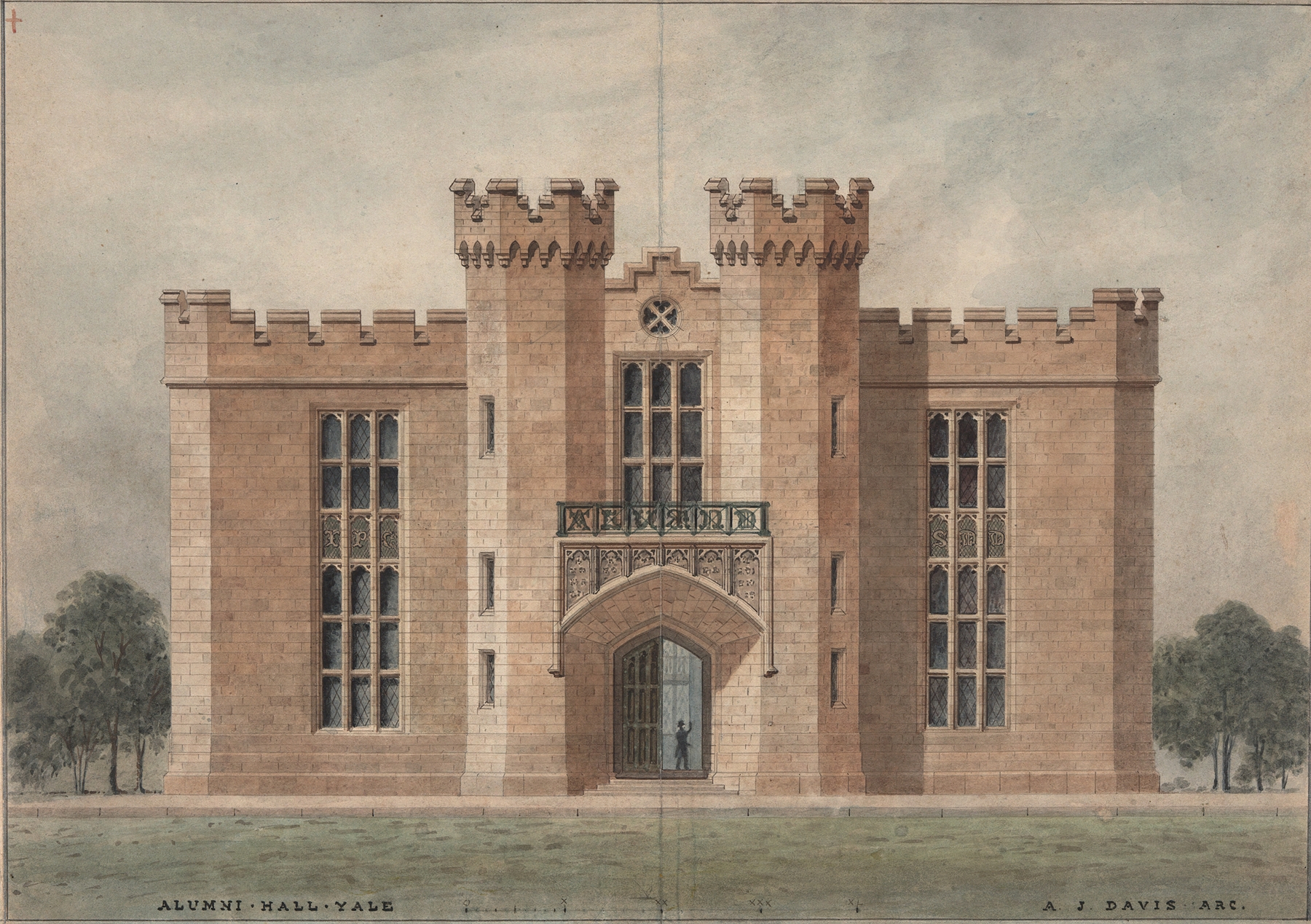
Did the painter know this moment would outlive them? In the heart of a bustling city, a quiet revolution in architectural form was unfolding, one that would ripple through time and shape the sacred space of the urban landscape. Look closely at the delicate interplay of light and shadow on the stone facade, where intricate carvings dance across the surface. Focus on the way the warm hues of the sun bathe the structure in a golden embrace, inviting the viewer to appreciate both the grandeur and the intimacy of this place.
The soaring columns and arched windows beckon, inviting contemplation while hinting at a connection between the divine and the ever-evolving city life surrounding it. Beneath its surface beauty lies a profound dialogue between tradition and modernity. The fusion of Gothic elements with innovative design reflects not only aesthetic choices but also a deeper yearning for spiritual renewal amidst the industrial revolution. The meticulous detailing of nature motifs suggests a longing for the past, while the imposing structure stands as a testament to progress, underscoring the tension between history and the challenges of contemporary existence.
In 1845, Alexander Jackson Davis was immersed in the world of American architecture, where the Gothic Revival was taking root. Living in New York City, he was influenced by the rapid urbanization around him, as well as the flourishing of architectural innovation. This piece marks a pivotal moment in his career, showcasing his ability to blend old world charm with new world aspirations, a theme that resonated strongly with the society yearning for meaning amid an ever-changing landscape.