Grace Hill for Edwin C. Litchfield, Brooklyn, New York (front elevation) — History & Analysis
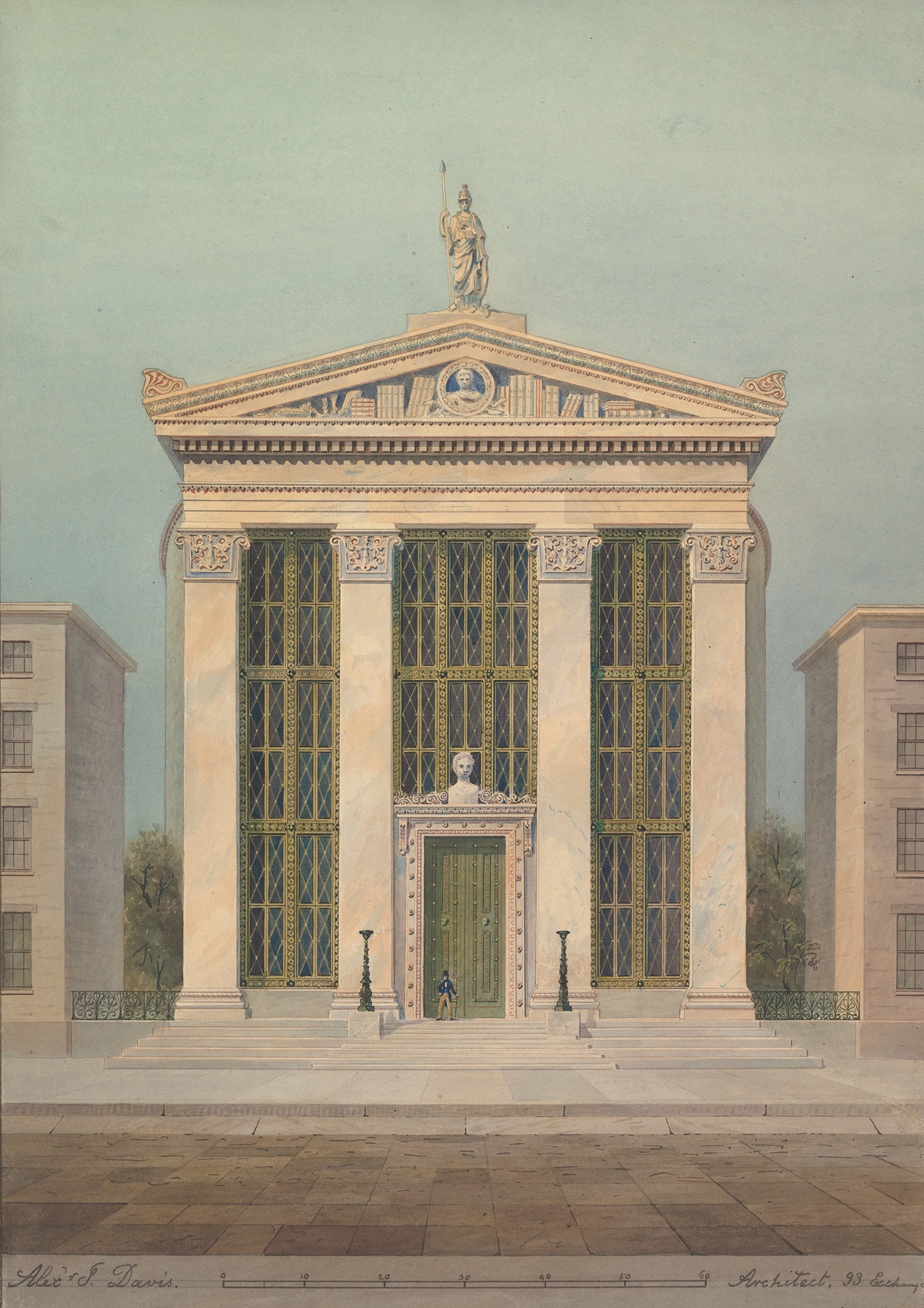
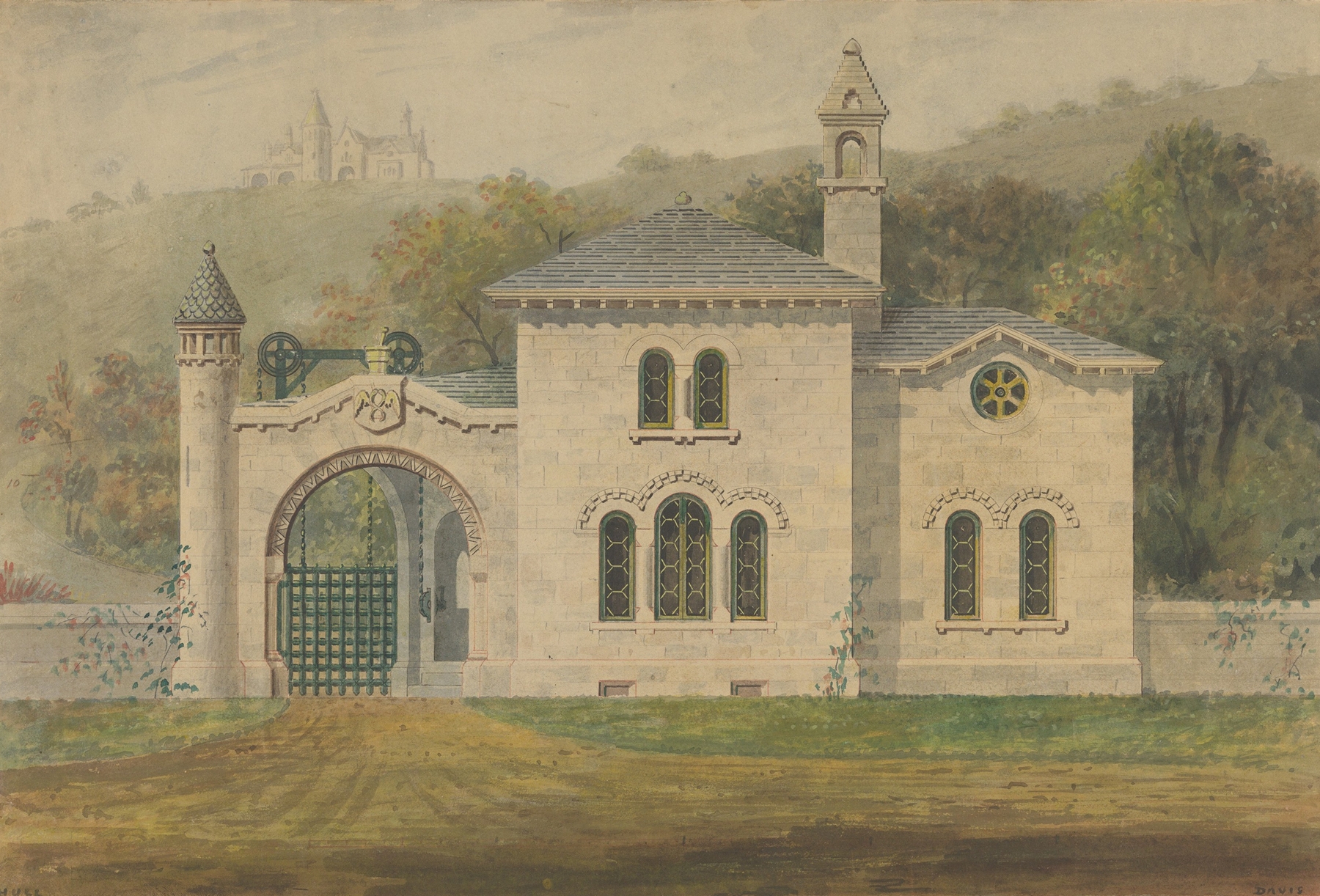
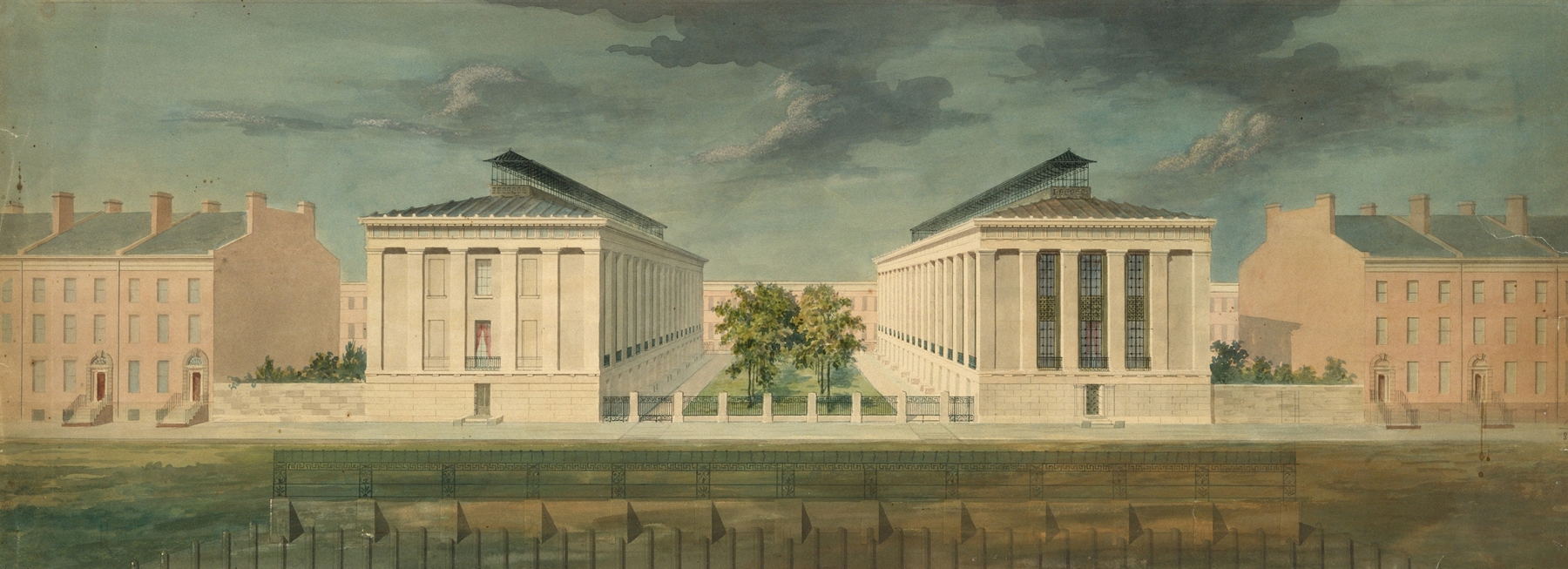
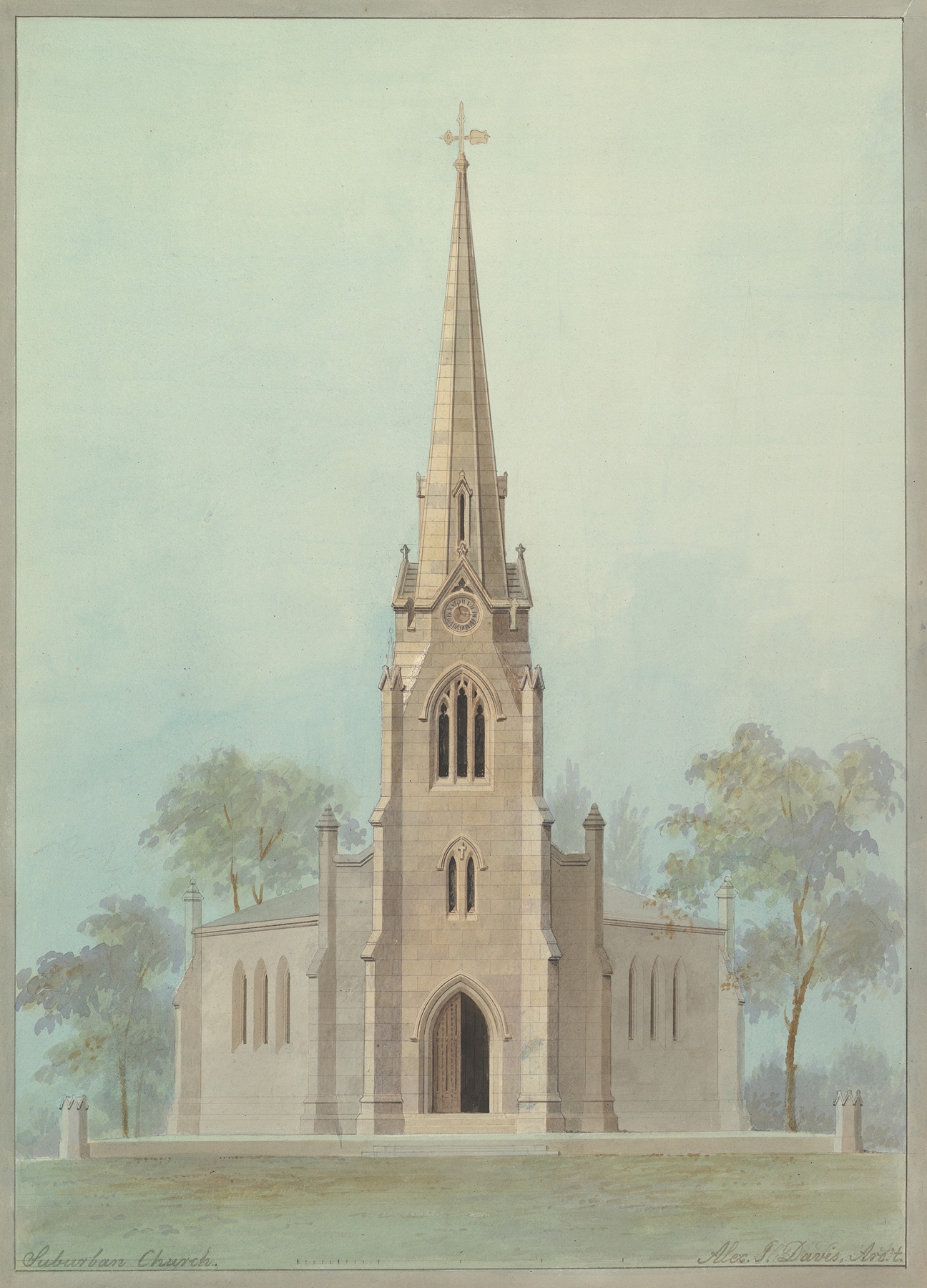
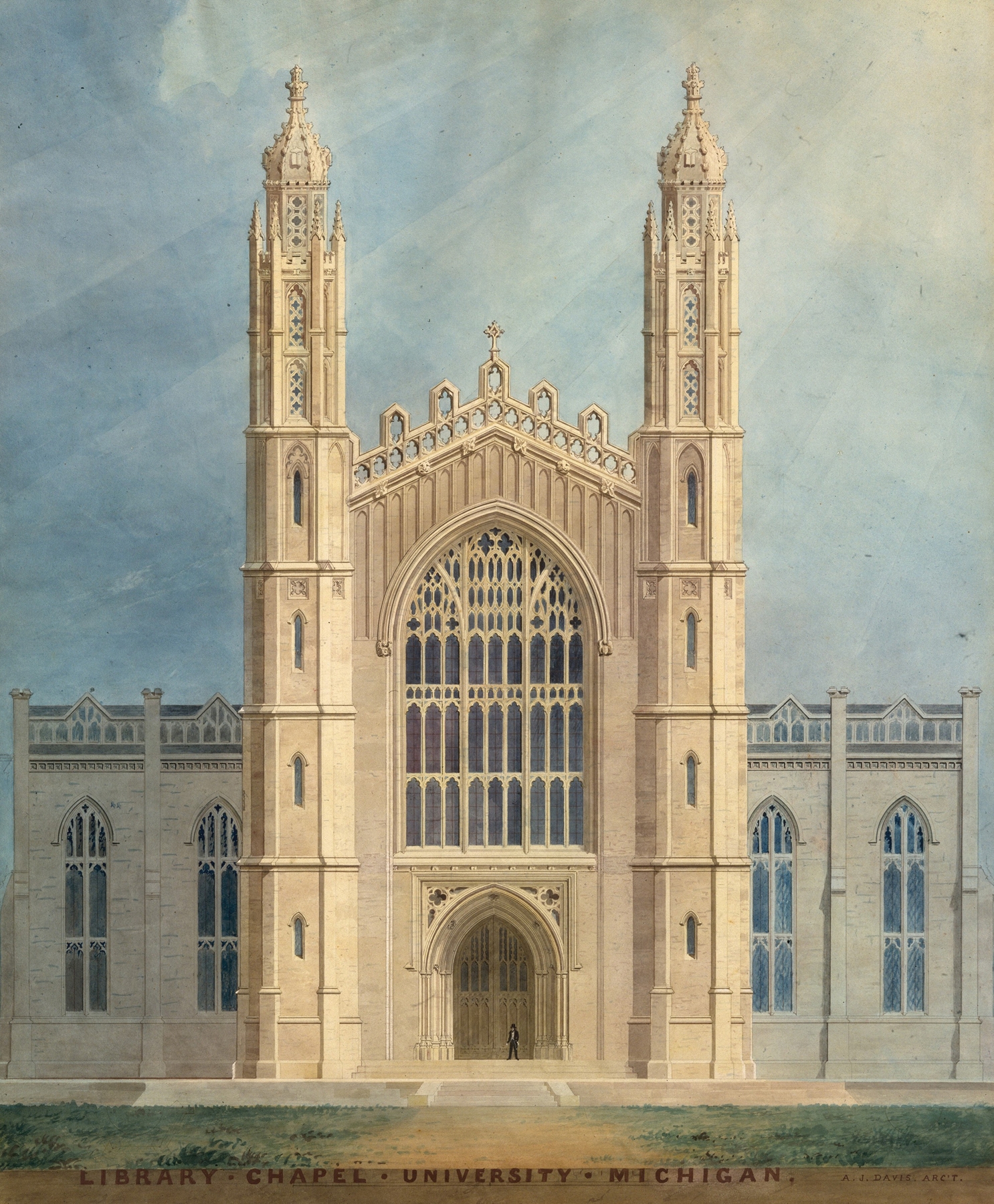
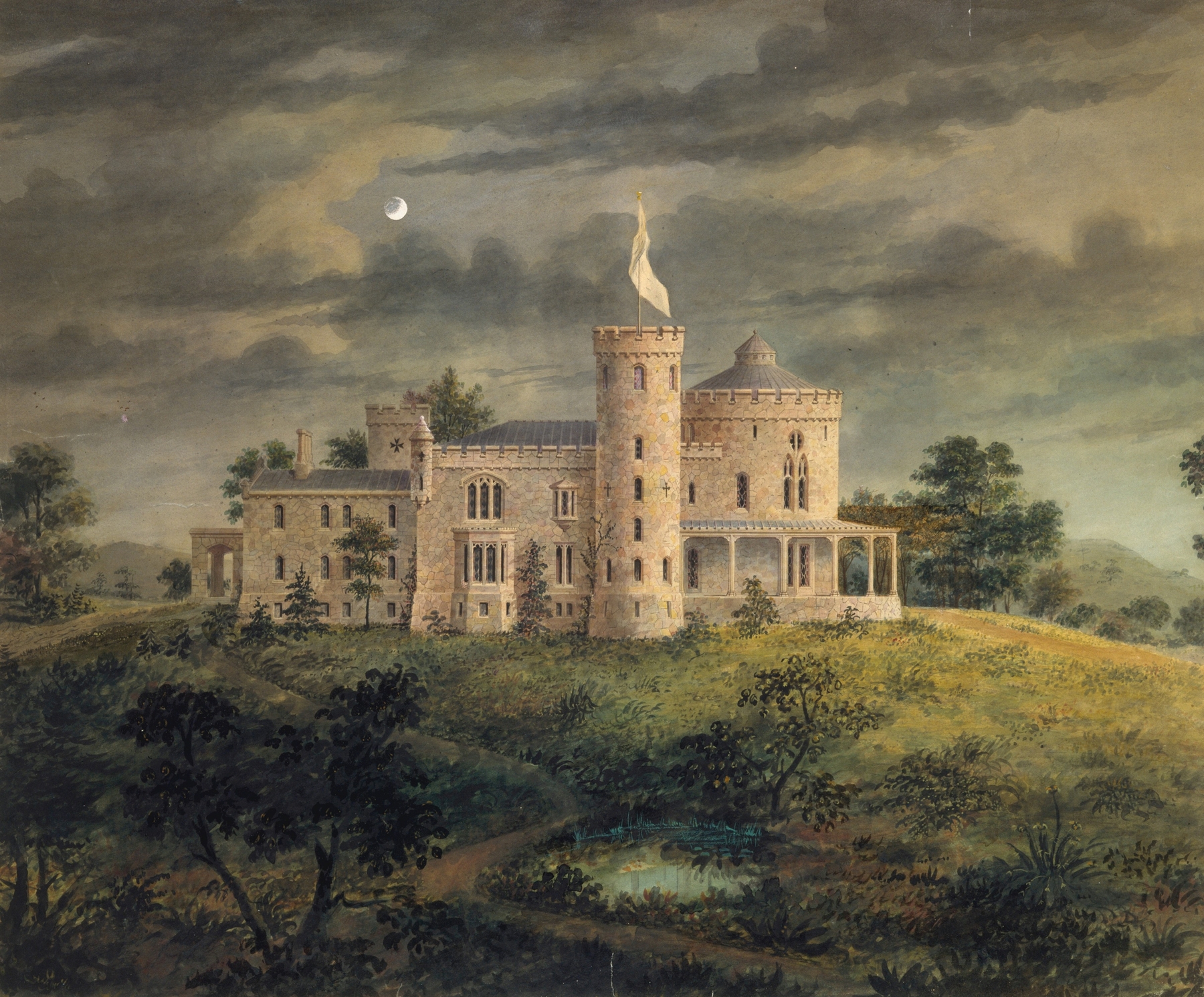
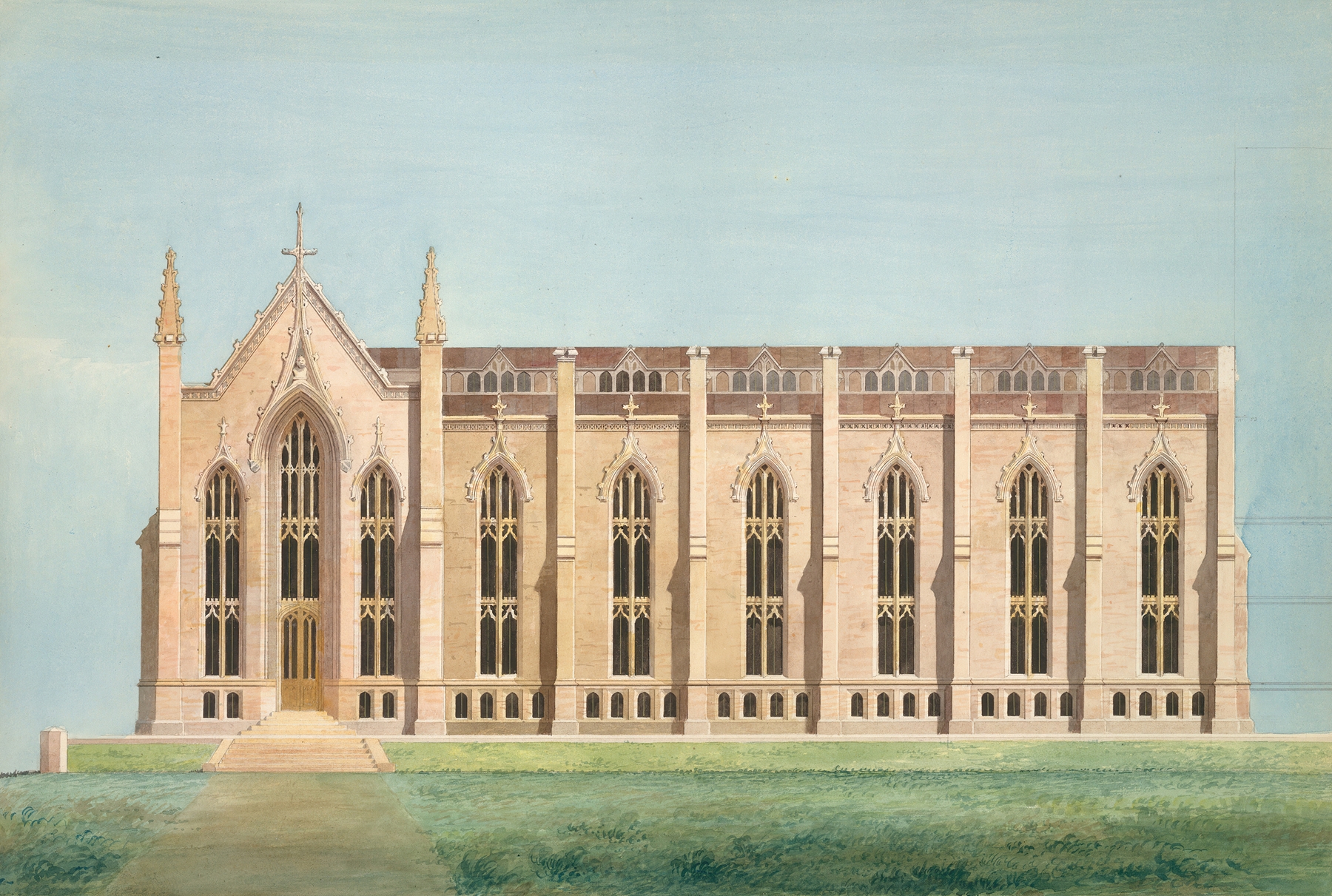
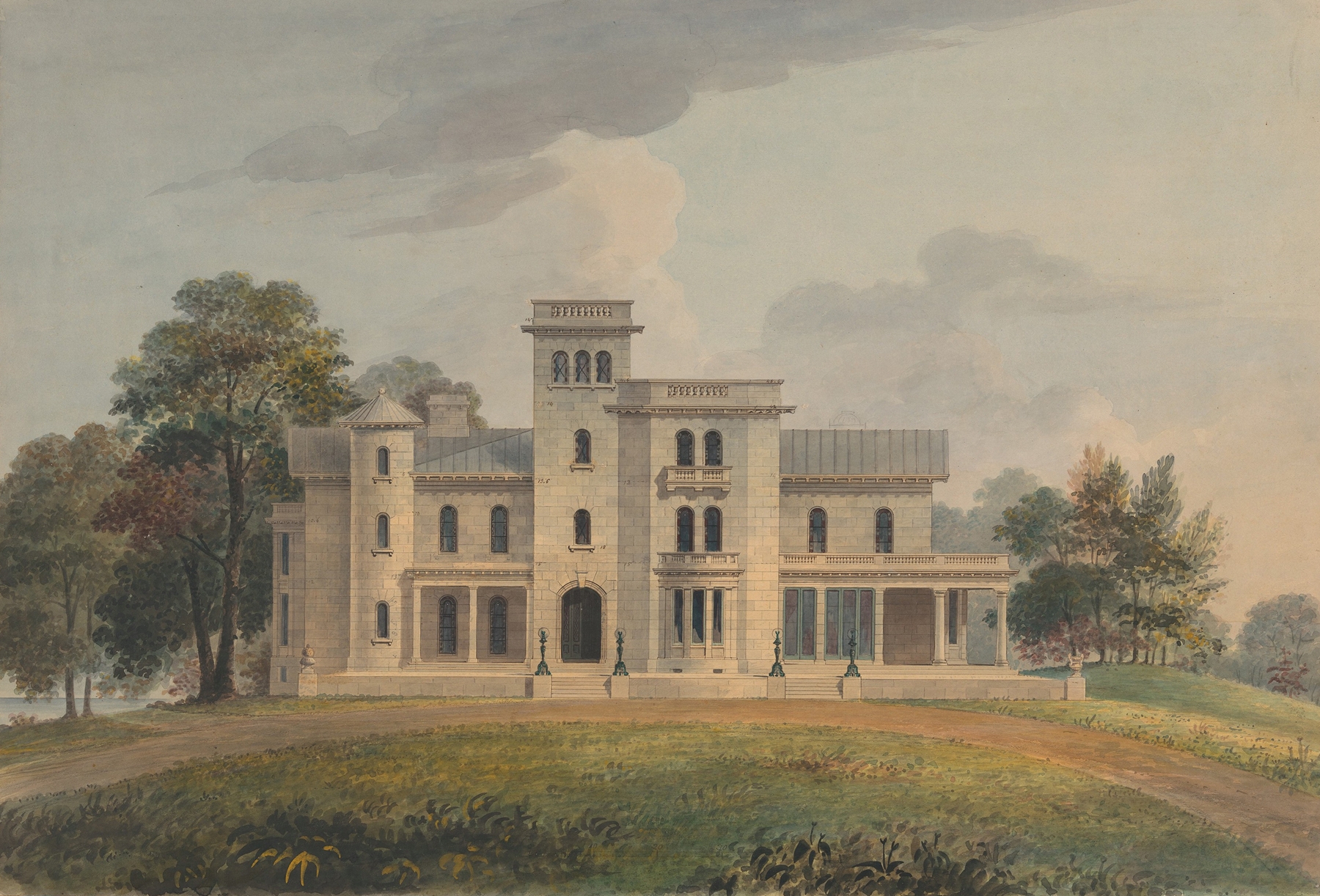
Who listens when art speaks of silence? In the architectural elegance of Grace Hill for Edwin C. Litchfield, chaos seems subdued, yet it hums beneath the surface, whispering of a world in transition. Look to the left of the composition, where the delicate symmetry of the front elevation draws the eye toward the poised columns and carefully adorned eaves. The interplay of light and shadow creates a rhythm, as soft hues of cream and sage intermingle with the deep browns of the wood.
The meticulous detailing invites the viewer to linger, revealing the craftsmanship that speaks of both grace and intention, a serene façade masking the growing tumult of urban life beyond its borders. Yet, this stillness is infused with deeper meanings. The flawless surfaces contrast sharply with the encroaching chaos of a rapidly industrializing Brooklyn, symbolizing the tension between the romantic ideal of nature and the unstoppable march of progress. Each ornate detail holds the weight of its era, suggesting aspirations and the inevitable changes that threaten to invade this tranquil setting.
The overall tranquility belies an undercurrent of anxiety, a subtle warning of what is to come. In 1854, while crafting this piece, the artist was immersed in the shifting dynamics of American architecture, embracing a blend of Classical and Gothic styles. This period marked a significant moment in Davis's career, as he sought to shape the identity of urban America through design. In this moment, the world around him was evolving rapidly, mirroring the very silence that envelops the work, a silence pregnant with the promise—and peril—of the future.