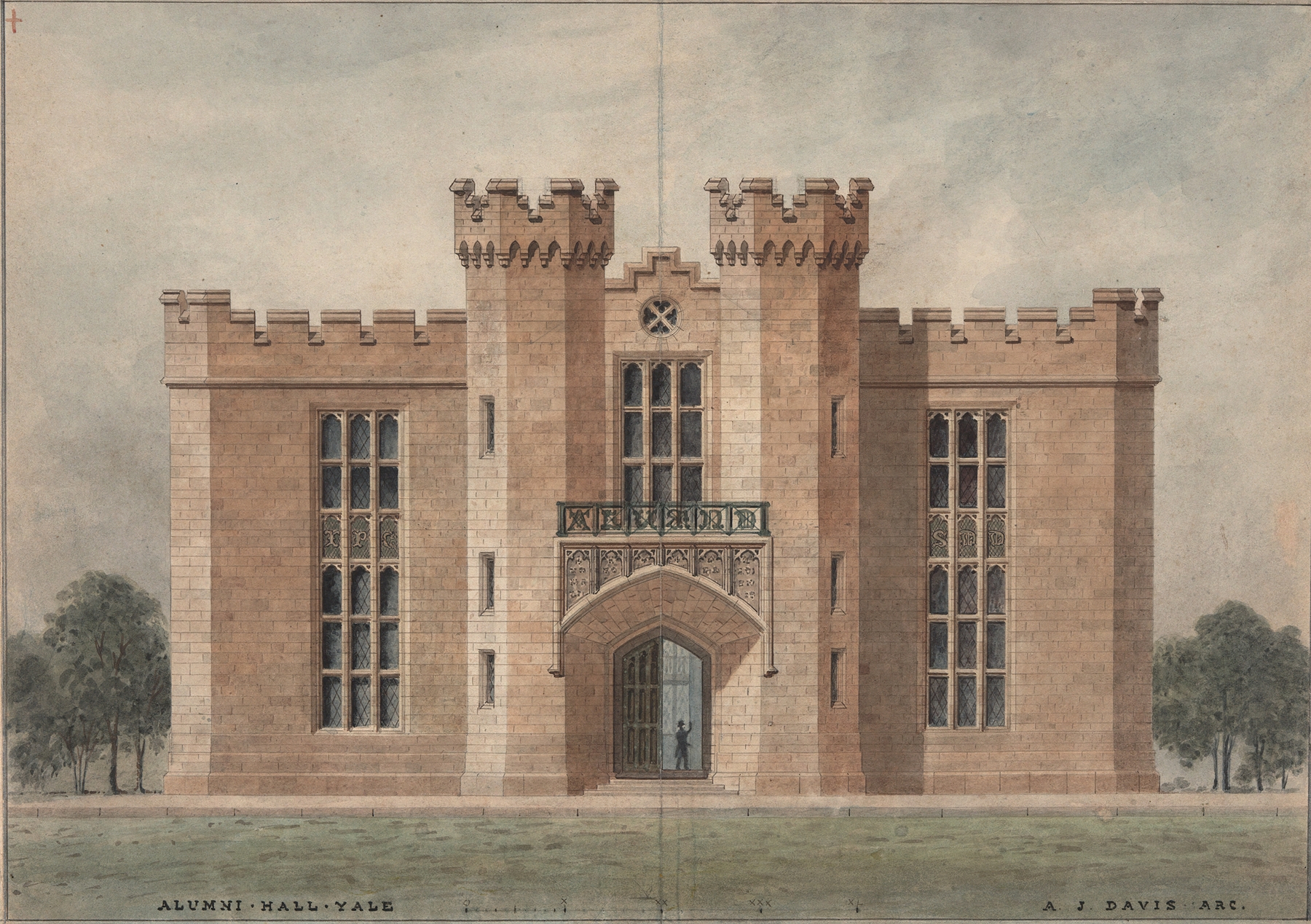
Library and Chapel, University of Michigan, Ann Arbor (front elevation) — History & Analysis
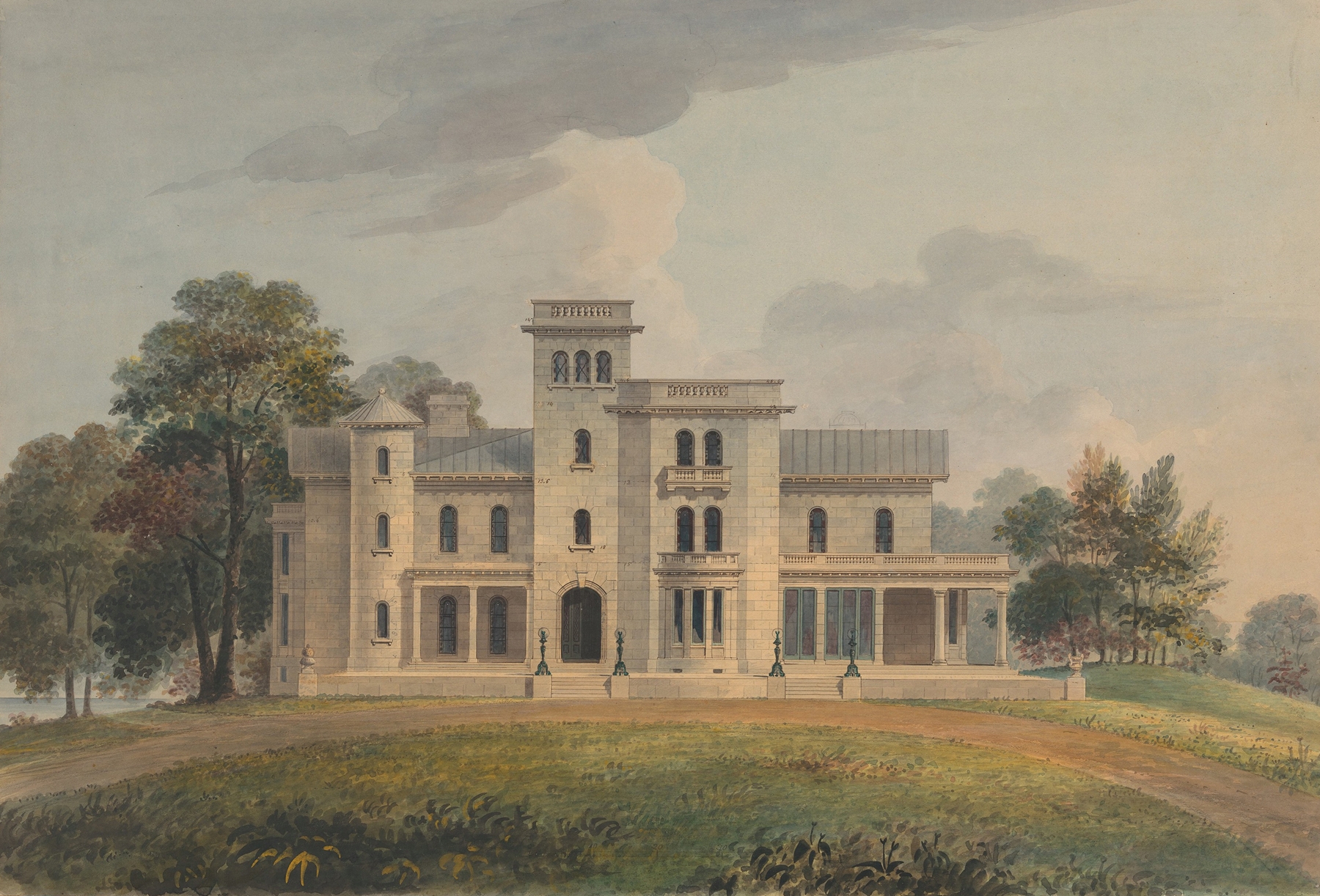
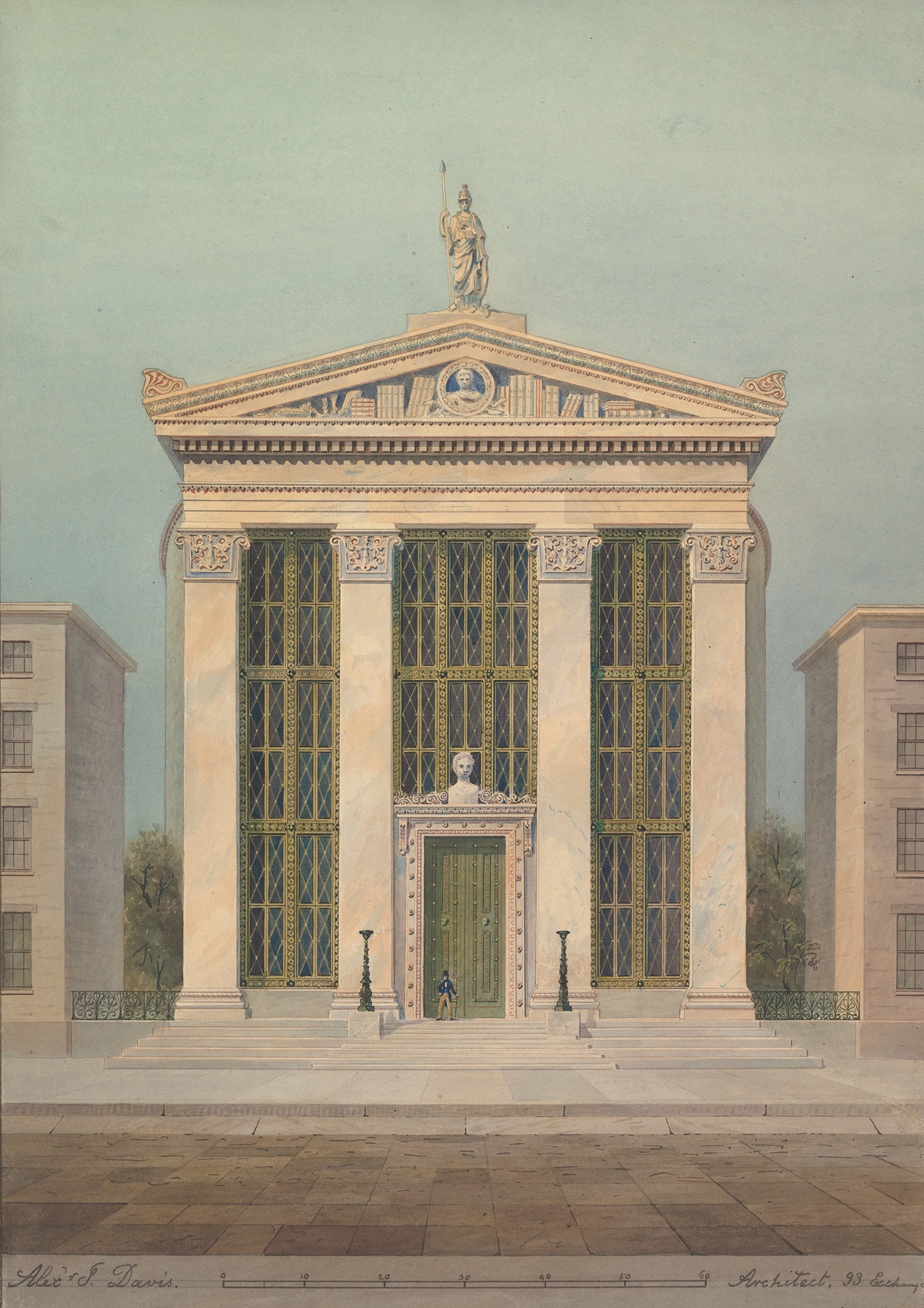
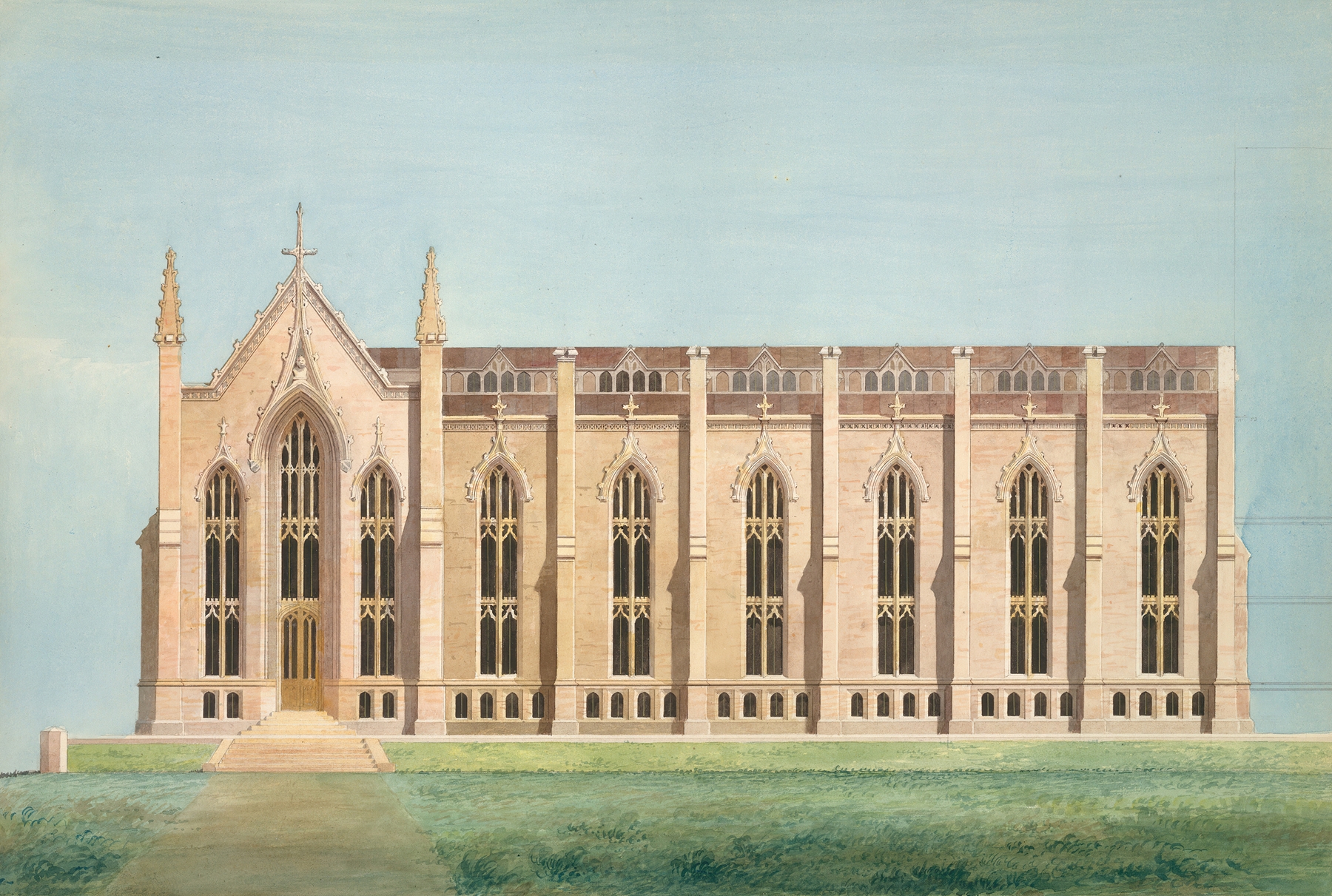
Could beauty survive in a century of chaos? In the midst of rapid change and industrial growth, a structure emerges, promising to shelter knowledge and inspiration. Look to the left at the grand façade, where intricate carvings dance across the stonework, hinting at the rich narrative contained within. The symmetrical design draws the eye toward the soaring spires, gracefully piercing the sky, while deep-set windows invite a play of light and shadow.
Notice how the warm hues of the brick harmonize with the cool blue of the sky, suggesting a serene permanence amidst the turbulence of the age. Beneath the surface lies a deep tension between the stability of tradition and the looming chaos of modernization. The chapel, an emblem of spiritual refuge, stands in contrast to the burgeoning academic institution, embodying a clash of ideals: faith versus knowledge, stillness versus progress. Each architectural detail articulates a story of resilience, urging us to ponder what role beauty plays in an unpredictable world.
In 1838–39, during a period of significant expansion in American education, the architect crafted this design amidst debates surrounding the role of buildings in cultivating societal values. Davis, known for his romantic approach to architecture, aimed to fuse beauty and functionality, reflecting the aspirations of a nation in flux. The artwork captures a moment of hope, building a bridge between the past and the relentless march of the future.