Yale Alumni House — History & Analysis
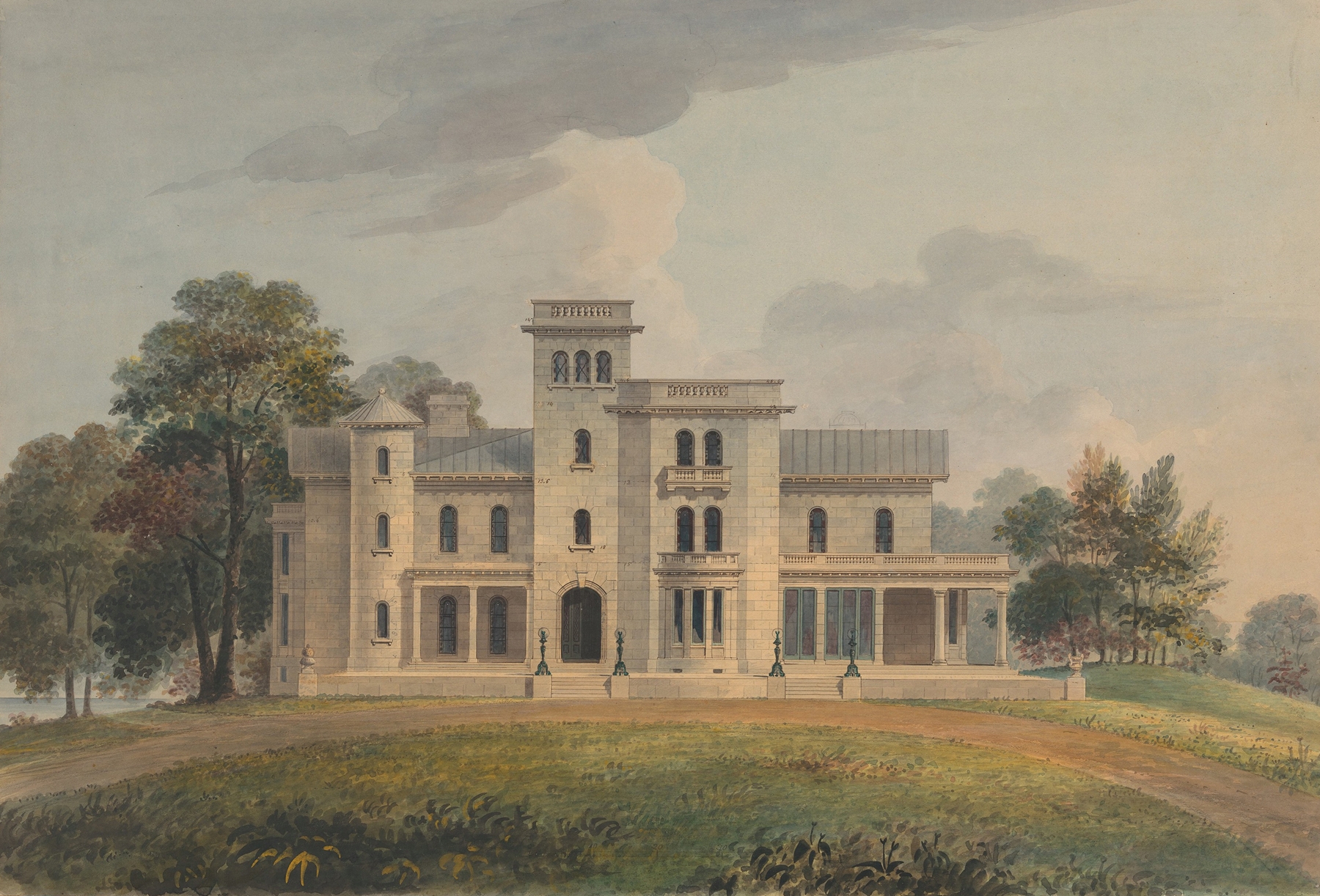
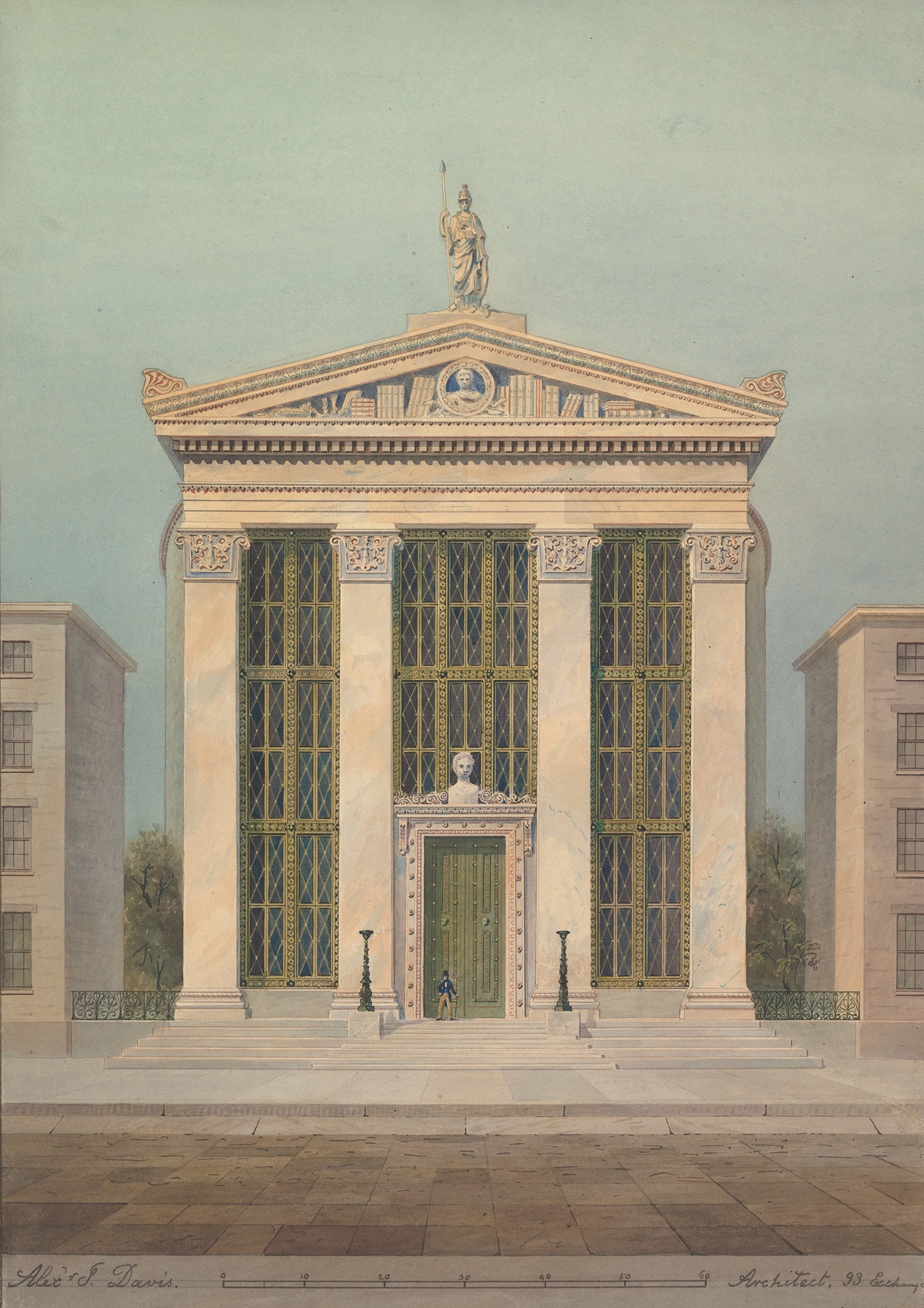
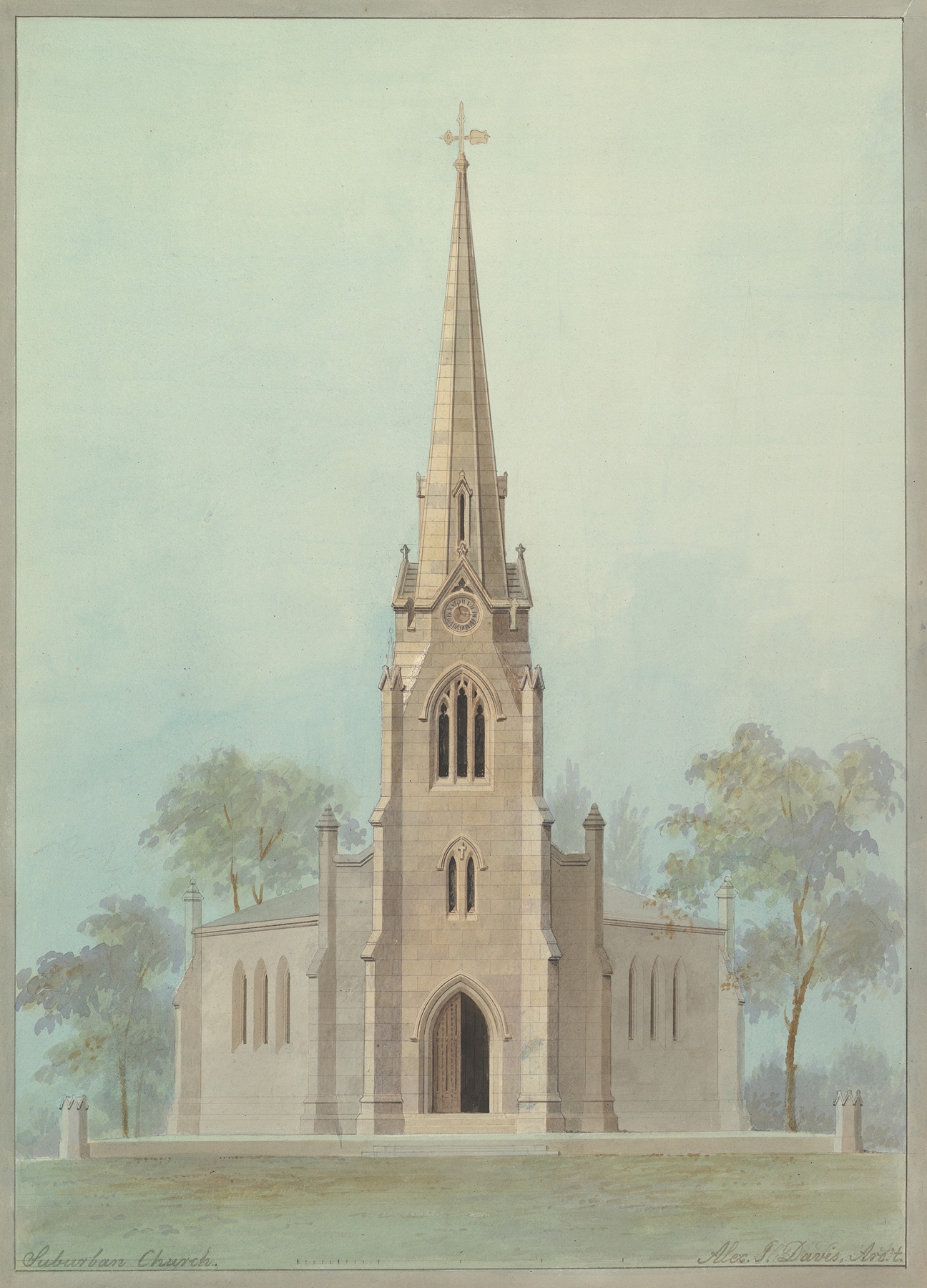
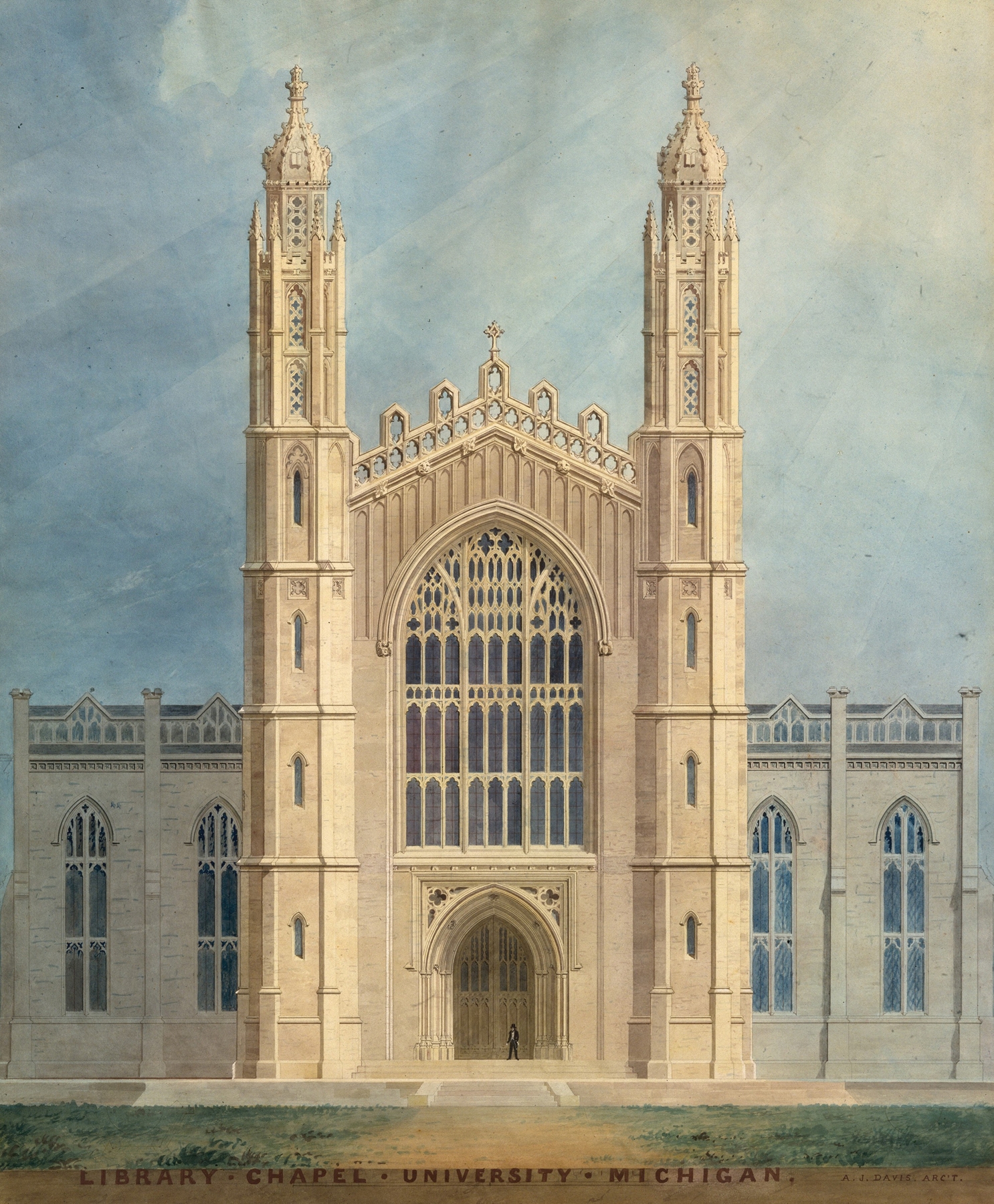
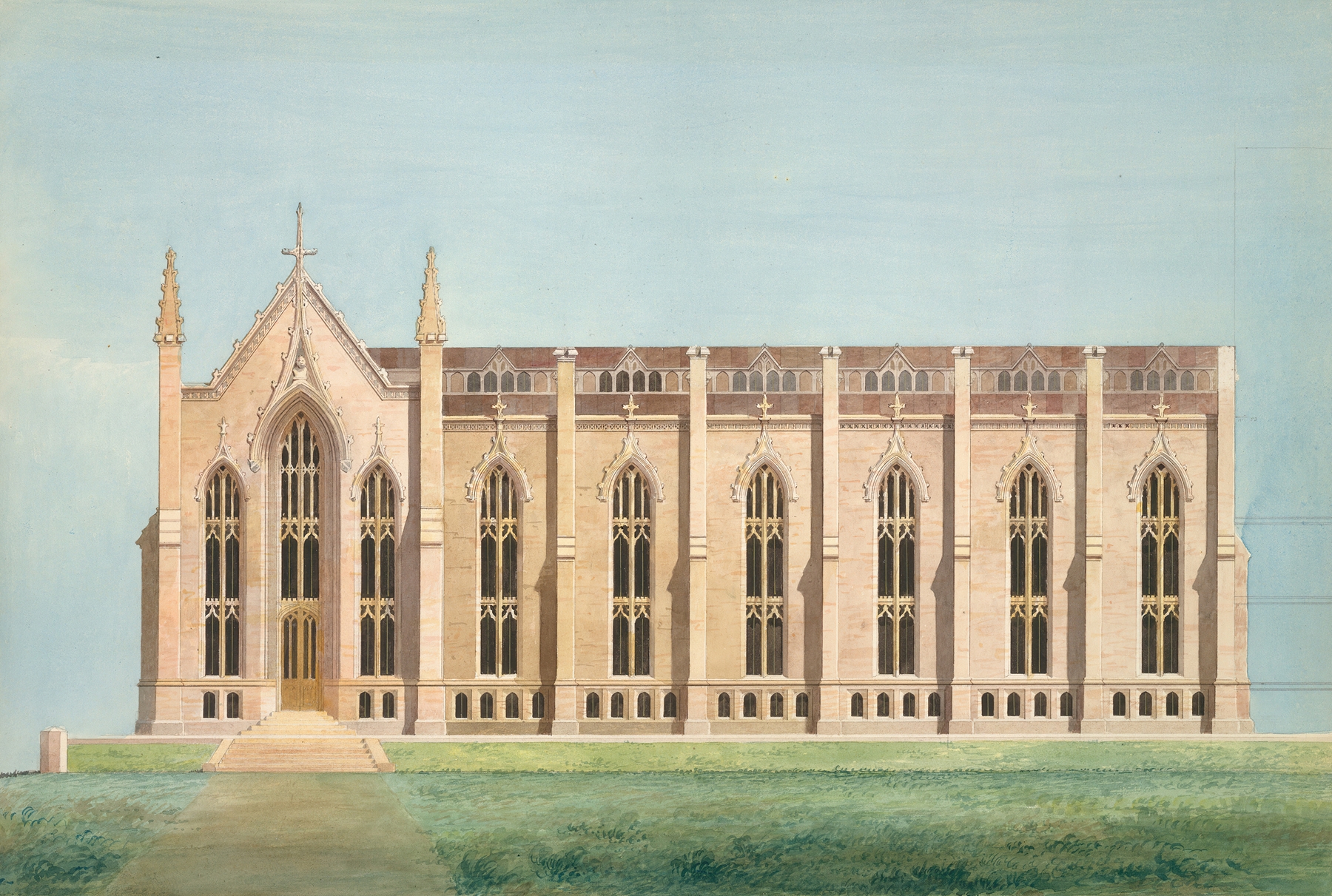
Can beauty exist without sorrow? In the elegant lines and thoughtful design of the Yale Alumni House, we are invited to ponder the intricate dance between aspirations and the weight of legacy, exploring how destiny shapes both architecture and identity. Look to the left at the grand entrance, where stately columns rise majestically, adorned with intricate carvings that echo the pride of the institution. Notice the soft play of light upon the stone façade, how it captures both the warmth of welcoming and the coolness of history, inviting yet solemn.
The composition is meticulously balanced, with symmetrical elements that guide the eye upward, suggesting both stability and ambition in the design, effectively representing the ideals of the alumni it serves. Delve deeper into the details, and you’ll find subtle contrasts that evoke the duality of the human experience. The robust structure symbolizes strength and permanence, yet the surrounding landscape hints at change and transience as nature weaves through the manmade. The entwining of stone and greenery suggests that while one’s educational journey may reach completion, the growth it fosters continues, interlacing with the fabric of life beyond academia.
In 1853, Alexander Jackson Davis was immersed in the flourishing realm of American architecture, where he had already established himself as a prominent figure. He created this masterpiece during a time when universities were expanding their campuses, marking a shift towards more institutionalized education. The societal landscape was changing rapidly, with the promise of progress tempered by the undercurrents of a nation grappling with its own identity.