Study for the Astor Library, New York — History & Analysis
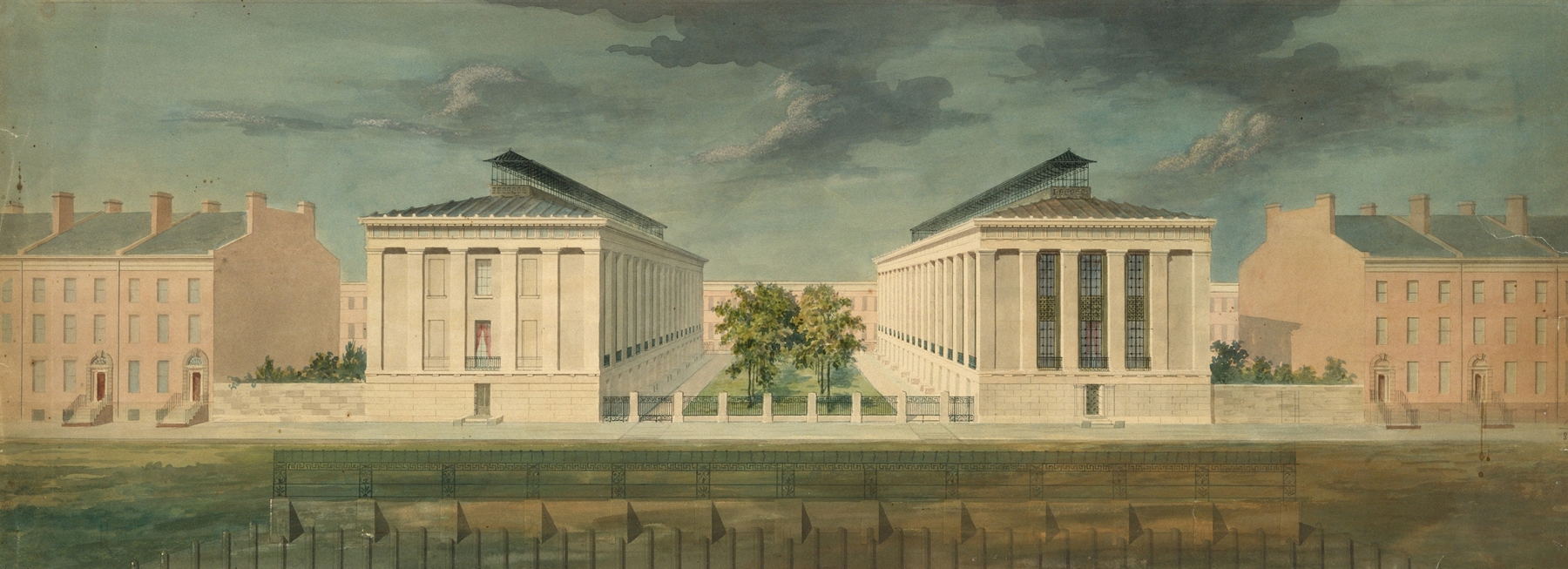
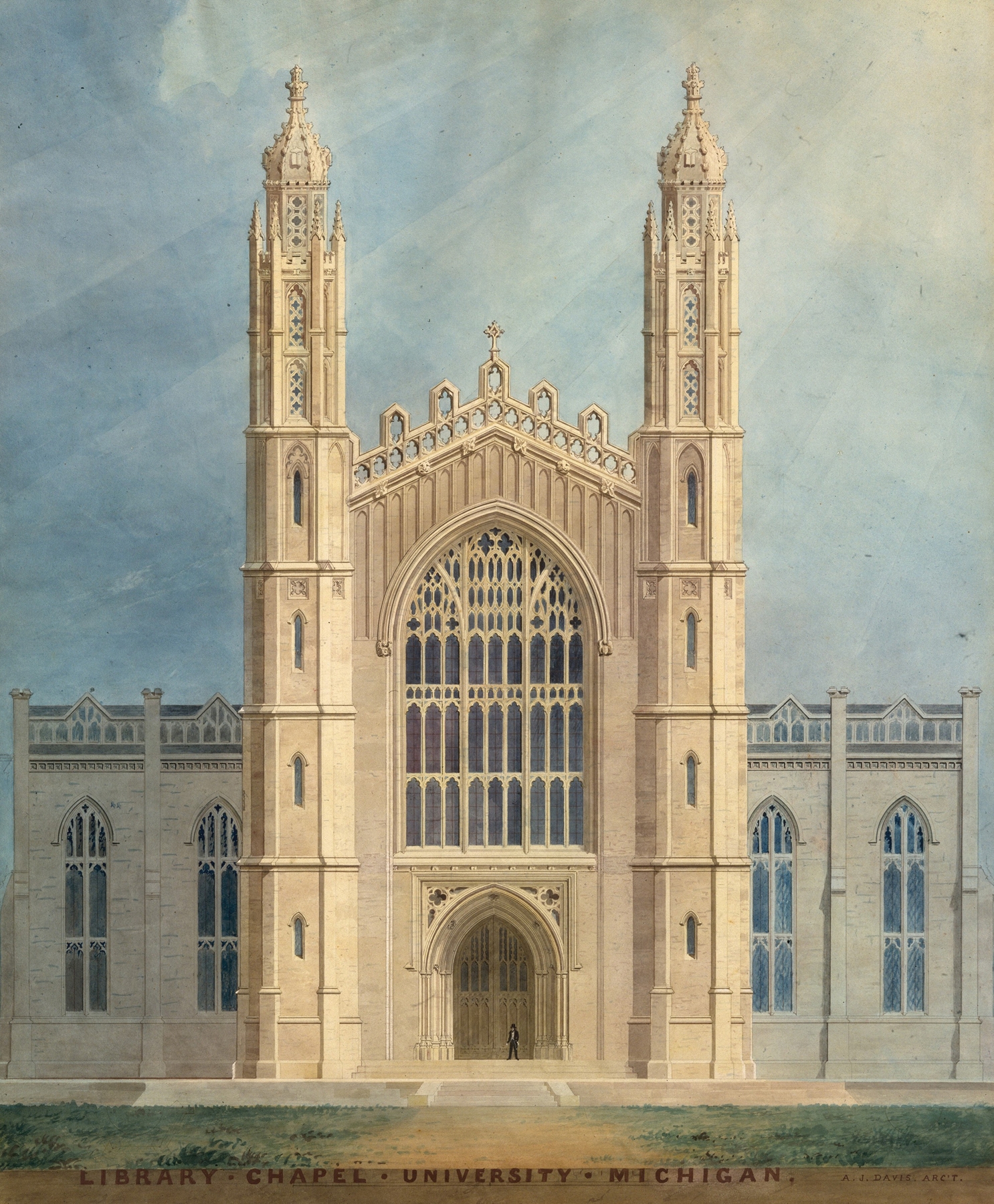
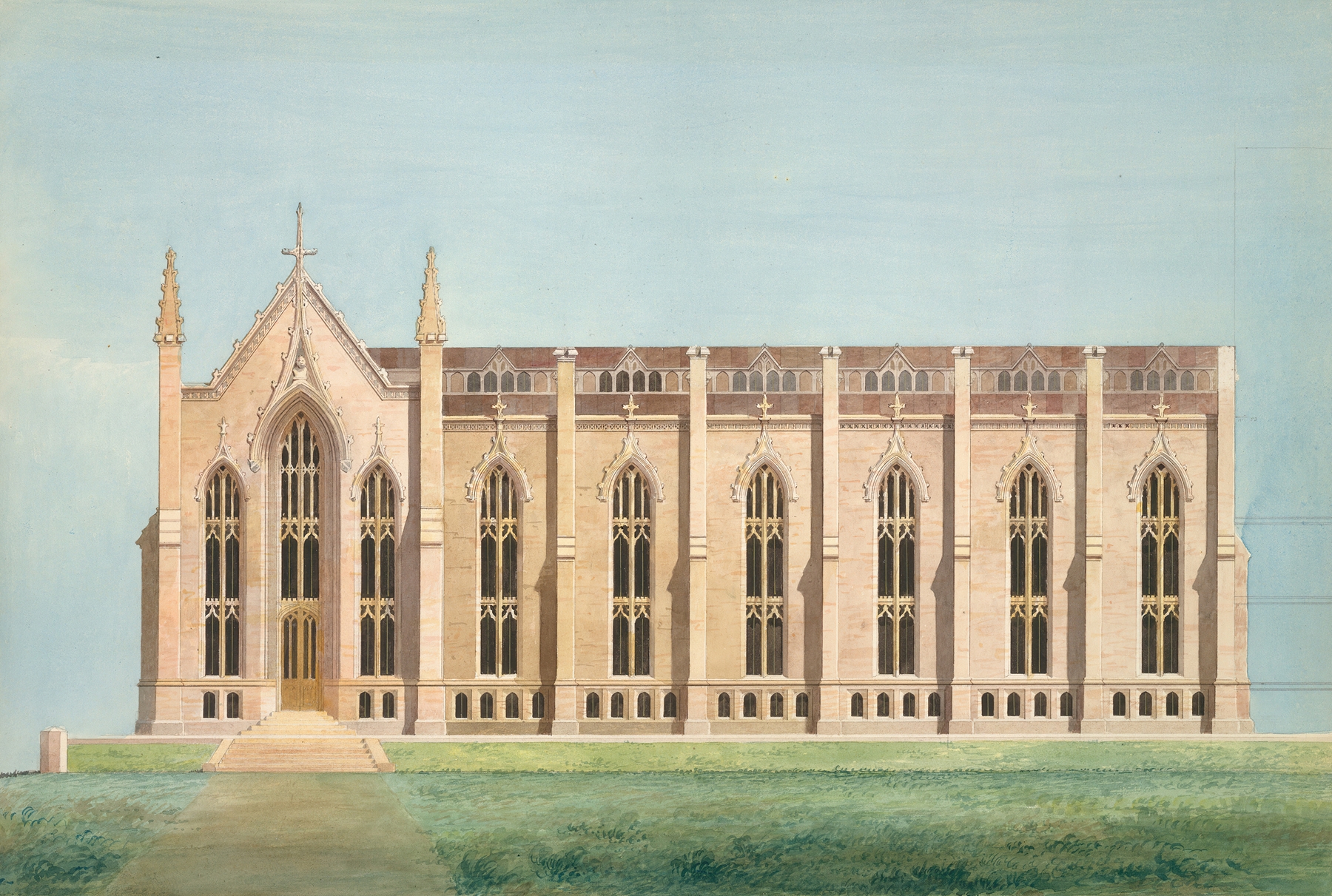
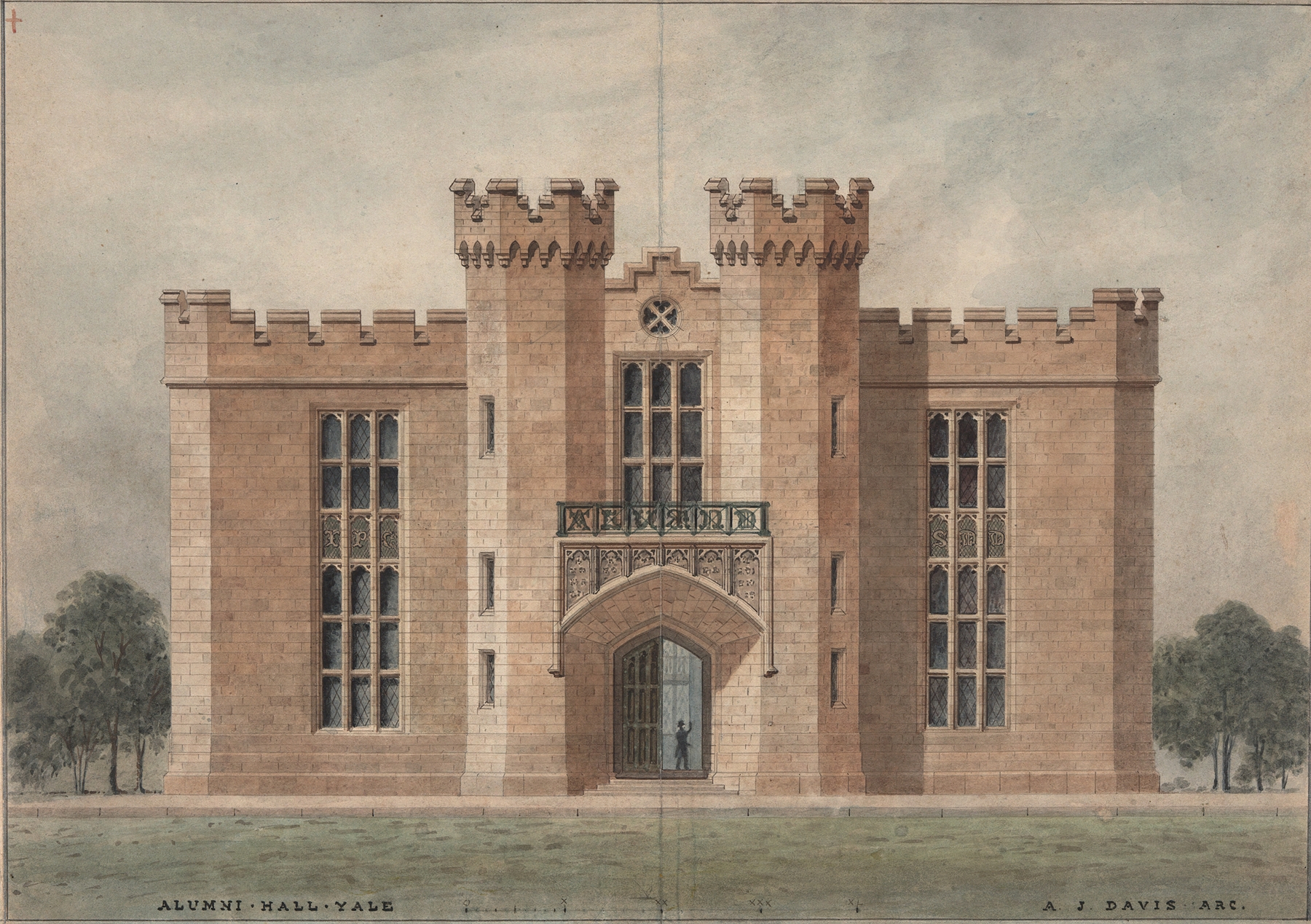
Could a single brushstroke hold eternity? In Study for the Astor Library, New York, emotion resides within every carefully laid line, whispering of loss and longing. Look to the left at the intricate archway, where the delicate details of the stonework draw the eye upward, inviting a sense of reverence. Notice how the muted palette of earthy tones creates a somber atmosphere, reflecting the weight of history imbued in the building’s purpose.
Each shadow and highlight is meticulously crafted, as if the artist’s hand sought to capture not just the architecture, but the echo of countless stories housed within its walls. Within this depiction lies a profound tension between permanence and transience. The structure, poised to enshrine knowledge, stands in contrast to the fleeting nature of human existence—a poignant reminder that all we build will one day yield to time. The careful arrangement of light reveals the artist's internal struggle, a blend of admiration for the library's promise and an underlying grief for what inevitably fades away.
In 1843, Alexander Jackson Davis was immersed in the burgeoning American architectural scene, known for his designs that harmonized with nature. At this time, the nation grappled with its identity amidst rapid change and modernization, and the artist sought to encapsulate both the aspirations and fragility of cultural memory through his work. Study for the Astor Library was not merely a study but a reflection of the era's yearning for permanence amidst the transitory, a theme that resonates deeply even today.