Coal mine and Brunnerton, River Grey — History & Analysis
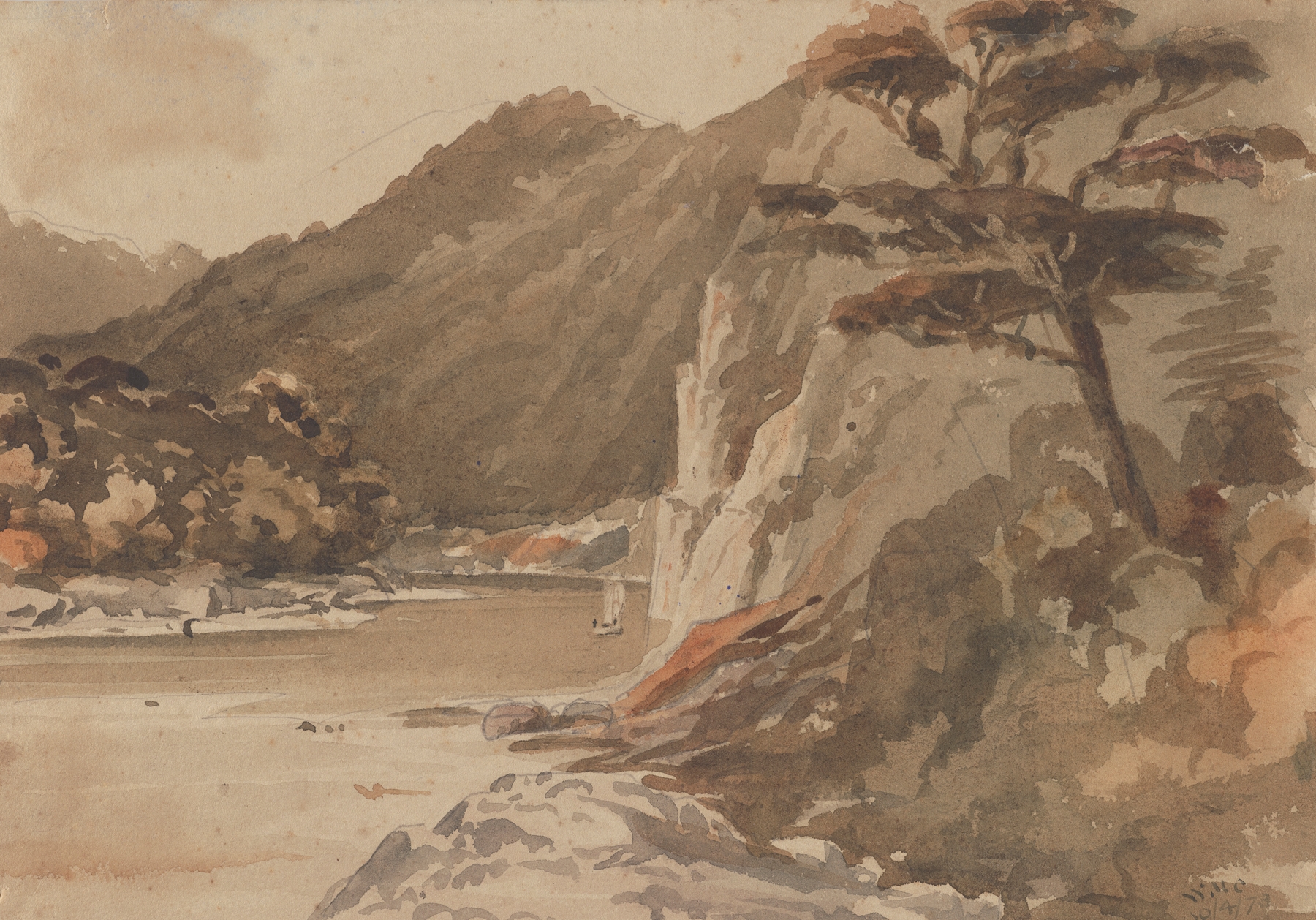
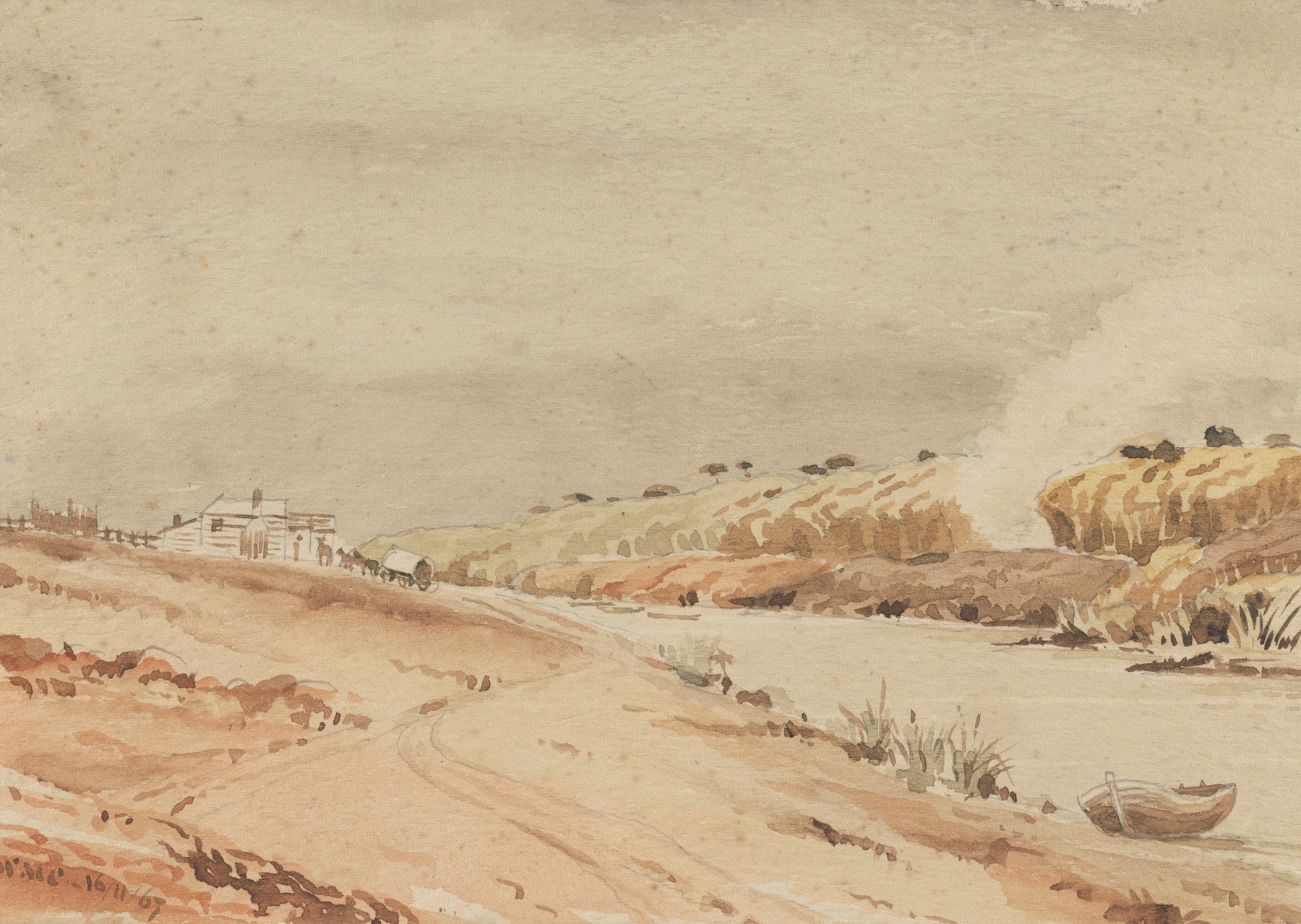
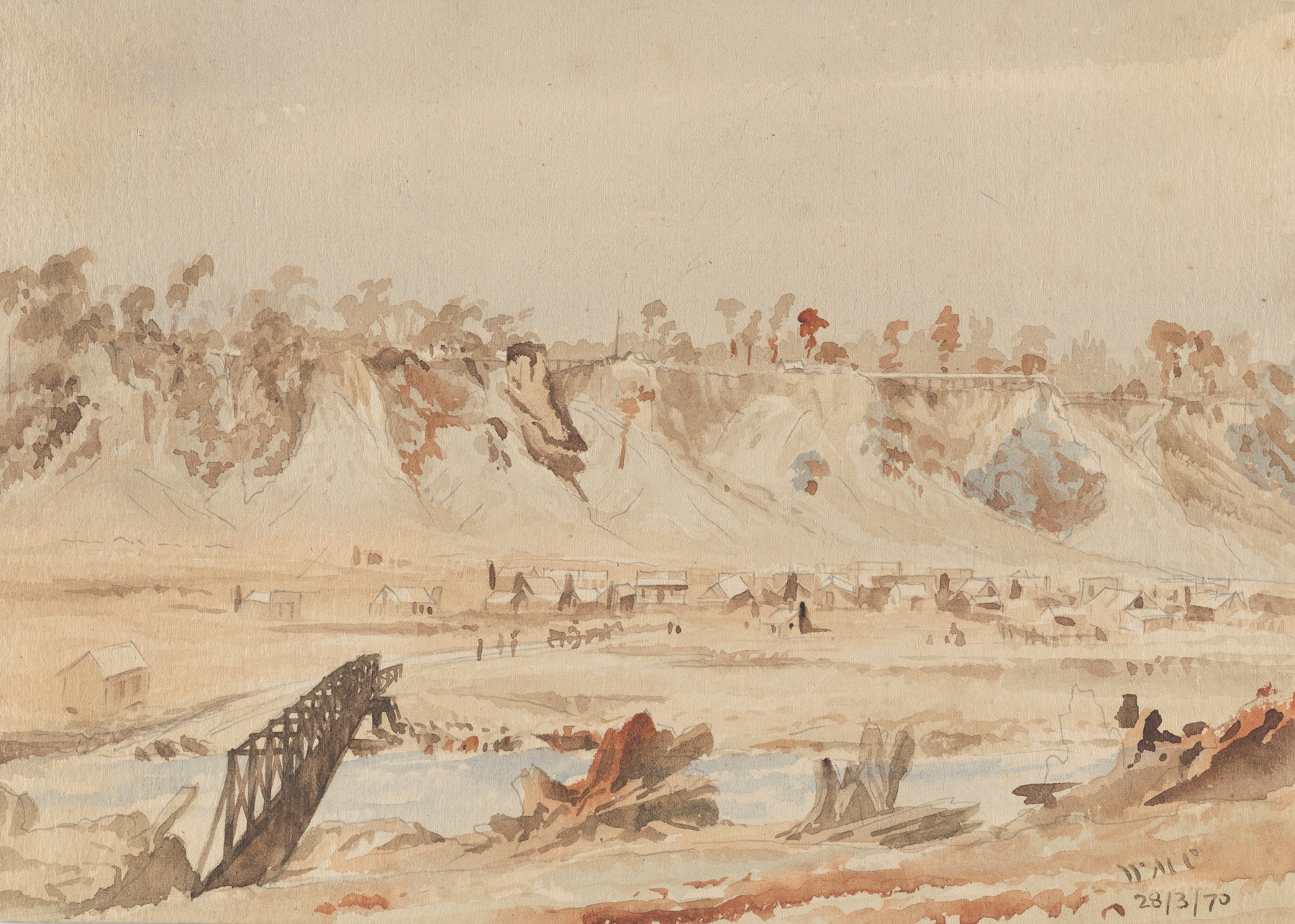
Who listens when art speaks of silence? In Coal Mine and Brunnerton, River Grey, a profound stillness envelops the rugged landscape, beckoning introspection through its somber tones and intricate shadows. Focus on the lower left corner, where the darkened mouth of the mine yawns ominously, a stark contrast to the muted colors of the surrounding hills. The earthy browns and cool blues dominate the canvas, framed by streaks of vaporous grey that dance across the sky, hinting at the nature of the labor below. Notice how Cooper deftly captures the interplay of light and shadow; the mine enveloped in darkness suggests both the burden of toil and the weight of secrets held within.
Here, each brushstroke speaks to the invisible laborers—those who create life from darkness. Delve deeper, and the emotional tension becomes evident. The juxtaposition of the mine and the serene river embodies a struggle between nature and industry, reflecting the human condition in an era of rapid change. The placid river flows gently beside the harshness of the coal mine, symbolizing the coexistence of beauty and brutality.
Shadows cascade over the landscape, evoking a sense of both foreboding and solace—an invitation to reflect on the human stories interwoven with this rugged terrain. Cooper painted this work in 1868, during a time when the industrial revolution was reshaping society and landscapes across the globe. Working in New Zealand, he sought to capture the essence of the changing world around him, portraying the delicate balance between nature and the economic demands of an emerging industrial age. As the art world began to embrace realism, his observations of the coal mine's stark reality provided a poignant commentary on labor and the environment.