Old Greenstone township and Duke’s Terrace — History & Analysis
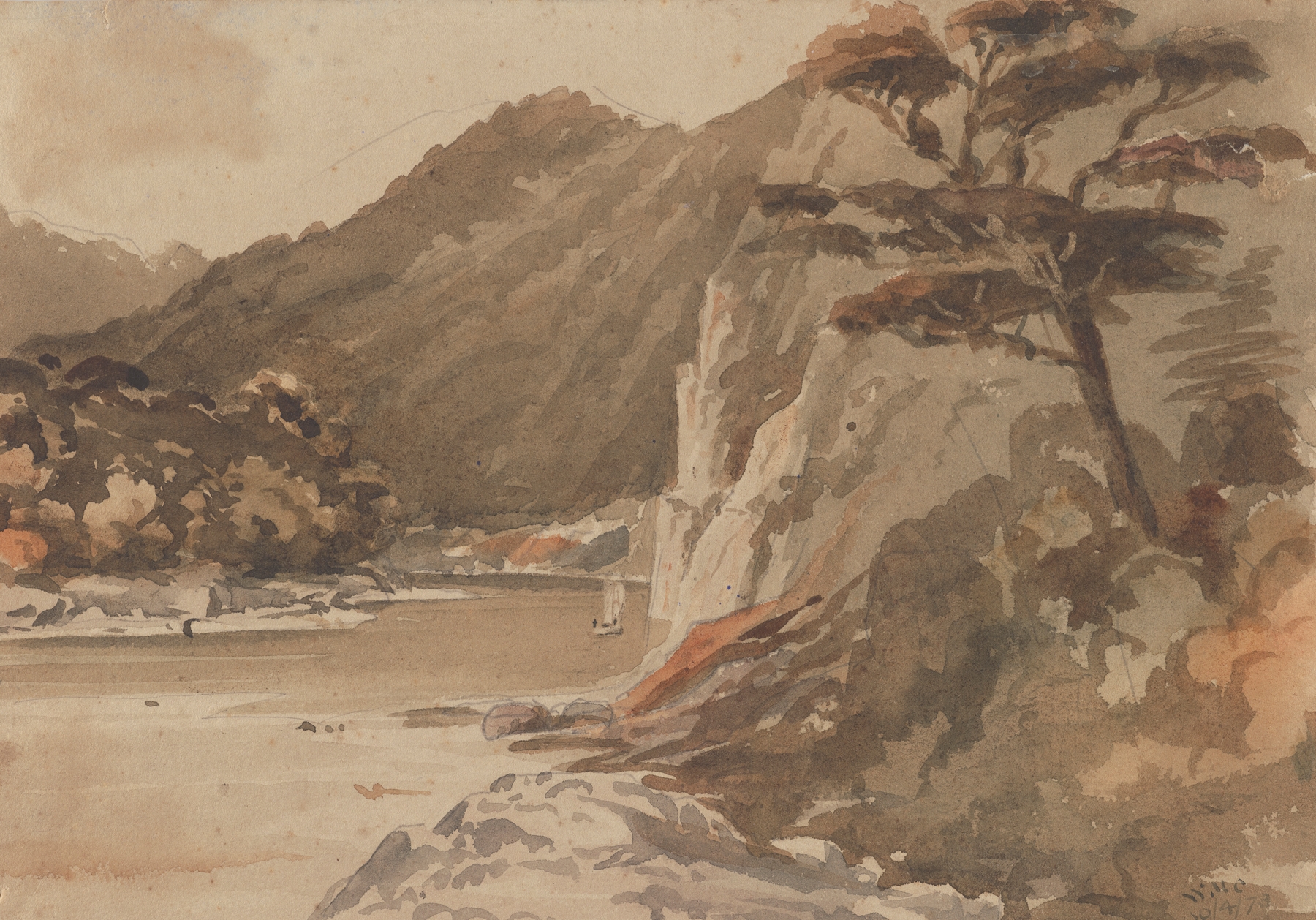
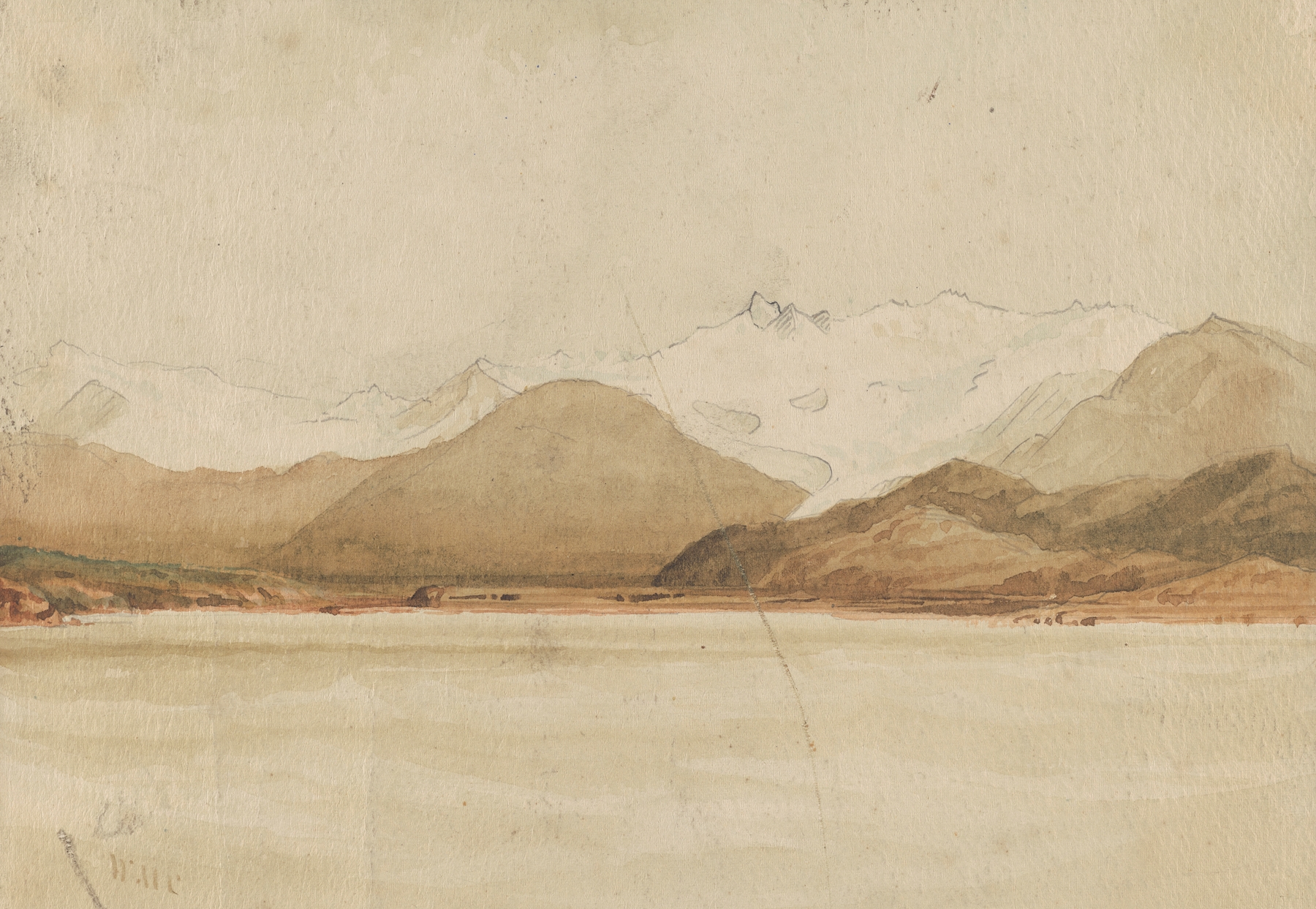
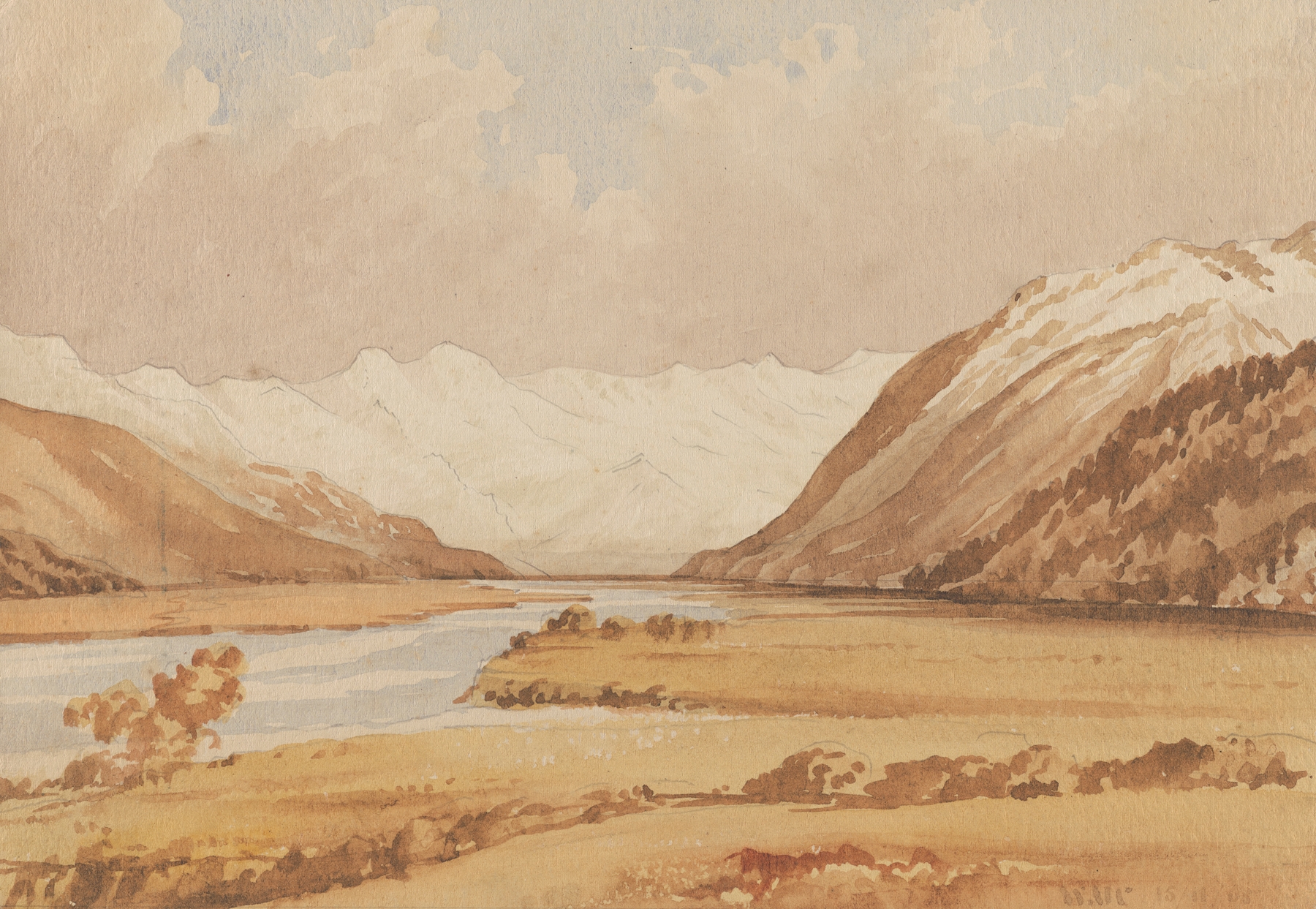
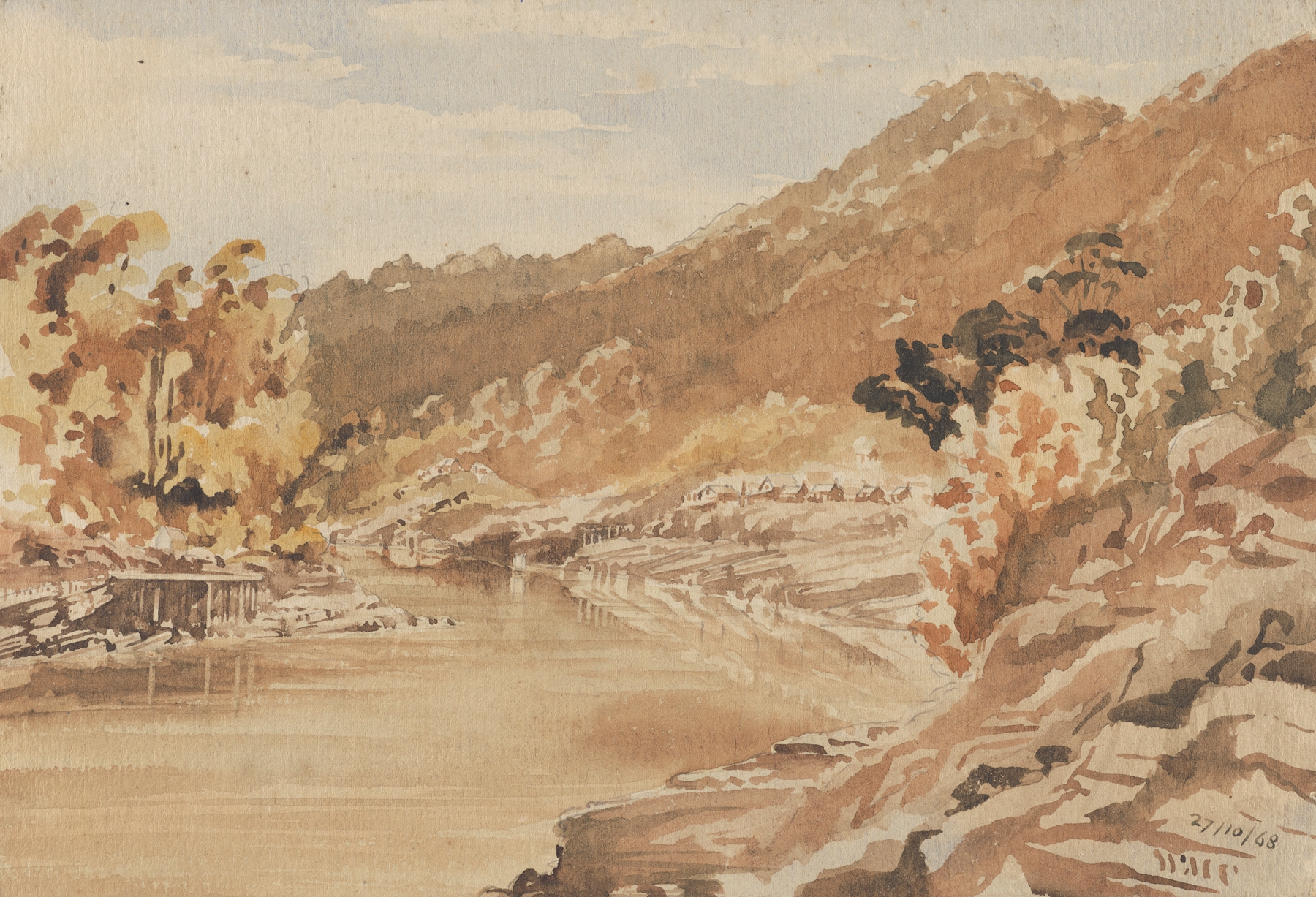
“Every silence here is a confession.” In the stillness captured in this artwork, the weight of unspoken stories reverberates through the landscape, inviting contemplation and reflection. Look to the foreground where the gentle undulations of the hills roll, painted in rich greens that evoke a lush, yet serene atmosphere. Notice how the delicate brushstrokes create a sense of texture, drawing your eye along the winding path that disappears into the horizon. The soft light filters through the trees, casting dappled shadows that play across the canvas, enhancing the tranquil mood of the scene.
Amidst this natural beauty, there are contrasts that provoke thought—between the vibrancy of nature and the stillness of human presence, as if the township itself holds its breath. The distant architecture of Duke's Terrace stands quietly, suggesting a bygone era when life thrived, and yet, it silently echoes the passage of time. Each house tells a tale of lives once lived, juxtaposed against the timelessness of the surrounding hills.
In 1870, Cooper created this piece while residing in England, a period marked by a growing interest in capturing the essence of rural life. The artist’s focus on landscape painting mirrored the broader trend of romanticism, emphasizing the beauty of nature amidst the industrial revolution. This work, while rooted in a specific place, resonates with universal themes of nostalgia and the quietude that envelops the passage of time.