Head of Totara Lagoon, Northland — History & Analysis
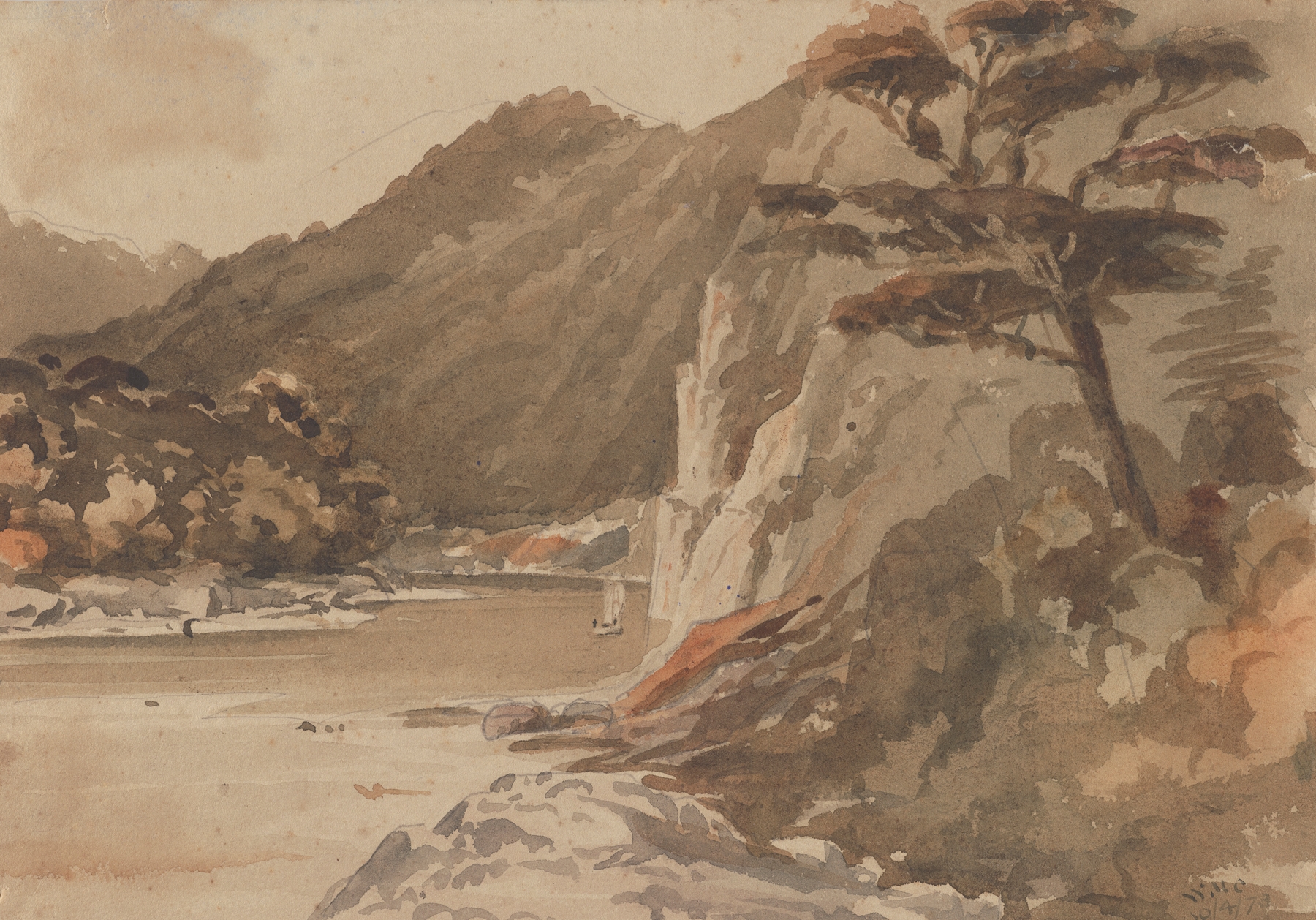
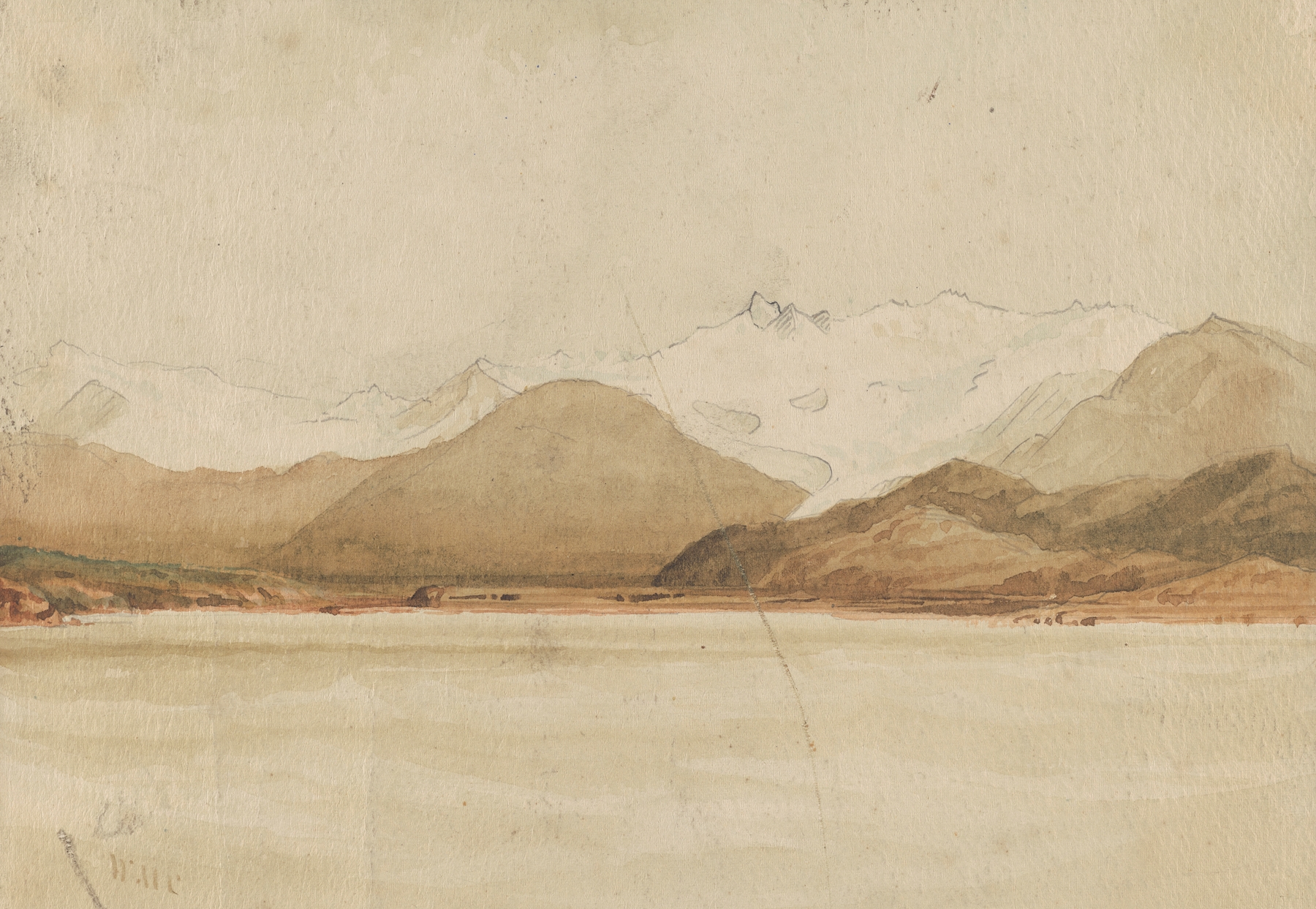
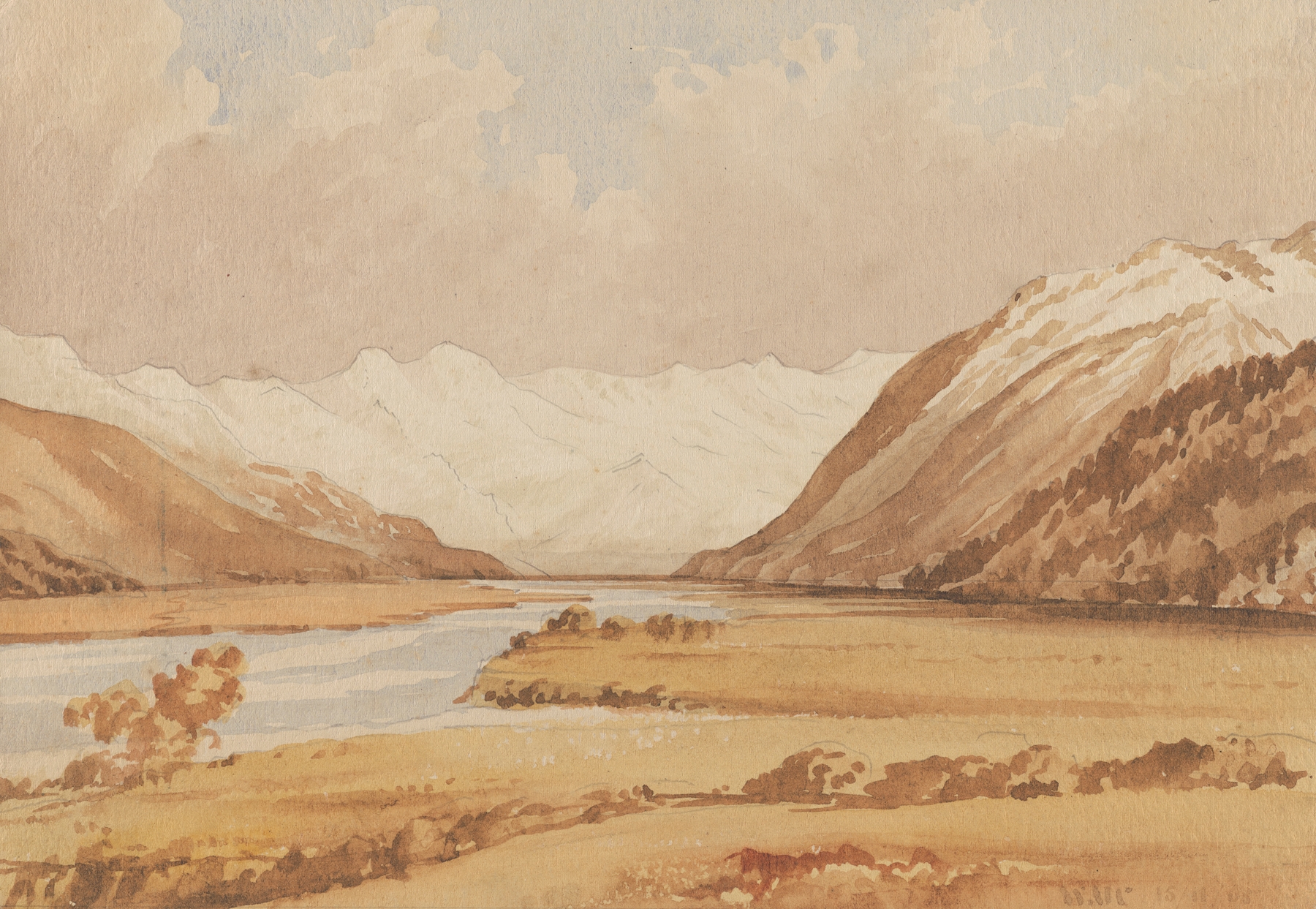
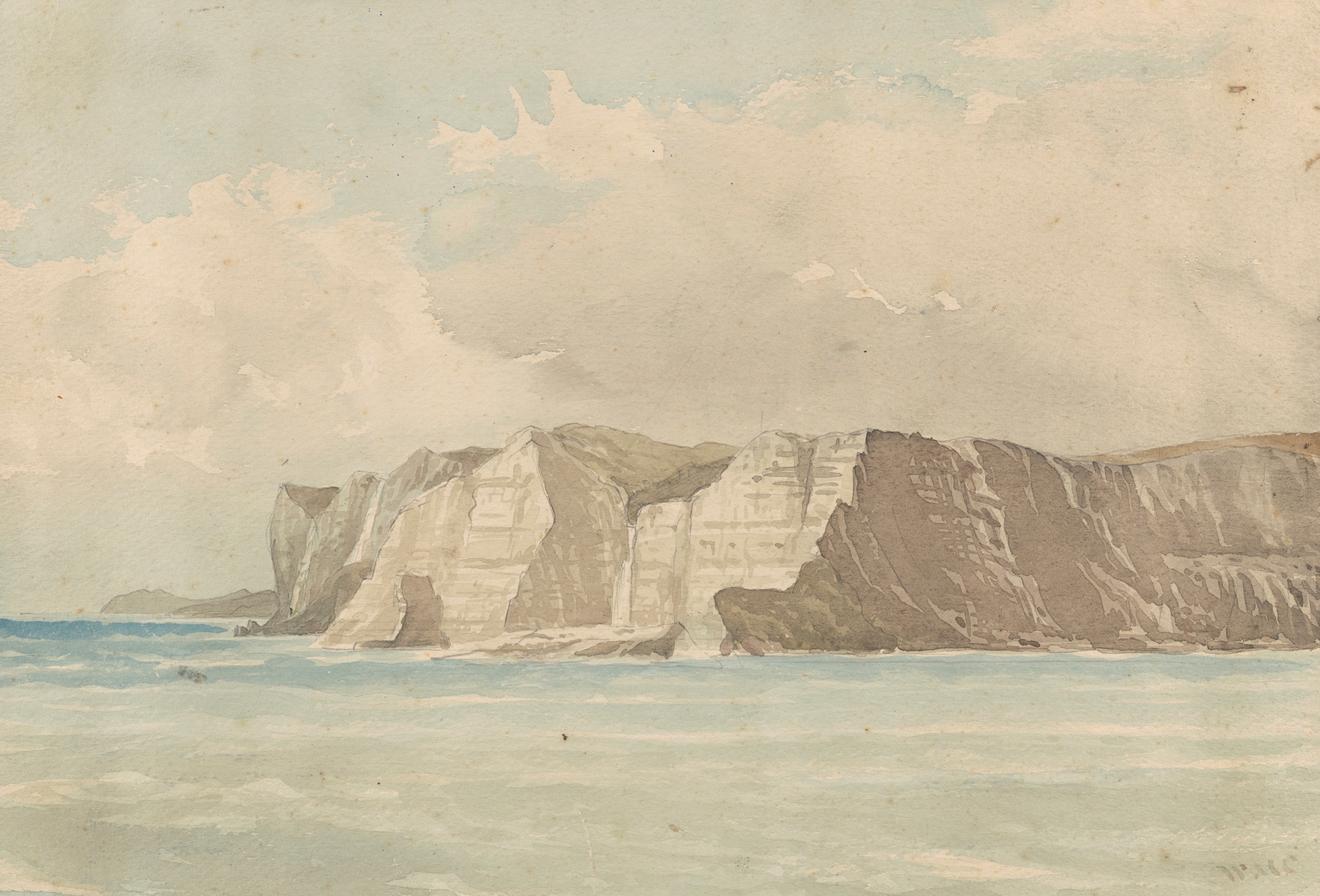
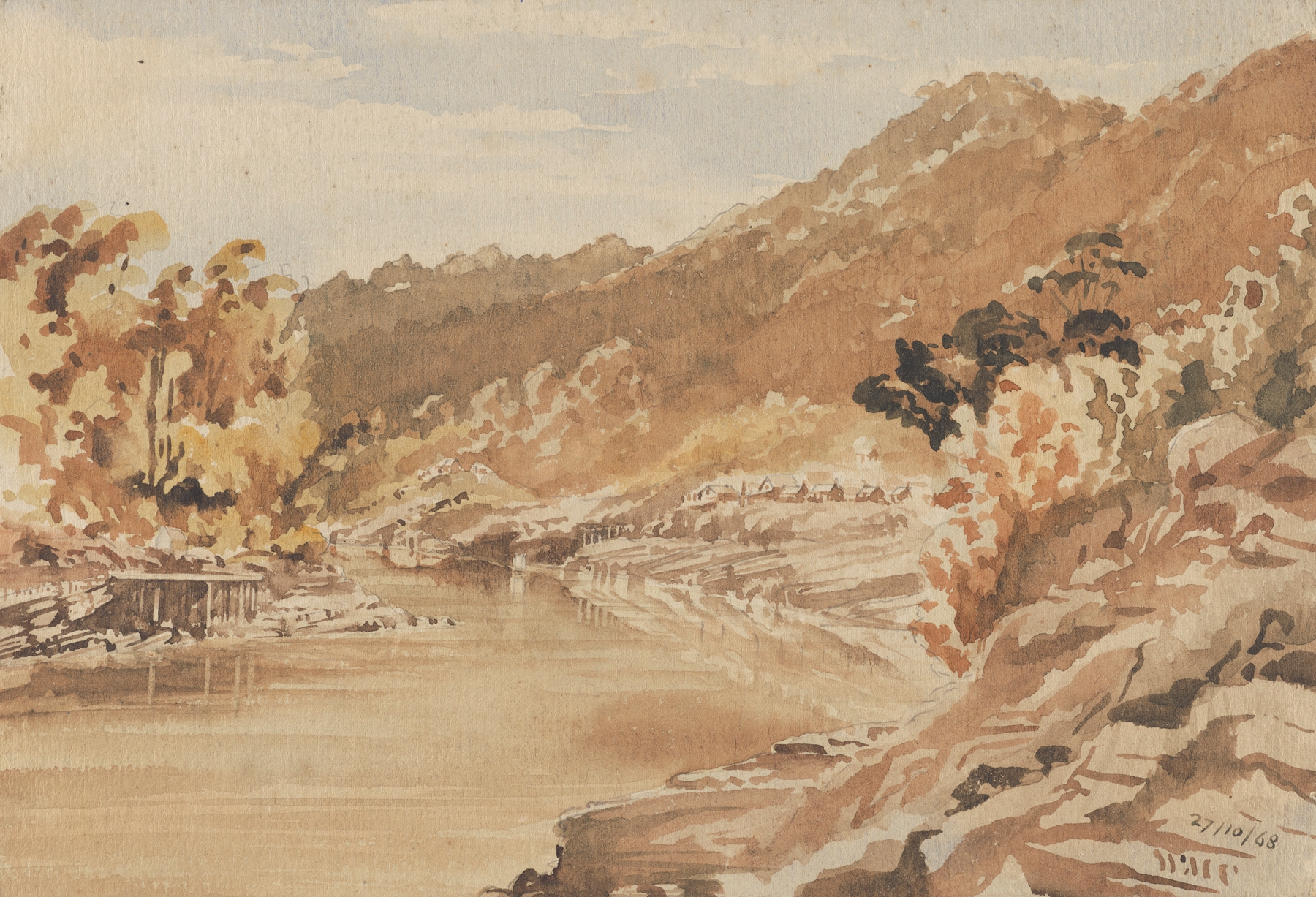
What if silence could speak through light? In Head of Totara Lagoon, Northland, tranquility envelops the scene, inviting viewers to listen to the whispers of nature and the stories it holds. Look to the foreground, where the serene waters of the lagoon reflect the soft blues and greens of the sky, drawing your eye to the gentle ripple of the surface. Notice how the brushstrokes vary between delicate strokes for the foliage and more textured applications for the sandy banks, creating a striking contrast.
The composition suggests a natural balance, with the horizon line resting comfortably amidst the layers of land and water, while the muted palette evokes a sense of peaceful solitude. Beneath its calm exterior lie layers of significance. The interplay of light and shadow hints at the transient nature of time, as if the scene is caught in a moment before dusk descends. The soft, enveloping colors also underscore the idea of creation—nature’s constant cycle, where beauty arises from stillness, and silence becomes a canvas for the imagination.
Each detail, from the undisturbed water to the greenery framing the lagoon, contributes to a profound sense of belonging and reflection. William Marshall Cooper painted this piece in 1867 during a time of burgeoning artistic exploration in New Zealand. As a British-born artist living in a rapidly evolving world, he captured the emerging landscapes of his adopted country, striving to depict its untouched beauty. His work, infused with an appreciation for local scenes, was part of a broader movement that sought to define New Zealand's identity through art.