Limestone Beach S. of Woodpecker Bar — History & Analysis
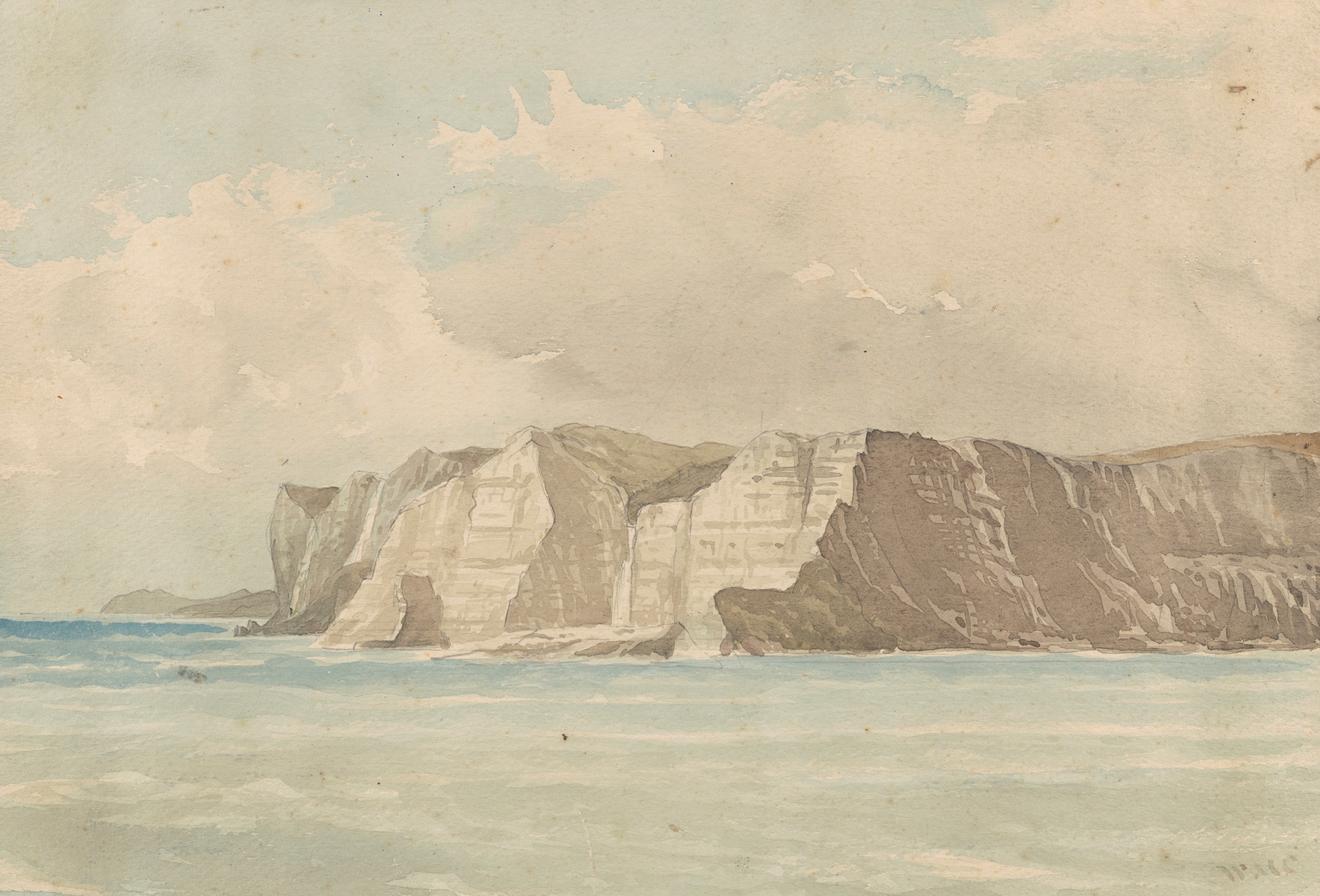
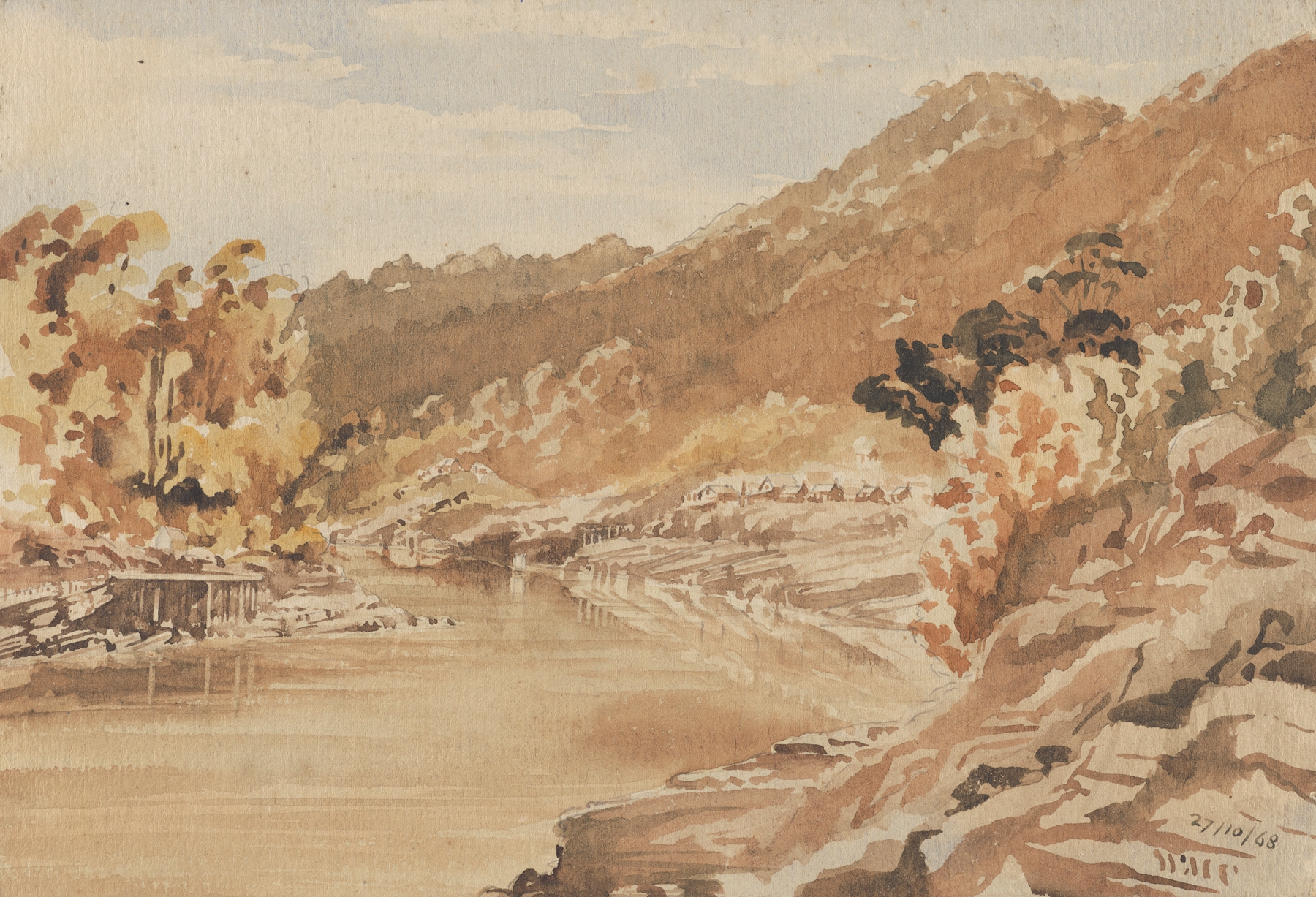
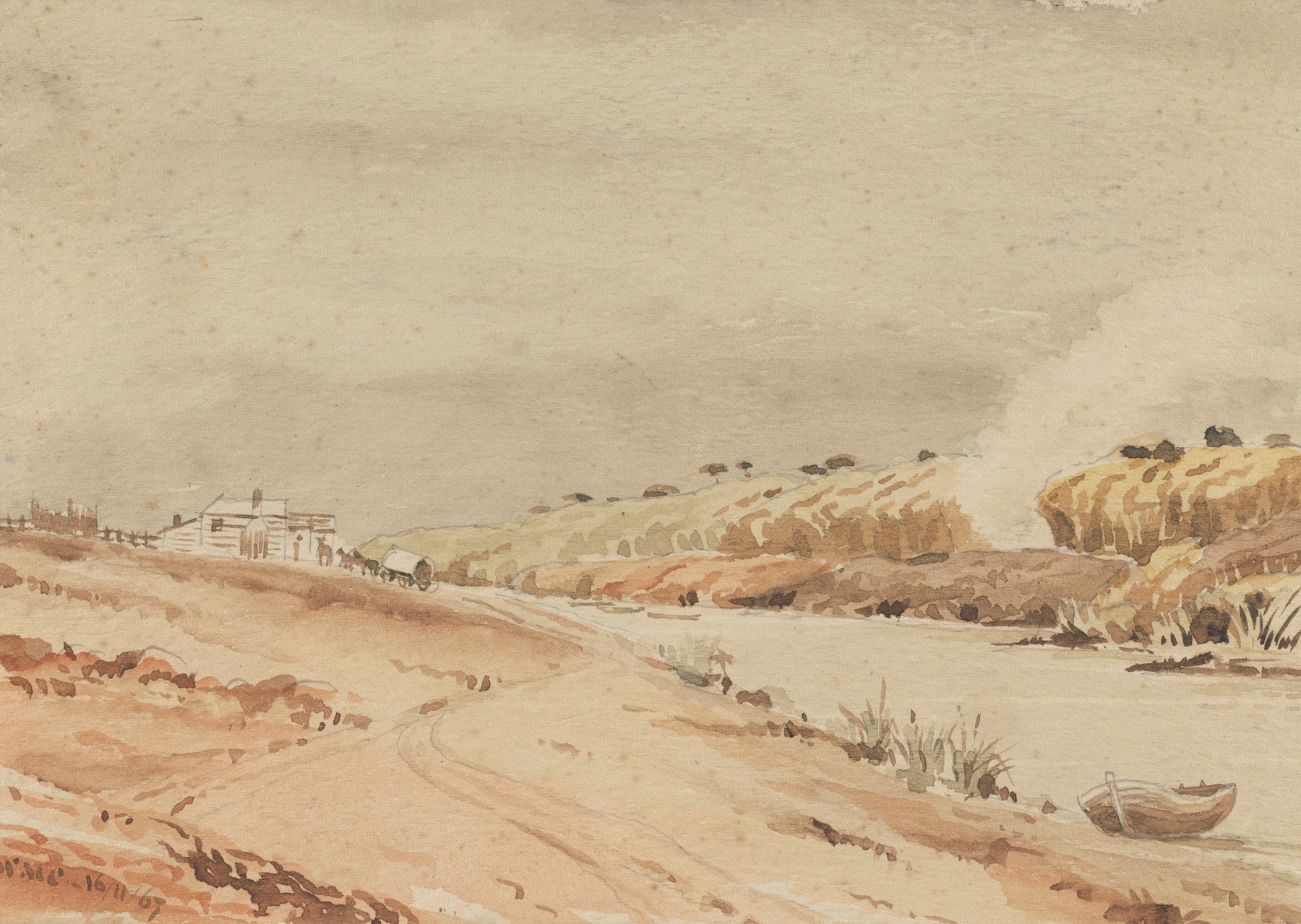
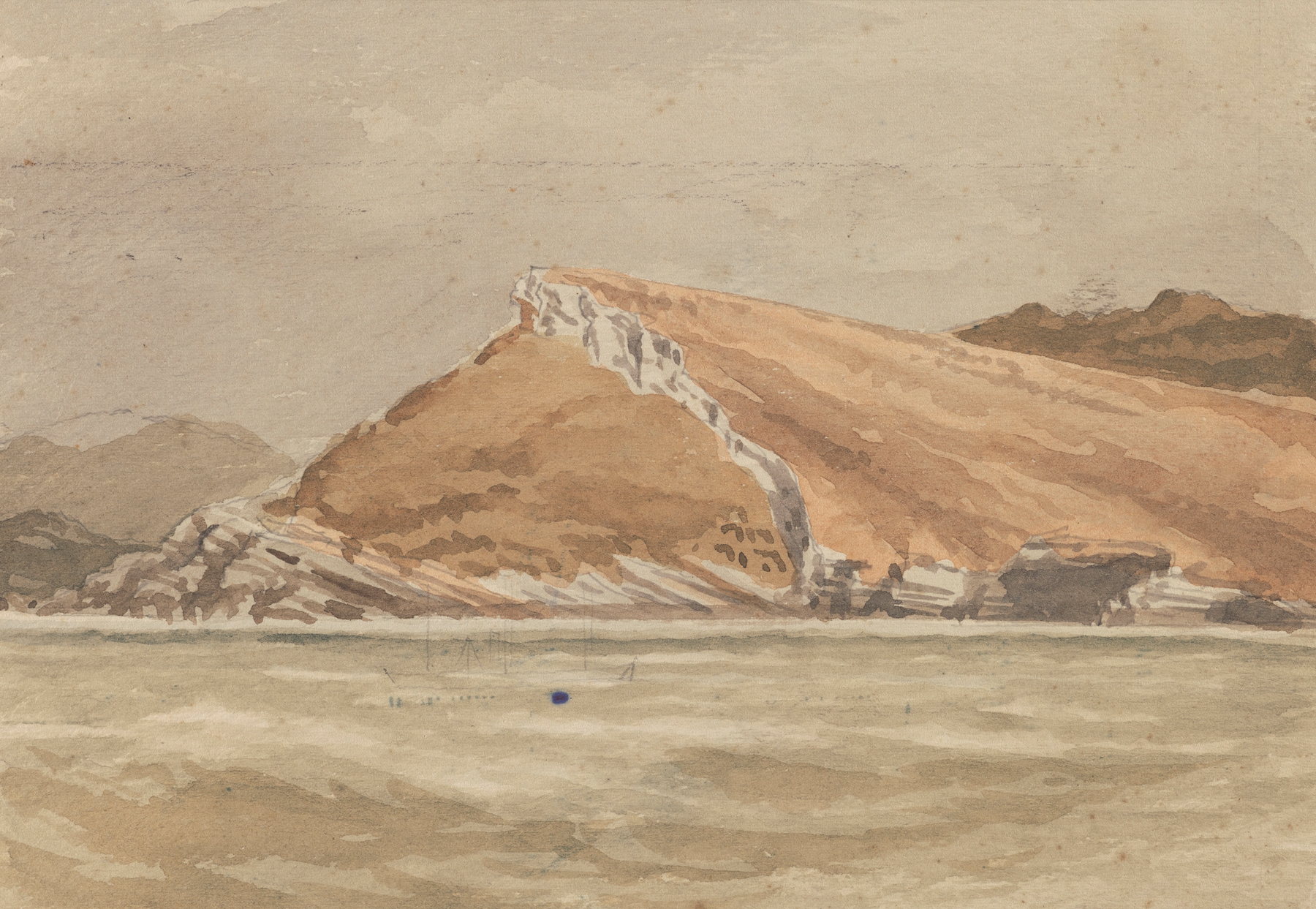
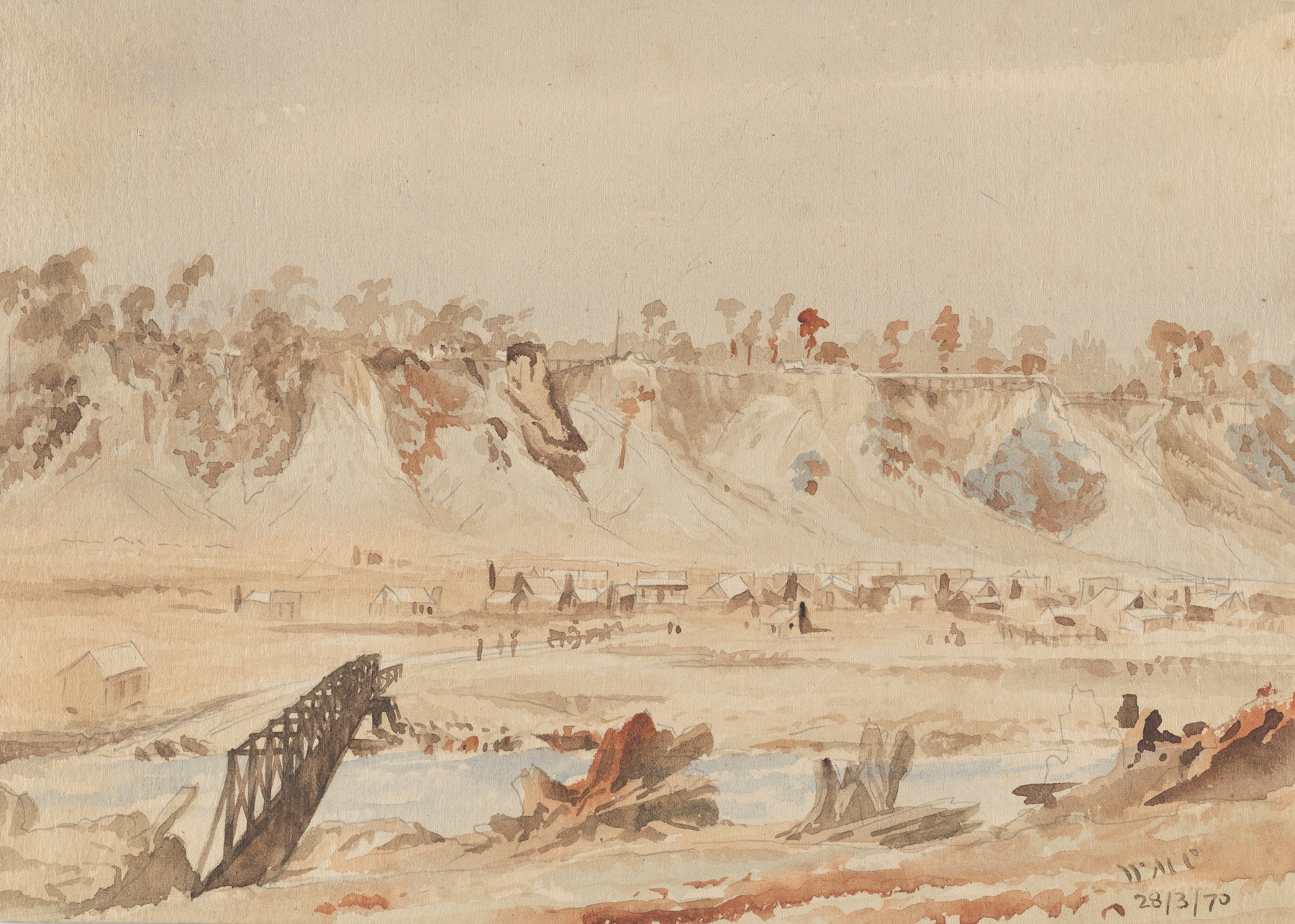
What if beauty was never meant to be finished? In Limestone Beach S. of Woodpecker Bar, the artist captures an unfinished truth, inviting the viewer to contemplate what lies beneath the surface of nature's splendor. Look to the lower right of the canvas, where the rugged limestone rocks jut out defiantly against the gentle waves. The soft blue of the water contrasts sharply with the earthy tones of the cliffs, drawing your eye into the interplay of texture and form.
Notice how the artist's brushwork creates a sense of movement, as if the sea is eternally caressing the shore, while wisps of cloud linger above, hinting at a moment suspended in time. This careful balance of hues—rich browns and serene blues—evokes a harmony that feels both tranquil and dynamic. Delve deeper into the scene, and you’ll uncover the emotional tensions at play. The steadfastness of the limestone suggests resilience in the face of time, while the transient waves symbolize the passage of moments.
The juxtaposition of permanence against fluidity speaks to life's complexities, inviting viewers to reflect on their own experiences of beauty and impermanence. Each element seems to echo the idea that while nature is a constant, our perceptions and interpretations are ever-changing. In 1873, William Marshall Cooper painted this piece during a time of artistic transition in the United States, when the Hudson River School's influence was waning, and Impressionism was beginning to emerge. Working along the shores of New Jersey, Cooper's focus on capturing local landscapes reflects his deep appreciation for the natural world, capturing the essence of beauty in its raw, unpolished state.