Hawks Crag, Buller River — History & Analysis
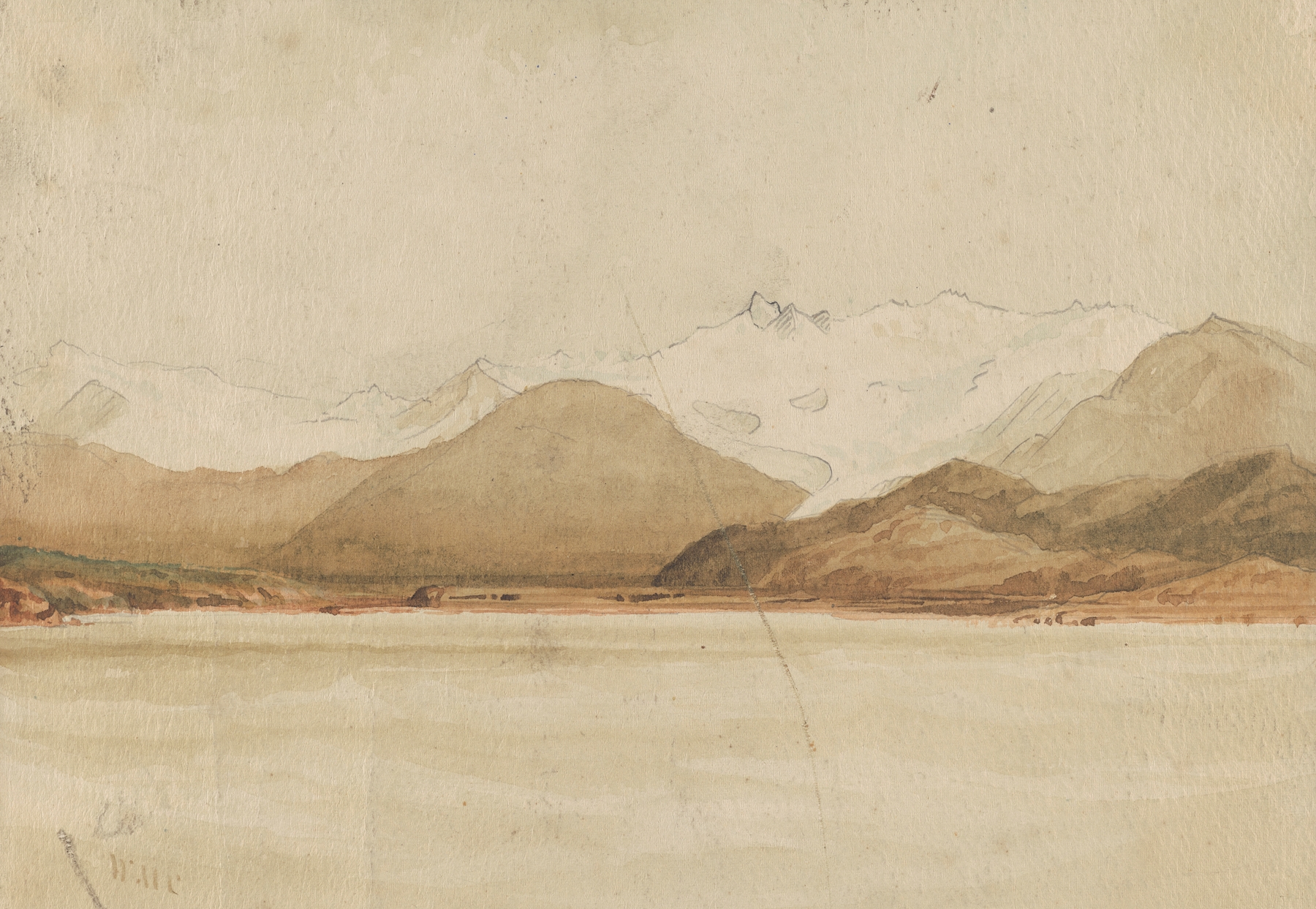
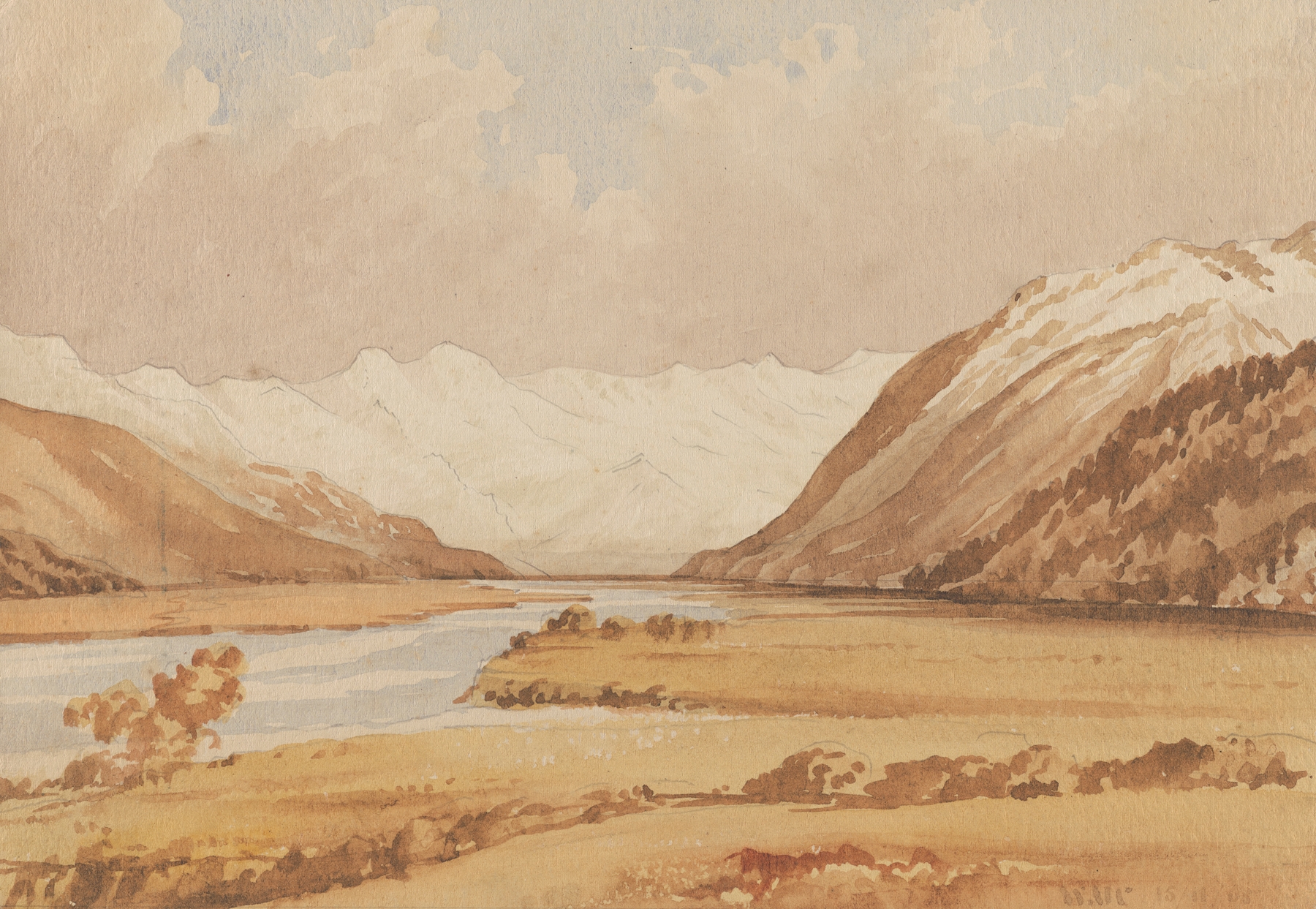
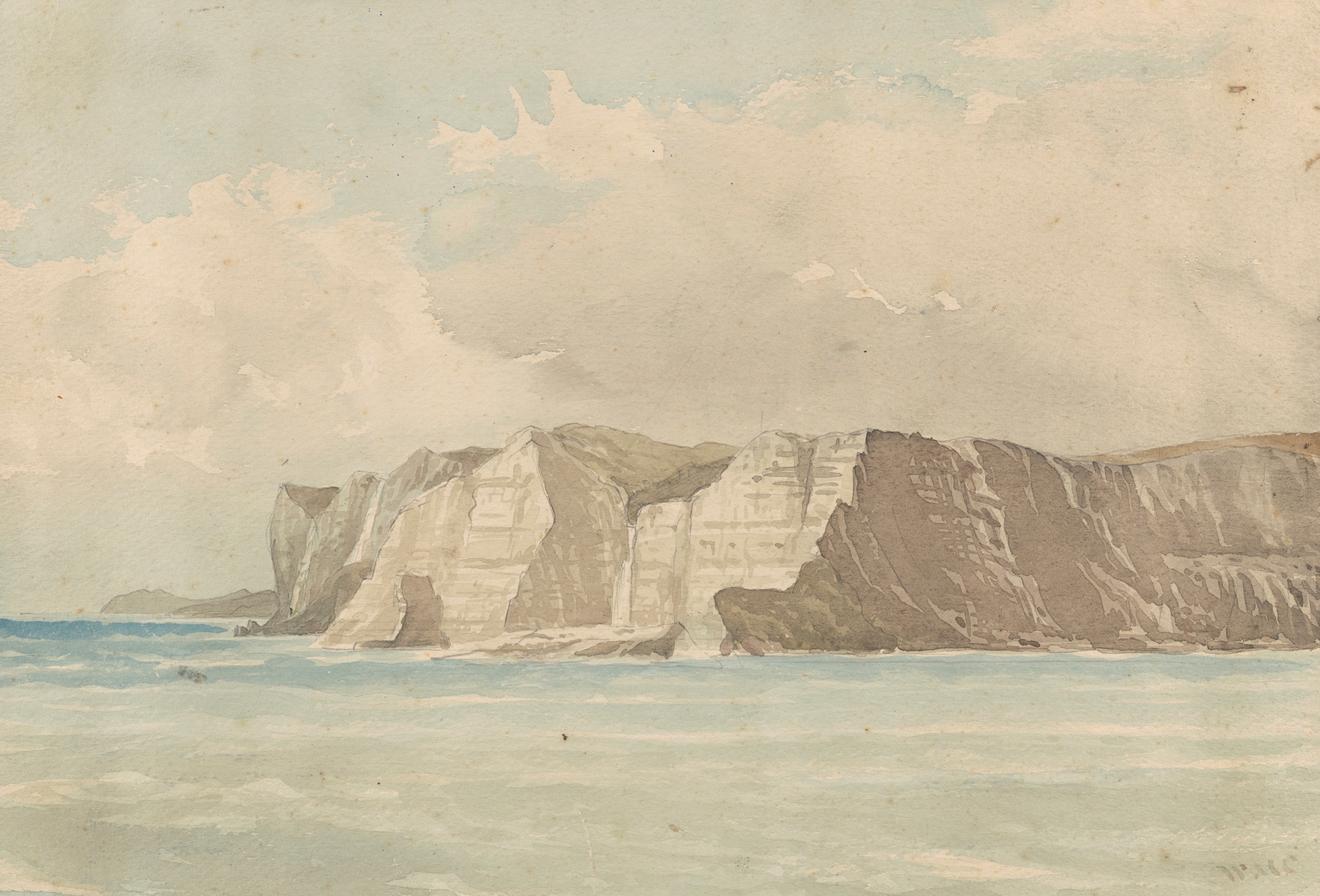
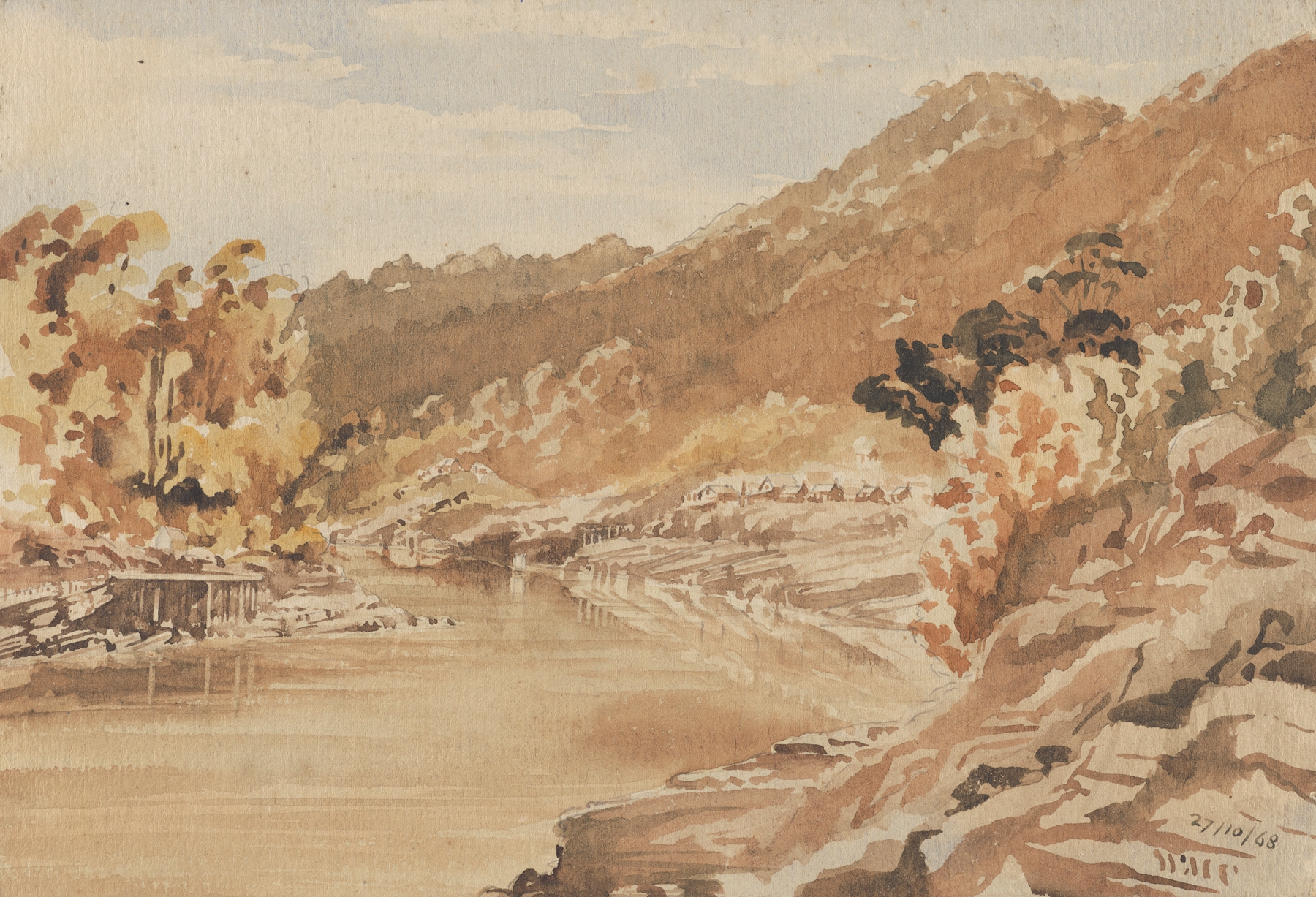
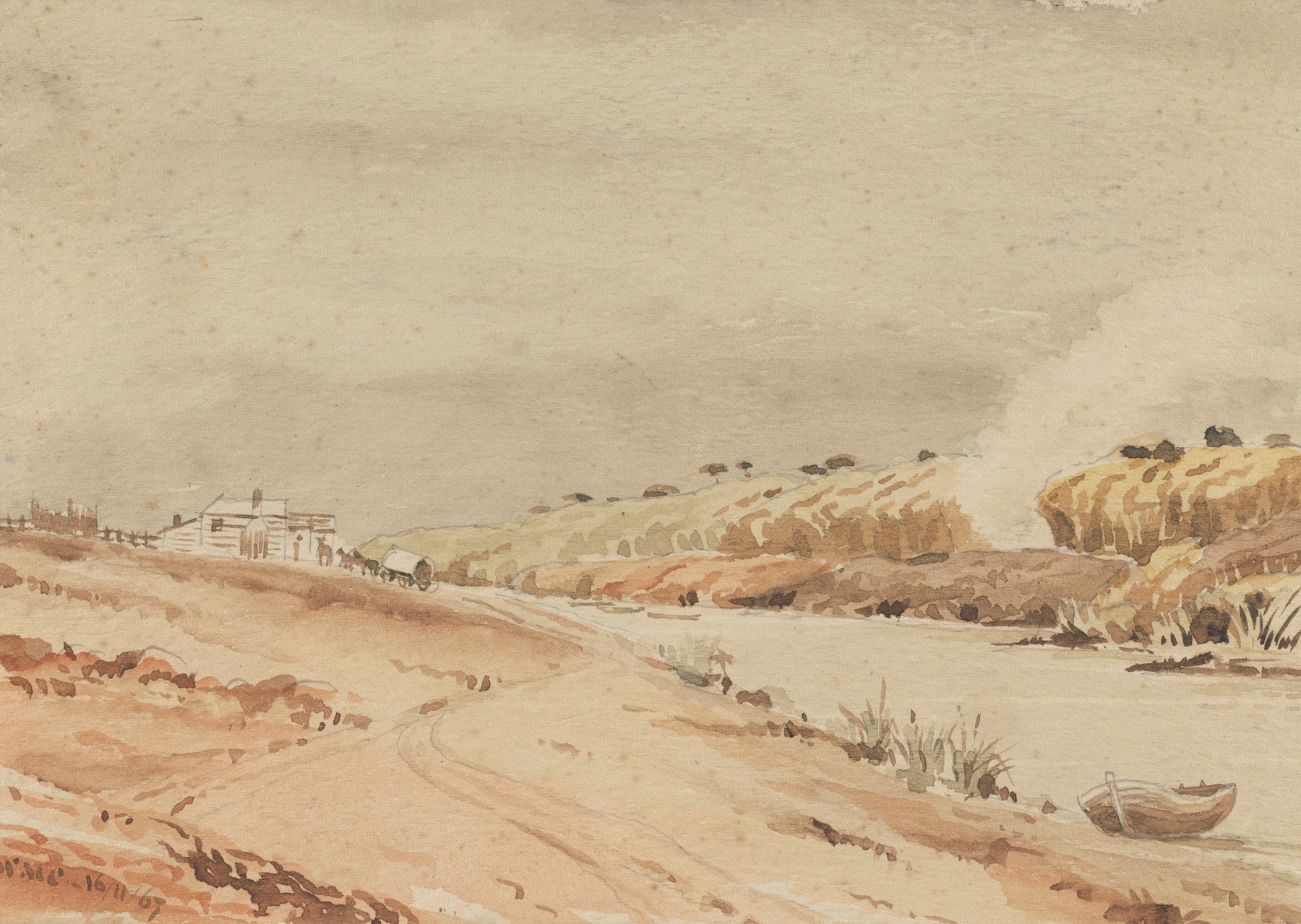
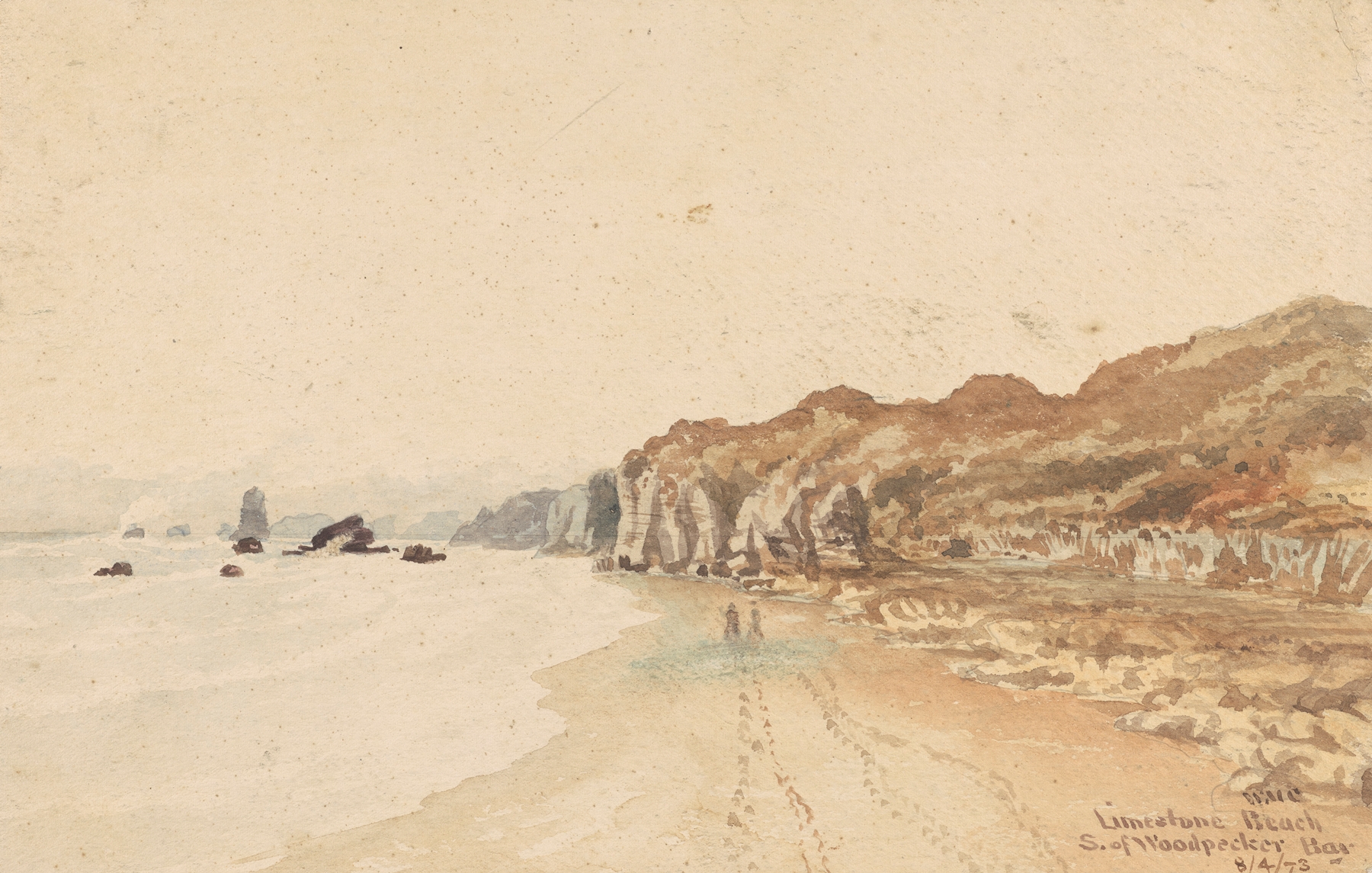
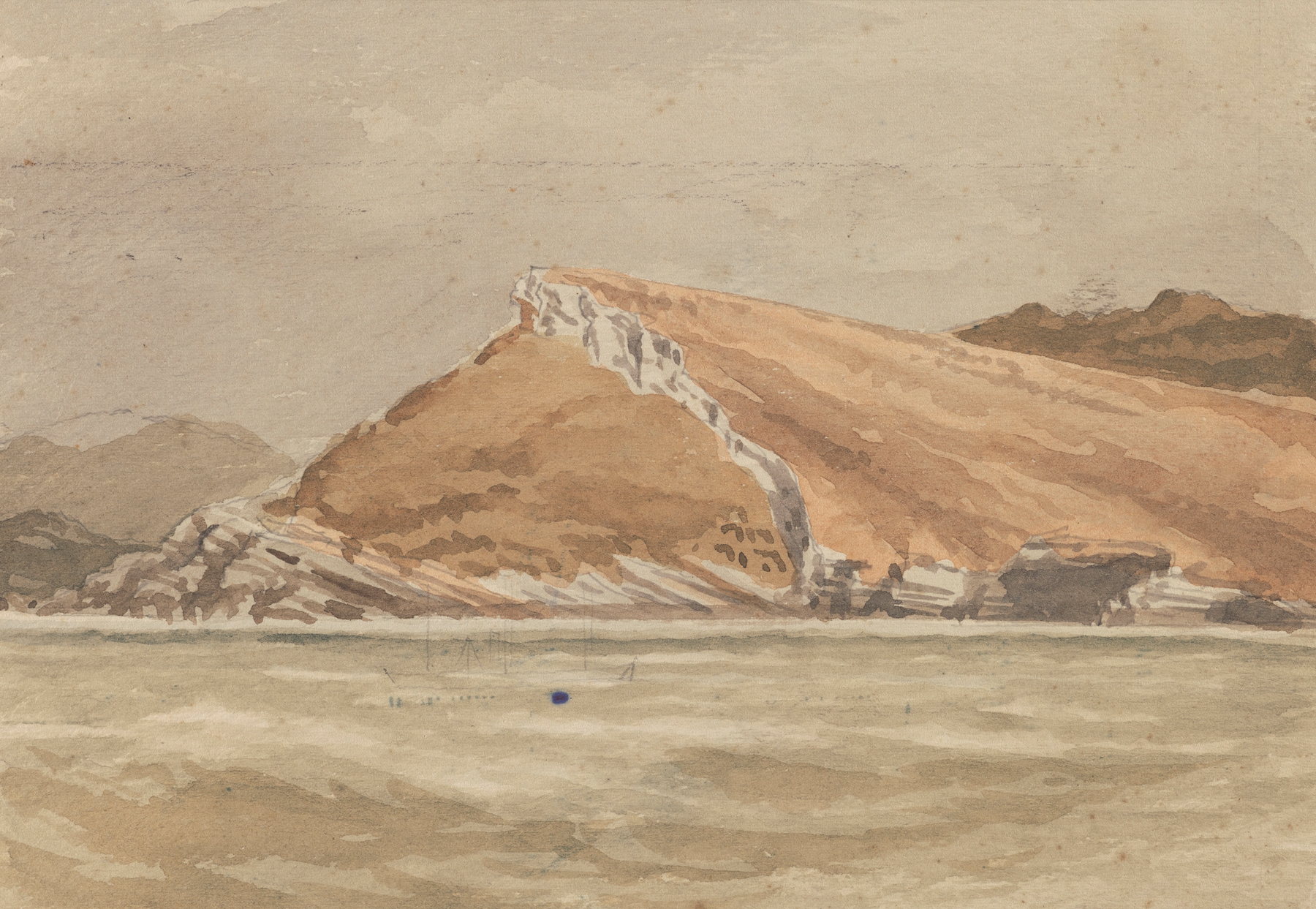
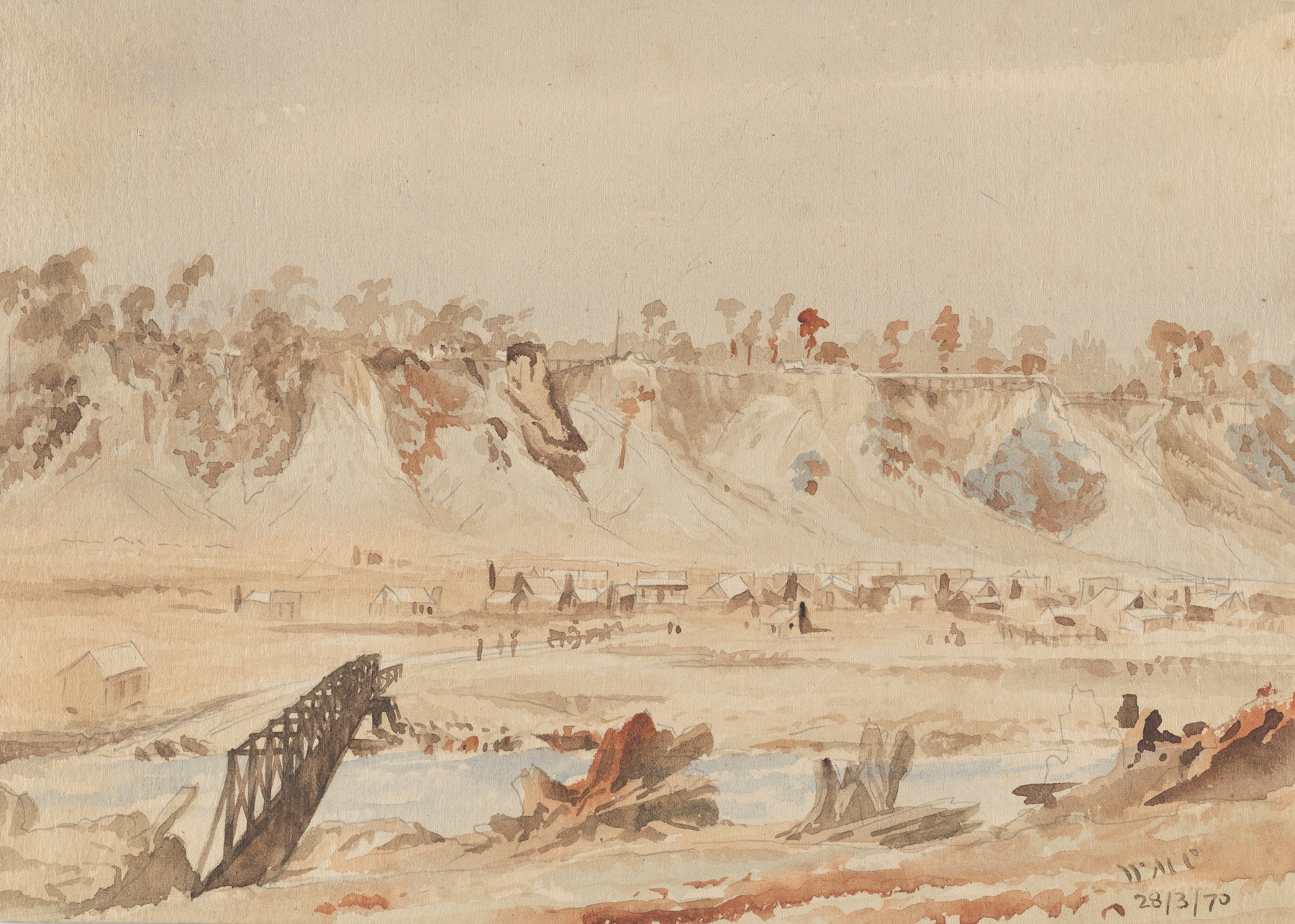
What if beauty was never meant to be finished? The ethereal quality of nature reveals itself in each brushstroke, whispering truths about divinity intertwined with impermanence. Look to the foreground where the smooth curves of the river embrace the ruggedness of the craggy cliffs. The artist's deft use of light accentuates the interplay of shadow and brilliance, guiding the eye to the shimmering surface of the water.
Deep greens and earth tones mingle with hints of azure, creating a harmonious balance that beckons the viewer into this tranquil yet tumultuous scene. As your gaze wanders, notice the delicate details—the tumultuous flow of the river that suggests both movement and serenity. There is tension in the juxtaposition of the firm cliffs and the fluid water, mirroring the struggle between the fixed and the transient. This duality invites contemplation on the nature of existence, hinting at the divine artistry behind the world and the fleeting moments we encounter within it.
William Marshall Cooper painted this work in 1873 while residing in New Zealand, a time when he was deeply influenced by the country’s breathtaking landscapes. As a part of the colonial artistic movement, he sought to capture the raw beauty of the land, reflecting broader trends in landscape painting of the era. This piece stands as a testament to both his skill and the unique cultural dialogue of his time.