Seascape — History & Analysis
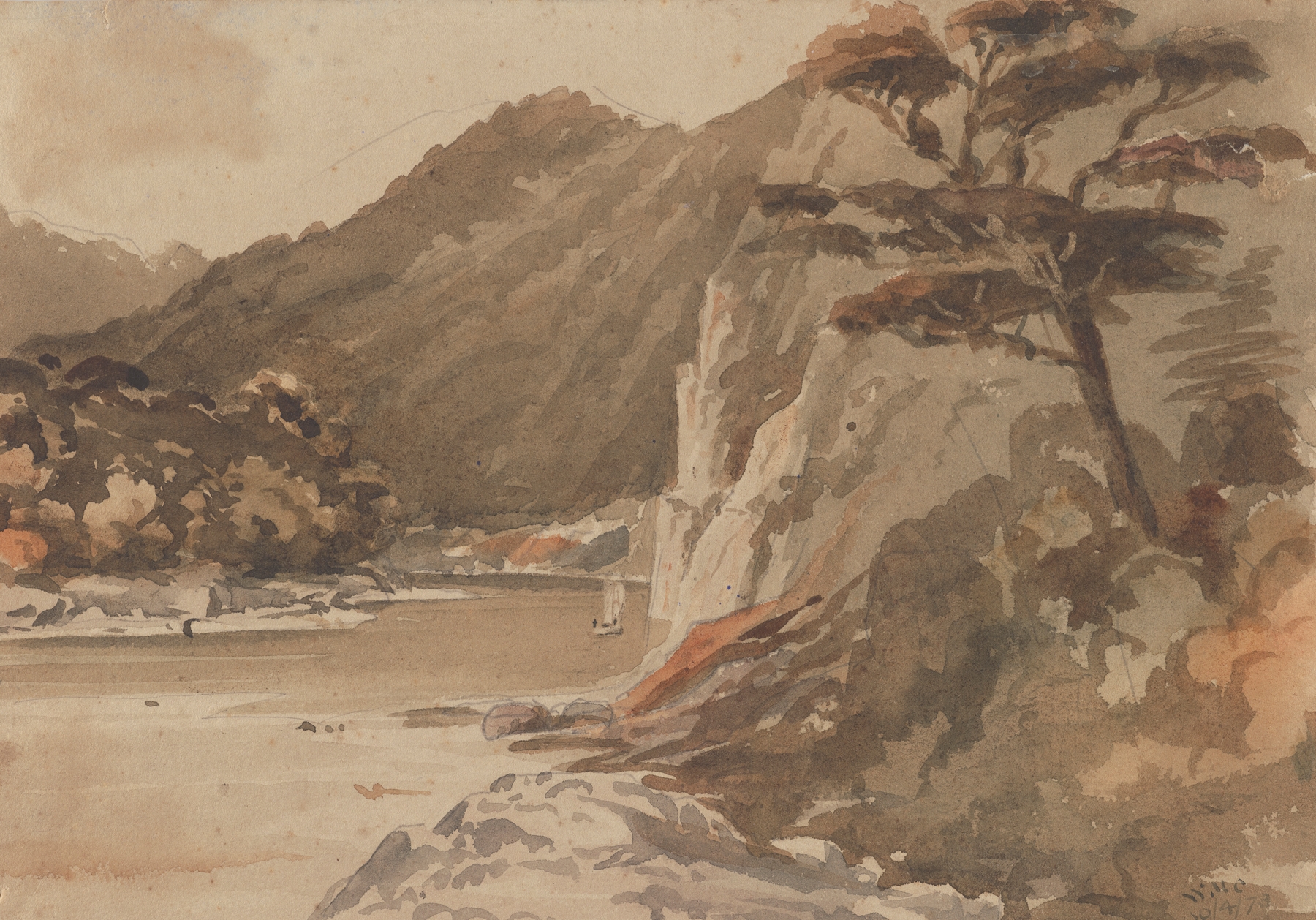
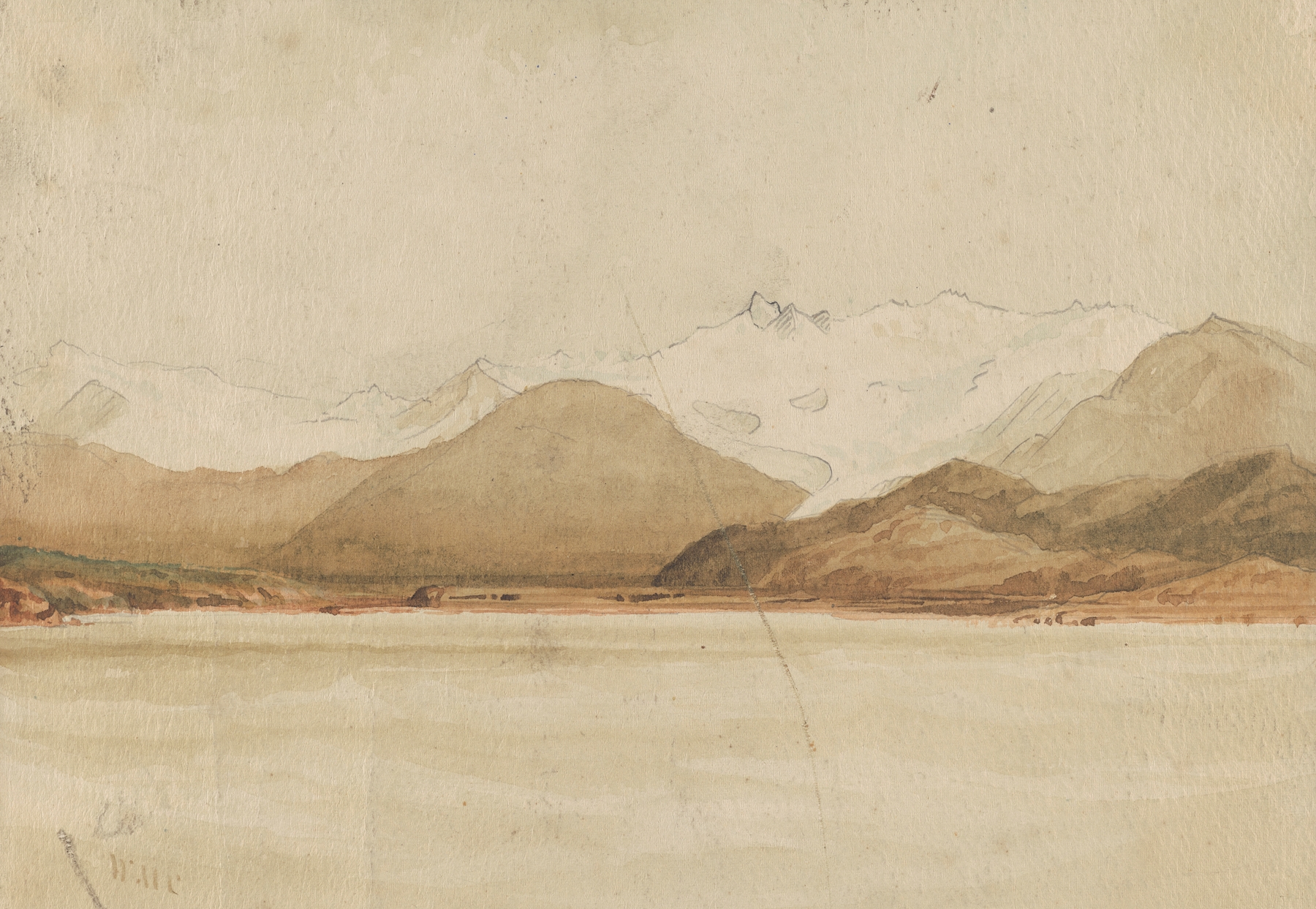
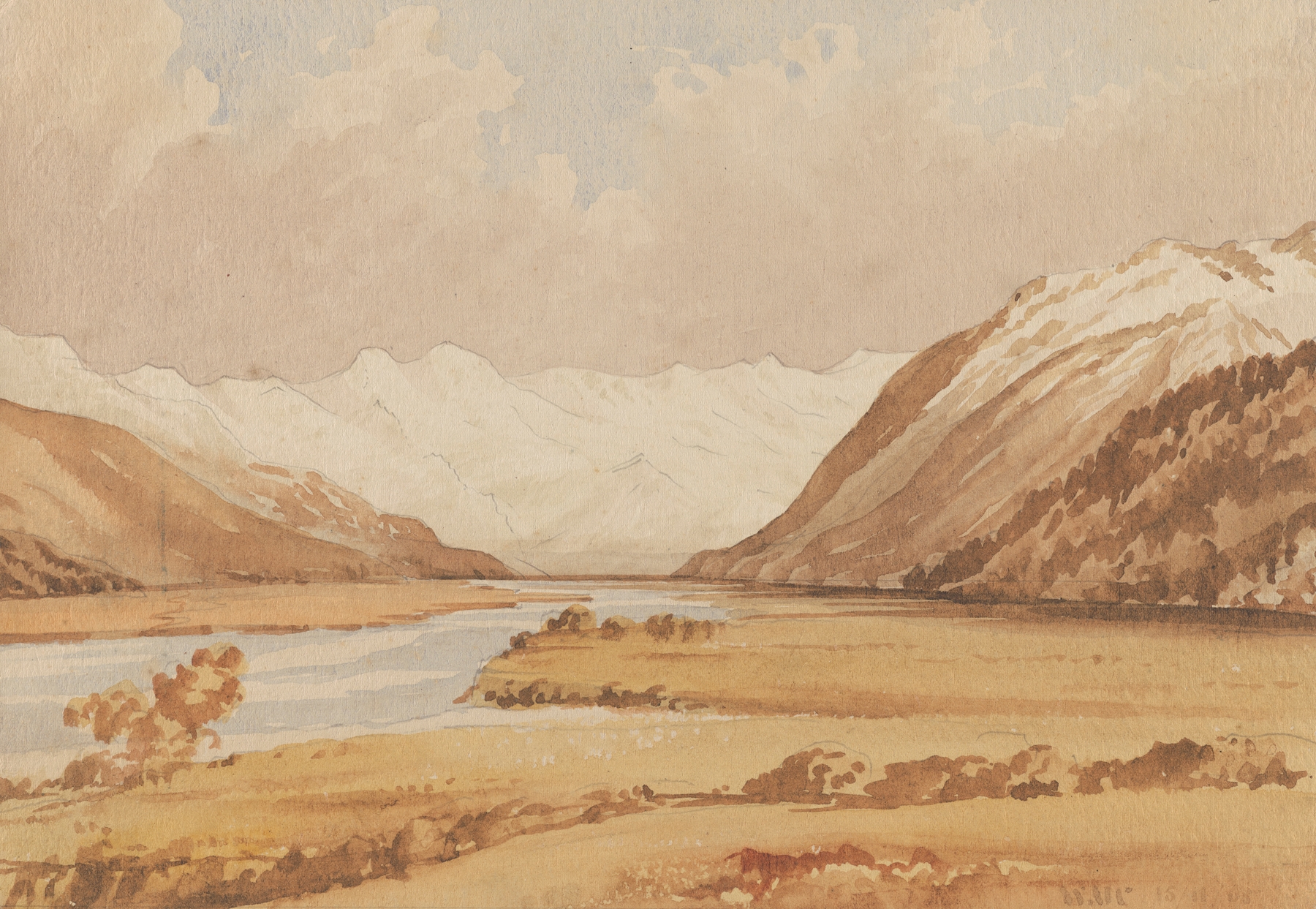
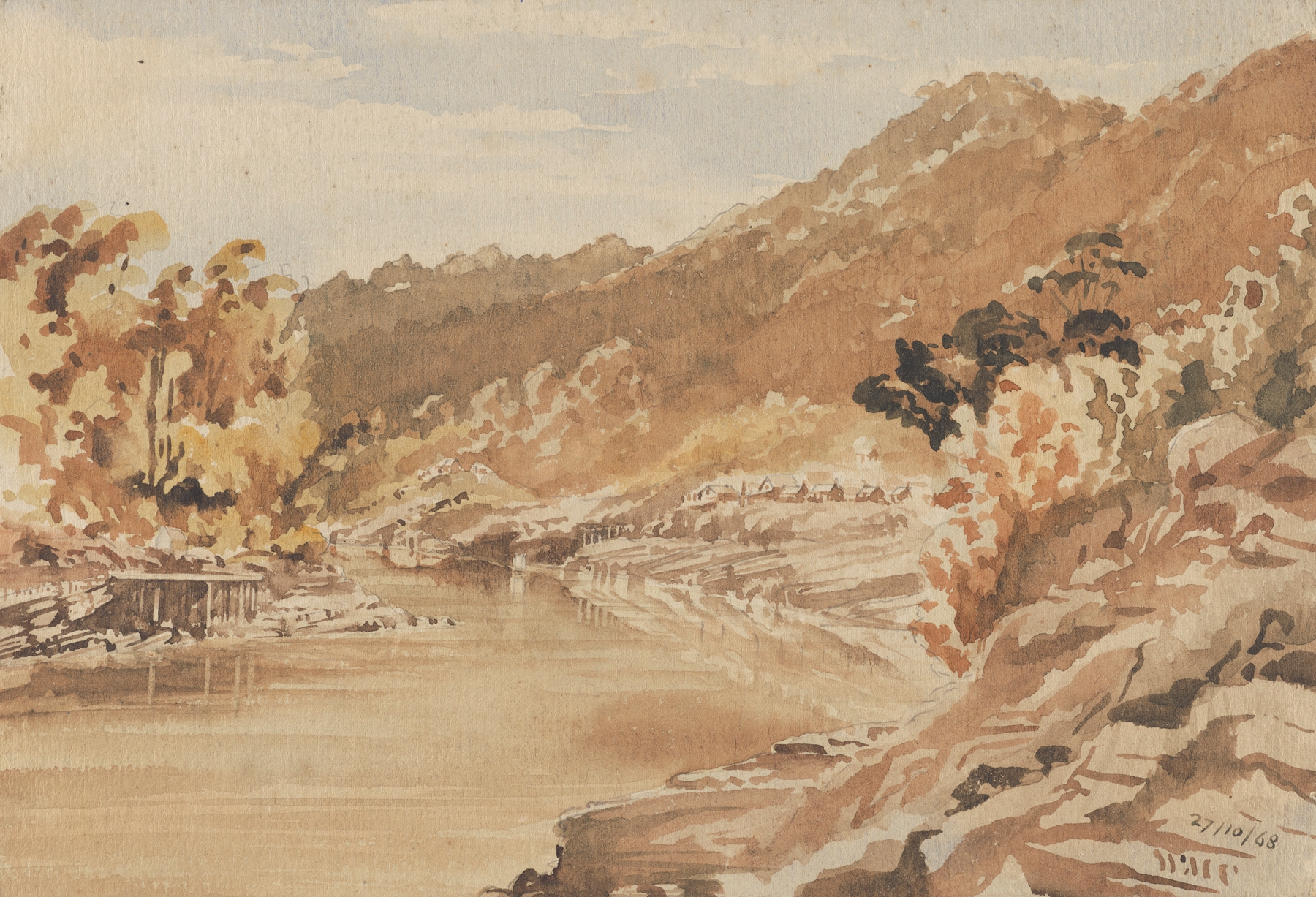
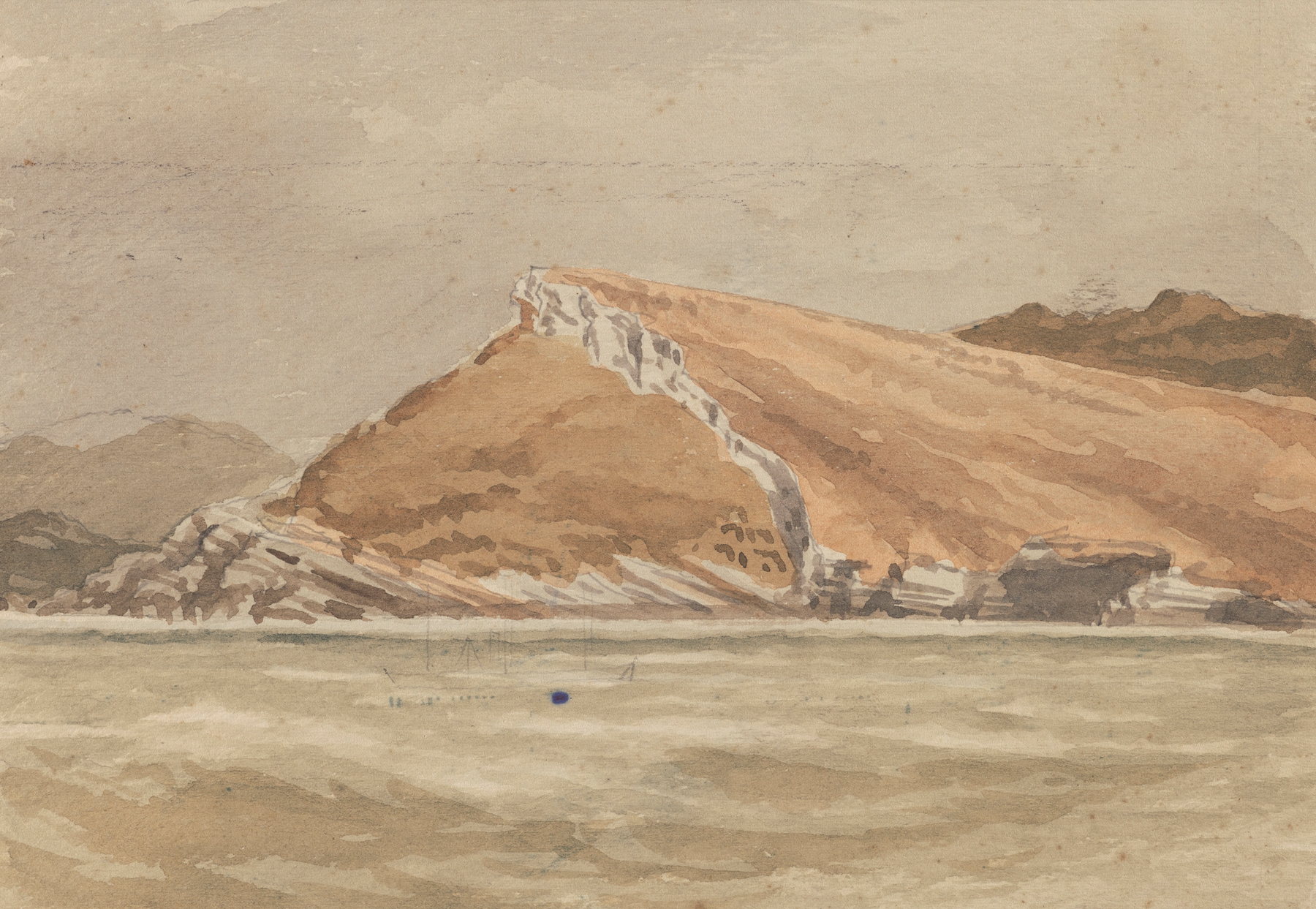
Could a single brushstroke hold eternity? In Seascape, the vast isolation of the ocean whispers to the soul, inviting contemplation on loneliness and the transcendent beauty of solitude. Look to the horizon where shades of blue and gray meld seamlessly, drawing the eye toward an infinite expanse. Notice the subtle transitions of color, a masterful technique that captures the essence of the sea's movement and mood.
Soft, sweeping strokes evoke gentle waves, while darker undertones suggest a brooding depth beneath the surface; the painter’s brush seems to breathe life into the water, inviting viewers to lose themselves in its depths. The painting resonates with a profound emotional tension, where the calmness of the water contrasts sharply with the feeling of isolation it elicits. Small, fleeting touches of white hint at the presence of distant sails, yet they remain mere specters on the horizon, emphasizing the absence of human connection. This delicate balance between tranquility and longing speaks to the universal experience of solitude—an inner yearning that echoes across time and space.
Created in an uncertain period of art history, William Marshall Cooper painted Seascape during a time of personal exploration and experimentation. Working in the late 19th century, he was part of a movement that sought to capture the sublime beauty of nature, reflecting both personal and collective struggles. This artwork reveals his deep emotional response to the landscape, as well as the broader context of artists who were redefining their relationship with the natural world.