Coast Scene — History & Analysis
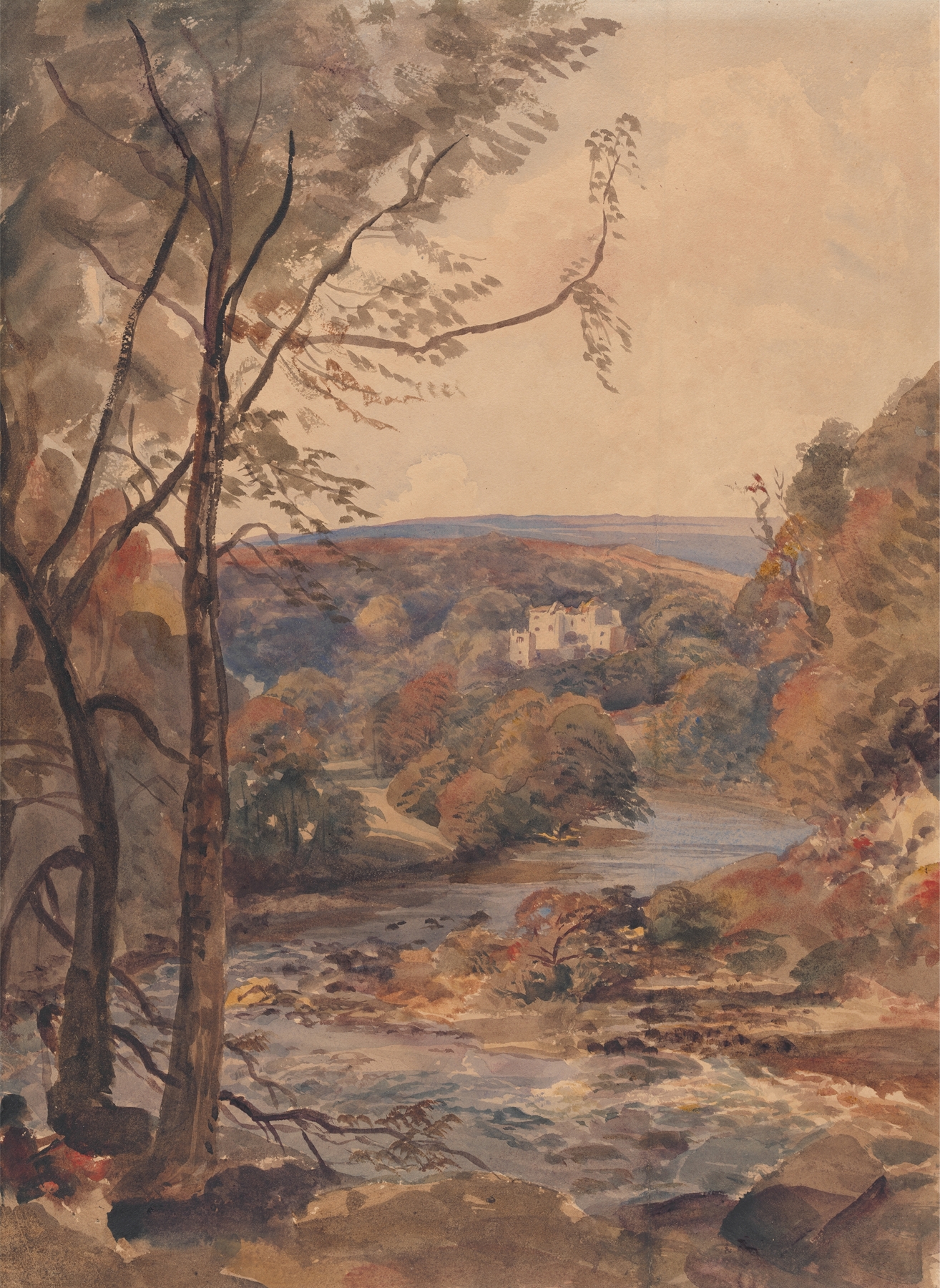
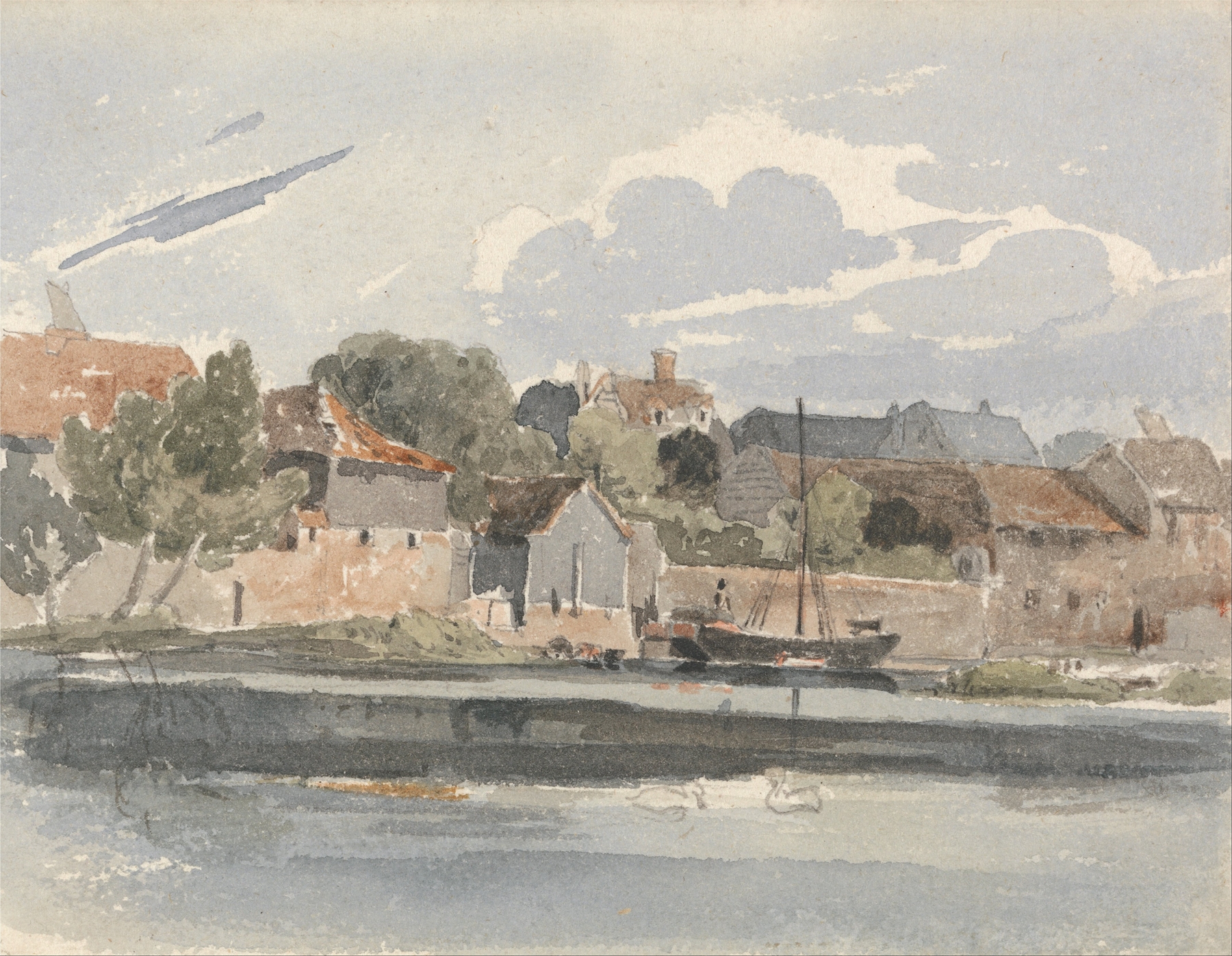
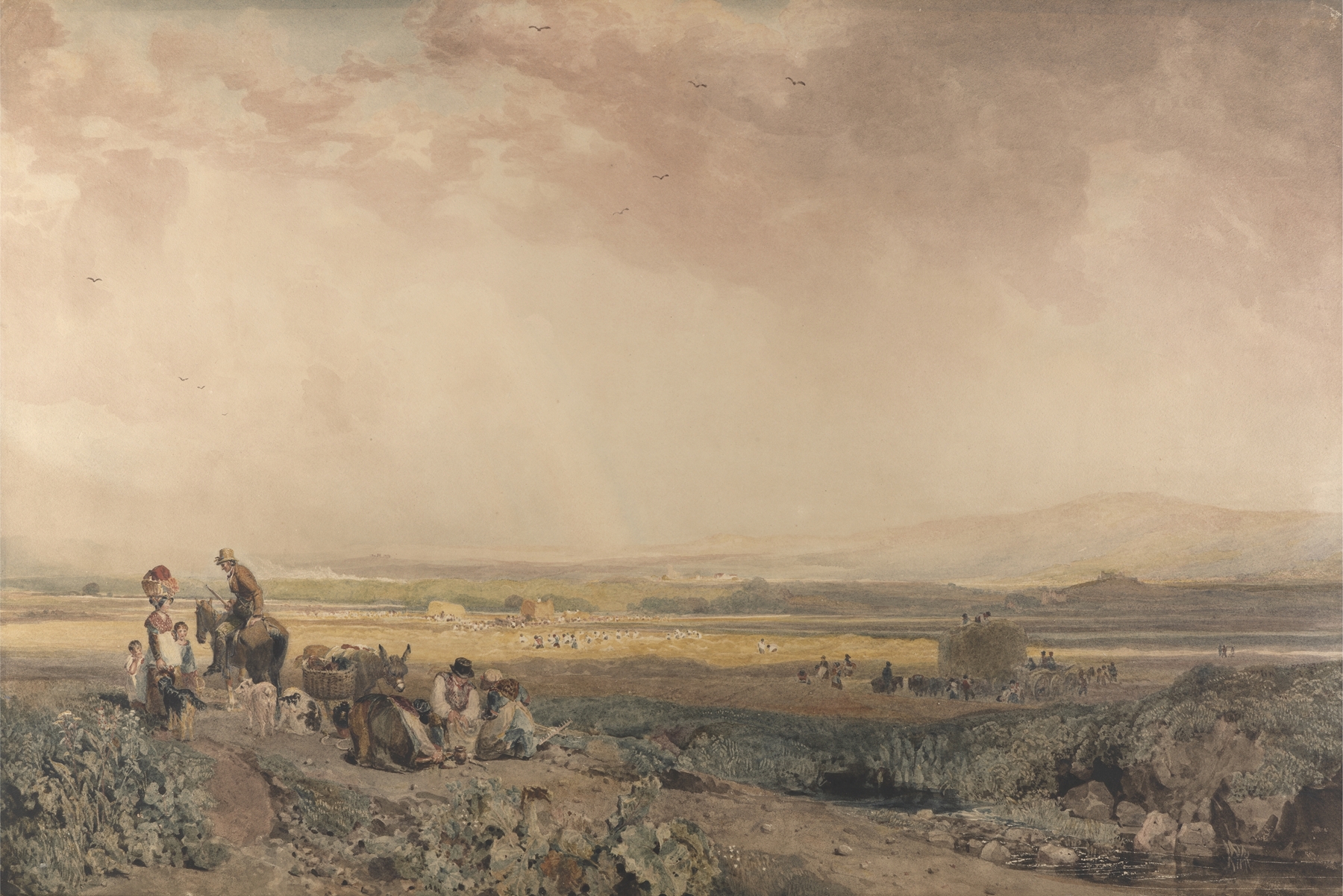
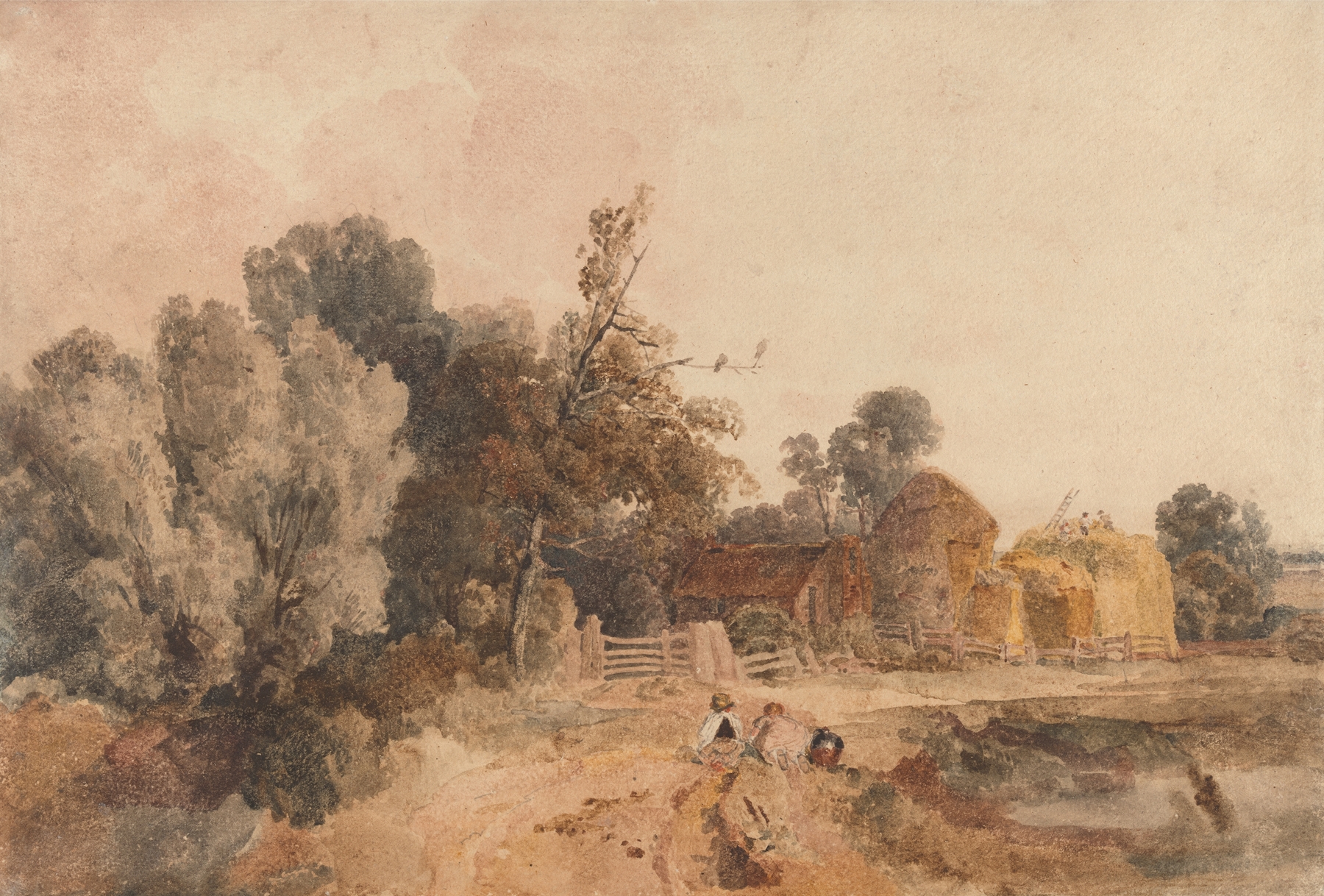
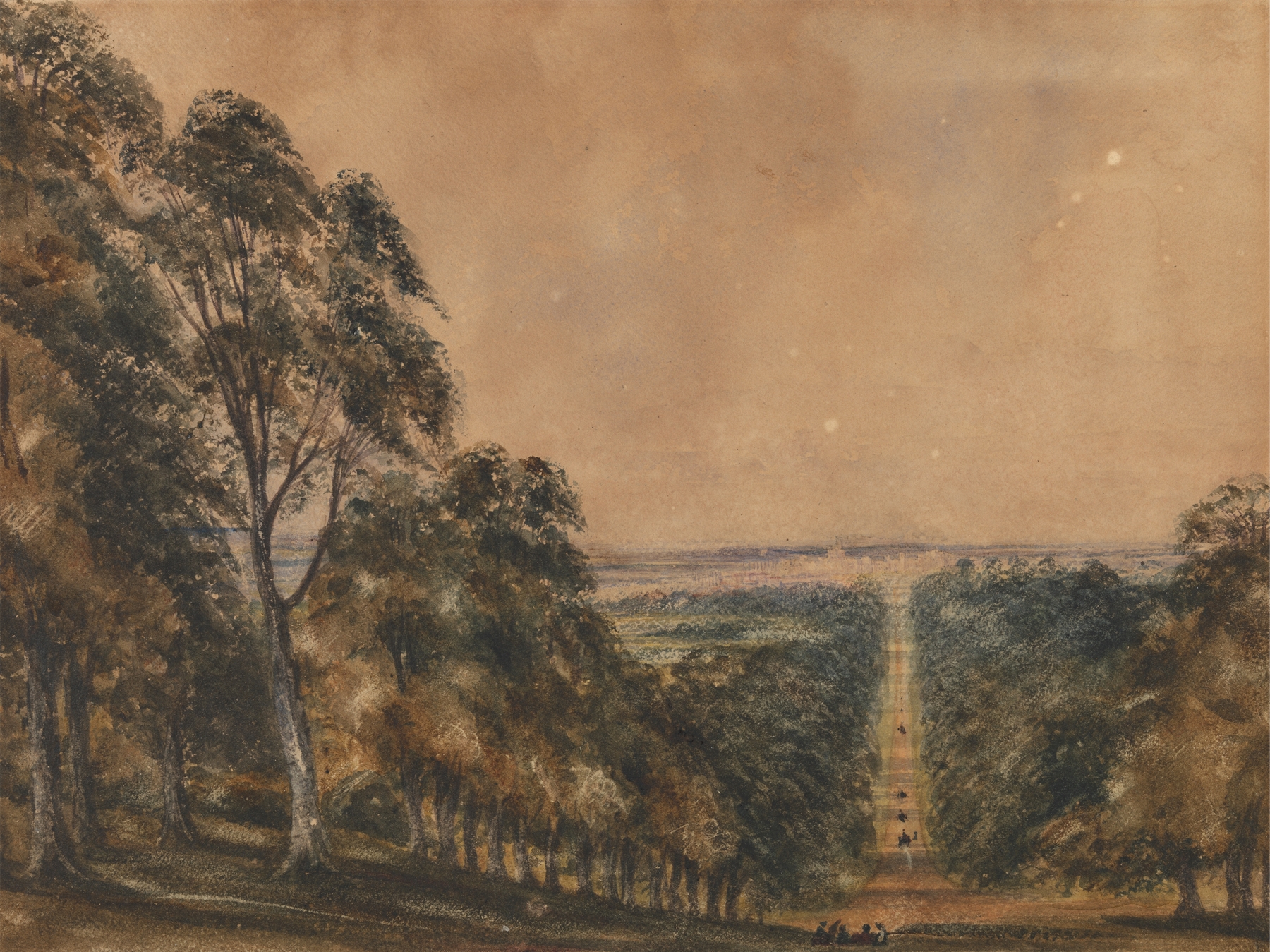
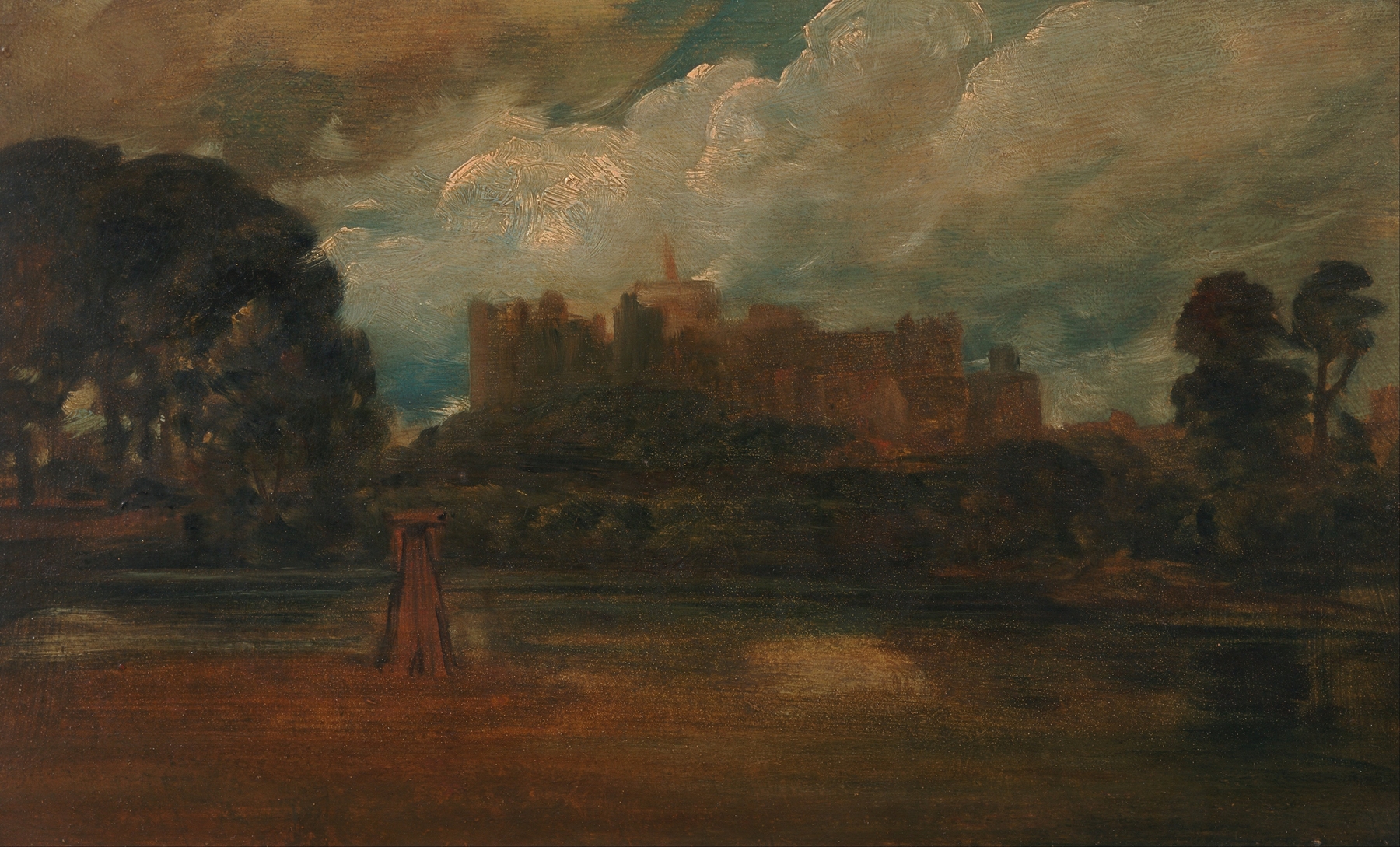
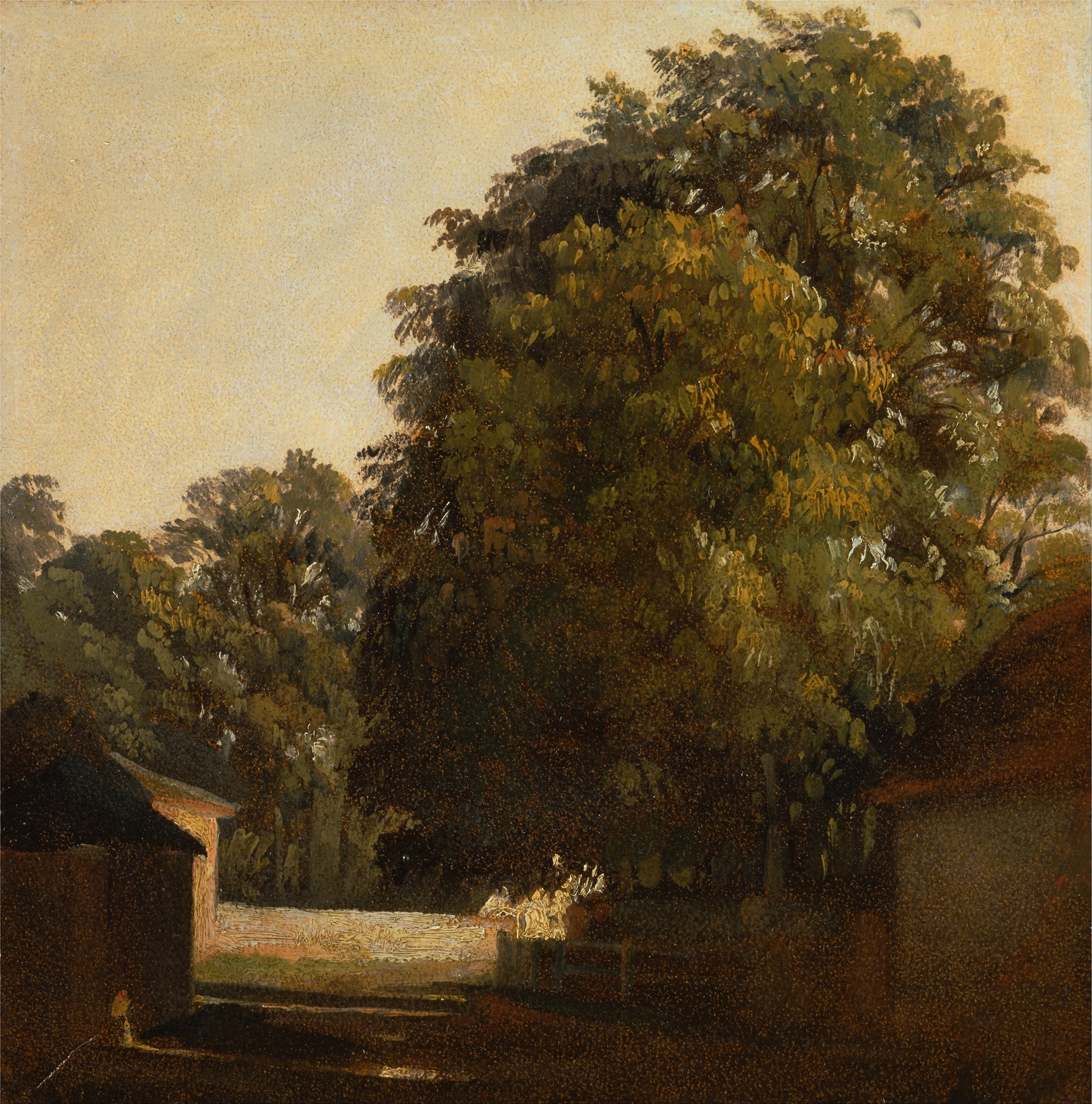
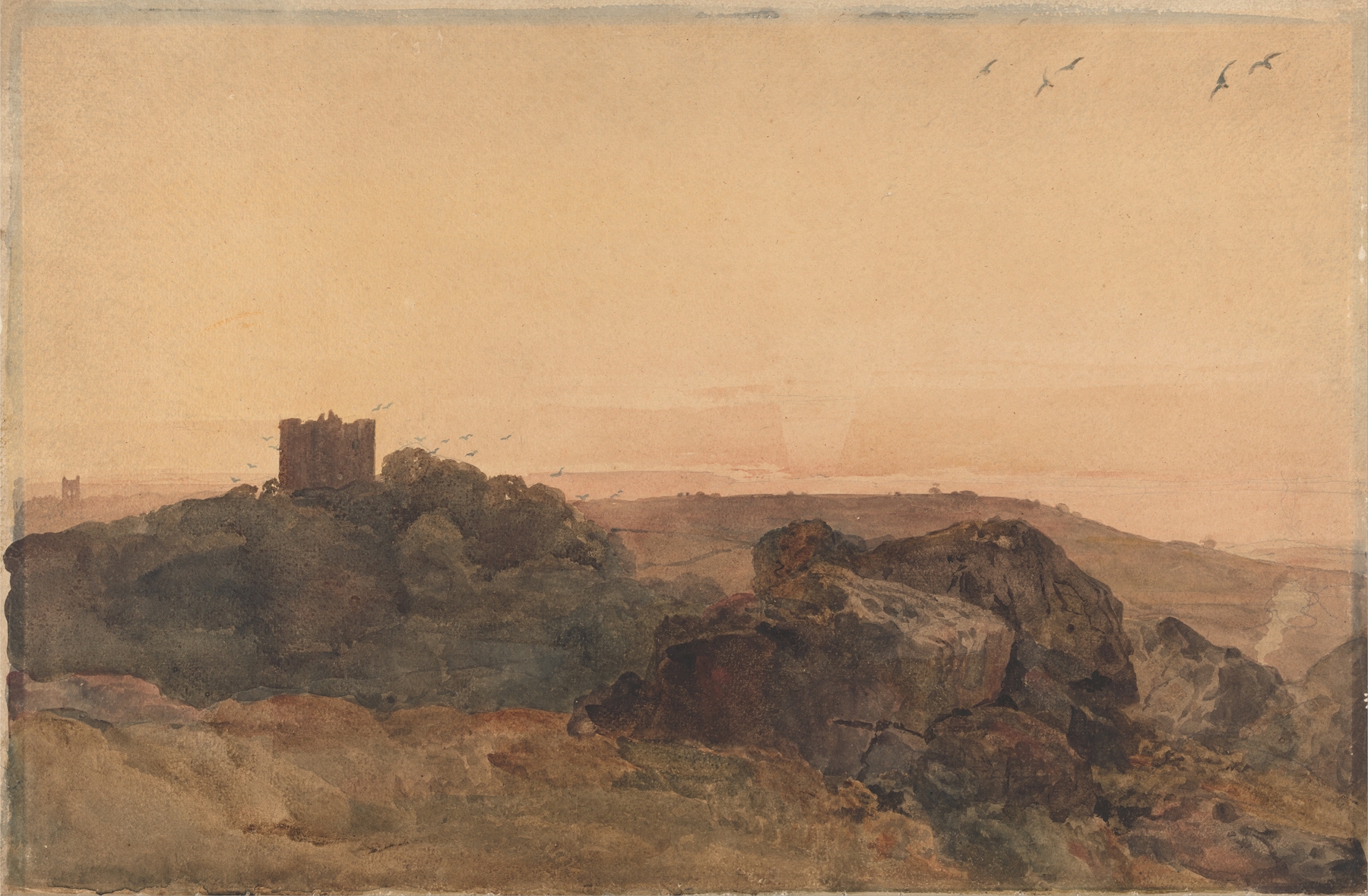
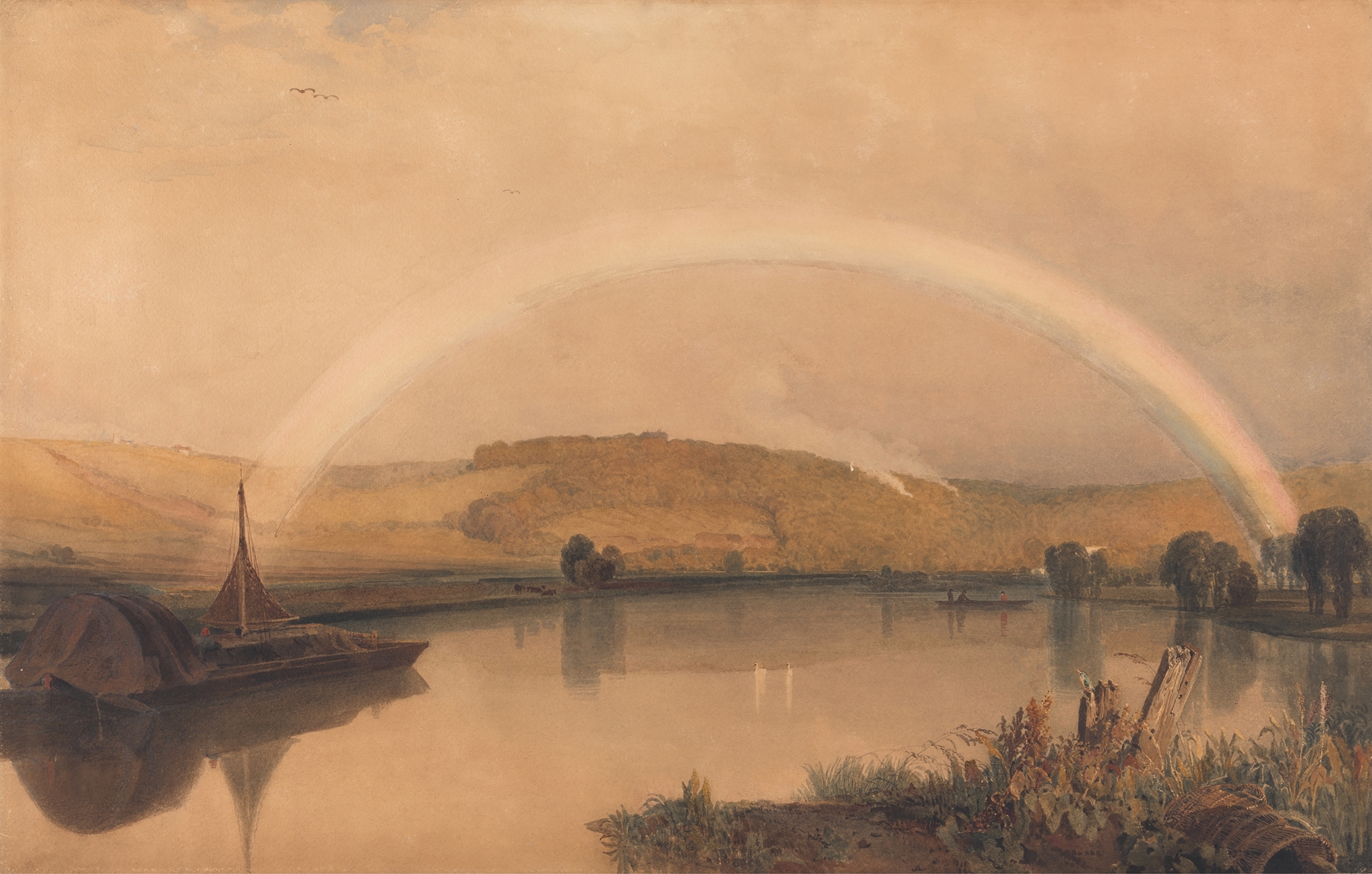
“Every silence here is a confession.” In the tranquil embrace of nature, the mind stirs with the whispers of revolution lying beneath the surface of calm waters. The stillness is not merely absence; it is a profound tension, pregnant with meaning and unspoken change. Look closely at the horizon where land and sea meet, painted with soft, sweeping strokes that blend shades of blue and green. The gentle waves lap against a rocky shore, while the sky above, with its delicate clouds, seems to echo the stillness below.
Notice how the light subtly dances on the water’s surface, drawing your gaze to the interplay of shadow and illumination—an invitation to delve deeper into the emotional landscape DeWint crafted. Yet, amid the idyllic scenery, one can sense a deeper narrative. The contrast between the serene beauty of the coast and the ruggedness of the rocks speaks to the duality of nature—its ability to nurture and destroy.
The calmness of the scene hints at an undercurrent of unrest, a silent call for transformation that beckons viewers to reflect on their own lives and the world around them. During the early 19th century, while creating this piece, DeWint was immersed in the Romantic movement, which emphasized emotional depth and the sublime aspects of nature. Living in England, he was also influenced by the growing industrial revolution, which contrasted sharply against the serene landscapes he depicted, capturing the tension between progress and preservation in a rapidly changing world.