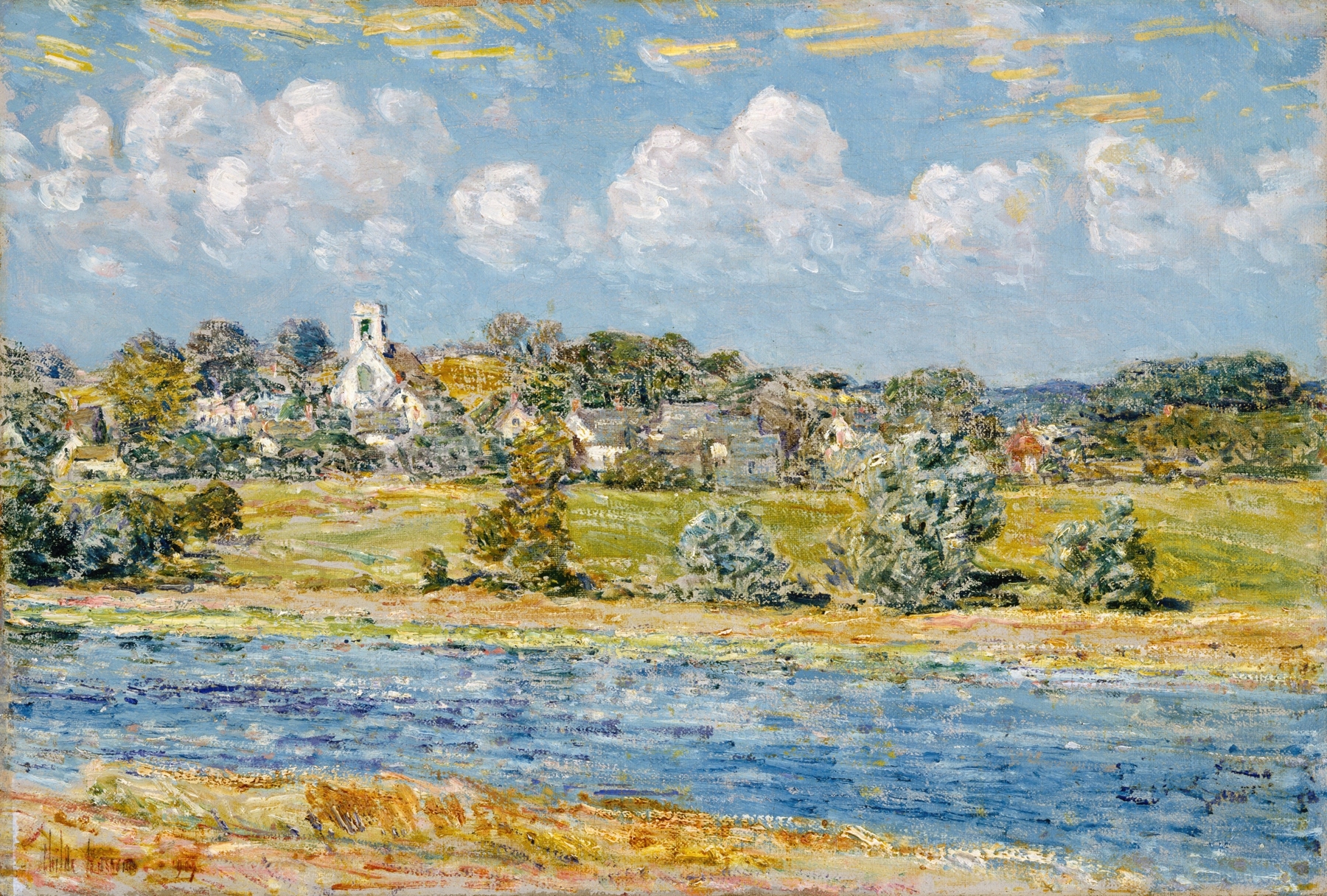
Columbian Exposition, Chicago — History & Analysis
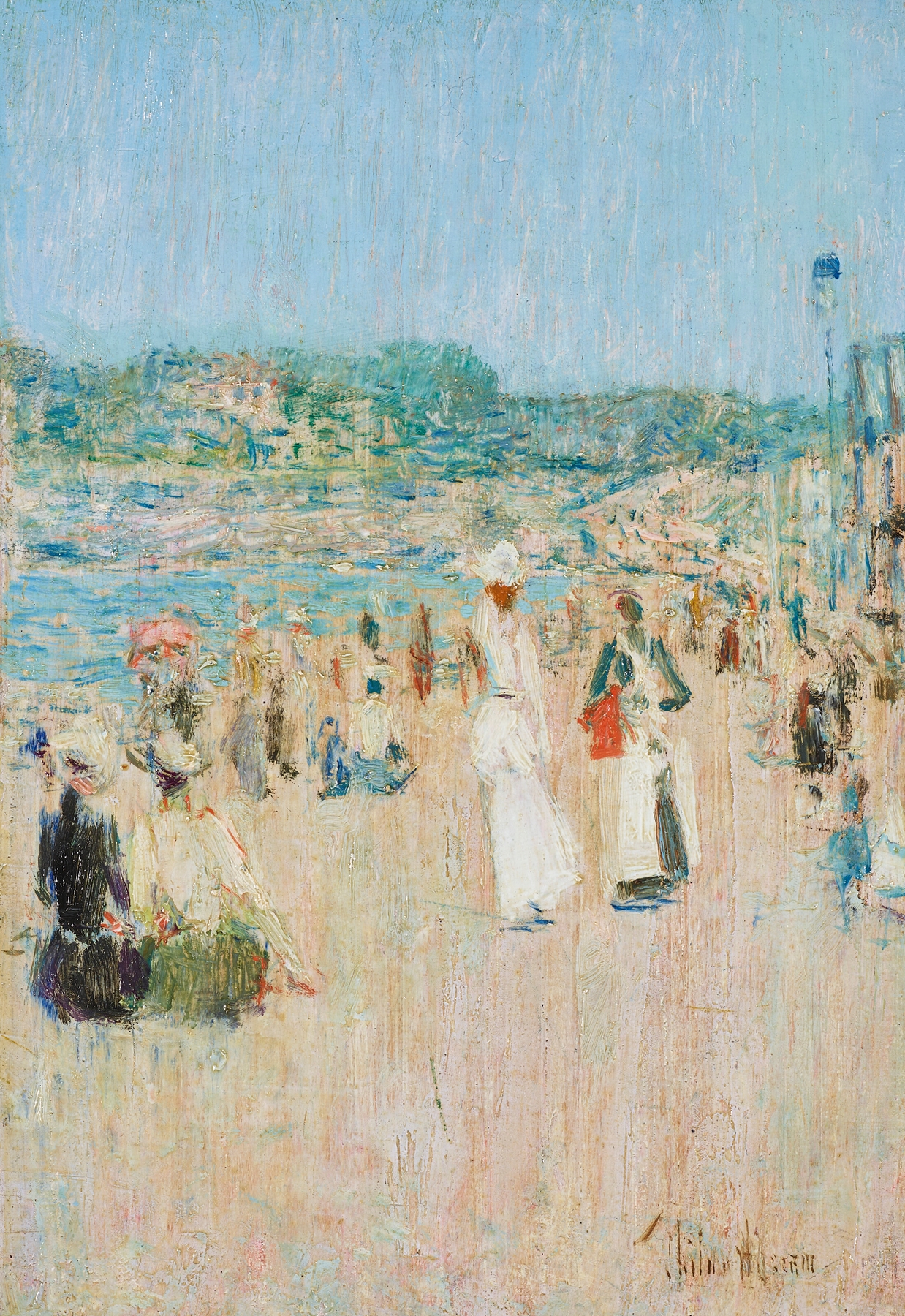
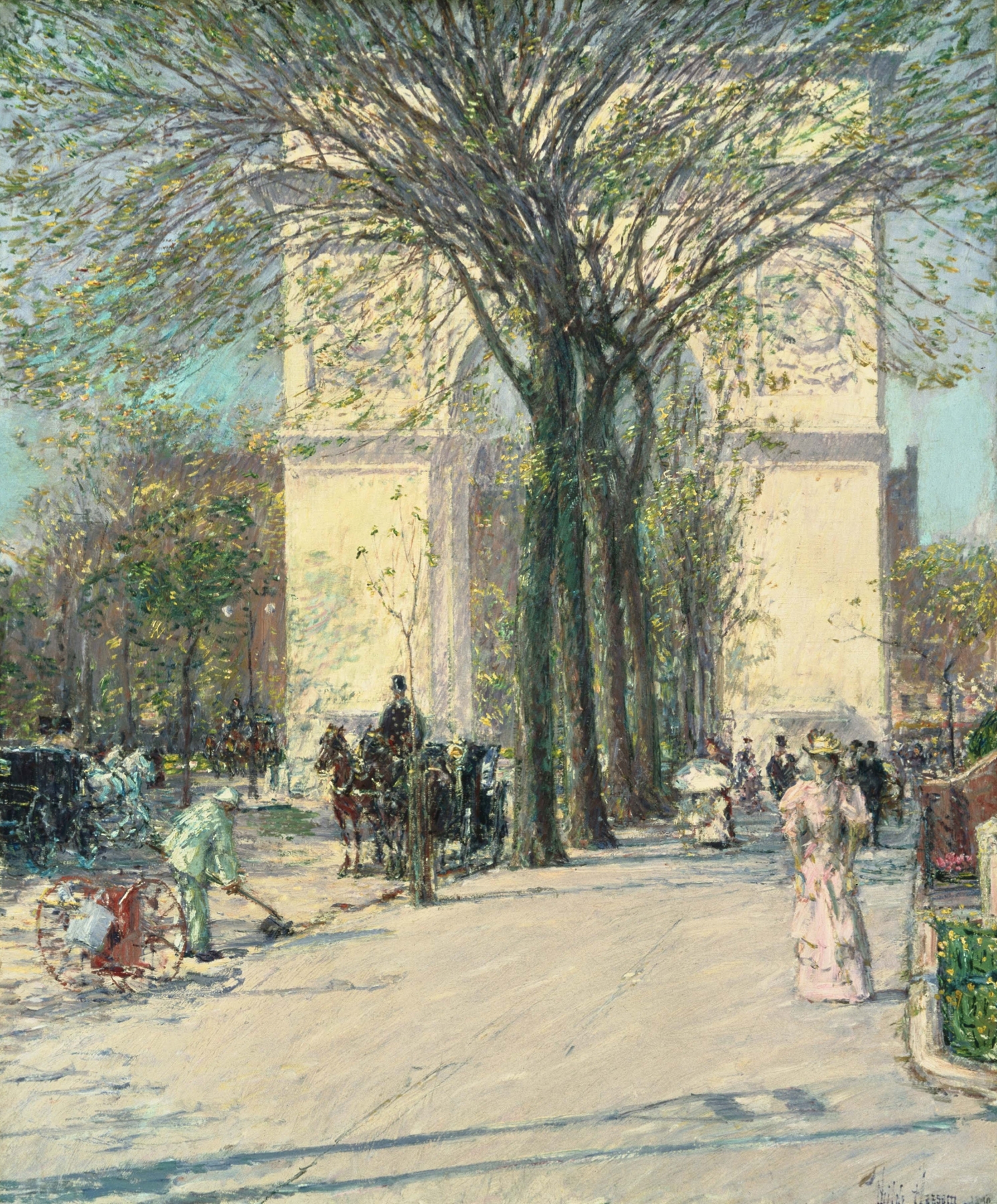
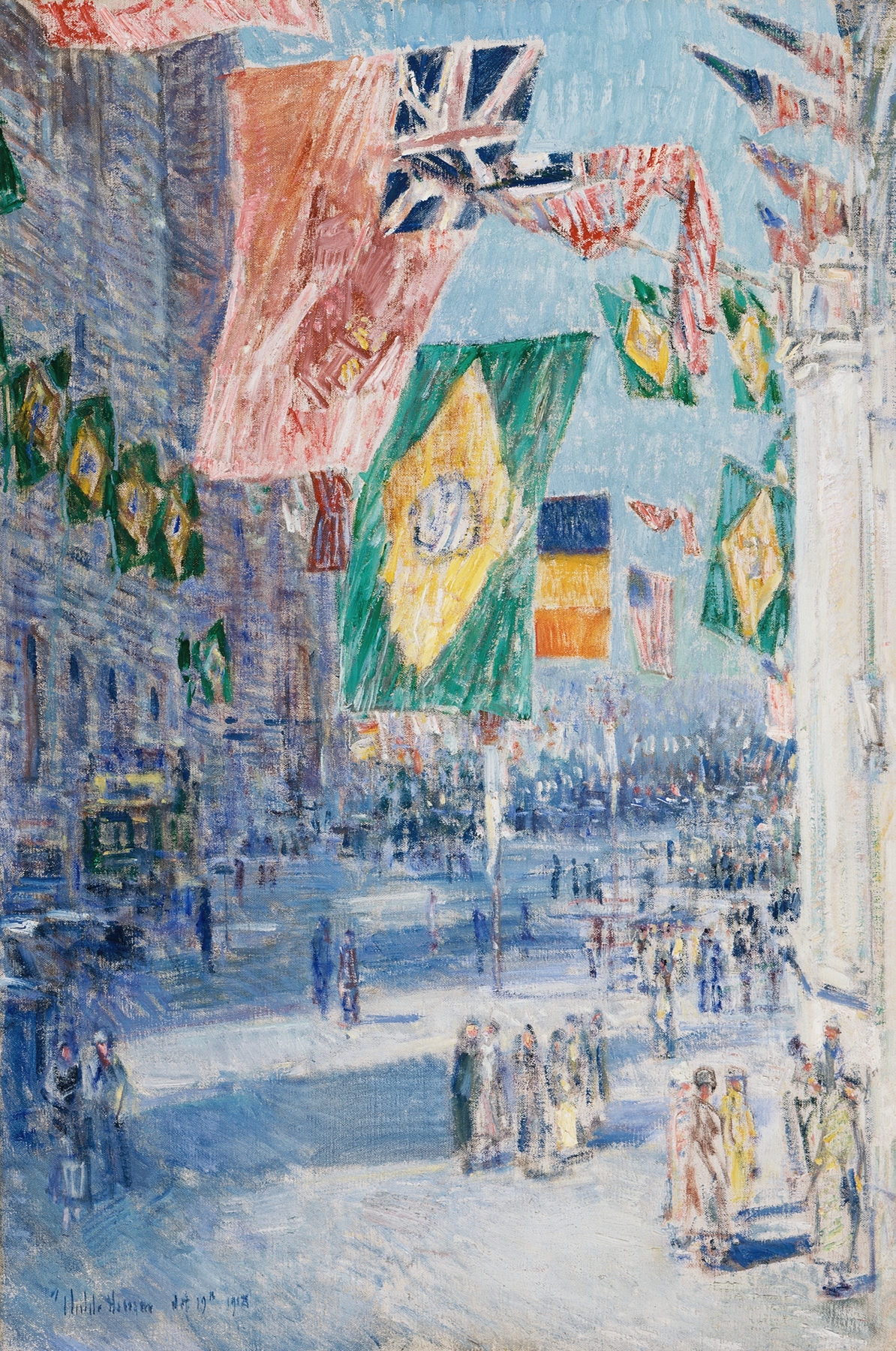
“The canvas doesn’t lie — it simply waits.” Each stroke of paint captures a moment of awe, inviting us to witness the grandeur of human achievement amid nature’s splendor. Look to the left at the vibrant flags that flutter and dance, their colors vivid against the pale blue sky. The towering structures rise majestically in the background, their intricate details drawing the eye upward. Notice how the warm sunlight bathes the scene, casting long shadows that hint at the excitement and energy of the Exposition, while the lush greenery below contrasts with the manmade marvels above.
Within this lively composition, a sense of harmony and tension emerges. The juxtaposition of the ornate architecture against the serene landscape speaks to the duality of progress and nature. Subtle figures amble through the scene, embodying the spirit of exploration and discovery, while the rhythmic flow of clouds overhead seems to echo the pulse of a world on the brink of modernization.
Childe Hassam painted this work in 1892 during a period of great artistic innovation and social change in America. Living in New York City, he was deeply influenced by the cultural shift brought about by the Columbian Exposition, which celebrated the 400th anniversary of Columbus's arrival in the New World. This event not only showcased advancements in art and architecture but also marked a pivotal point in American identity, as the nation began to embrace its role on the global stage.