Country Lane, Rockport — History & Analysis
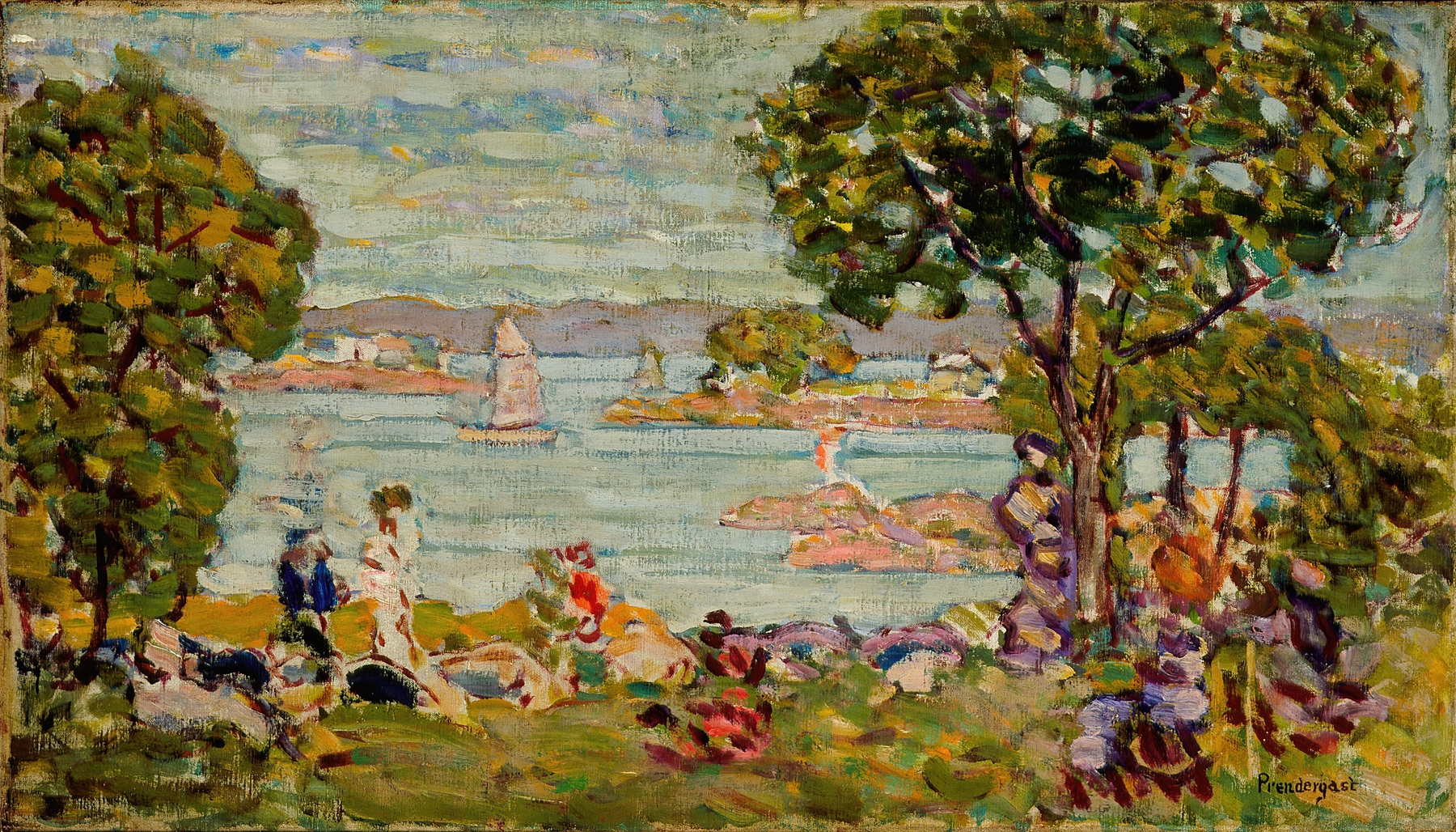
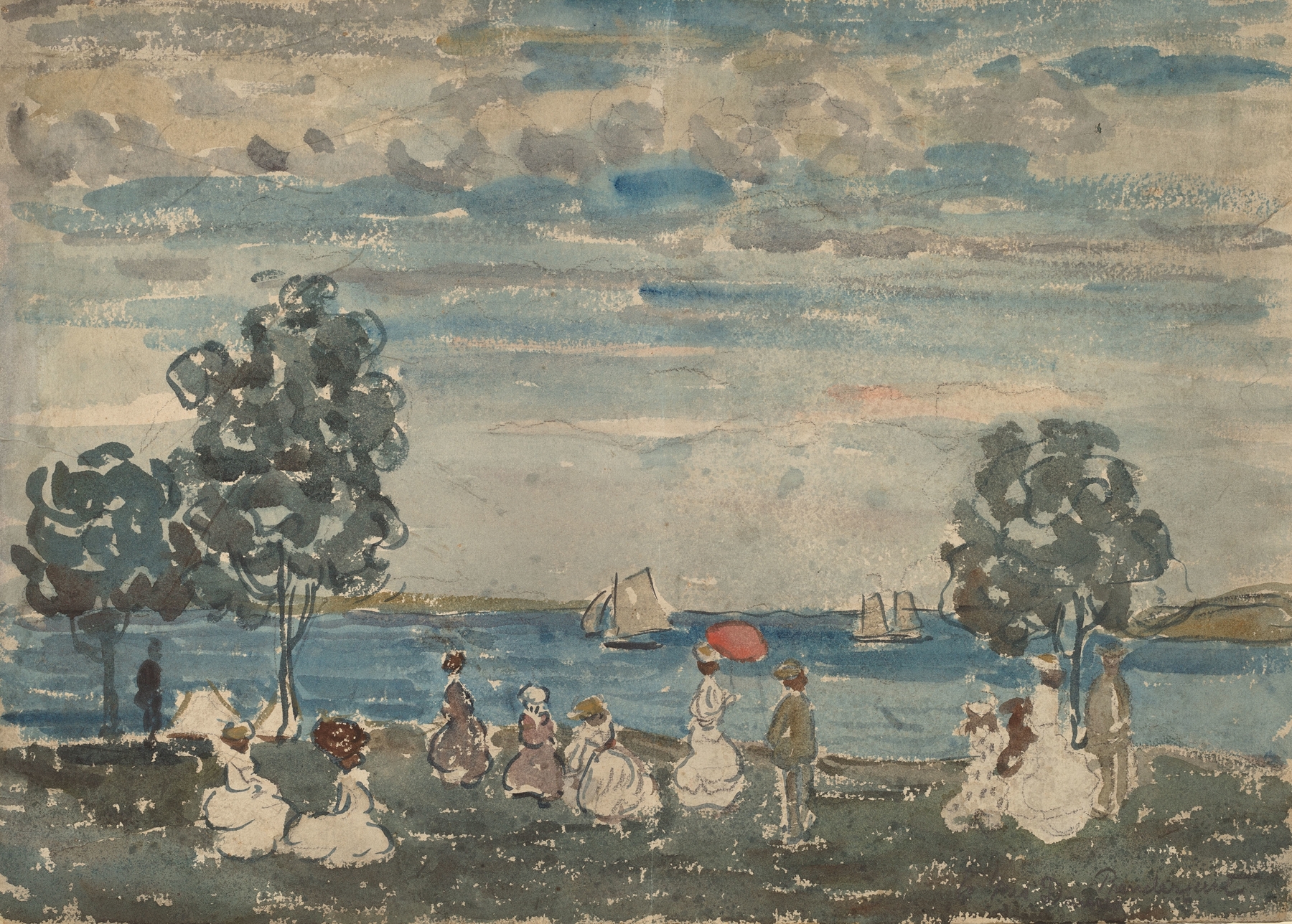
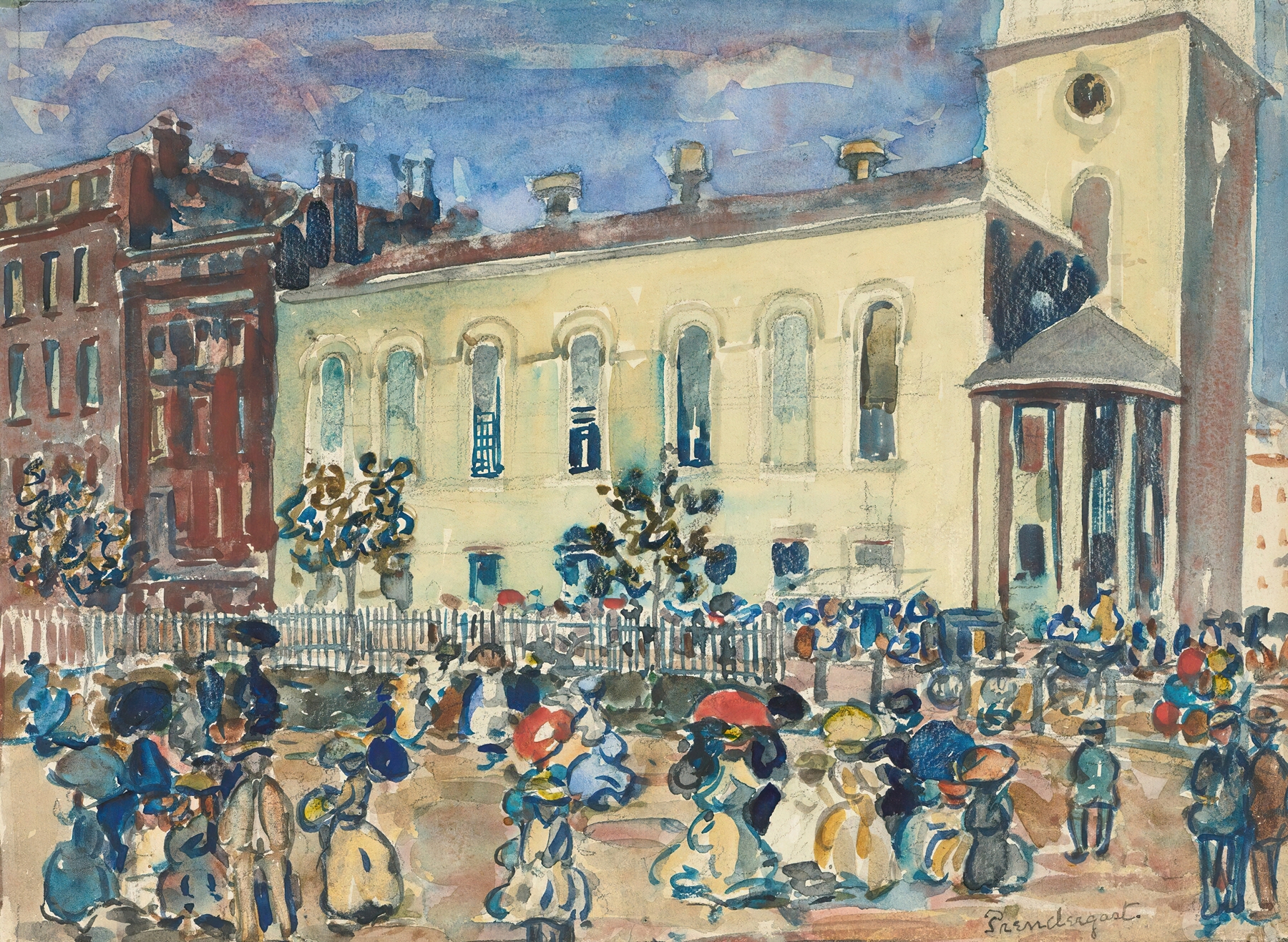
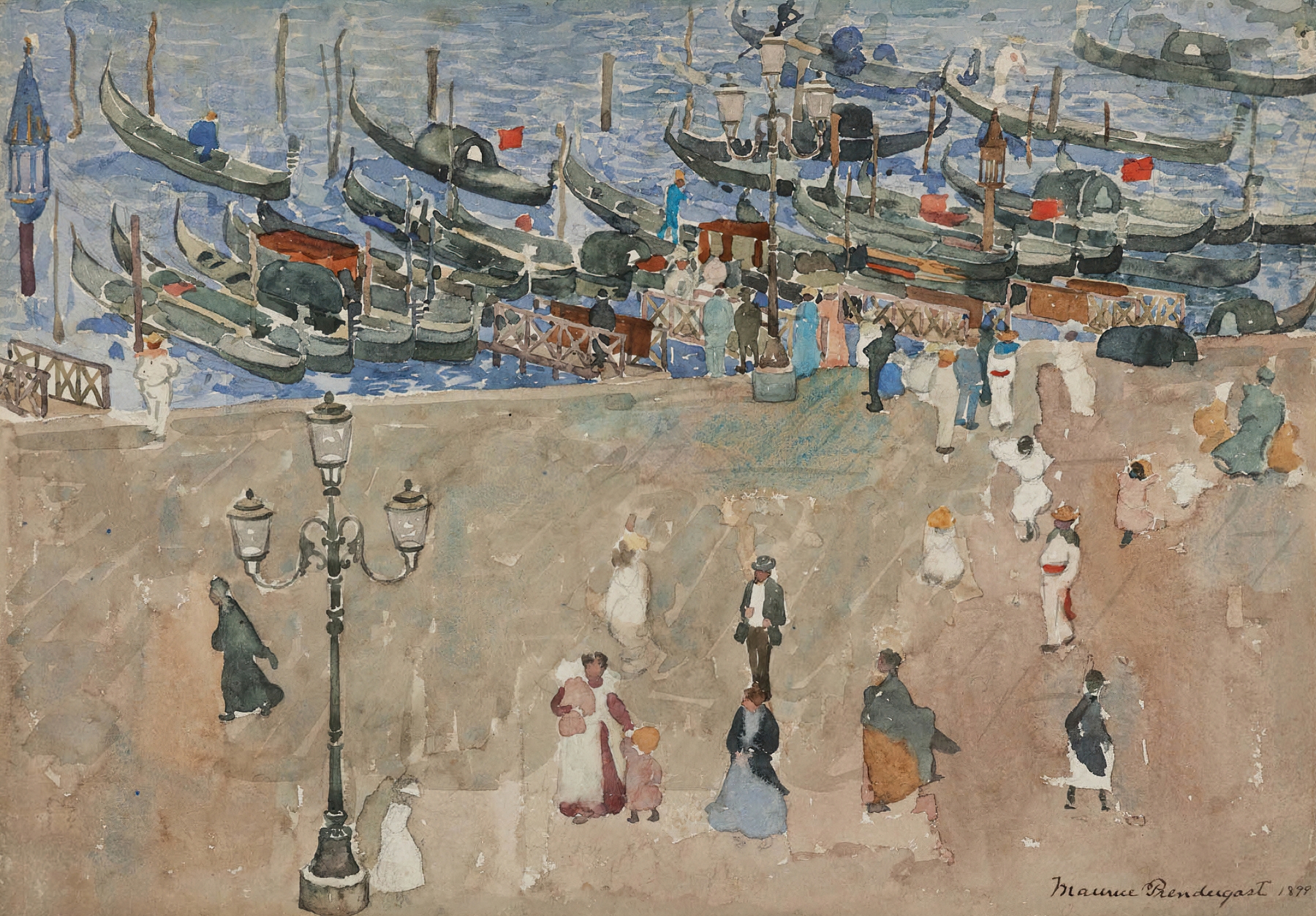
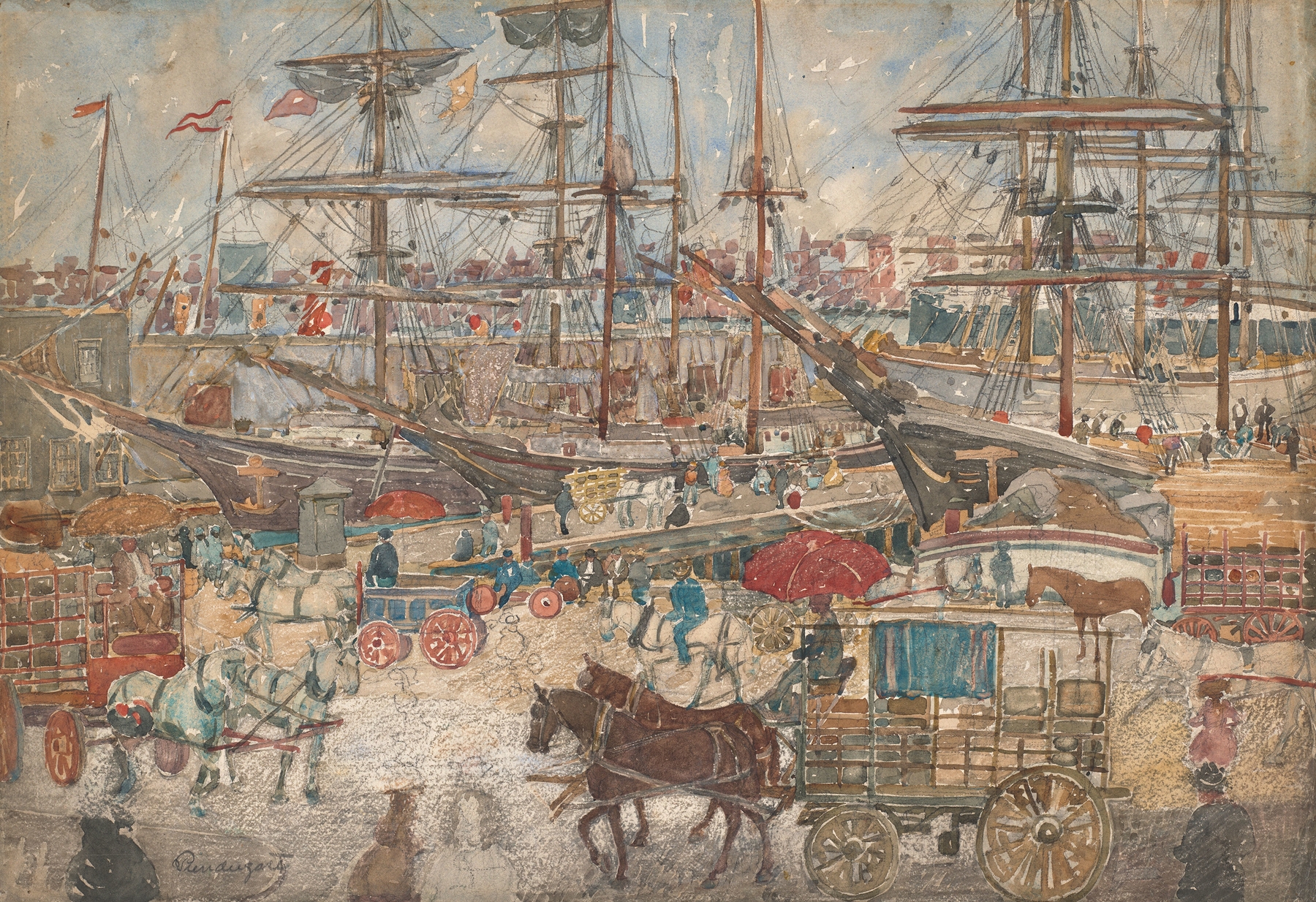
“Art reveals the soul when the world turns away.” In moments of quiet chaos, can beauty coexist with madness? Look to the left, where vibrant splashes of color burst forth from the canvas, enveloping a winding lane that beckons with its promise of tranquility. The interplay of thick brushstrokes creates a sense of movement, almost as if the viewer can feel the gentle breeze rustling through the trees. Notice how the sunlight dapples the path, illuminating the lush greens and warm earth tones, while the figures scattered along the lane seem to dance amid nature’s embrace, their colored garments blending into the landscape. Yet beneath this joyous façade lies an unsettling tension, a reminder of the madness lurking within the idyllic scene. The distorted angles and whimsical brushwork suggest a world where reality bends, hinting at the artist’s perception of a joyful yet chaotic universe. The scattered figures may represent the fragmented essence of human connection, as they swirl around the lane, always in motion yet never truly interacting, amplifying the notion of isolation hidden behind vibrant joy. During the years 1920 to 1923, the artist painted this work in Rockport, Massachusetts, a hub of creativity and expression. It was a time when Prendergast embraced a post-impressionist style, shifting away from traditional forms to explore color and abstraction. As art movements began to fracture into modernism, he found himself weaving together the threads of beauty and madness, reflecting the complexities of human experience in a rapidly changing world.