Figures on a Beach — History & Analysis
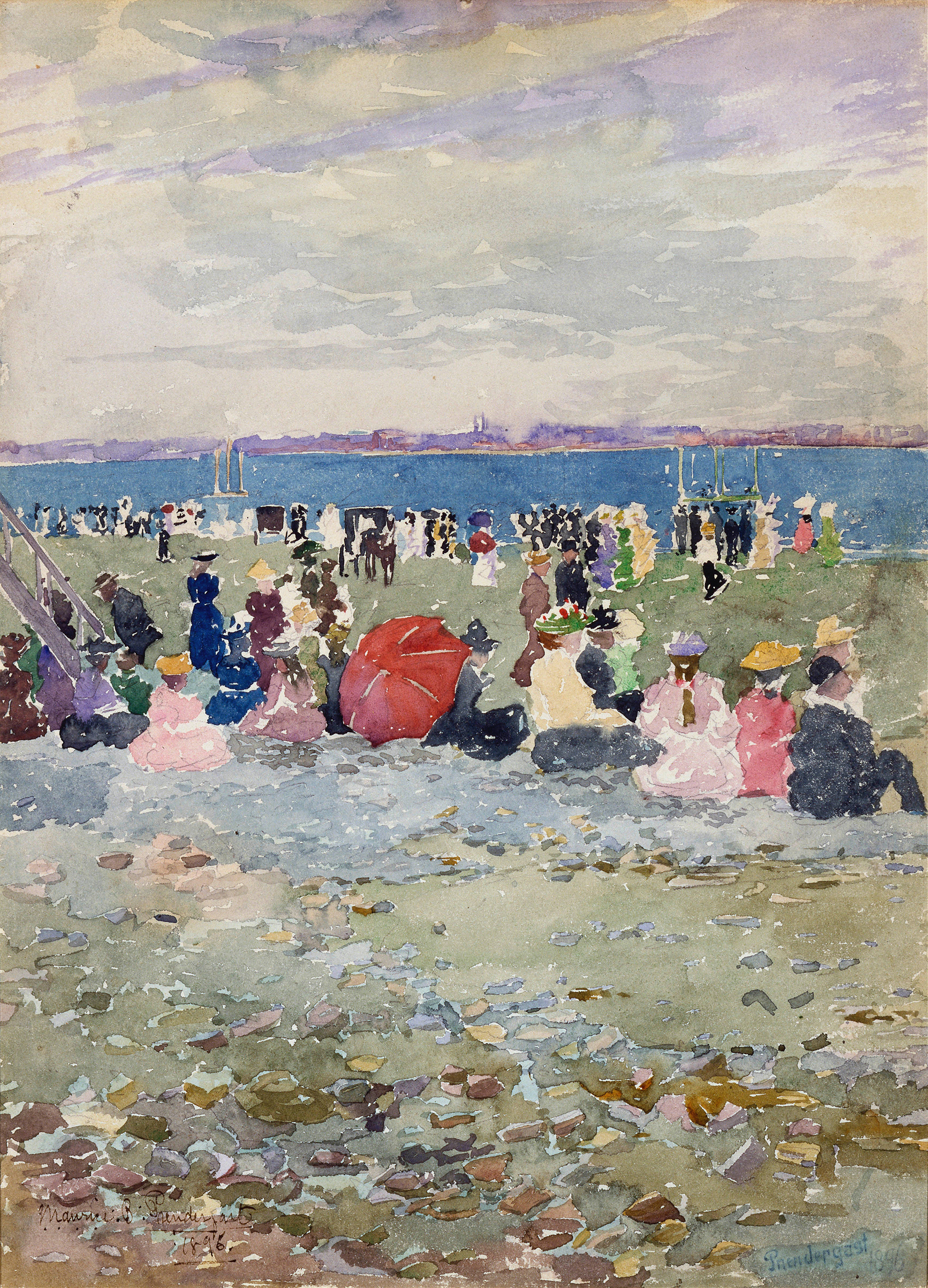
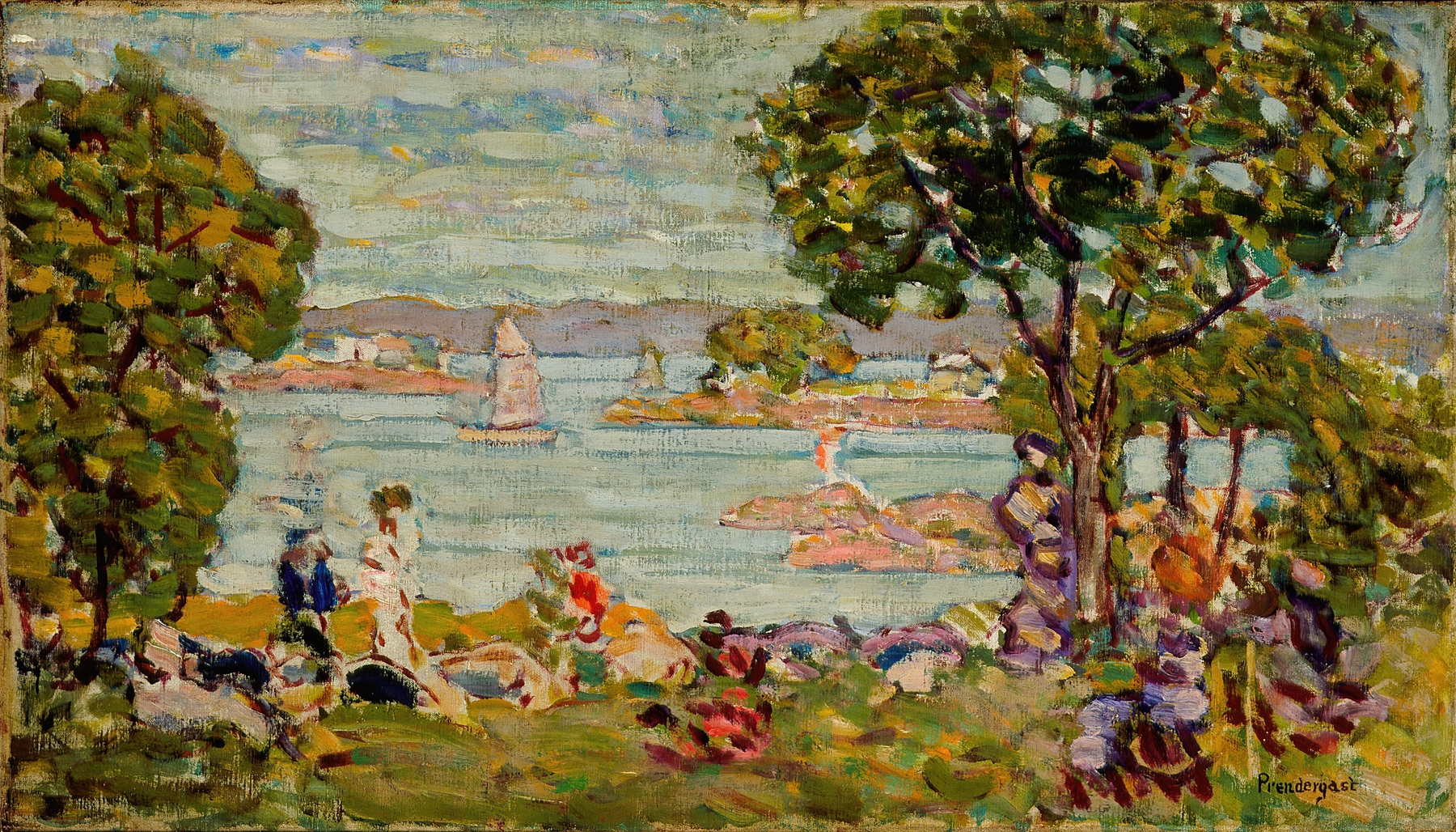
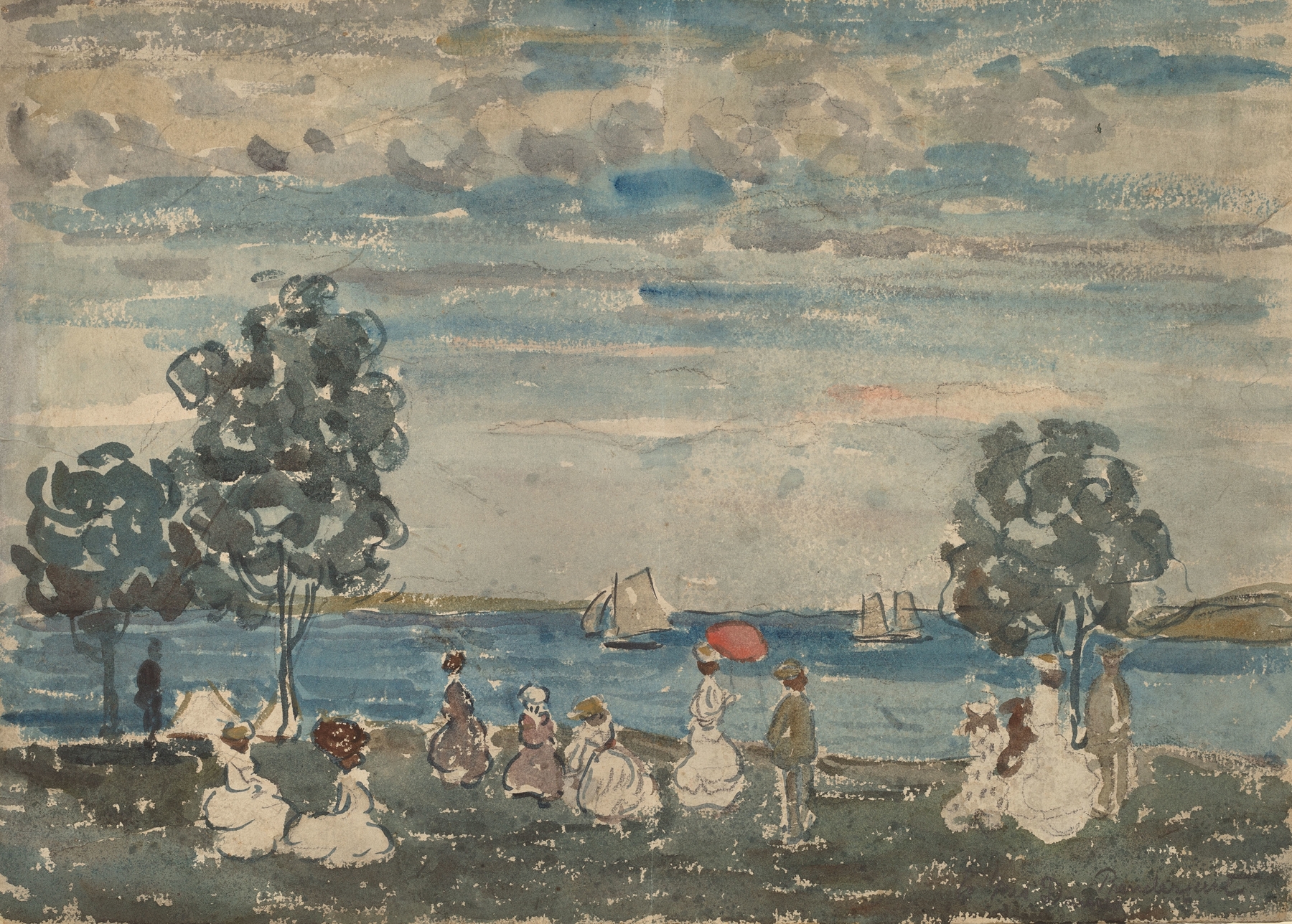
Did the painter know this moment would outlive them? In Figures on a Beach, a vibrant tableau captures not just a scene but a legacy, inviting us to contemplate the fleeting nature of time and memory. Look to the center of the canvas, where figures gather, their playful postures frozen in an embrace of summer’s warmth. The brushstrokes are lively and bold, each color blended seamlessly to create a shimmering effect that mirrors sunlight dancing on the waves. Notice how the azure sky meets the sandy shore, transitioning from deep blue to golden hues, enveloping the figures in a comforting embrace.
This harmony of color draws the eye first, grounding the composition in a joyful nostalgia for carefree days spent by the sea. Beneath the surface of this idyllic beach scene lies a tension between the fleeting joy of the figures and the eternal nature of the landscape. The figures, though vibrant and animated, are rendered in a way that suggests they are mere wisps of memory, easily swept away by the tides of time. Their silhouettes blend into the shore, reinforcing the idea that moments are transient, yet profoundly impactful.
The juxtaposition of lively activity against the expansive, timeless ocean speaks to the duality of life: the joy of experience and the inevitability of its passage. During the years between 1910 and 1915, Prendergast painted Figures on a Beach amidst a burgeoning interest in modernism and color theory. Living in Boston, he was influenced by the Impressionist movement, as well as the vibrant palette of Post-Impressionism. This period marked his exploration of light and composition, weaving together his artistic ambitions with a desire to immortalize fleeting moments in the human experience.