Docks,East Boston — History & Analysis
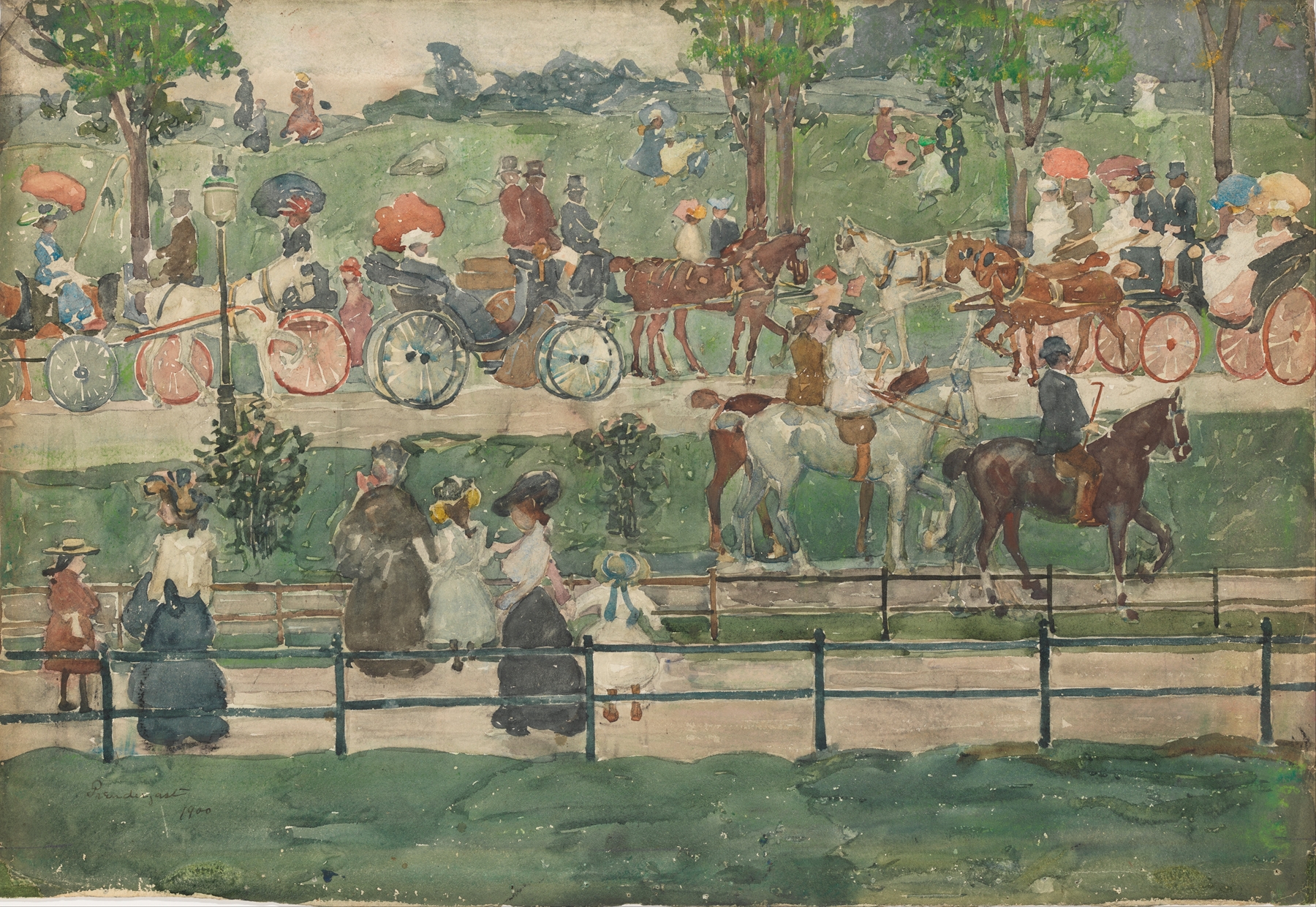
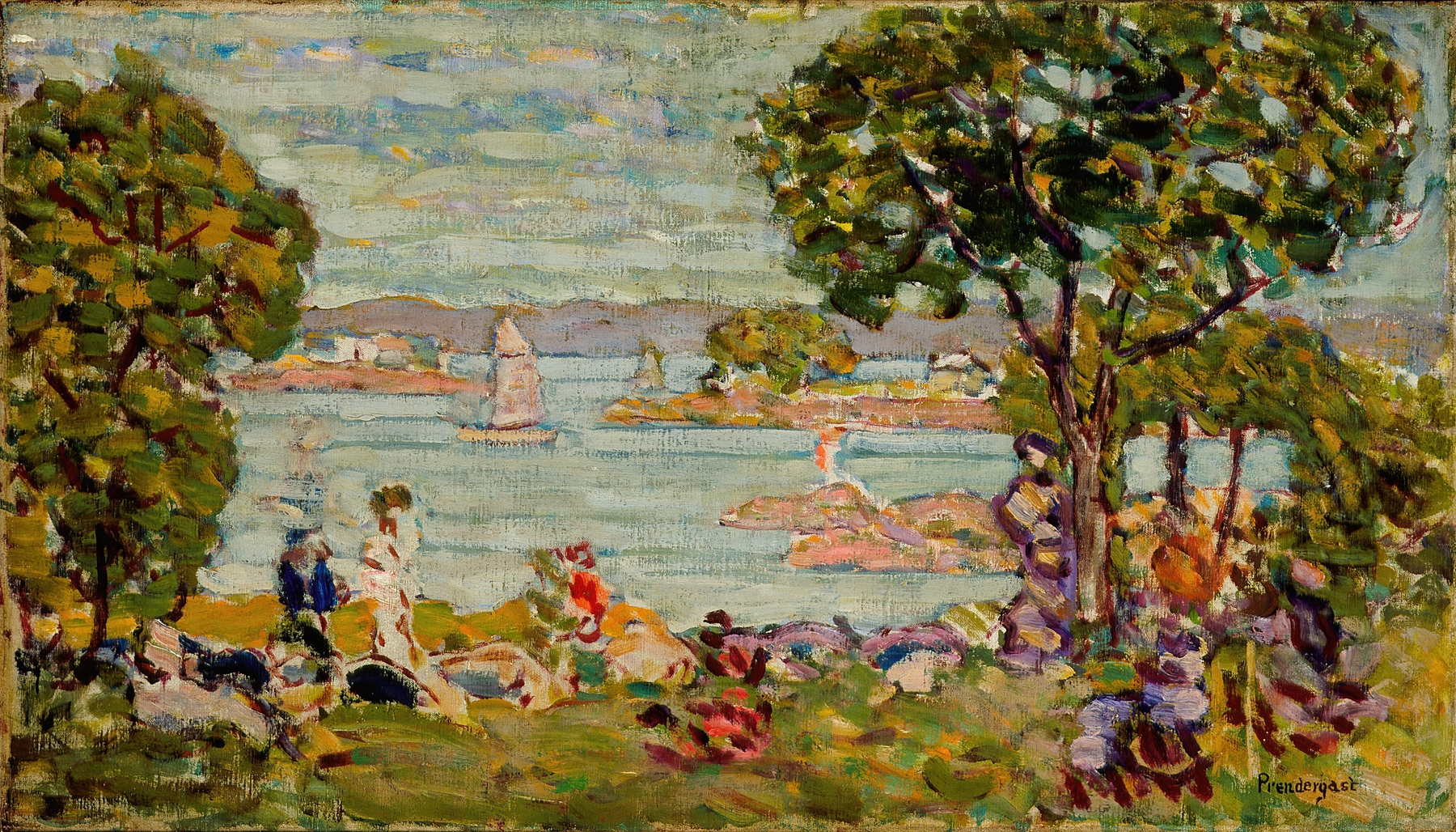
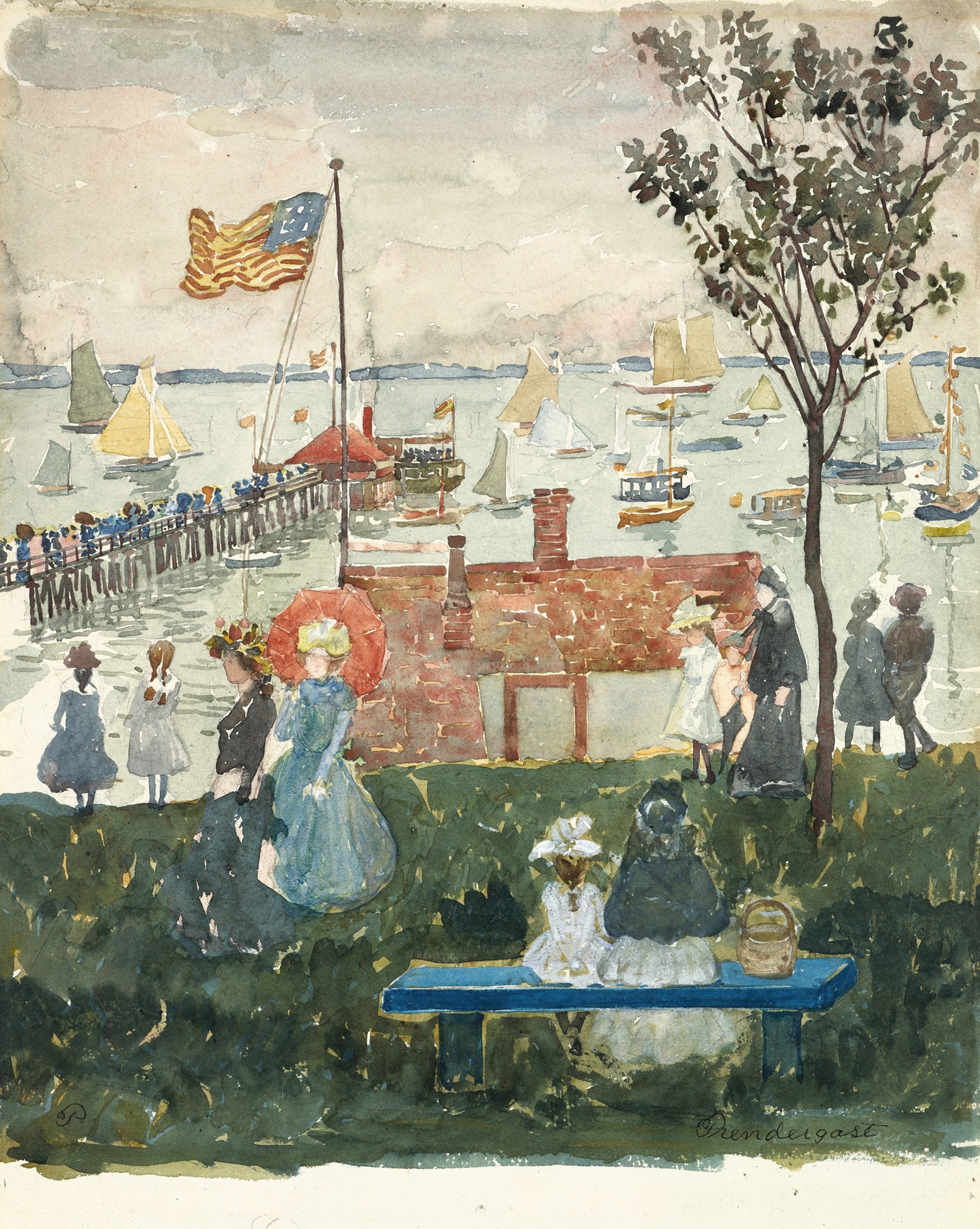
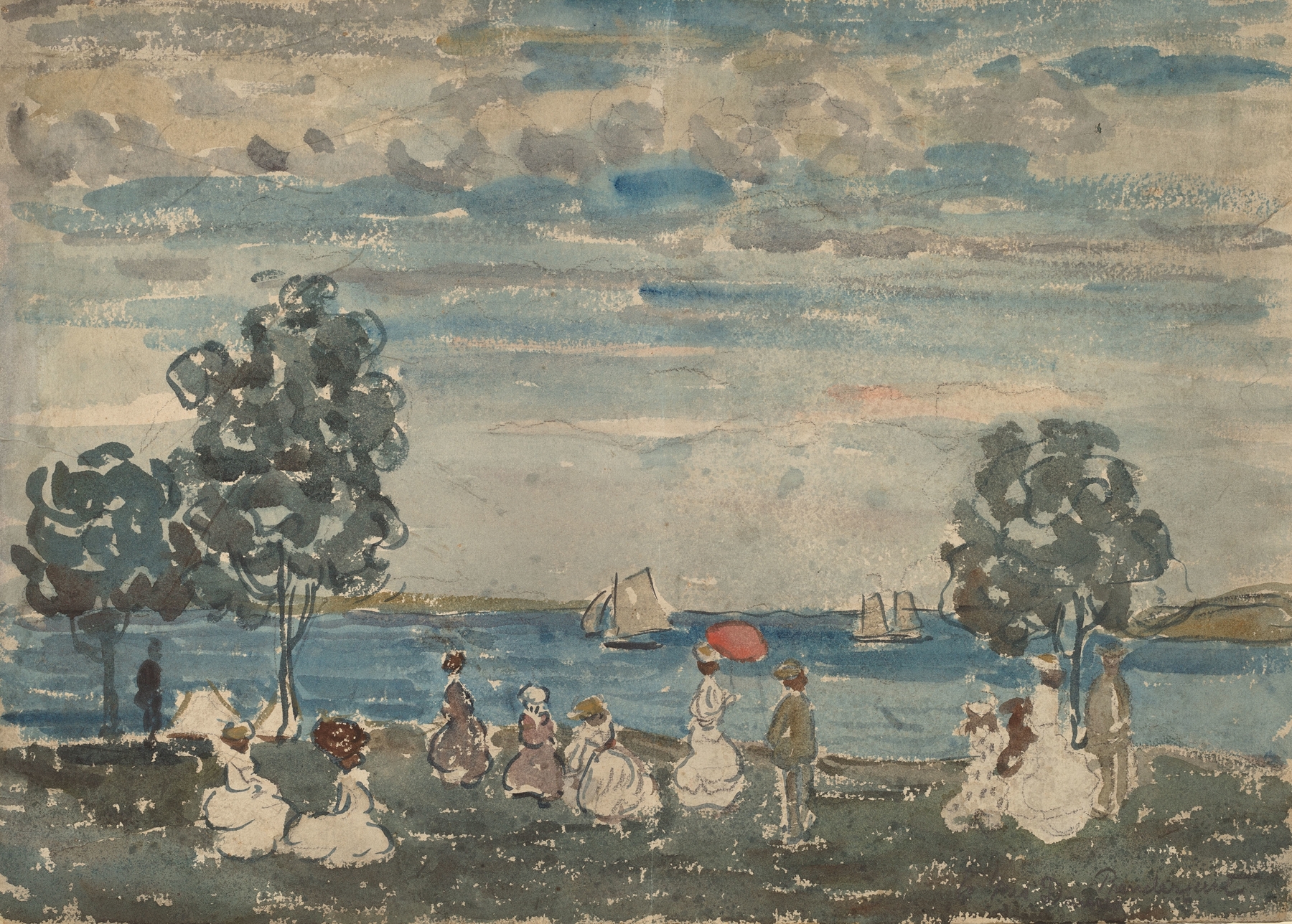
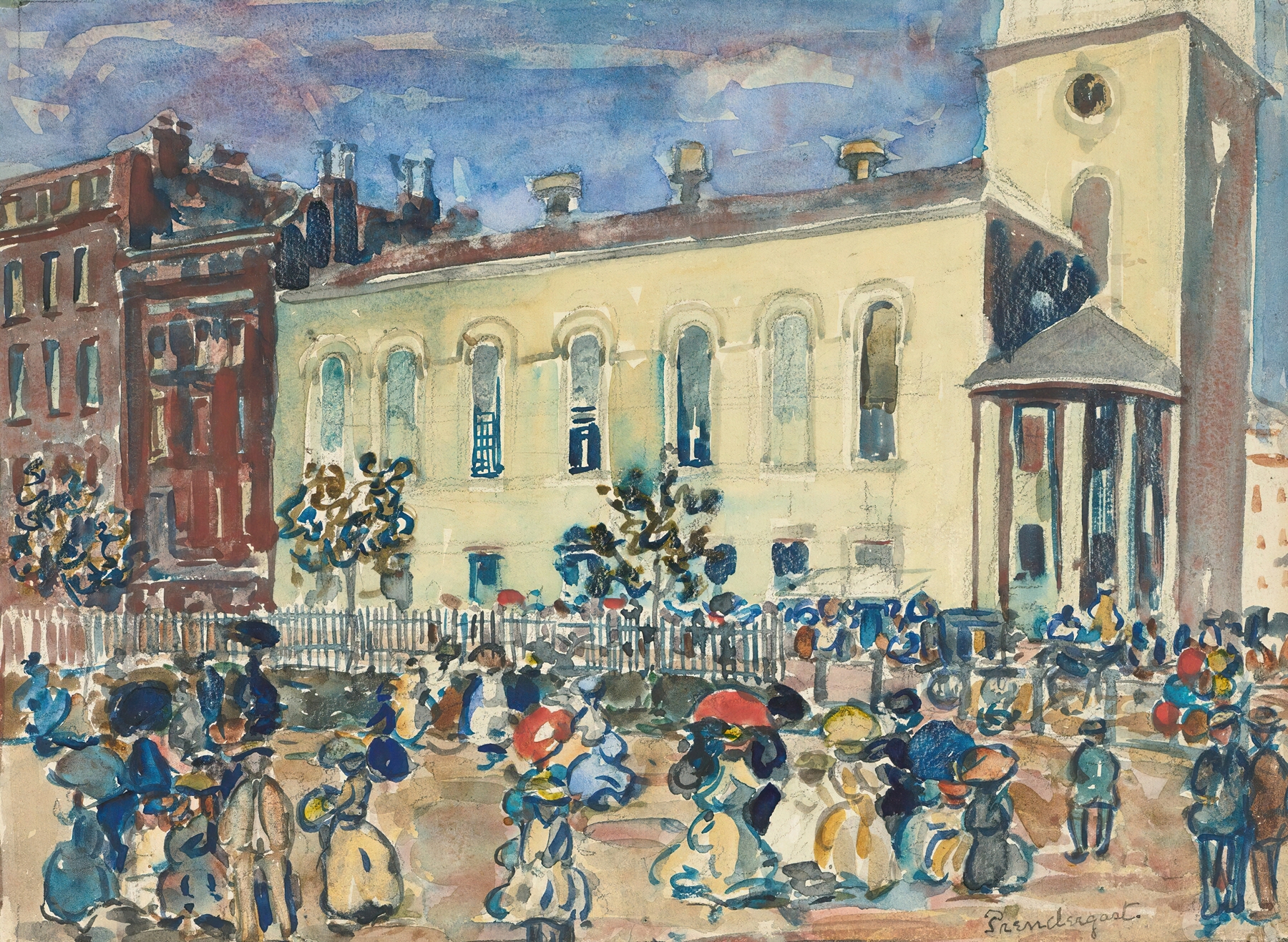
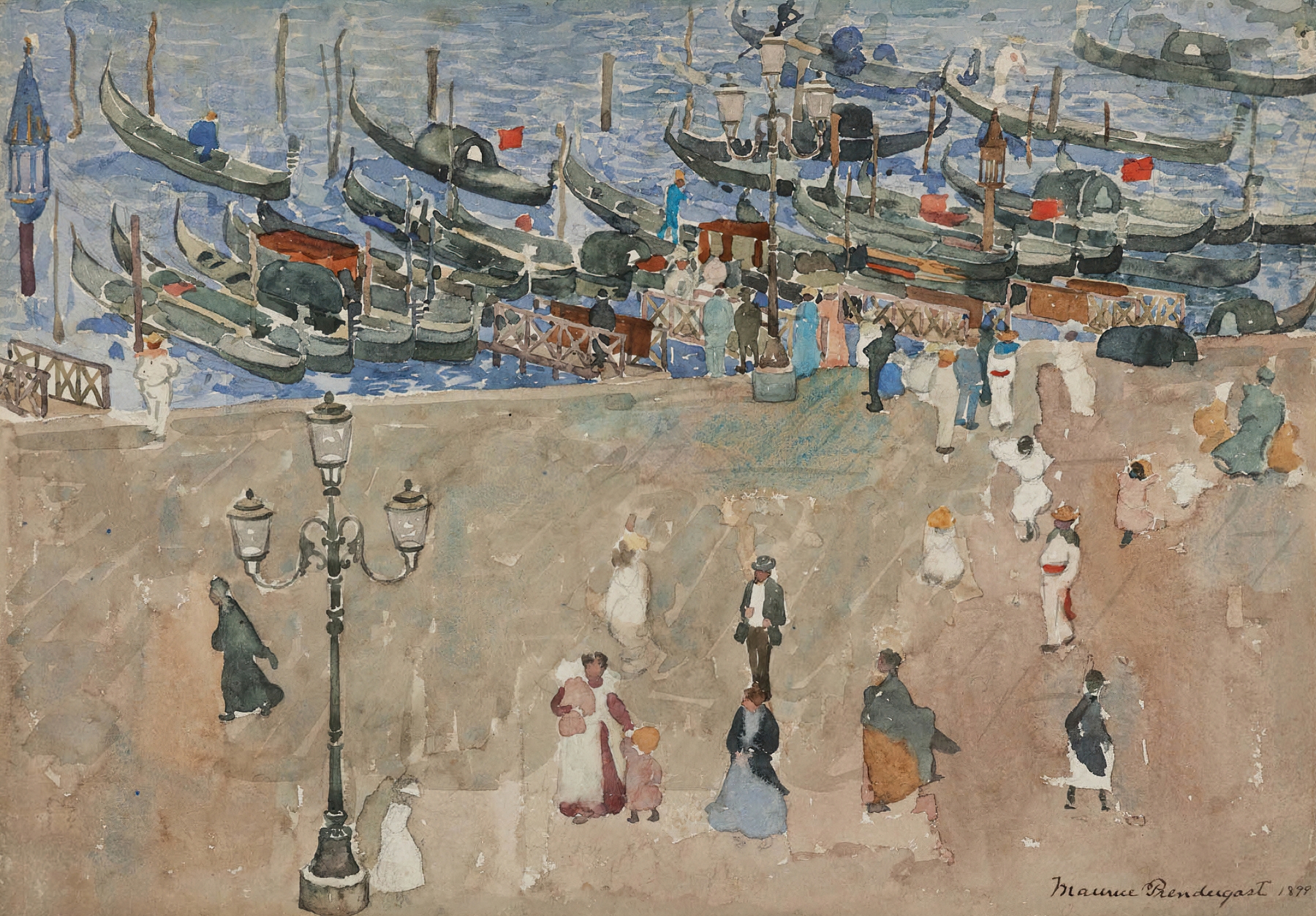
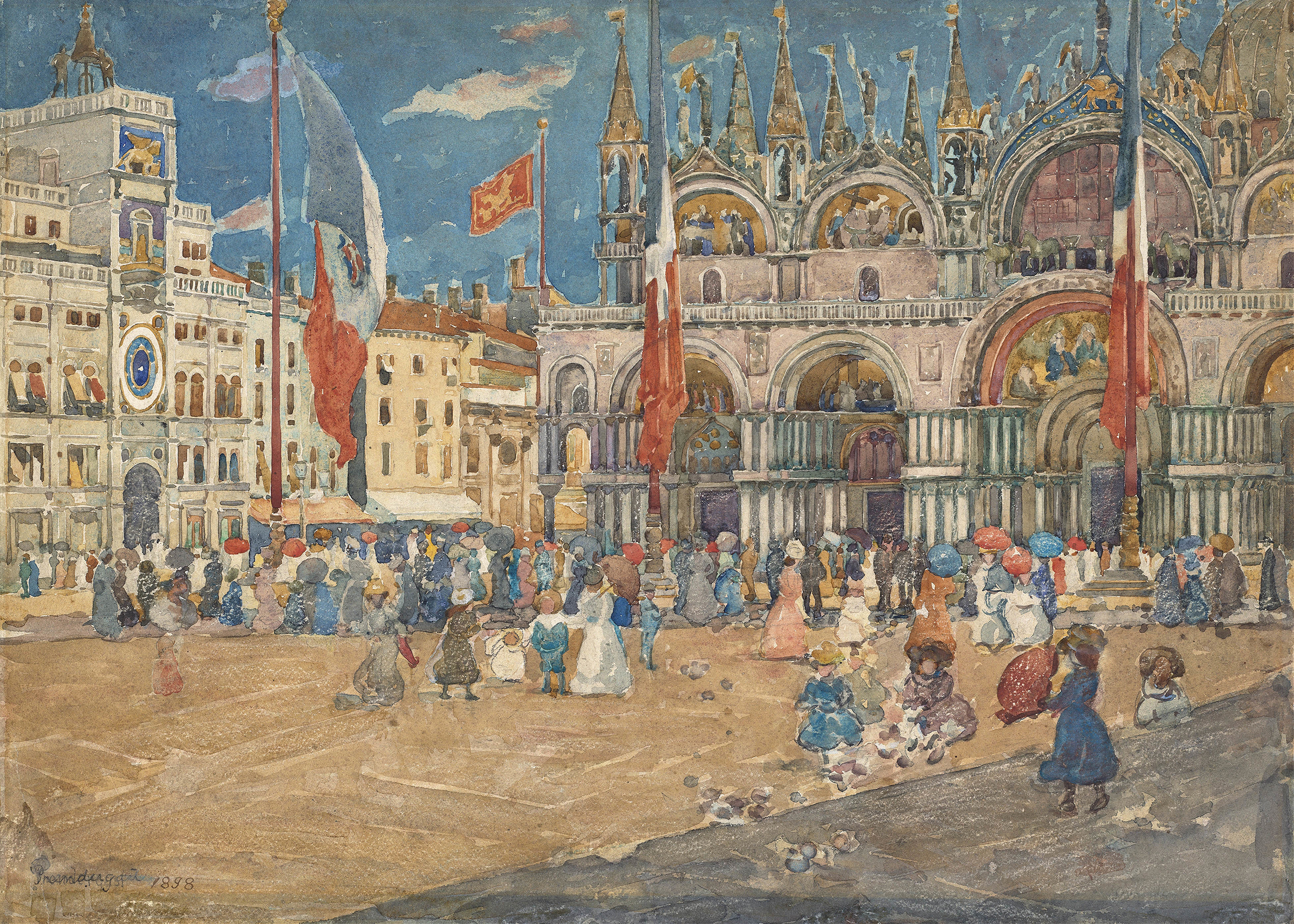
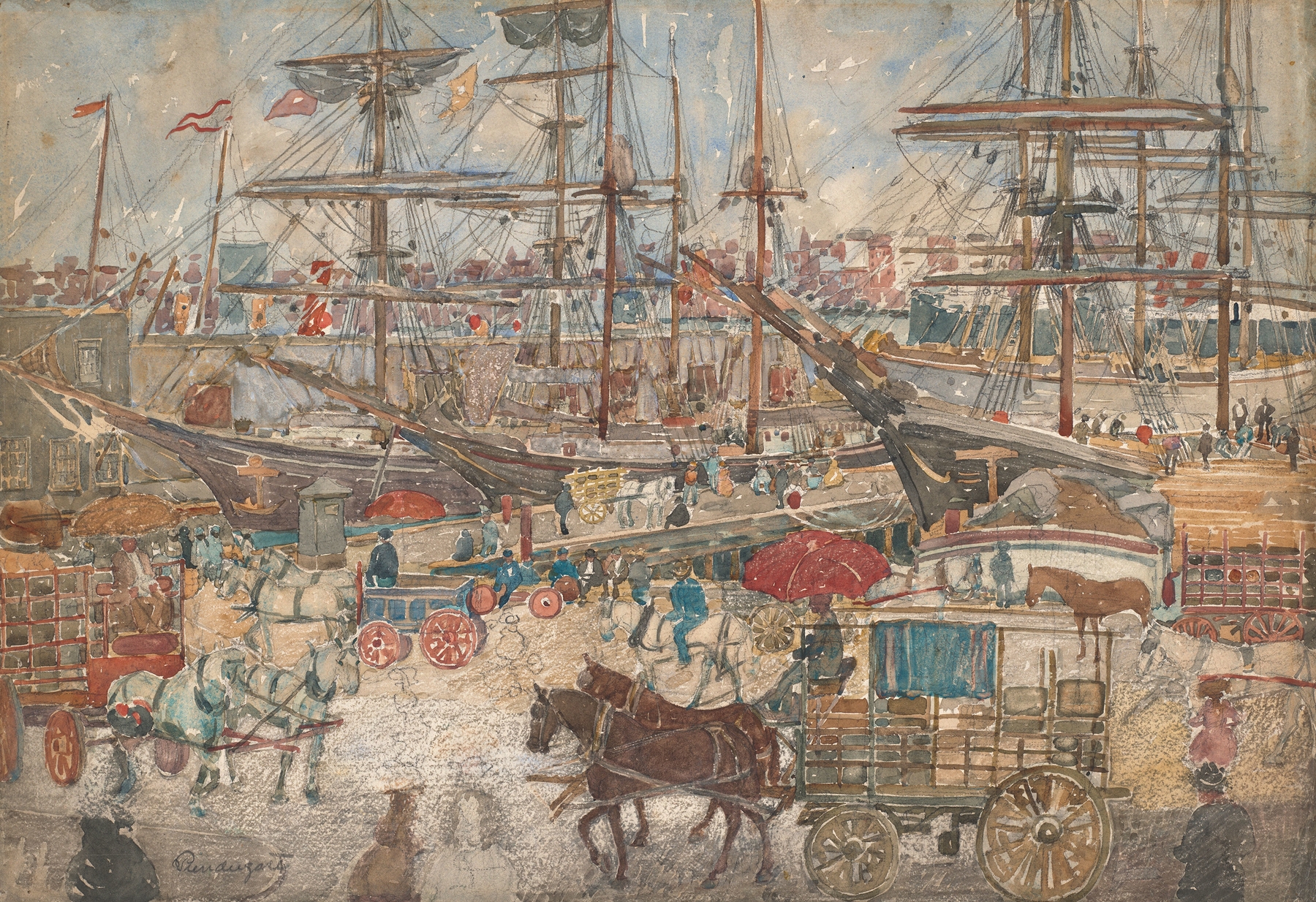
What secret hides in the quiet of the canvas? In the soft play of light and shadow, fate whispers through the wind-swept docks, weaving together lives bound by ambition and longing. Look to the left at the myriad of colorful boats, their hulls gently rocking in the water, vibrant reds and blues beckoning the eye. Notice how the brushstrokes blend seamlessly, creating a dreamlike quality that softens the harshness of the industrial setting.
The figures—workers and passersby—are rendered with a delicate touch, their faces almost ethereal in the warm light that filters through the atmosphere, hinting at stories yet untold. Beneath the surface, emotional tensions emerge as the bustling activity contrasts with the stillness of the water. The juxtaposition of labor and tranquility speaks to the relentless march of progress, where destiny intertwines with the everyday. Each figure stands on the cusp of a moment, with their dreams anchored in the harbor, suggesting that even within the chaos of life, there exists a profound silence filled with possibility.
In the early years of the 20th century, the artist captured this scene while in Boston, a city on the cusp of modernity. Prendergast was influenced by the burgeoning art movements of the time, incorporating vibrant colors and impressionistic techniques. Amidst a world evolving rapidly, he sought to portray not just a location but the deeper layers of human experience, revealing the silent destinies that unfold in the backdrop of an ever-changing horizon.