Central Park — History & Analysis
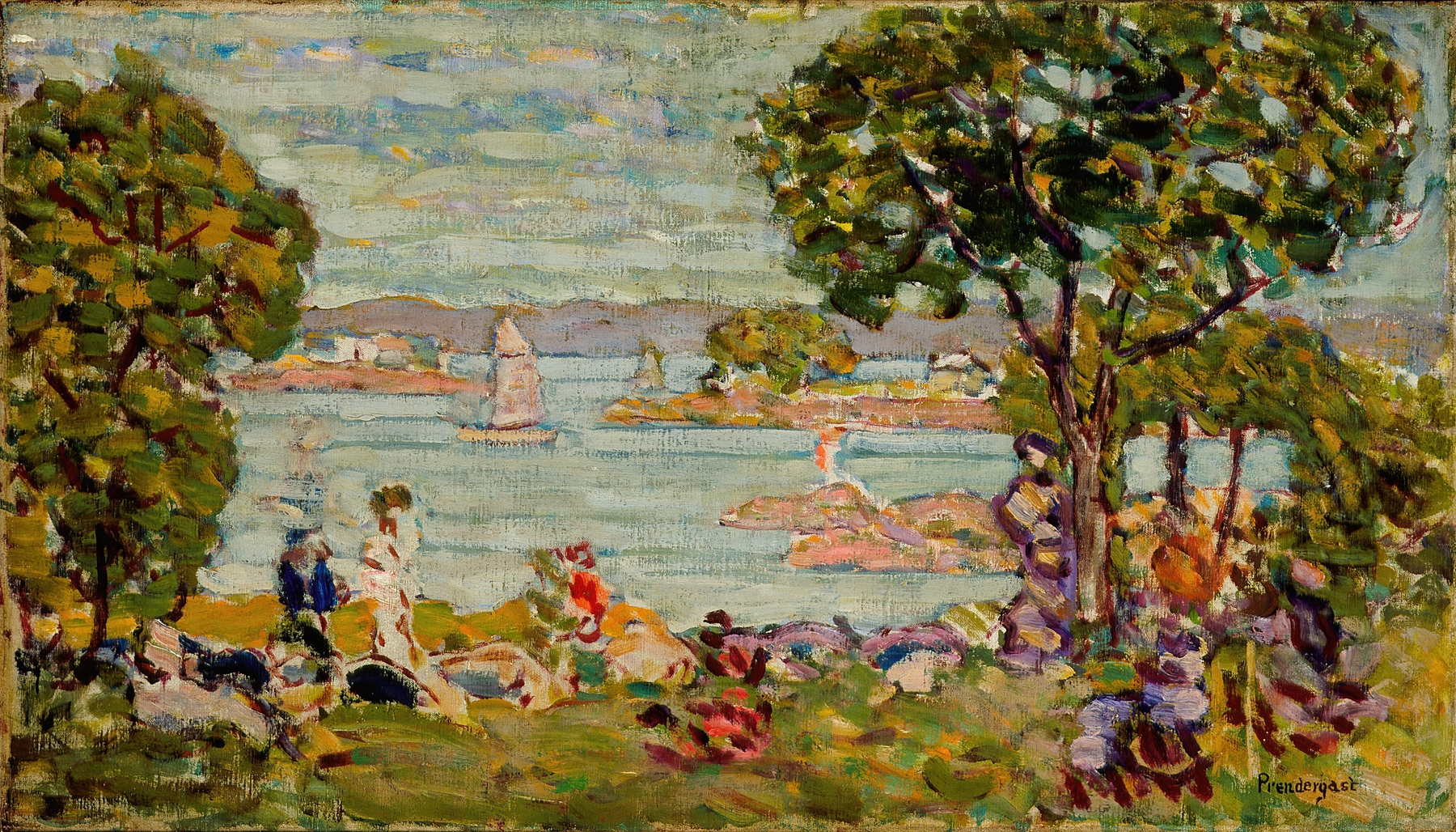
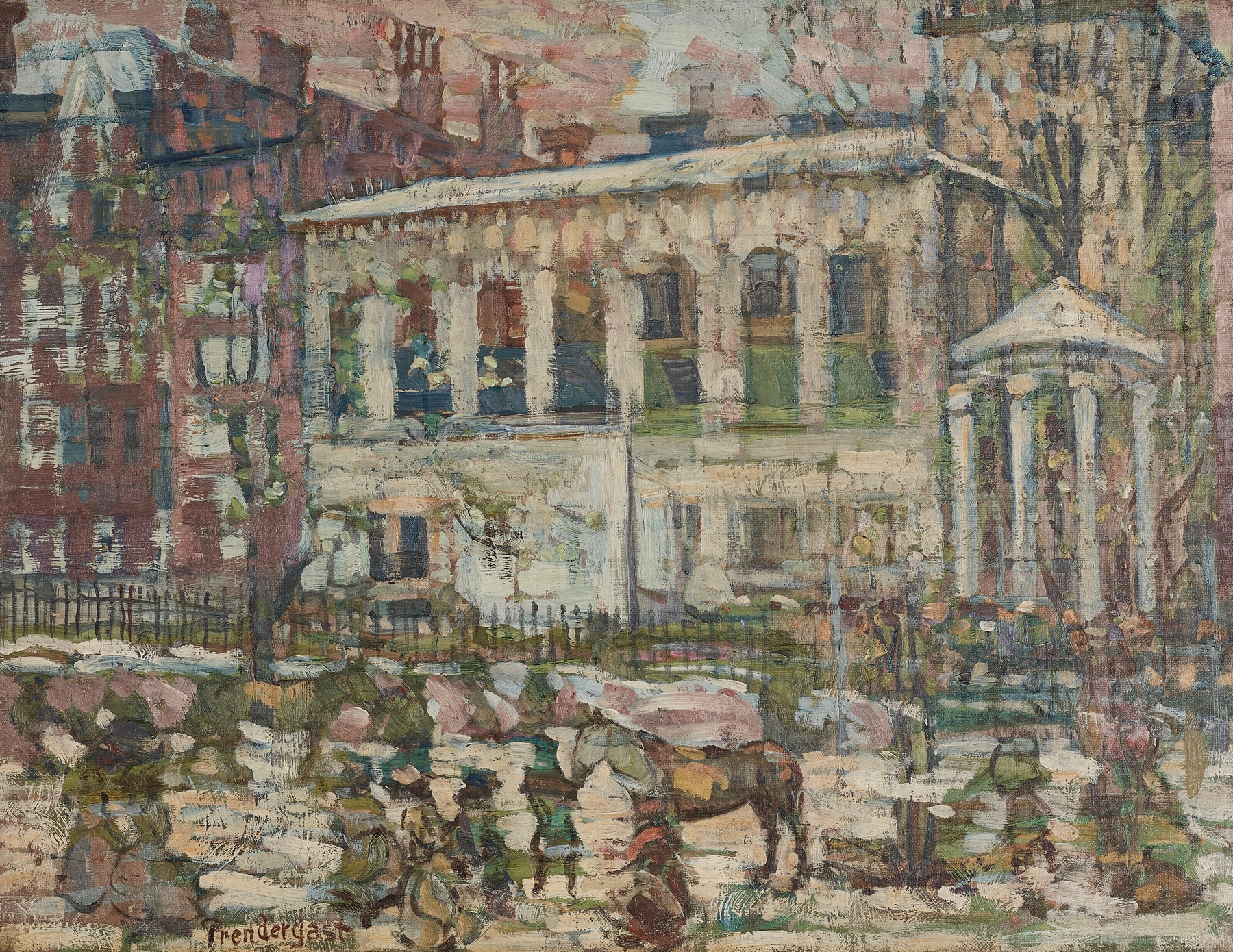
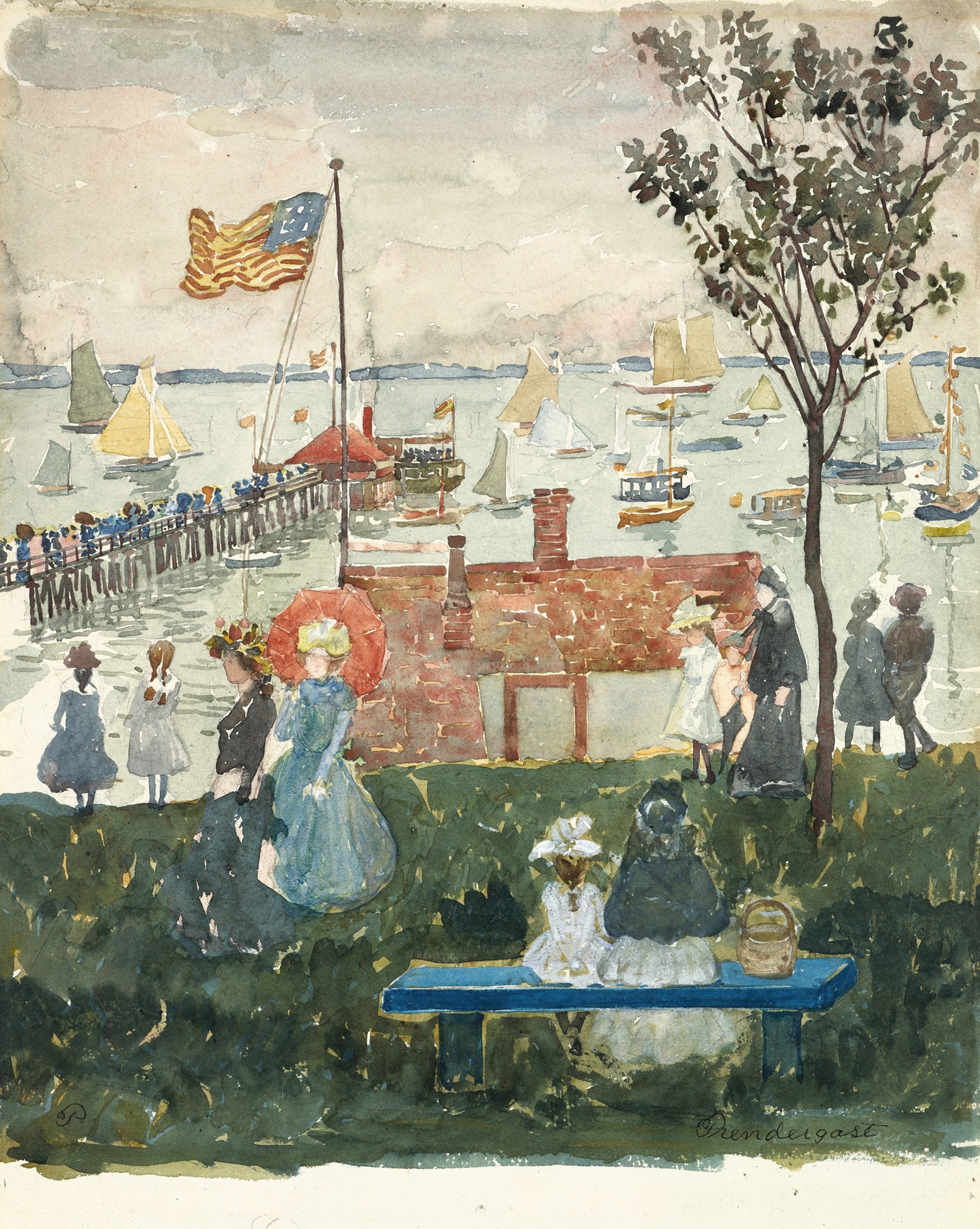
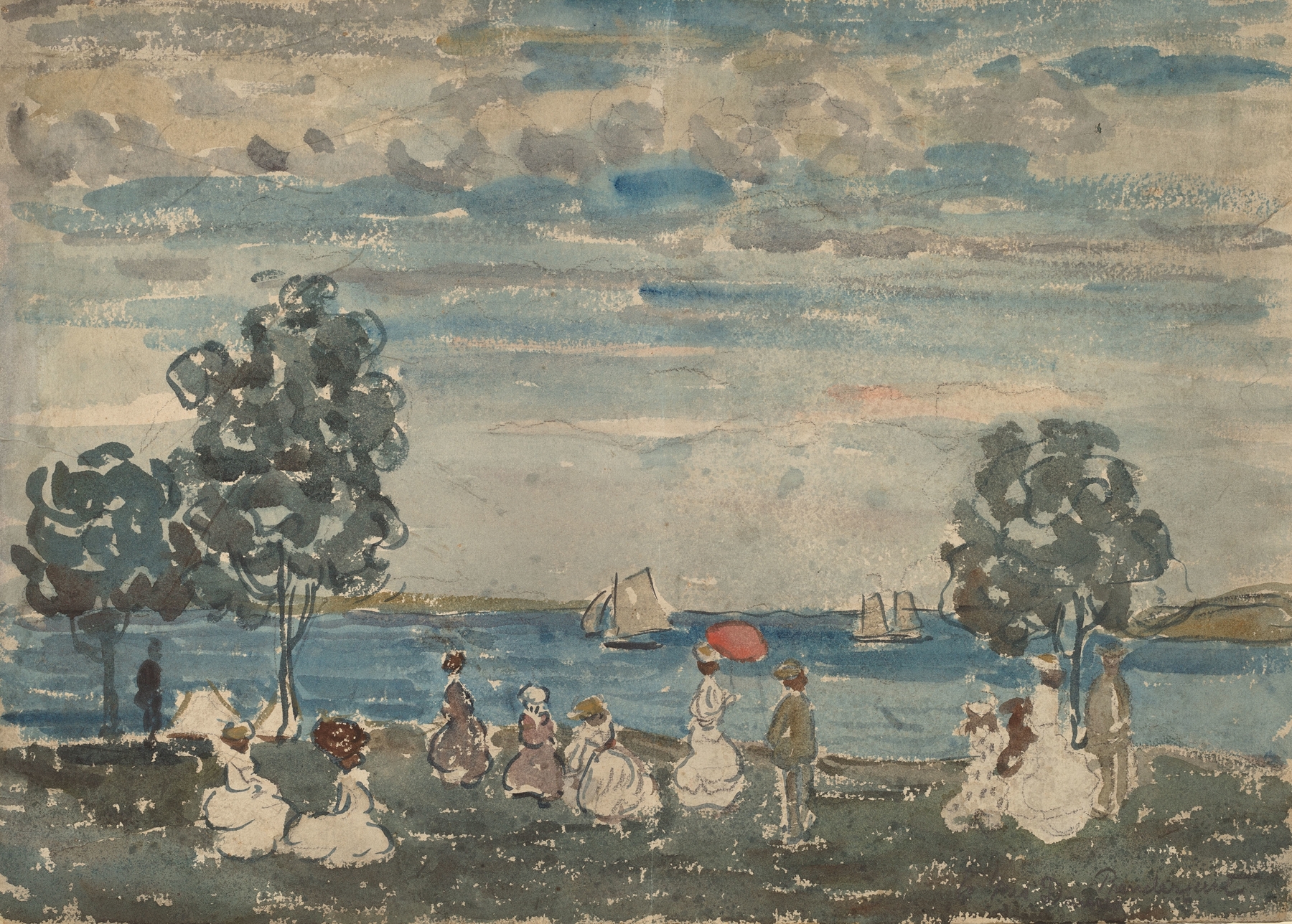
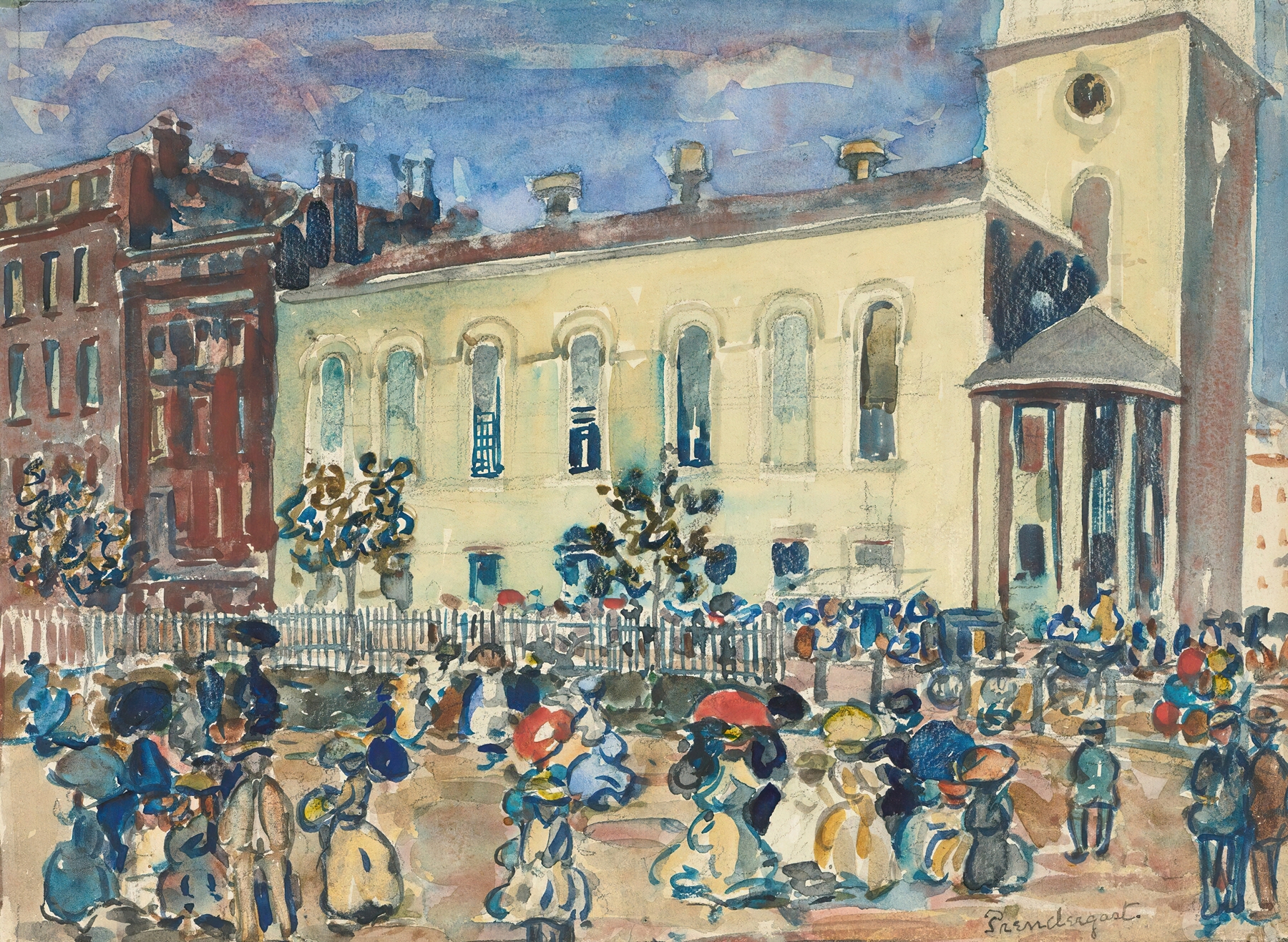
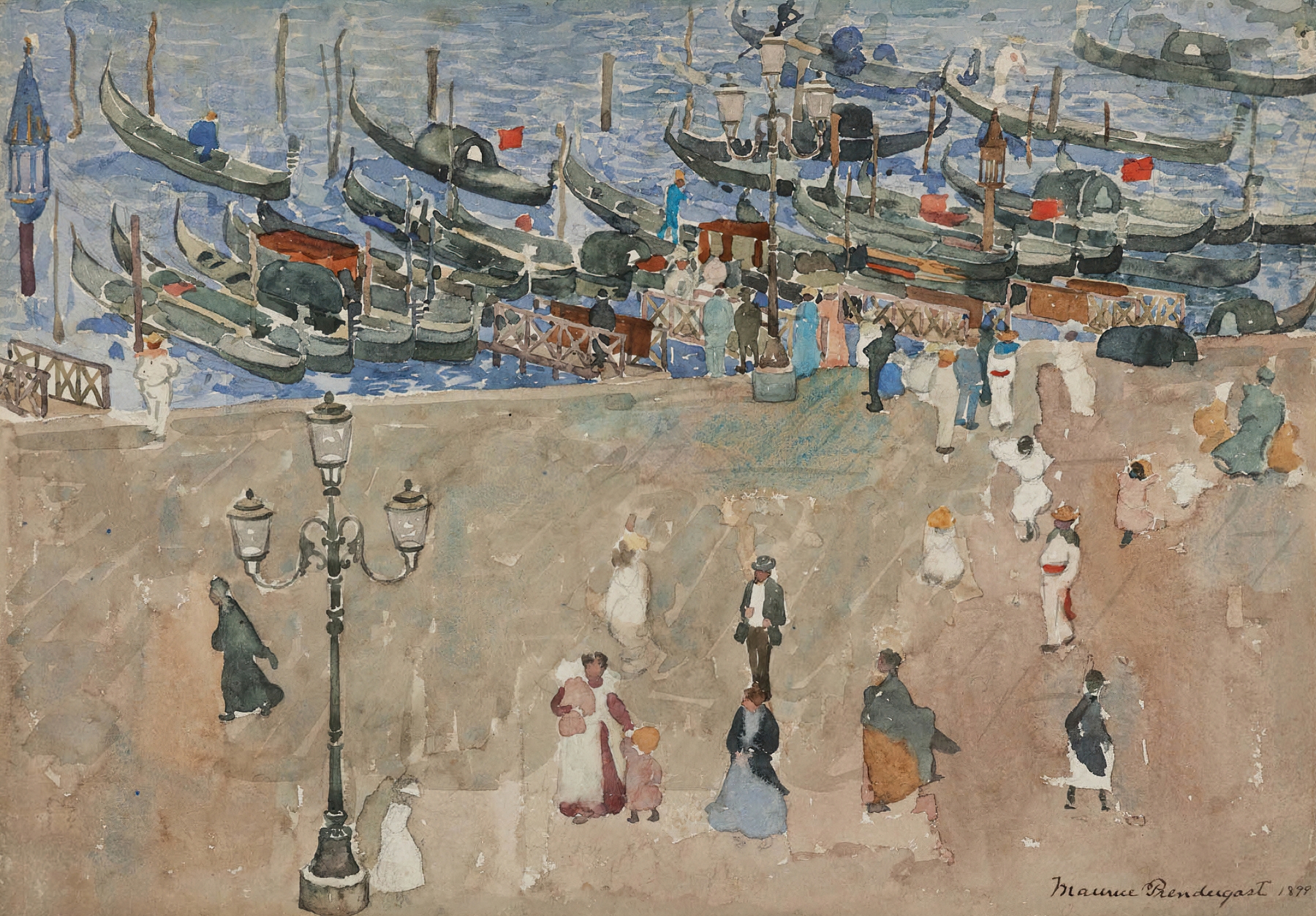
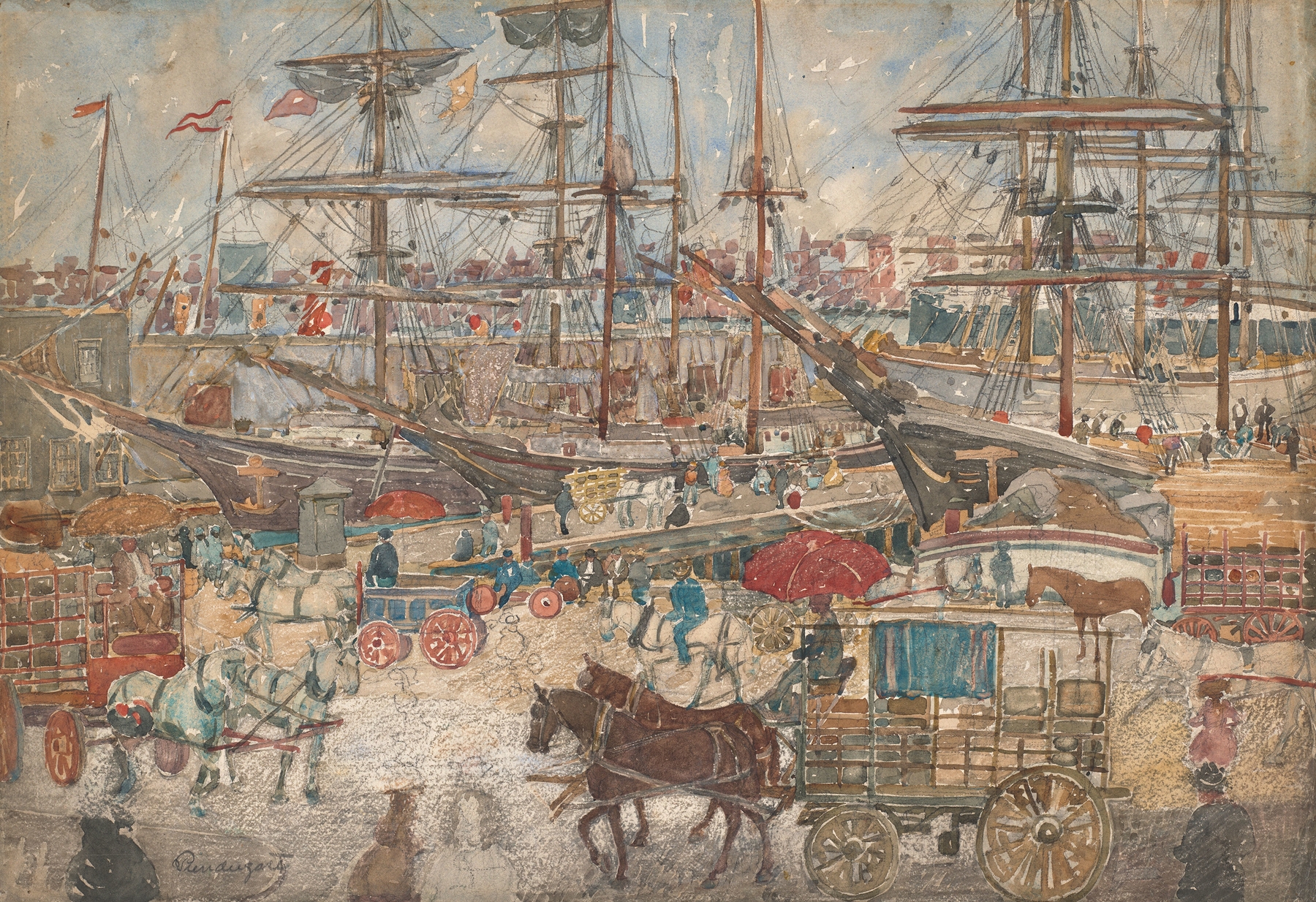
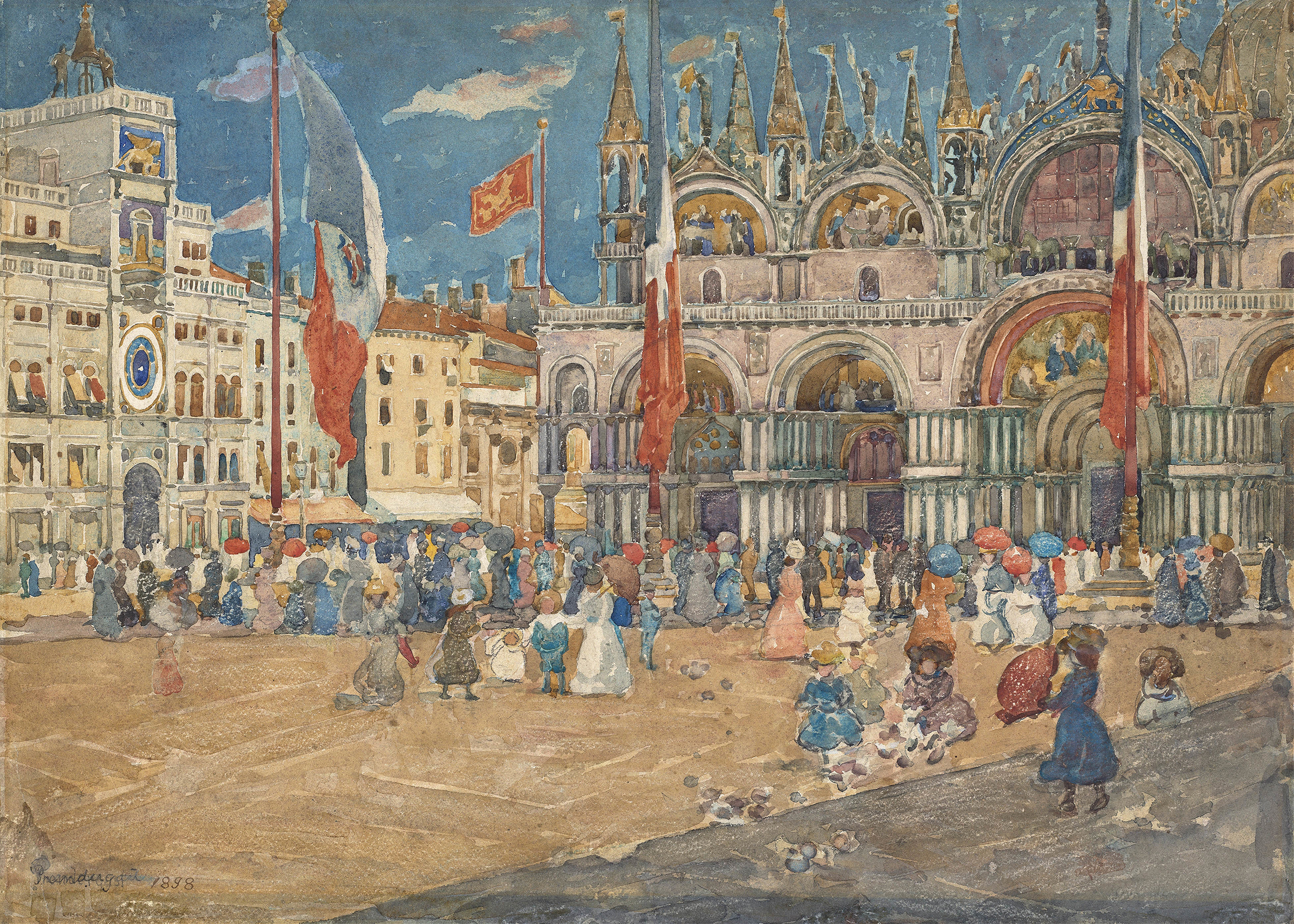
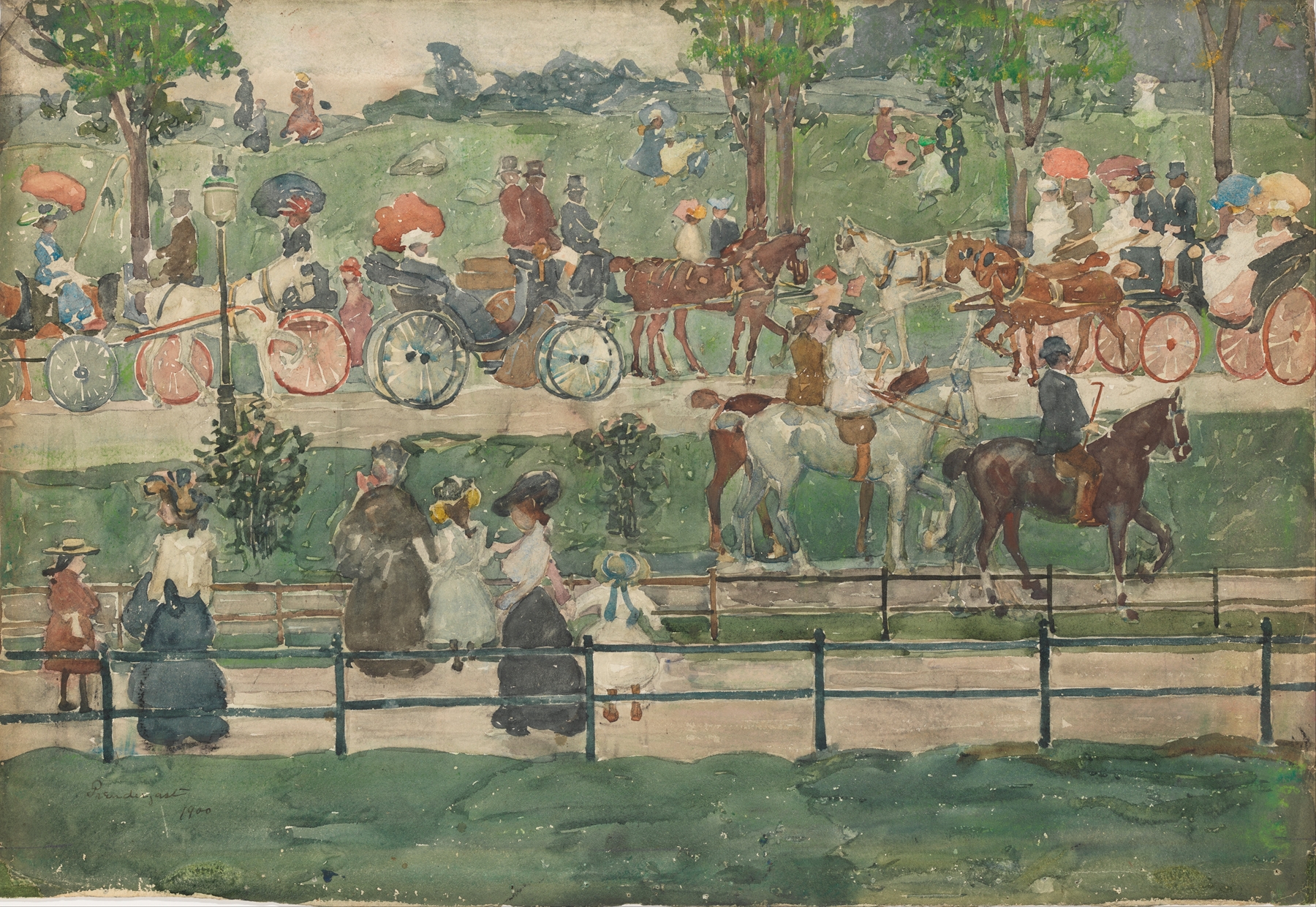
Could a single brushstroke hold eternity? In Central Park, the artist captures fleeting moments of joy and serenity, inviting viewers to lose themselves in the vibrant tapestry of life. Look to the left at the multitude of figures weaving through the lush greenery, each stroke breathing life into the scene. Notice how the dappled sunlight filters through the trees, splashing golden hues across the canvas, creating a dance of light and shadow.
The use of bold, impressionistic colors engages the eye, drawing attention to the joyful faces and playful gestures that punctuate the park's atmosphere. Yet beneath the surface of this idyllic portrayal lies a subtle tension. The lively figures, seemingly carefree, contrast with the static backdrop of the park, reflecting an unspoken yearning for connection amidst the chaos of urban life. The gentle curve of the pathway suggests a journey that continues beyond the frame, engaging viewers in contemplation about their own experiences of community and solitude.
In 1900, when this piece was created, Prendergast was deeply immersed in the Boston art scene, yet he found inspiration in the vibrancy of New York’s Central Park. This period marked a significant shift in the art world, with Impressionism gaining traction and encouraging artists to explore color and light. Prendergast's work exemplified this evolution, capturing not just a moment in time, but an entire ethos of social interaction and urban beauty.