Das Rathaus in Gmunden — History & Analysis
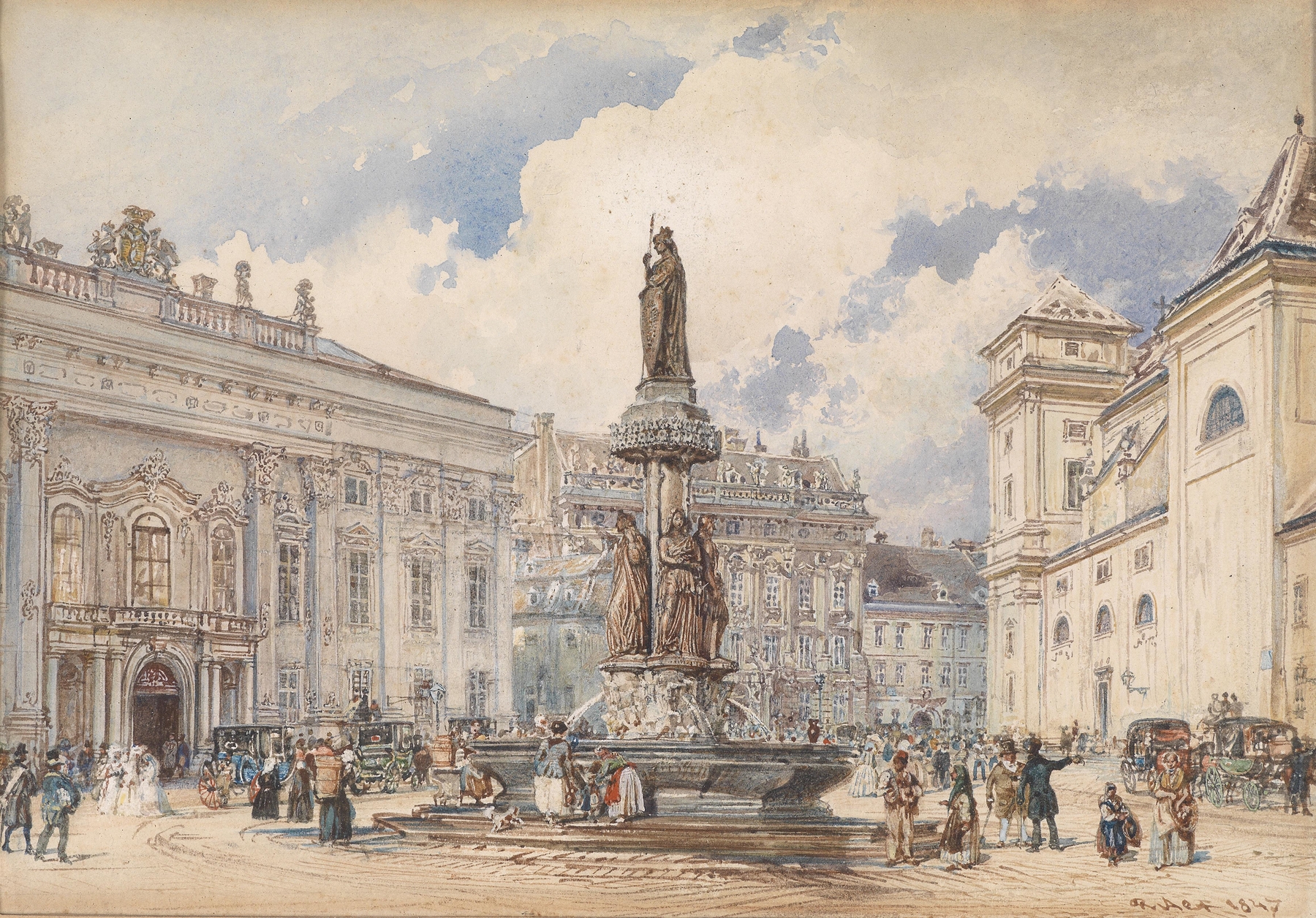
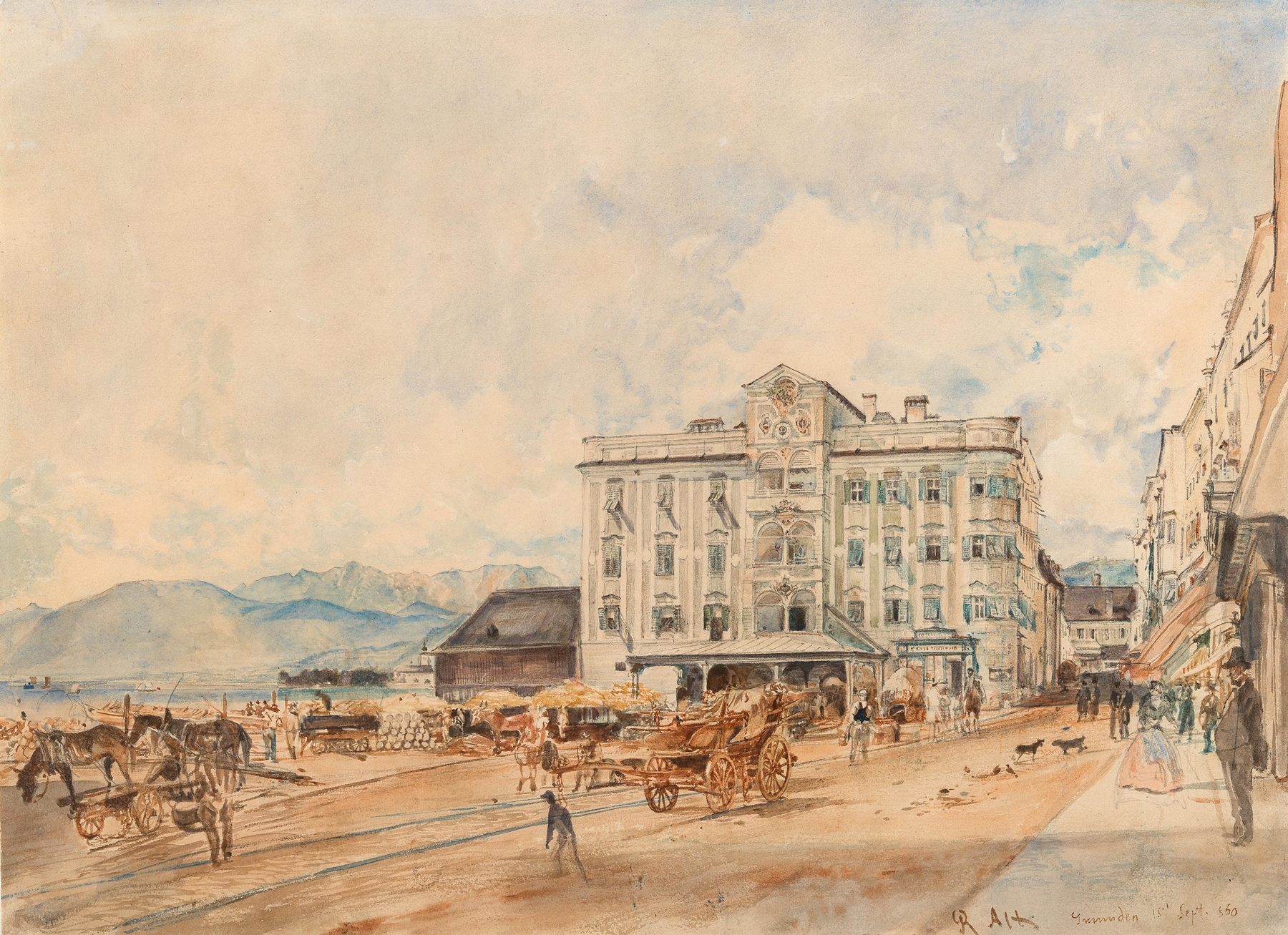
What secret hides in the quiet of the canvas? Within the calm embrace of Das Rathaus in Gmunden, an ethereal serenity beckons the viewer to unravel its mysteries. Look to the left at the detailed façade of the town hall, where the intricate architectural lines guide your gaze upwards toward the delicate blue sky above. Notice how the soft, dappled sunlight warms the stone, illuminating the vibrant colors of the buildings while casting gentle shadows that hint at the passage of time.
The artist’s mastery of light and shadow creates a harmonious balance, drawing you deeper into this tranquil scene. Yet beneath this surface calm lies a tension between nature and civilization. The stillness of the water reflects not only the structure but also invites contemplation of life’s dualities—the ordered life of the town against the expansive, untamed beauty of the surrounding mountains. The simplicity of the moment, coupled with the grandiosity of the landscape, reveals the divine interplay between humanity and the natural world, illuminating a profound connection that transcends the canvas.
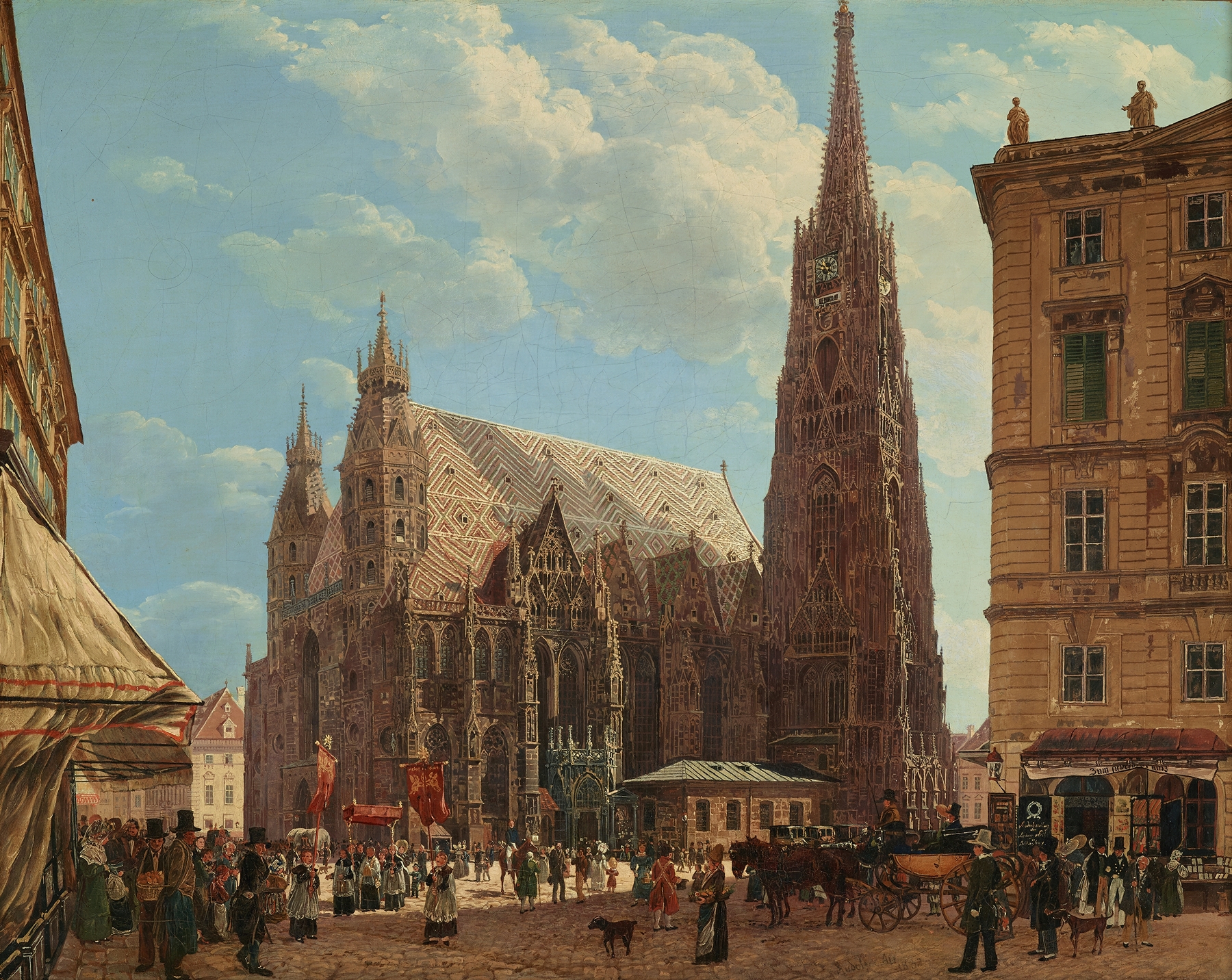
In 1860, Rudolf von Alt painted this serene scene while in Gmunden, Austria, capturing an emblematic moment in a flourishing artistic career. The mid-19th century was marked by a growing appreciation for the picturesque, as artists sought to celebrate their homeland’s beauty amidst rapid modernization. At this time, Alt was deeply involved in the landscape tradition, striving to encapsulate not just the visual but also the spiritual essence of the places he immortalized on canvas.