De drie eiken — History & Analysis
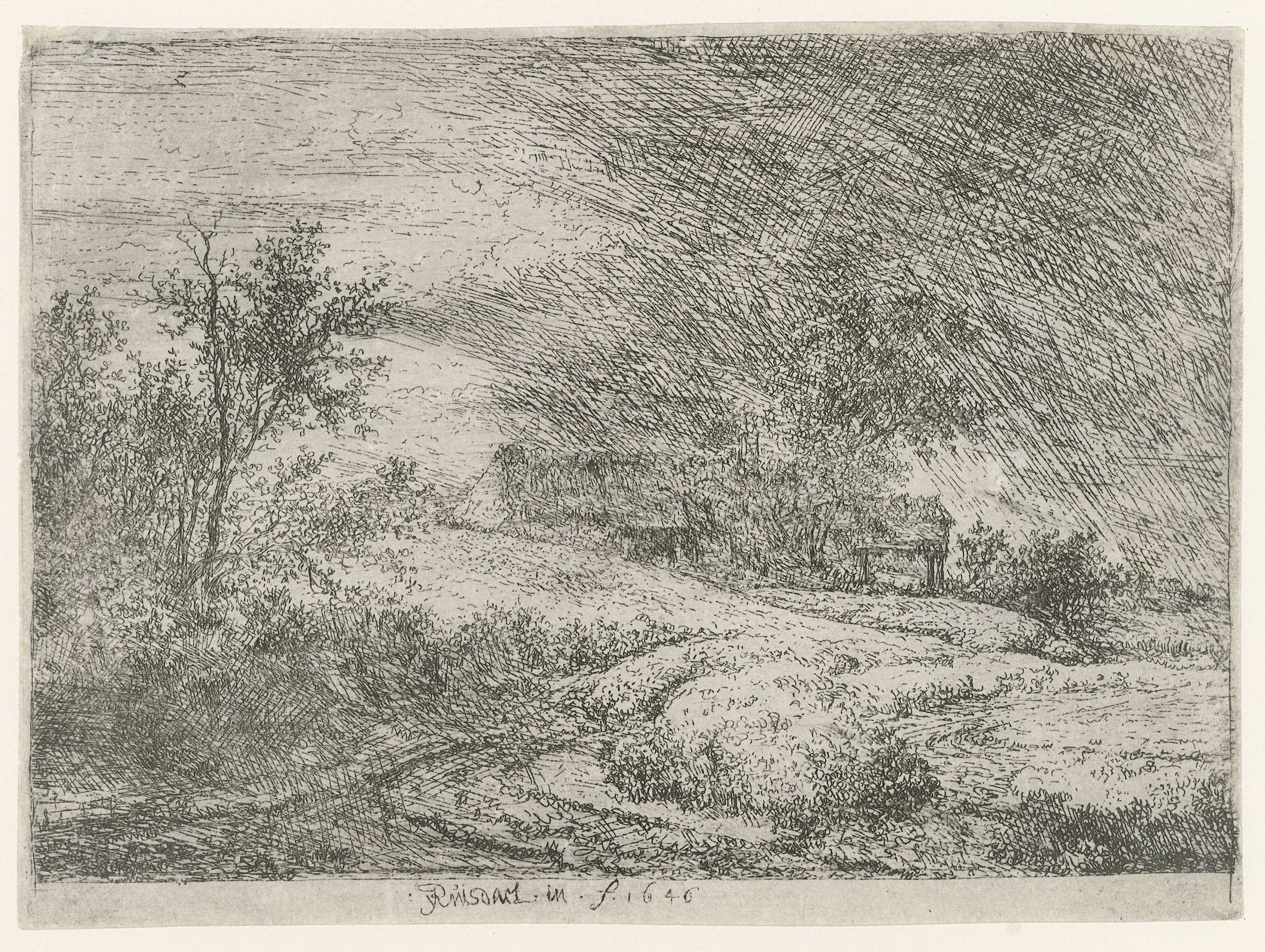
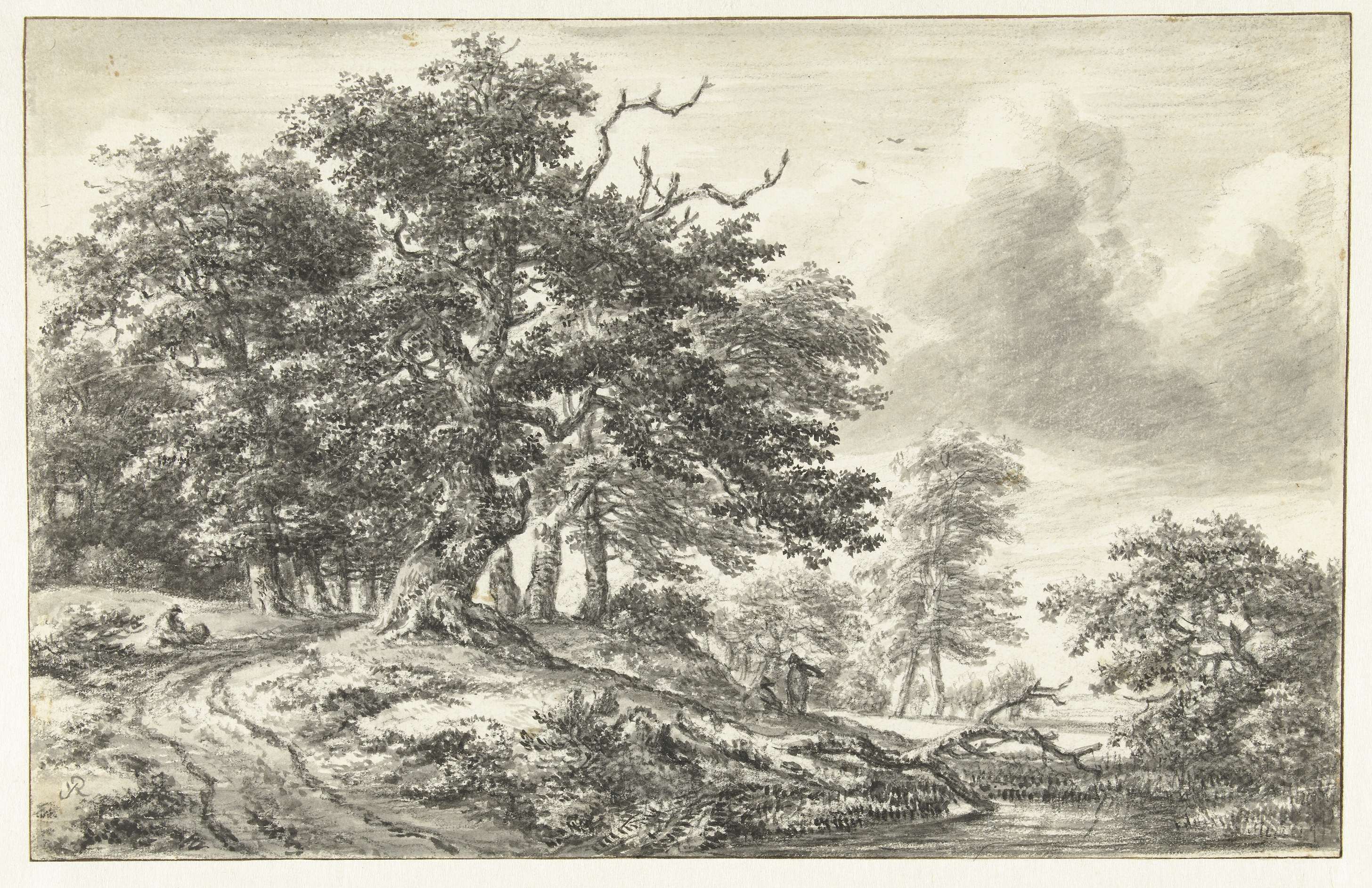
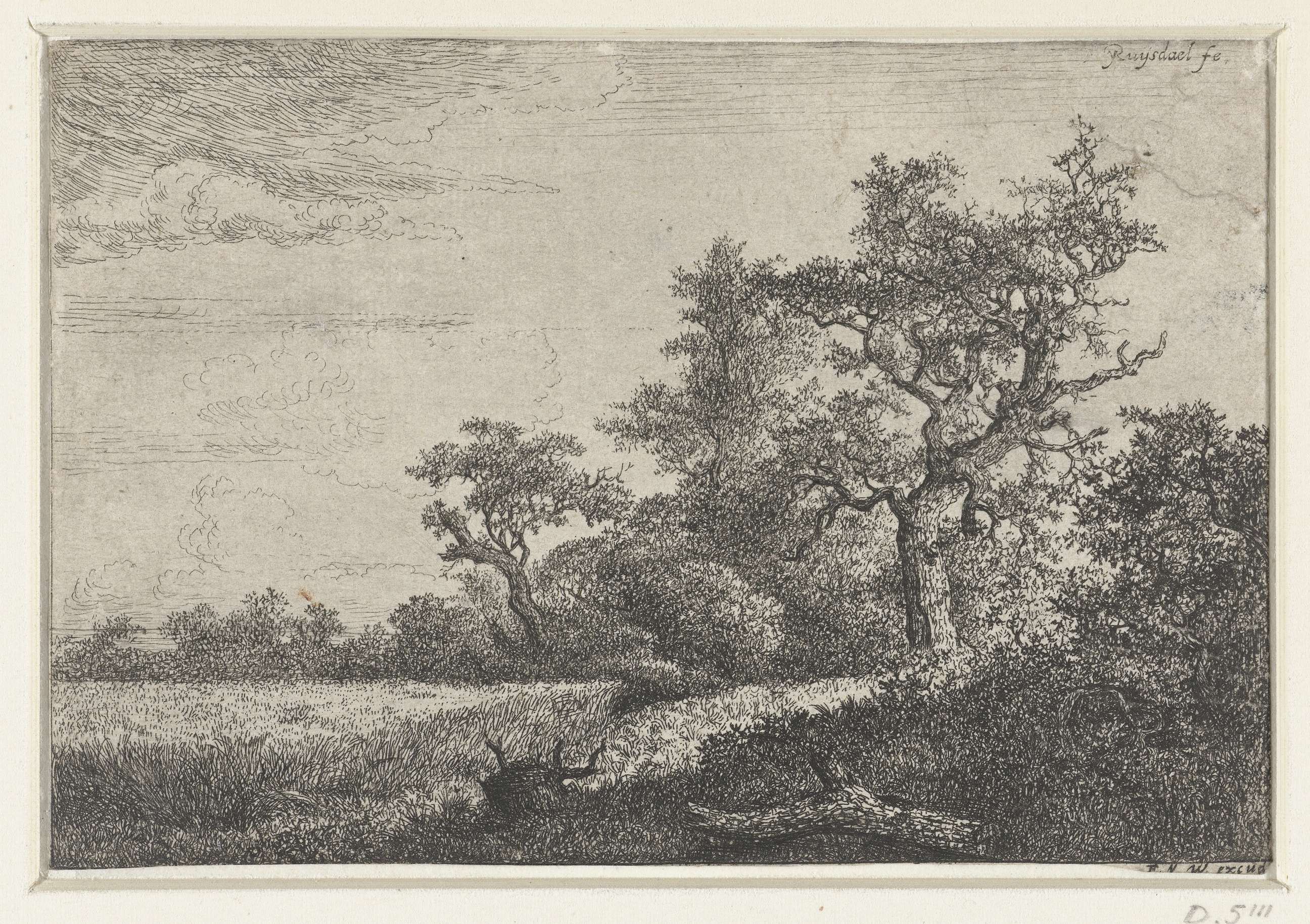
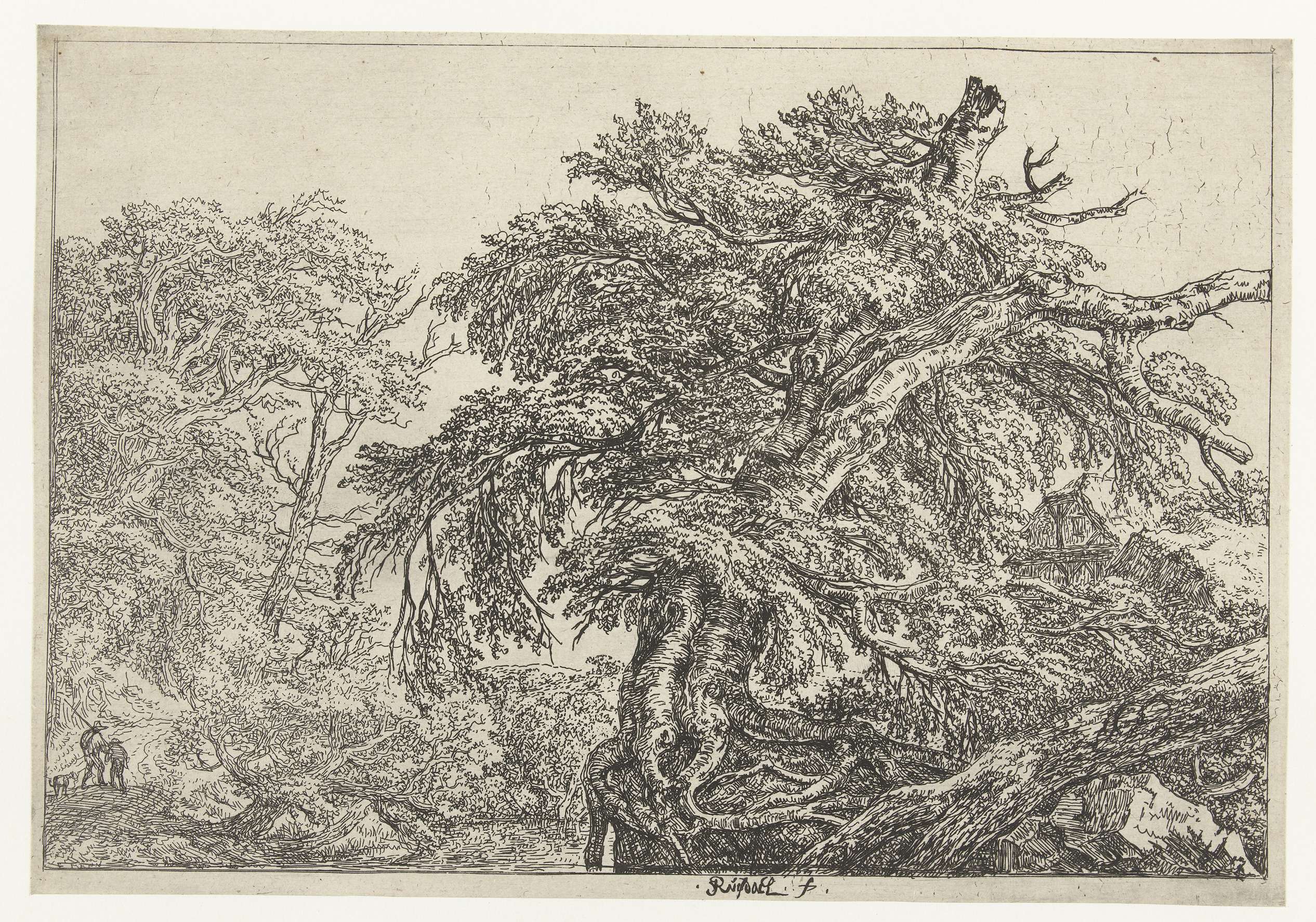
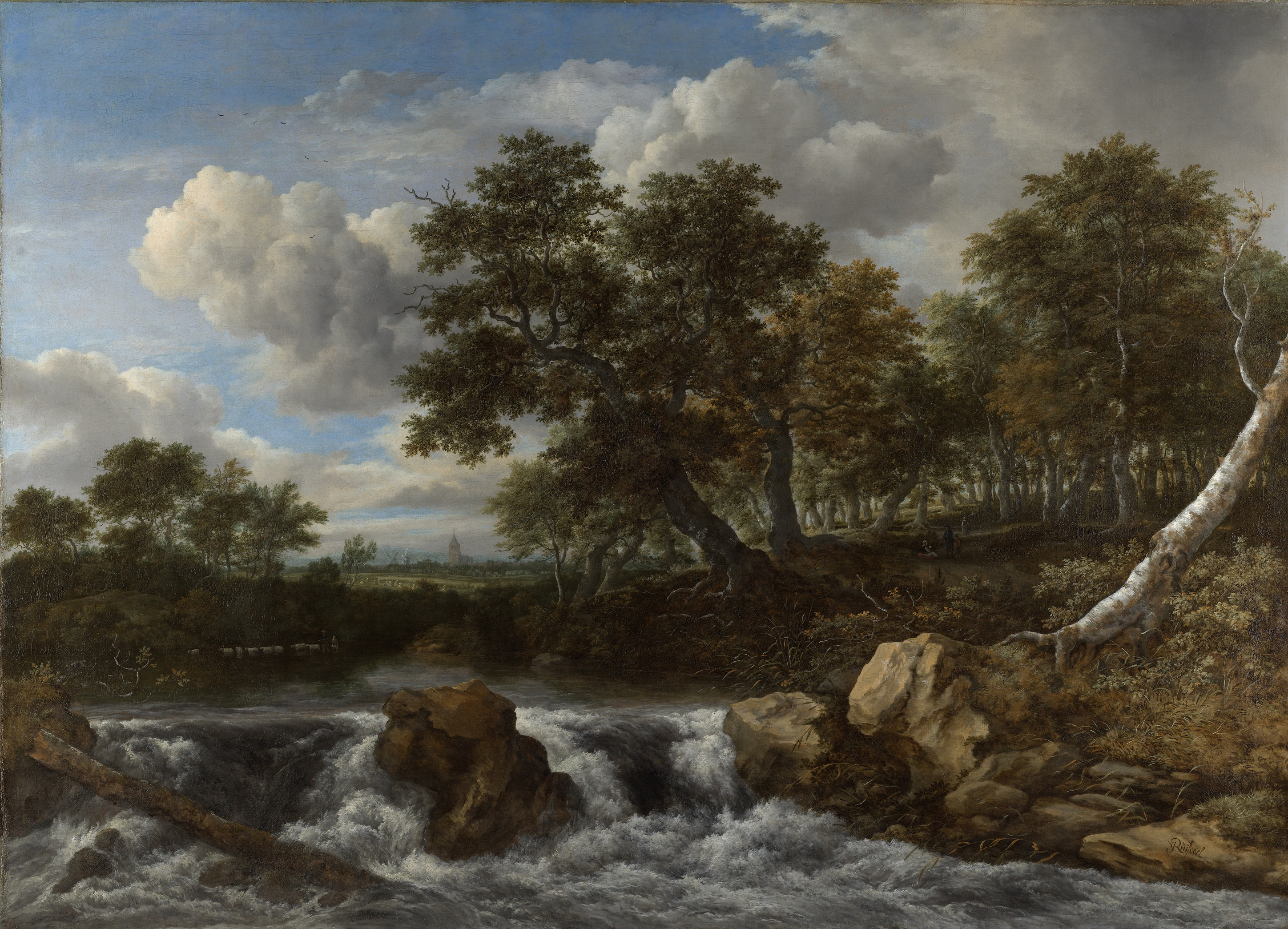
What if beauty was never meant to be finished? In De drie eiken, the artist invites us to contemplate nature’s raw, unrefined truth, a moment suspended in the embrace of time. Focus on the three grand oaks standing sentinel in the foreground, their gnarled branches silhouetted against a vast, brooding sky. The verdant grass beneath them dances softly in the wind, while the pale light reveals the textures of bark, leaves, and shadows.
The composition draws your eye from the sturdy trunks upward to the tumultuous clouds, illustrating a powerful contrast between the steadfastness of the trees and the unpredictable elements above. Within this pastoral scene lies a deeper narrative — the oaks symbolize endurance, juxtaposed with the fleeting nature of the weather and the sky’s ominous atmosphere. There’s an emotional tension between permanence and impermanence, inviting reflection on our own existence. Each brushstroke breathes life into this harmony, underscoring how beauty can be found in the unfinished and the unresolved.
In 1649, Jacob Isaacksz van Ruisdael painted this piece in the Netherlands, during a time of burgeoning artistic exploration and the rise of landscape painting. This period saw artists grappling with the complexities of nature and human experience amid political and social transformations. Van Ruisdael, known for his mastery of light and natural forms, used this moment to encapsulate both the splendor and the transience of the world around him, establishing his legacy as a pioneer of Dutch landscape artistry.